
Spray Foam Roofing in Santa Maria, CA
Set an SPF roof inspection
Share roof access and operating limits. We will inspect coating, foam, penetrations and drains, then document surface preparation and the repair sequence before pricing.
Request a roof assessment or call 555-555-5555.
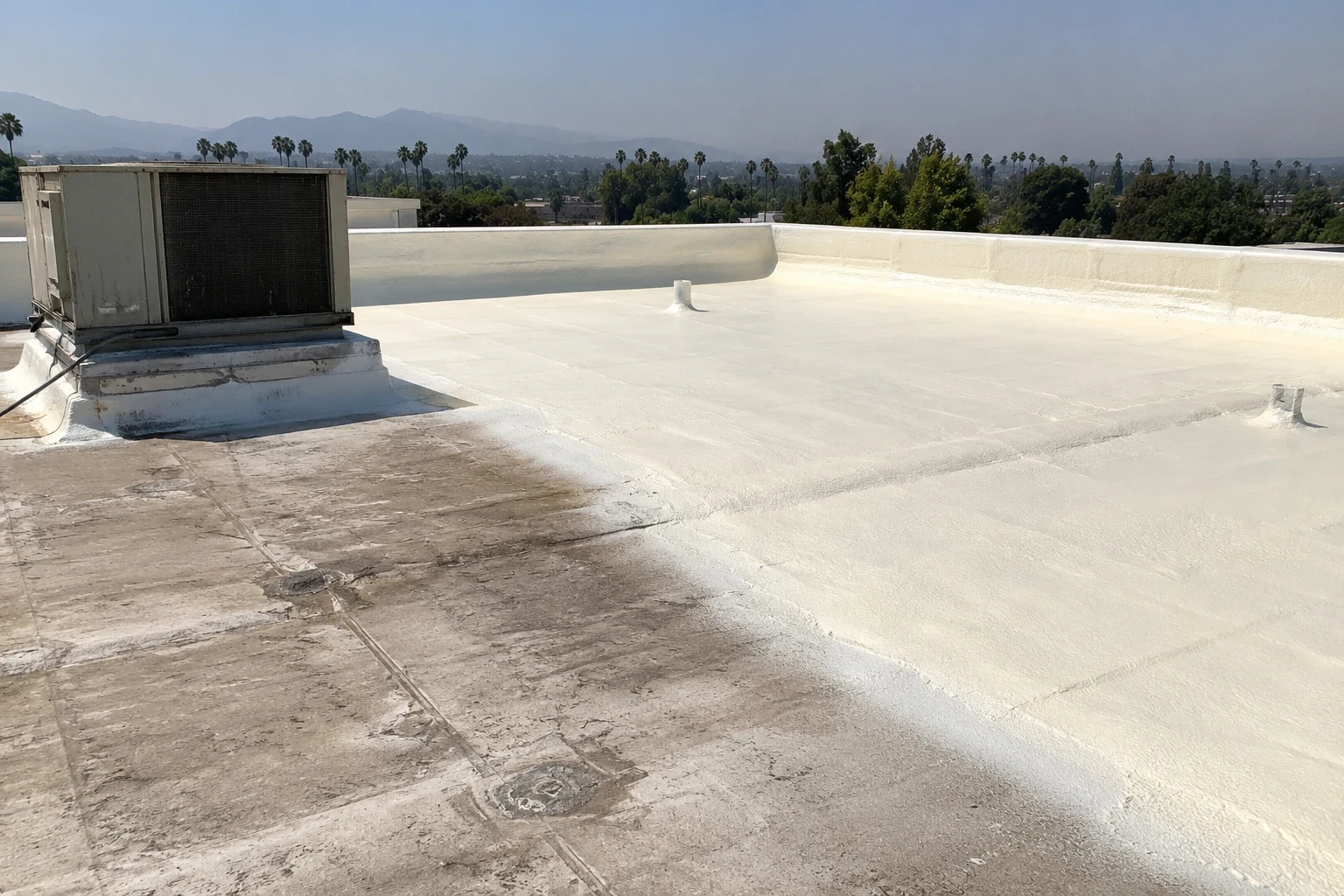

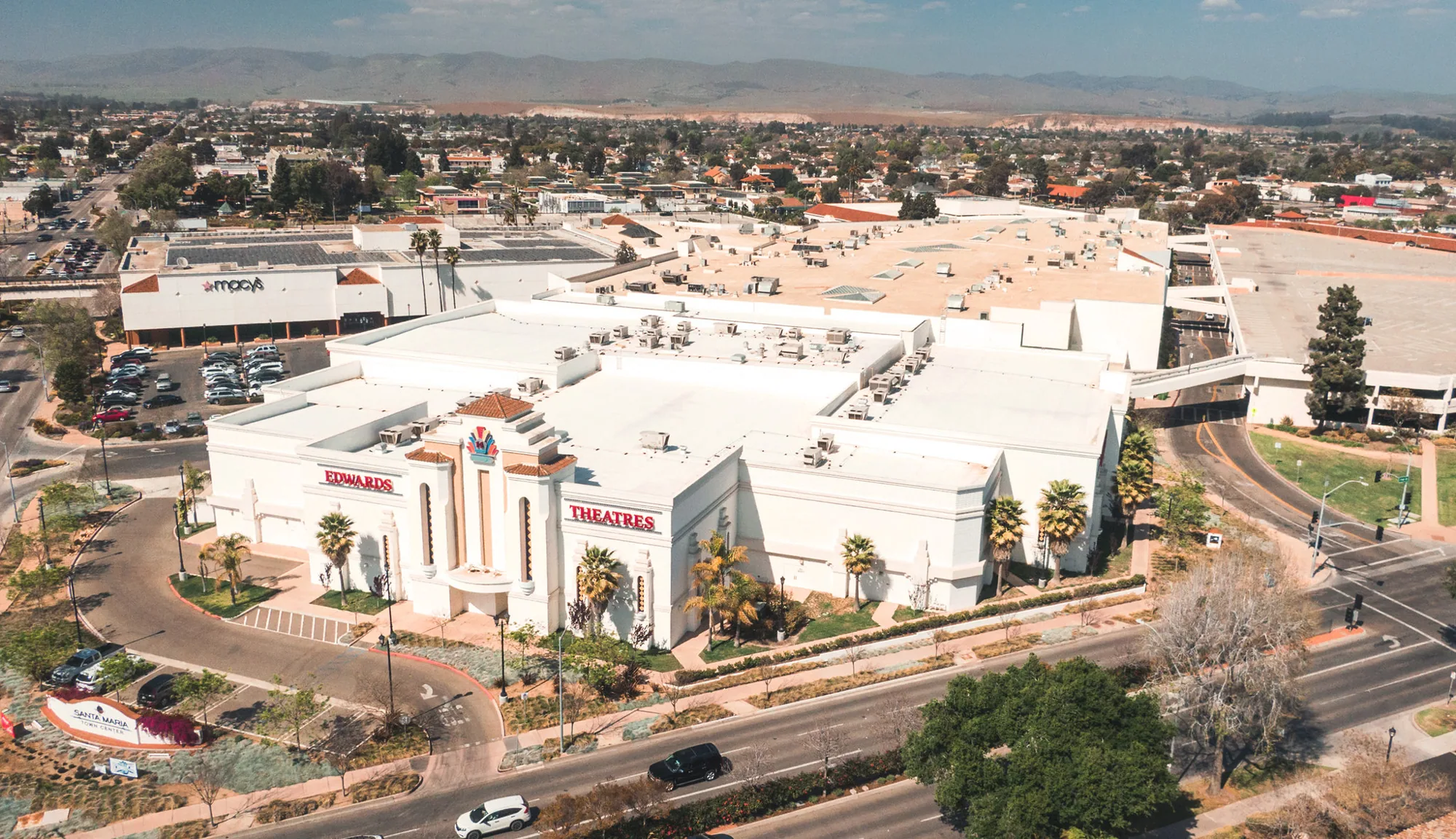
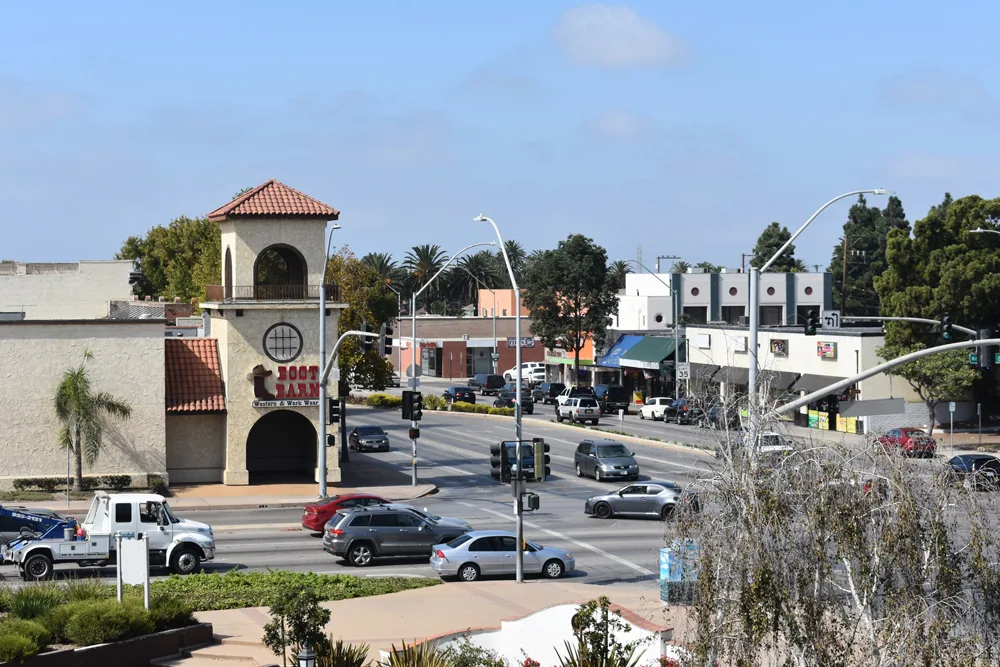

A thin coating at the top of an SPF roof can hide a split where foam meets a curb. In Santa Maria, CA, we check coating continuity, foam condition and the drain path before deciding whether a repair can stay local. The Santa Maria Airport Business Park plan includes airport services, light industrial, research and manufacturing uses; Downtown Santa Maria allows retail, food, service, hotel and mixed-use categories. At each building, we identify the installed system and surface condition before pricing foam repair or coating. We inspect the installed foam and ask how the building uses rooftop equipment and access.
Spray polyurethane foam forms a tapered or contoured layer over a prepared substrate, then relies on a protective coating to limit exposure and shed water. The foam, coating and flashing work as an assembly. A roof inspection traces the drainage path and checks whether coating wear, impact damage or wet foam extends beyond the visible spot.
Coating: map exposed foam and weak edges
We inspect the coating for thin areas, cracks, blisters, open laps, chalking and impact cuts. Around a penetration, the coating must transition to a sound flashing detail without a gap at the curb or pipe. We mark exposed foam and check the adjacent surface for moisture or delamination. A dark patch alone does not establish how far water has traveled, so the proposal distinguishes what we can see from any area that needs a controlled opening.
Drains, scuppers and roof edges receive their own check. SPF can be contoured to direct water, but settlement, debris or an altered drain can leave a low point. We inspect the bowl, overflow and coating termination, then record the condition in a written report. Photographs should show the detail and its position on the roof so the manager can compare it on a future visit.
Foam: confirm substrate and build-up
Before adding foam, we identify the substrate, existing roof layers and any loose or wet material that must be removed. Surface preparation affects adhesion and the edge where new foam meets the existing assembly. We consider drainage, thickness transitions and how the foam will terminate at equipment, walls and penetrations. The scope should state whether the work rebuilds a damaged area, adds insulation or restores a larger field.
The protective coating must be compatible with the foam and applied at the specified thickness and coverage. Where restoration is being considered, compare silicone coating work with acrylic coating options against drainage, exposure and maintenance needs. The material alone does not fix wet insulation, unstable foam or a failing curb. We identify which substrate conditions need correction before coating begins.
Repair: restore the full detail
A localized SPF repair may involve cutting out unsound foam, drying the substrate, rebuilding the profile and replacing the protective coating. The repair must connect to sound existing foam and finish without leaving a shelf that catches water. We record the prepared area and the transition back to the existing surface. If damage reaches a curb, drain or roof edge, flashing and termination work belong in the same scope.
Widespread coating failure, soft foam or recurring wet areas can point toward broader restoration or replacement. We compare the amount of foam that can be retained with the cost and access needs of rebuilding more of the assembly. A roof restoration scope should state preparation, foam repair, coating and detail work. A new covering in Santa Maria needs a permit, and the City reviews the assembly before it is applied. That review can include load-bearing structure, deck, water disposal, existing attachment, damp insulation and fire-retardant provisions; we keep the inspection hold in the coating schedule.
Application: manage surface and cure conditions
Santa Maria KSMX recorded 21.52 inches of precipitation during 2023 and a highest daily maximum temperature of 101°F. Before application, we check the roof surface and substrate at the work area. They make surface readiness a practical scheduling question: foam and coatings need a prepared, dry substrate and conditions within the specified product limits. We plan where crews can spray, where masking and ventilation are required, and when the area can be protected from foot traffic.
Santa Maria's annual precipitation normal at KSMX is 13.32 inches for 1991 to 2020. Before setting the dry-in plan, we inspect drainage and surface conditions at the property. Equipment shutdowns, access and inspection holds can also affect the sequence. Santa Maria code requires drainage study and correction when extensive ponding remains two days after rainfall; a drain review can define that part of the work before a coating schedule is set.
Access: account for the roof in operation
At each building, we verify the roof assembly, equipment access, and active work limits before setting a coating scope. At a roof in Downtown Santa Maria, we confirm the building's access route and the coating work area before staging material. We record the installed membrane and rooftop equipment during the inspection. We ask about exhaust, service visits, rooftop units, loading and occupied areas, then set the work boundary around the actual access route.
Foam work can require masking and limits on foot traffic while application and coating cure. Where a building remains in use, a phased roof plan identifies which zones are active and what protection stays in place. A Downtown Santa Maria roof walk still begins at the building, not the district description. We note drain access, equipment clearances and where crews can stage material without blocking a required service path.
Maintenance: preserve coating thickness
After restoration, the maintenance record should identify coating areas, repaired foam, penetrations, drains and any locations excluded from the work. We can revisit exposed edges, coating wear and impact points before water reaches the foam. If the original scope left a wet or unstable area unopened, that should remain a separate follow-up item. A scheduled roof review can keep those boundaries visible and help plan a coating repair before a larger area needs attention.
Before pricing, arrange a roof walk and share access limits, operating hours and equipment service needs. We will check coating, foam, flashing and drainage, then document the proposed preparation and repair boundary. The estimate can distinguish a spot repair from broader restoration, including substrate correction and detail work. That gives the building manager a sequence to review before crews begin spraying or coating over an occupied property.
Commercial Roofing Questions
How do you know if SPF is wet beneath the coating?
We inspect visible coating changes, soft areas, penetrations and drain transitions, then mark where a controlled opening or moisture check may be needed. A surface stain does not show the full extent by itself. The scope records confirmed observations separately from areas that still need investigation.
Can new foam be sprayed over the existing roof?
The substrate and existing layers decide whether additional foam is suitable. We check adhesion, moisture, roof structure, slope and drainage, then identify any material that needs removal. The proposal states surface preparation and transitions instead of assuming a new layer can cover every condition.
Which coating should go over spray foam?
The selected coating must be compatible with the foam and suited to the roof's exposure and drainage. We review surface preparation, reinforcement at details, specified application thickness and cure limits. We also determine whether the foam itself is sound enough to retain before coating is considered.
What can interrupt an SPF project?
Wet substrate, temperature or application limits, masking, roof access, equipment service and inspection holds all affect the work order. We plan how much area can be prepared and protected each shift. The schedule follows the product requirements and the actual roof rather than a fixed promise made before inspection.
What should the restoration estimate describe?
It should identify the foam that will remain, material to be removed, substrate preparation, profile reconstruction, coating and flashing details. We also record drains and work limits. If the permit or pre-roof inspection applies to a new covering, those steps belong in the schedule and written scope.
Plan the next roof visit
Tell us about the building and what you are seeing on the roof. Request a roof assessment and we will set up a time to look at it.