Healthcare Roofing for Santa Maria, CA Systems
Schedule a healthcare roof review
Share the affected rooms, access windows, roof records, and operational limits. We will inspect the details above those areas, document moisture and repair boundaries, and set out permit holds and work sequencing.
Request a roof assessment or call 555-555-5555.
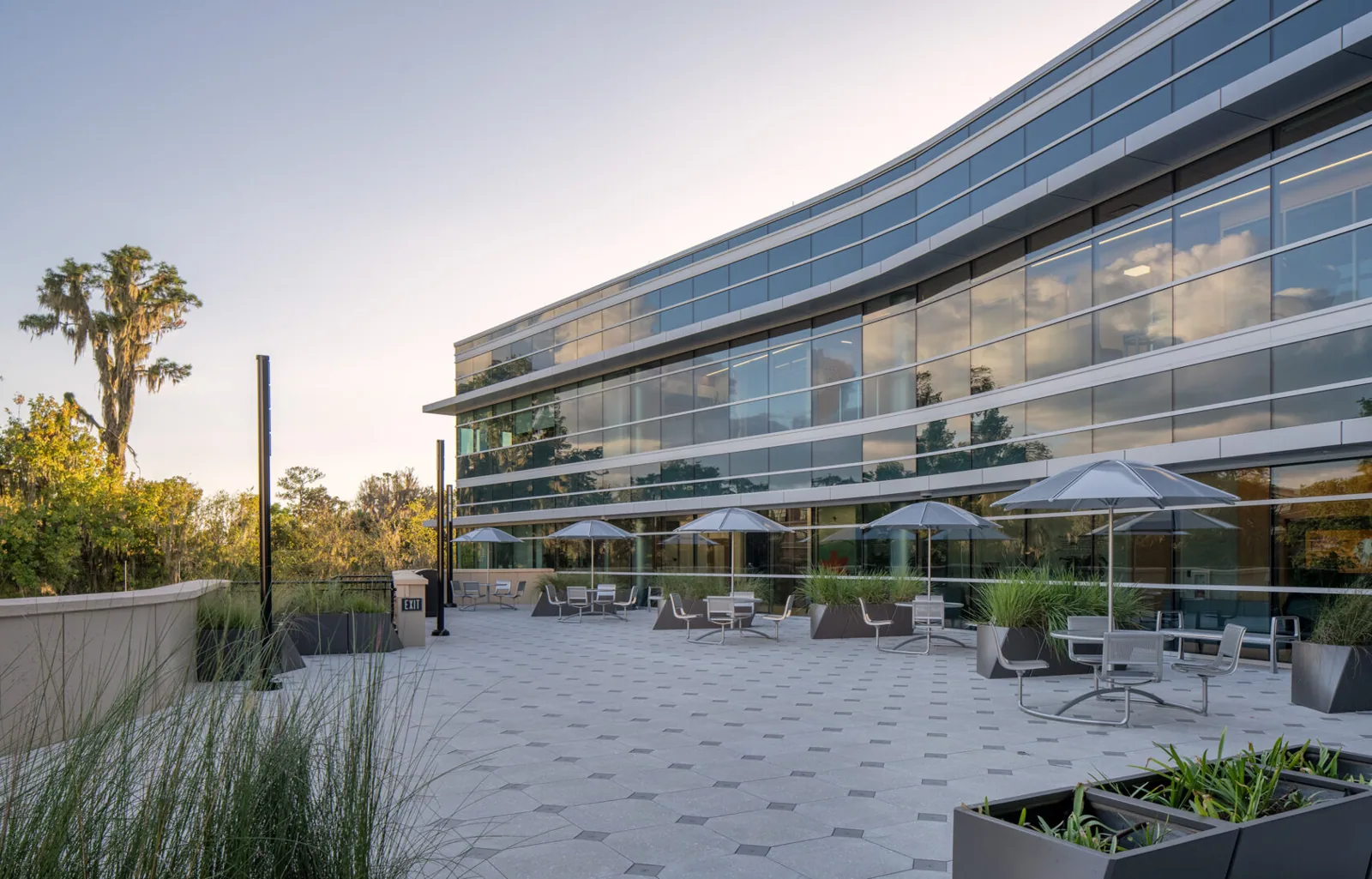
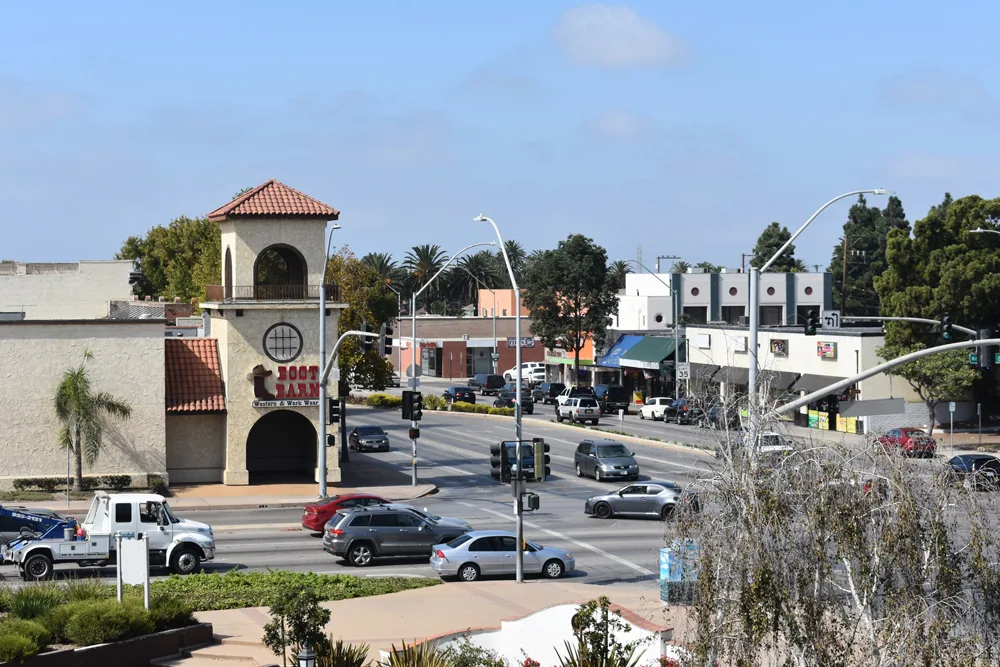
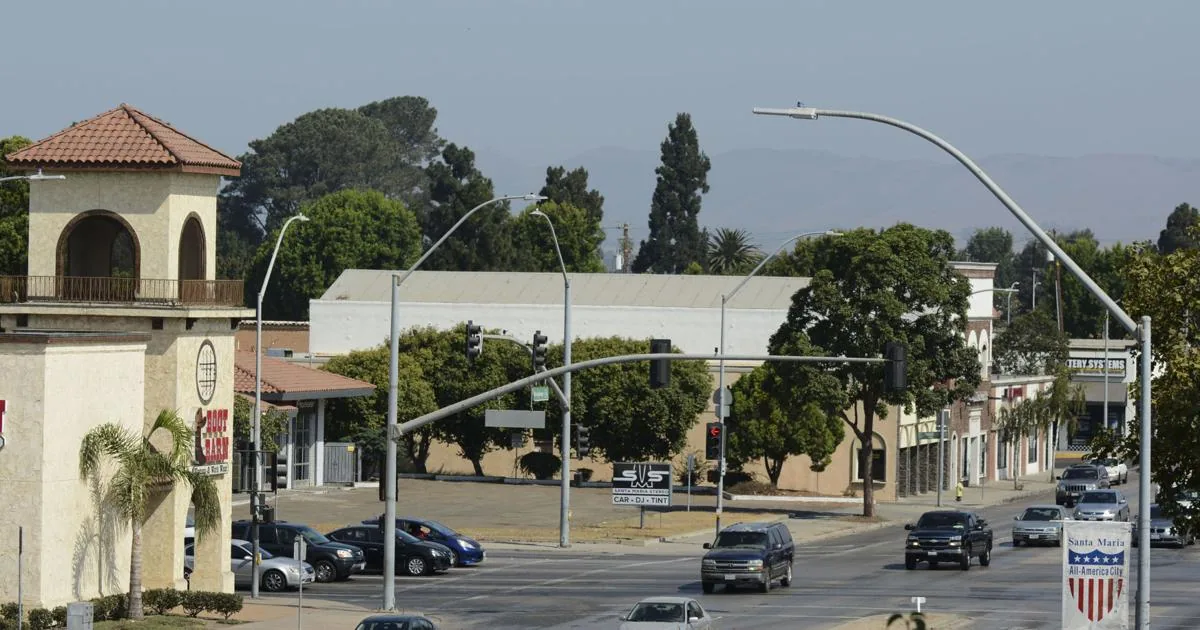
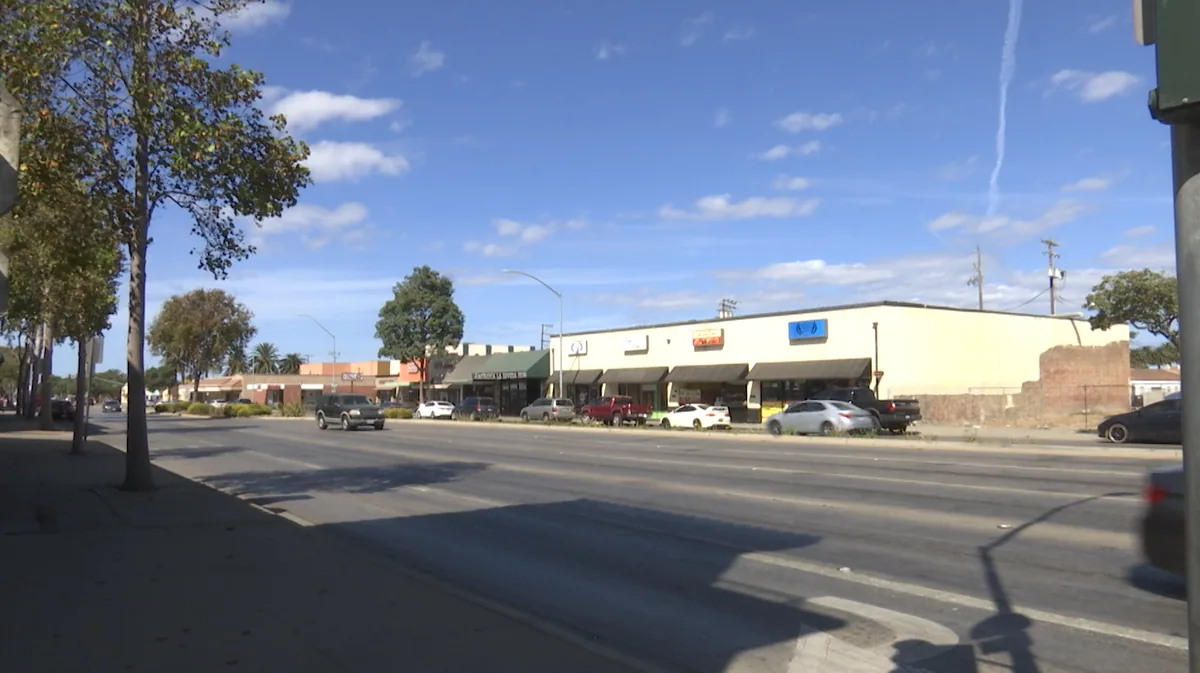
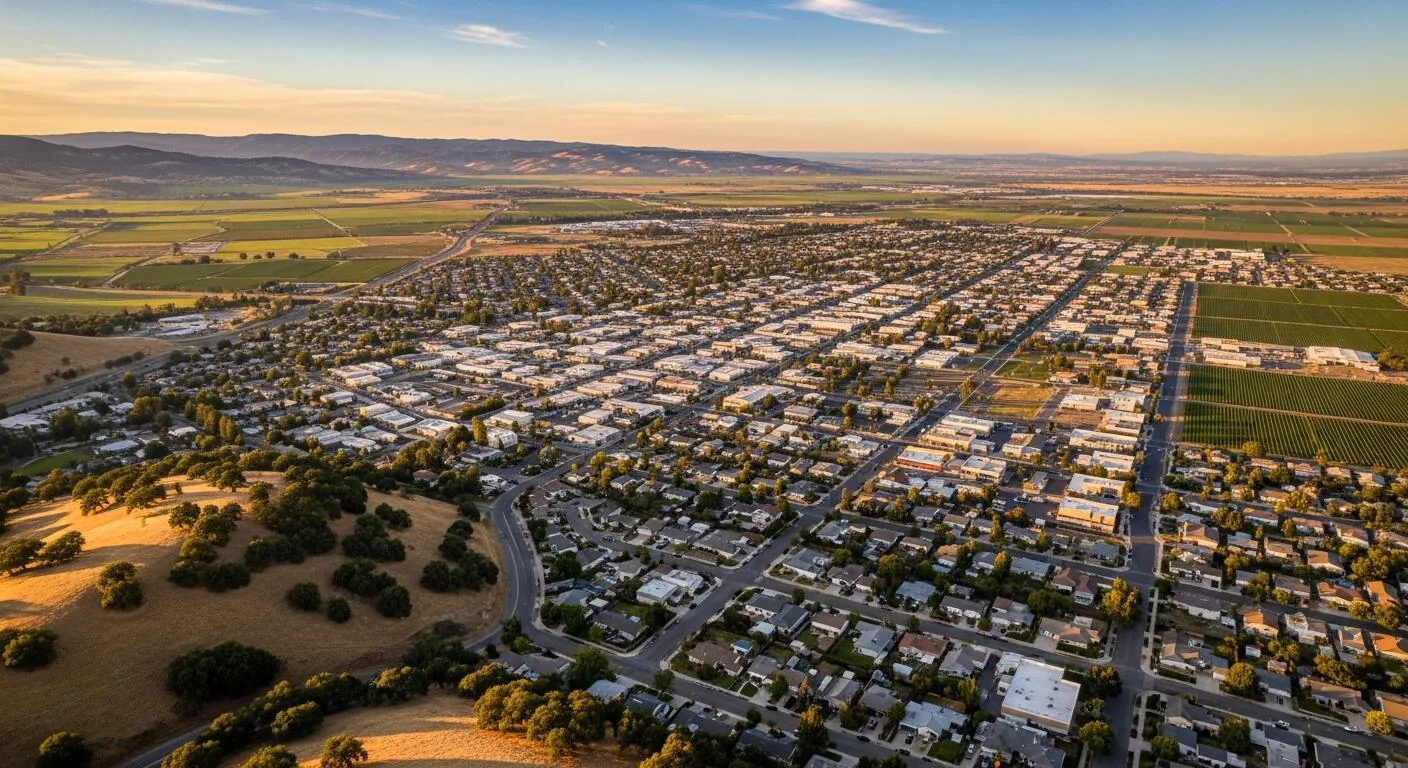
A curb flashing above a treatment room deserves a different work sequence from the same detail over an unused storage area. In Santa Maria, CA, we inspect the roof zone, trace the reported water path, and identify the room and operating hours below before marking a repair boundary. The North Broadway Commercial Corridor has medical-office projects, and medical office is among uses evaluated for part of the Santa Maria Airport Business Park plan area. We inspect each facility's roof assembly and operating constraints before setting the work boundary.
Clinical operations depend on rooms staying available, access routes staying clear, and dust or noise being controlled. We coordinate the roof work with the facilities contact, note any area requiring protection, and set a daily dry-in limit before opening a section. For systems with multiple buildings, a campus roof schedule can track each roof separately, with condition photographs, open questions, and the next work window tied to its building record.
Inspection: connect the roof zone to the room
At the reported leak, we inspect the sheet, nearby lap, curb corners, wall termination, and drain path before choosing a patch size. A ceiling mark can sit away from the entry detail, so the facilities team helps identify the room, equipment, and any previous repair in that area. We photograph accessible conditions and note whether a moisture reading or test opening would change the work. A moisture survey may help locate concealed wet areas, while a hands-on inspection confirms details the scan cannot resolve by itself.
The Santa Maria airport station's 1991-2020 precipitation normal is 13.32 inches annually. For repair timing, we check the actual drain path, surface, and substrate at the clinic. At the building, we inspect outlet bowls, overflow routes, low points, and laps that feed water toward a drain. When a broad pond remains past the second day after rainfall, Santa Maria calls for drainage analysis and corrective work. If drainage is part of the concern, we document it as its own condition instead of treating every interior report as a flashing defect.
Building context: preserve clinical access
Before staging material, we identify patient and staff entrances, service corridors, sensitive rooms, and hours when roof access could affect clinical work. If a repair requires a test cut, the scope identifies where the opening will be made, how the room below will be protected, and how the roof will be closed that day. A phased occupied-building plan can separate roof zones so facilities staff can coordinate notices and temporary restrictions without closing unrelated areas.
Santa Maria's economy includes health care, education, government, manufacturing, and agriculture, so facility schedules vary by property and service. We confirm actual operations with the site contact rather than infer room use from a map. City development records for the North Broadway Commercial Corridor include hotel, retail, commercial-shell, and medical-office projects. For a roof walk in that corridor, the same questions apply: what runs below, which route remains open, and what must be dry-in before the next shift?
Repair options: isolate the affected assembly
A repair can stay local when the membrane is sound outside the confirmed defect and the substrate will accept the specified bond or weld. We mark the limit, show adjacent details checked, and identify any area that needs further testing. Where multiple roof zones show wet insulation, loose attachment, or recurring failures, we compare localized work with a broader restoration or replacement scope. A commercial roof repair document should distinguish active water entry from a condition that could affect later capital work.
Emergency response is available around the clock, including holidays. The initial visit focuses on stopping active entry, protecting rooms and equipment, and recording temporary measures. The permanent repair follows after we can inspect the detail and prepare the surface under suitable conditions. If the building must continue operating, the work plan can specify material staging, barriers, noise periods, and how each open section will be secured at shift end. That sequence gives facilities staff something specific to communicate to the people using the rooms below.
Timing: include inspection holds and dry-in
For installation of a replacement roof layer, the City expects a permit plus a pre-roof inspection; installers wait for written approval. Review may cover building support, the roof deck, water movement, fastening of the existing cover, damp insulation, and fire protection. We add the hold point to the project calendar and prepare the roof records needed for review. If an opening reveals a condition that changes the assembly, we record it and confirm the next step before extending the work area.
Fog can delay washing, bonding, or coating when the surface or substrate is not ready. Across its 42-year record, Santa Maria's KSMX station averages 62.4 heavy-fog days per year. Before bonding or coating, we check the work surface and substrate at the facility. We check the actual surface before applying specified materials and plan a protected dry-in if conditions shift. A coating restoration scope needs time for cleaning, surface preparation, and cure before equipment service resumes.
Maintenance: keep the clinical roof file usable
After the visit, the property file should contain marked zones, close photographs, moisture findings, repairs completed, and access limitations that affected inspection. We also note what remains uncertain and what test would answer it. A roof condition report can help facilities staff track each item with a room or operational impact, then schedule repair work around other planned maintenance. The same record can inform manufacturing roof planning and school district facilities, with access and room protection recorded for each building. That record reduces the chance that the next visit starts from an outdated sketch or a verbal description of a ceiling stain.
Drain bowls, scuppers, wall turns, equipment curbs, and exposed laps deserve attention after roof trades or equipment work. We document new penetrations and note whether service traffic crosses areas that need protection. A preventive visit can close small details before they create a room restriction, while a capital review can compare the condition across buildings. If an area is not accessible, we state that limitation and arrange the next inspection window with the facilities team rather than assume the hidden surface is sound.
Commercial Roofing Questions
How do you plan a repair above an active treatment area?
The room, access route, and roof detail set the sequence. We coordinate the work window, surface preparation, material movement, protection below, and daily dry-in with facilities staff. If a test opening is needed, we identify the location and interior controls before making it so the clinical team can plan around the actual work area.
What does a moisture scan establish for a healthcare building?
It can show patterns that help target follow-up checks, but visible roof details and verification openings may still be needed. We mark the surveyed zones, record readings, and explain which findings support a repair and which require confirmation. The report keeps room impacts and roof evidence connected without treating every scan variation as wet insulation.
Can a roof replacement be divided by building or wing?
Yes, where roof layout, access, and permit review allow sections to be completed and secured independently. We map the work zones, establish staging and dry-in limits, and coordinate the sequence with facilities staff. Santa Maria's pre-roof inspection and written approval remain a required hold before a new covering is applied.
What should be recorded after a leak is contained?
Keep the temporary protection location, photographs, affected room, and the roof detail still needing permanent work. We document those items with access limits and any moisture evidence, then set the next inspection or repair step. That lets the next shift distinguish a temporary measure from a completed roof repair.
Related
Plan the next roof visit
Tell us about the building and what you are seeing on the roof. Request a roof assessment and we will set up a time to look at it.