Commercial Roofing in Rivergate-Roemer, Santa Maria, CA
Arrange a roof inspection for Rivergate-Roemer
Send the building identifier, leak report, roof plan, operating window, and access rules. We will trace the connected seams, drains, and terminations, record any testing needed, and outline the repair boundary and schedule dependencies.
Request a roof assessment or call 555-555-5555.
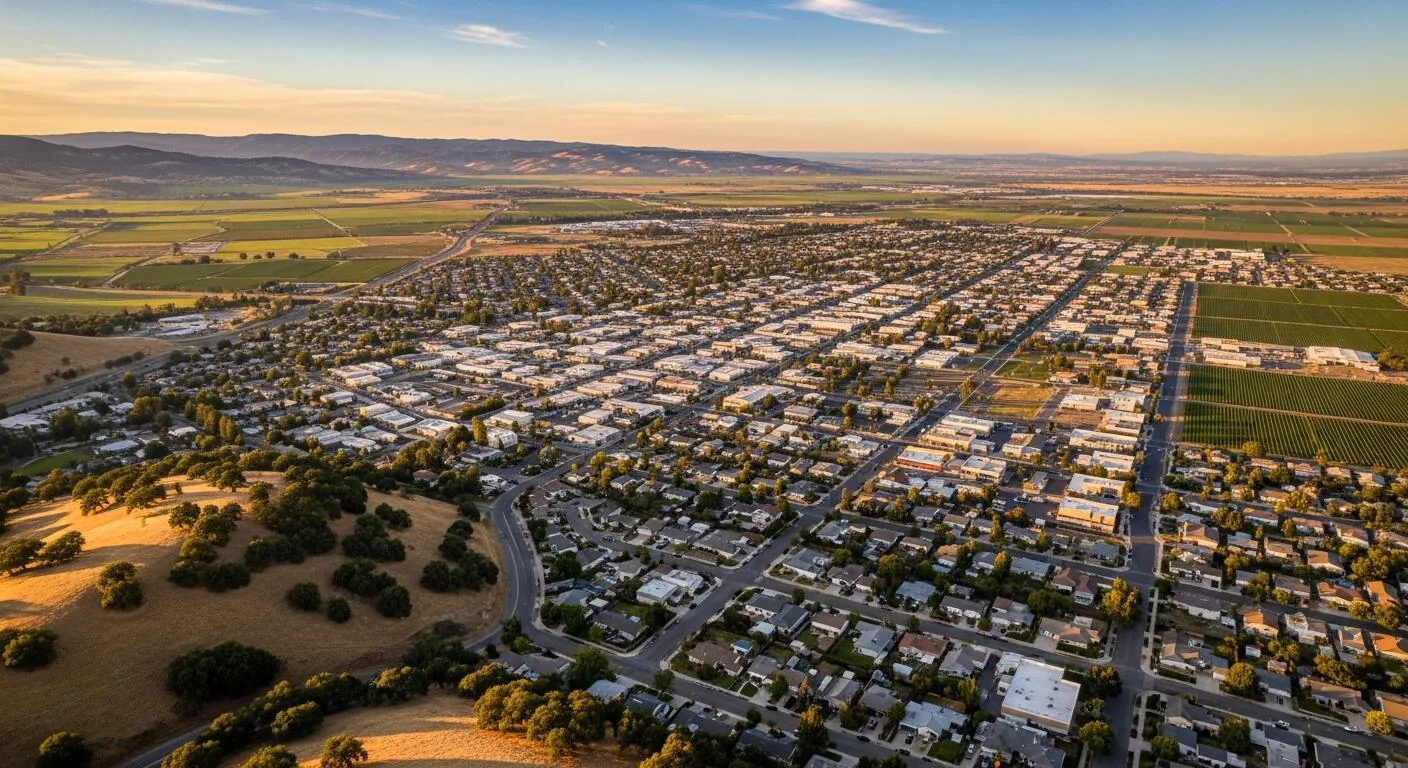
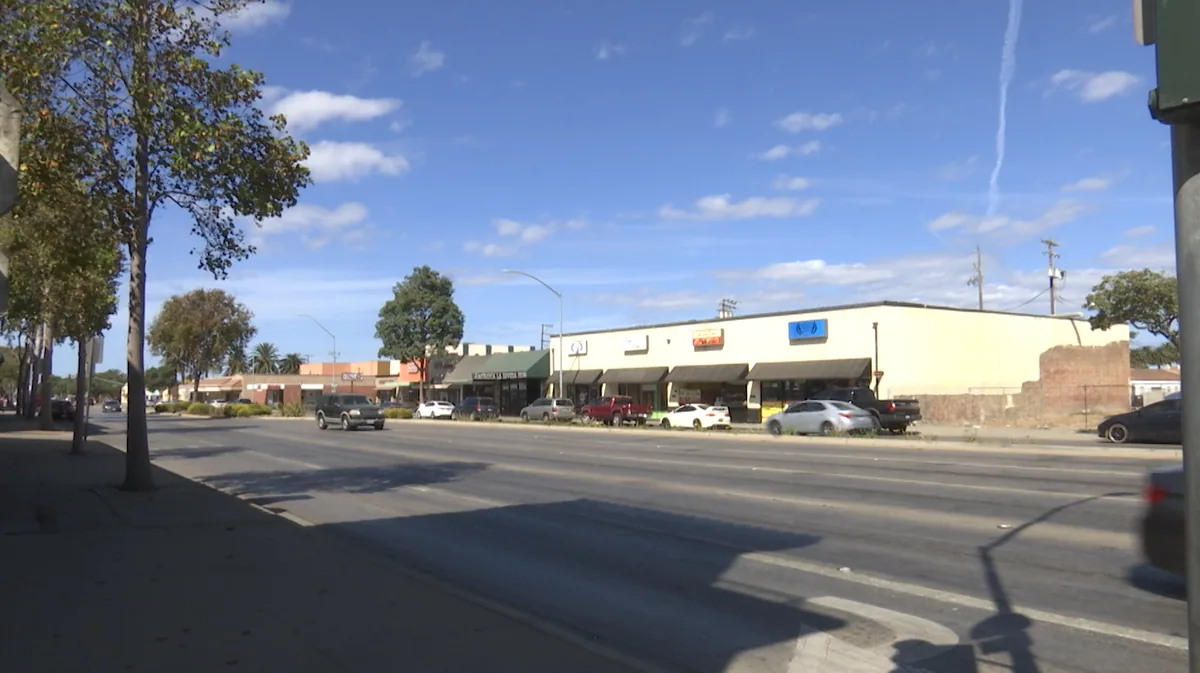
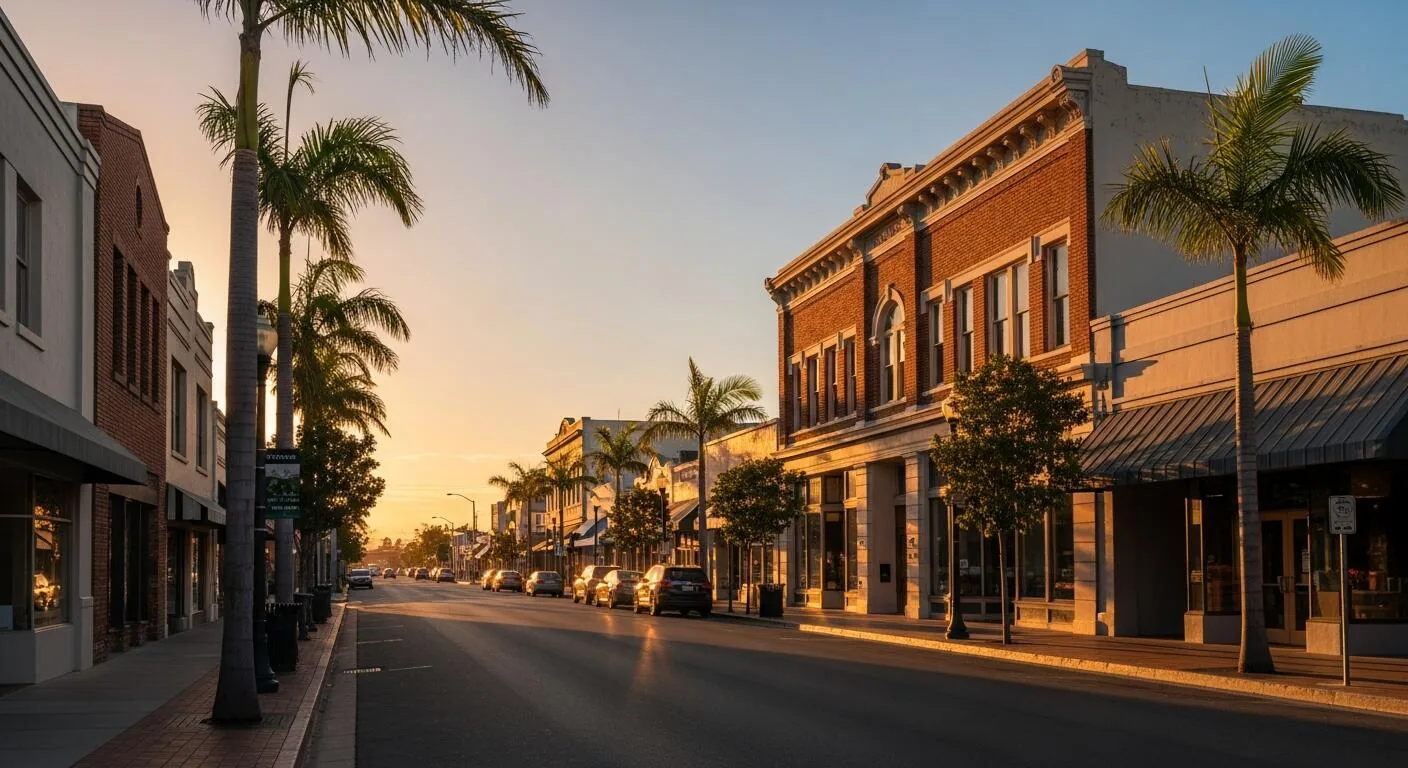
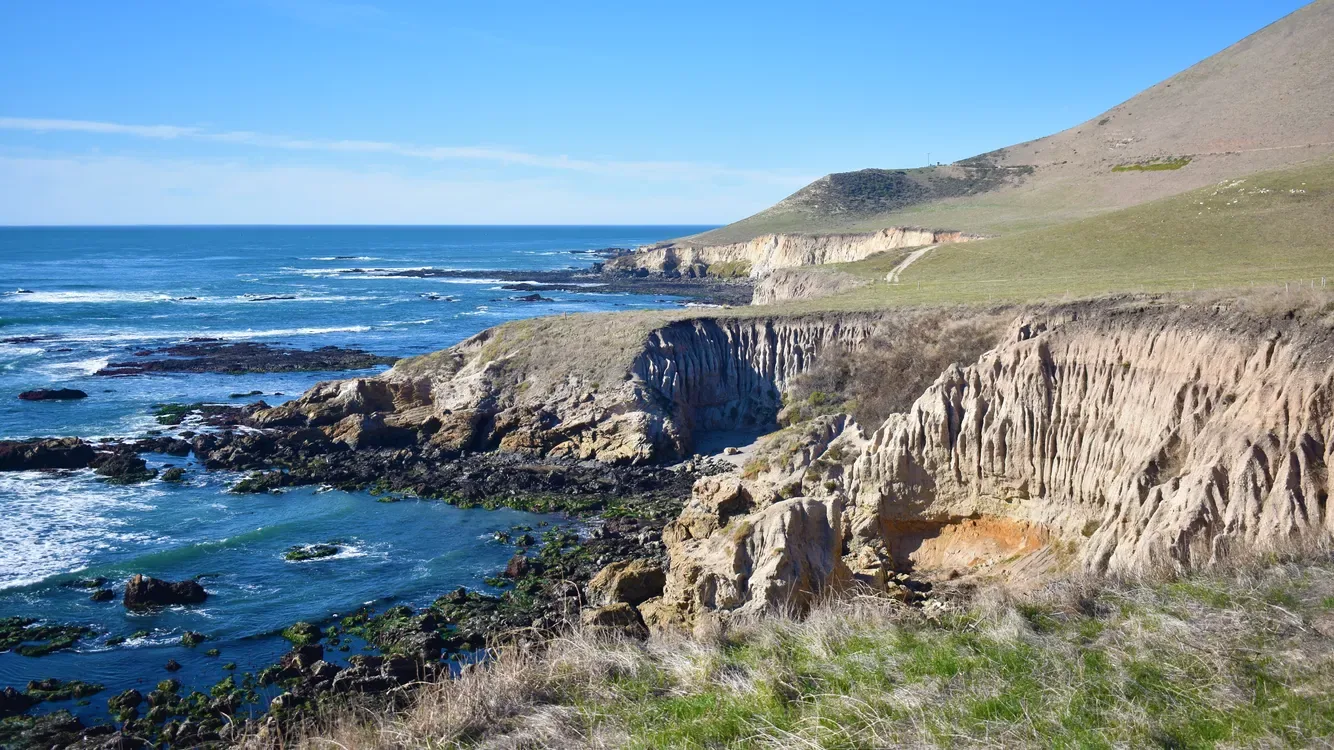
Seams at rooftop-unit curbs decide where a repair can stop and what access it needs. In Rivergate-Roemer, we locate the affected roof section, inspect the membrane where it meets a curb or drain, and confirm what can be staged below. The plan area covers 194 acres in Santa Maria's northeast and combines residential, commercial, open-space, and community uses. Retail and freeway-serving designations, along with general-commercial and freeway-service zones, make the actual building and its operating hours part of the first inspection call.
The plan connects the area with the U.S. 101 and Broadway-Highway 135 interchange and describes it as a northern city gateway. That context can inform a manager's delivery and access plan. We confirm the property, roof zones, and tenant restrictions before tracing a leak. A Downtown Santa Maria property or Airport Business Park building gets its own access notes, even when a similar repair method may apply.
Interchange-side uses: confirm how the roof can be reached
The route to a roof begins at the property line and ends at the work zone. We ask where a lift, material drop, or ladder can be placed, which driveways must stay clear, and whether an occupied area needs a spotter or interior protection. A manager may have separate access procedures for a commercial tenant, residential portion, or shared space. We include the applicable contact and work hours before scheduling so material does not arrive ahead of an approved path.
Different sections can use different assemblies, particularly where additions or repairs meet an older parapet. We label each zone and trace transitions rather than treating a plan area as one roof. If an interior leak has been reported, we compare its location with seams, curbs, scuppers, and nearby walls above. Photographs show both the close-up defect and the surrounding reference point. A roof condition record can preserve that relationship for the next manager or repair visit.
Zones: follow each seam to its termination
A lap that opens at one corner can lead to a curb or wall where the repair material needs a different tie-in. We inspect seam direction, membrane condition, flashing, and termination, then mark whether the surrounding surface can accept a patch. If nearby repairs cross the same zone, we map them before recommending another layer. The inspection states whether the visible defect is bounded or whether a test would clarify what lies beneath.
Santa Maria airport's annual rain baseline is 13.32 inches, calculated using the 1991 to 2020 normal period. Its 42-year log averages 62.4 heavy-fog days annually; at Rivergate-Roemer, we inspect drains and the working surface. On Rivergate-Roemer roofs, we inspect drainage and check the surface before preparation. A moisture survey can target follow-up openings when the visible condition leaves a wet-area question.
Outlet review: record where water remains
Water on a roof can sit against a curb, collect beside a drain, or pass under a poorly terminated edge. We identify where the low point is, which outlet serves it, and whether the field sheet falls toward that outlet. The manager's observation of how long water remains helps distinguish a routine note from a drainage question that changes the covering scope. A photograph should include enough roof area to show the low point's relationship to the drain or scupper.
In Santa Maria, an extensive pond that remains on the roof for over two days after rainfall calls for drainage analysis and corrective measures under code. We record the location and duration observed, then identify whether that requirement affects a proposed roof-covering project. A new covering also carries a permit and pre-roof review. A drainage evaluation can specify bowl, scupper, or slope work before the membrane scope is finalized.
Repair path: separate the leak from the capital decision
A repair is a fit when the defect can be isolated and tied into compatible, sound material. We describe the preparation, patch or flashing detail, nearby checks, and closeout photo. If moisture, failed attachment, or repeated leakage extends beyond that boundary, we show what additional evidence is needed. The repair proposal can then stand on its own while ownership decides whether a separate assessment is needed for the rest of the roof.
City approval for a new covering in Santa Maria follows the building permit and a pre-roof inspection; written clearance is required before installation. The City inspects roof support, deck, runoff path, attachment of the existing layer, whether insulation is wet, and any fire-retardant requirement. We identify these points when comparing replacement with a recover. If extensive ponding has been observed, drainage analysis belongs in that decision before materials are selected.
For an active leak, emergency response is available around the clock, all week and on holidays. We protect the affected interior and set a temporary dry-in, then document the permanent repair boundary after the roof can be prepared. A 24-hour roof response should leave a record of temporary work, conditions that remain, and what access is needed for the permanent fix. The manager can share those details with the person approving the next scope.
Work sequence: keep access and dry-in visible
The schedule starts with confirmed access, not an assumed open roof. We coordinate entry, tenant notice, staging, and the route to the work area. If a repair crosses a shift boundary, we plan where the roof can be closed and what protection remains below. Deliveries and shared circulation near a city gateway can affect staging, so we confirm the property manager's constraints directly before setting the sequence.
Surface preparation is another hold point. A membrane bond, seam weld, or coating depends on the specified method and the substrate condition at the work area. The crew checks that condition before starting, records a delay if the surface is not ready, and adjusts the day's order where a different zone can proceed. The manager should know which areas are active, which remain protected, and when access is needed again for inspection or closeout.
Keep roof plans, leak history, and prior repair photos with the service record. When a later visit finds moisture near a known seam, the map helps us compare the same roof zone and avoid repeating an inspection without context. The closeout lists repair material, boundary, visible tie-ins, and any question awaiting approval. A maintenance visit can then check the repaired detail and refresh the record.
Commercial Roofing Questions
What does the Rivergate-Roemer plan area tell you before a roof visit?
It identifies a 194-acre planning area in Santa Maria's northeast, its mix of commercial and other designations, and its connection to the U.S. 101 and Broadway-Highway 135 interchange. We still confirm the specific building, assembly, access route, and operating limits before setting the inspection boundary.
Can the interchange affect roof-work staging?
The plan identifies a northern city gateway and an interchange association. For an individual project, we confirm the actual material route, delivery hours, driveway limits, and roof access with the manager. Those site conditions determine staging and the work sequence.
When does water that remains on the roof need more review?
A pond still present past the 48-hour limit after rain activates Santa Maria's drainage rules, requiring analysis and correction. We note the low point and specify the outlet or slope measure needed before a new covering advances.
What can a moisture survey add to a visual roof walk?
A survey can identify areas for further investigation when the surface view does not show the full wet boundary. We compare readings with visible damage and interior reports, then use approved openings where needed to establish which materials should be repaired or removed.
What records will I have after an emergency visit?
We record the roof zone, temporary protection, visible condition, and permanent work still needed. Emergency response is available at any hour, including holidays. The manager can use the photographs and access notes to approve a return visit and permanent repair scope.
Plan the next roof visit
Tell us about the building and what you are seeing on the roof. Request a roof assessment and we will set up a time to look at it.