
Commercial Roofing in Downtown Santa Maria, Santa Maria, CA
Schedule a roof walk for the Downtown property
Send the property identifier, leak location, roof plan, tenant hours, access route, and any prior repair notes. We will inspect the agreed roof zones, document the connected details and drainage path, and provide a repair boundary with the required work sequence.
Request a roof assessment or call 555-555-5555.
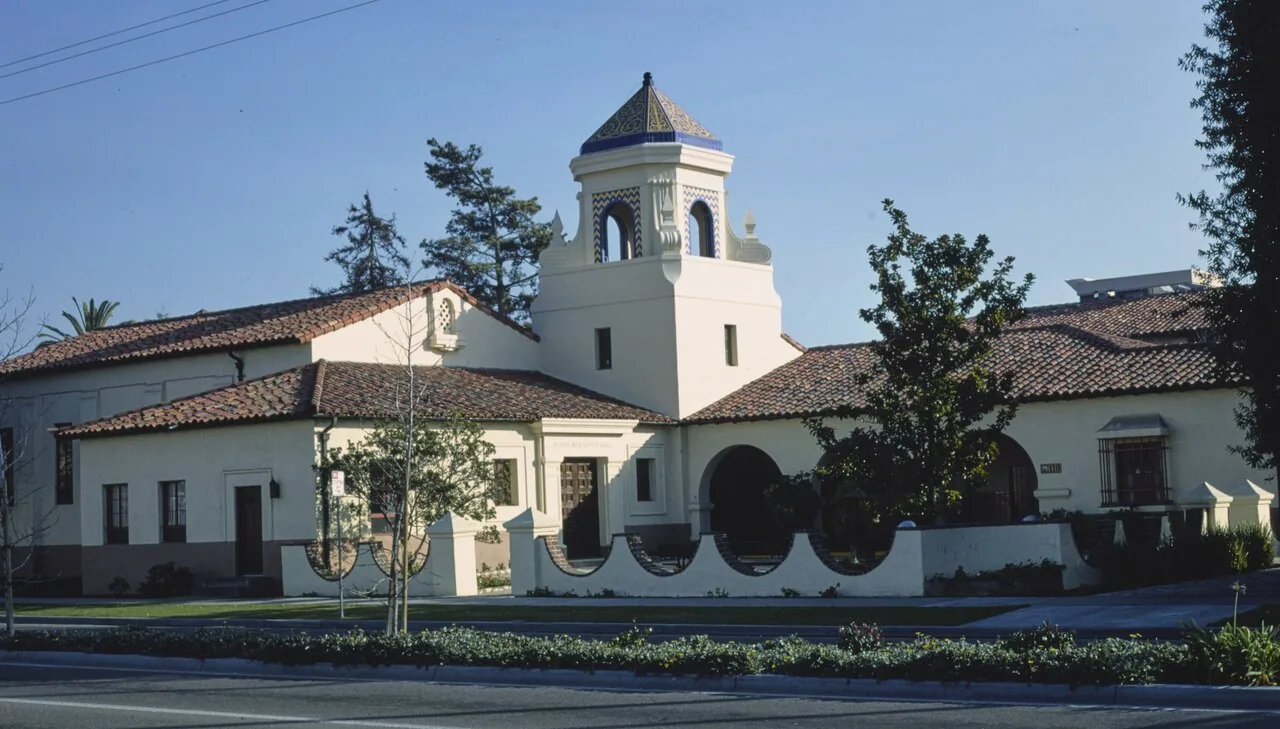
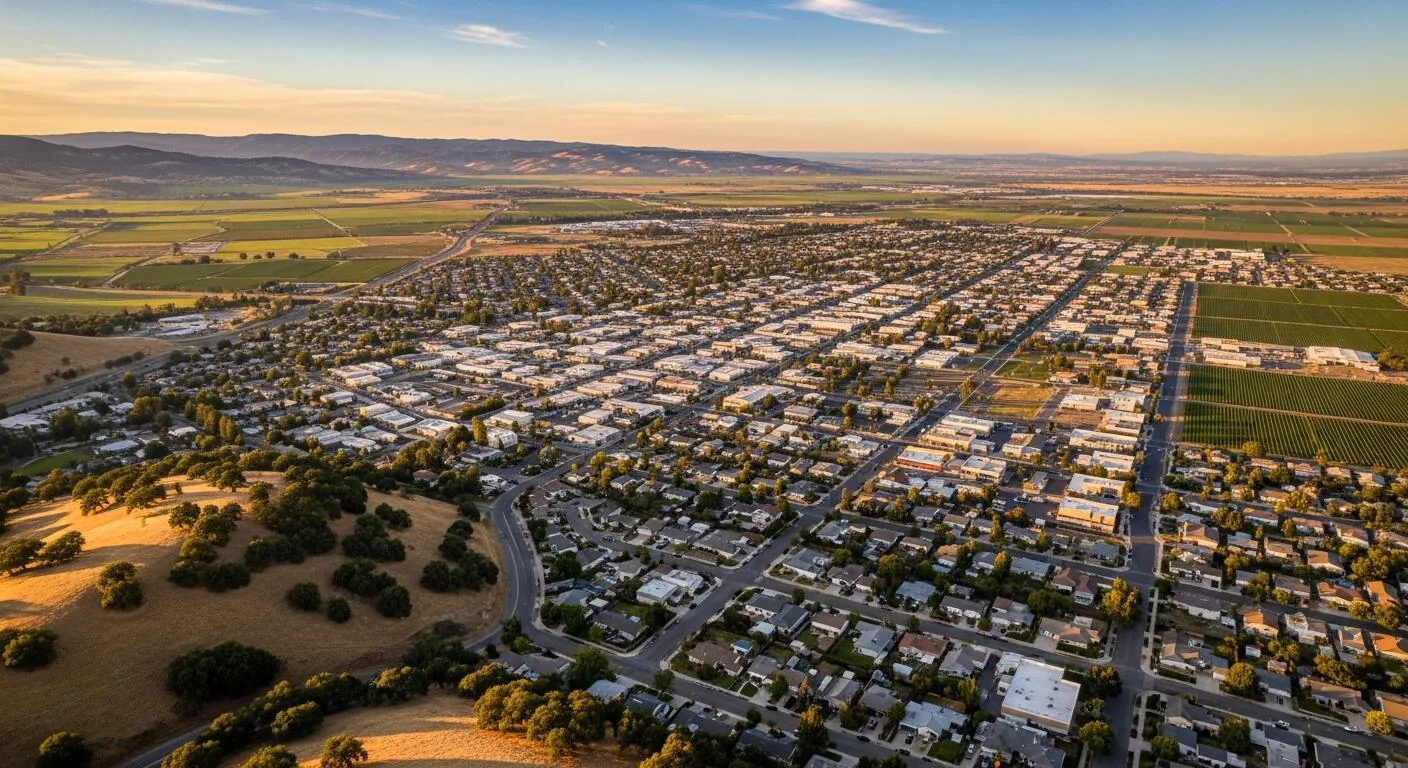
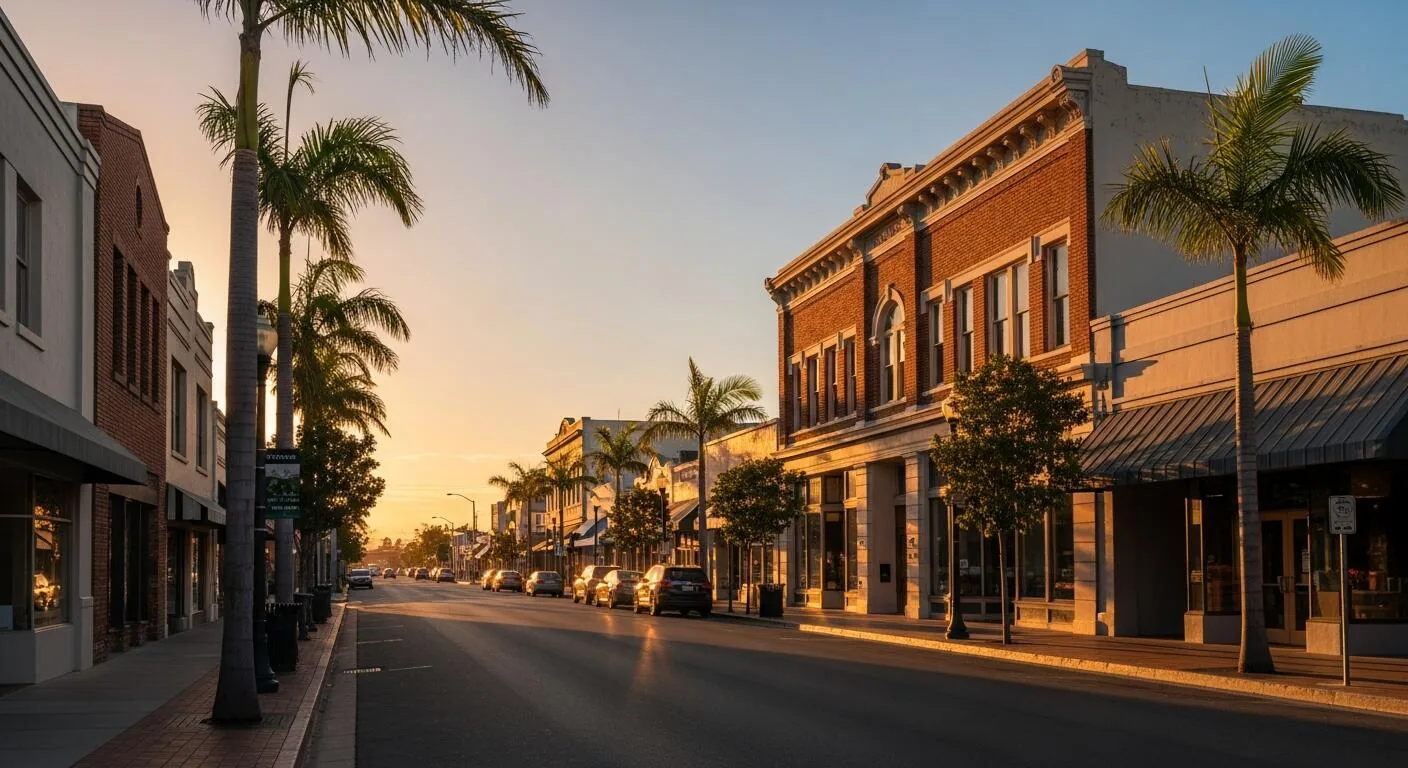

A parapet termination above an occupied storefront can decide how much access a roof repair needs. We trace the membrane to the wall, inspect the counterflashing and coping, and note whether signs, service equipment, or tenant hours affect staging. Downtown Santa Maria's Specific Plan allows retail, food, service, entertainment, hotel, public and quasi-public, and multifamily or vertical mixed-use categories. Those uses call for a property-specific work plan, because access and protection below the roof can matter as much as the repair detail above it.
The plan excludes industrial and several vehicle-oriented uses, distinguishing Downtown from industrial planning areas elsewhere in the city. Broadway and Main Street are outside Downtown in the Entrada Specific Plan, whose design guidance connects those corridors to Downtown streetscape treatment. We keep those boundaries clear in the service record and confirm the address with the manager before the walk. Rivergate-Roemer and Enos Ranchos receive separate roof inspections and access plans.
Occupied uses: set the access and protection limits
A retail or food-service space may have public entrances and deliveries that must remain clear while work is staged. A hotel, public facility, or mixed-use property can also have quiet hours, tenant notices, or rooftop equipment that affects the route. We ask the manager to identify operating hours, access points, and any area below the repair that needs protection. The estimate describes how the crew reaches the work zone and what the building needs during each phase.
The Downtown plan allows several use categories, but it does not tell us the roof assembly or current condition of an individual property. We verify the membrane, metal, insulation, and visible transitions, and identify any concealed detail requiring approval to open. If a tenant or service vendor controls access, the manager can set the contact and window before scheduling. A reroof plan for an occupied building can sequence roof sections and temporary protection around those confirmed limits.
Edge details: inspect the wall, curb, and tie-in
At a parapet, we check where the membrane ends, whether flashing remains secure, and how the coping sheds water. At a rooftop unit, we inspect the curb corners, flashing height, and connection between the curb and field sheet. These edges can cross more than one material. We record what is loose or open and whether a compatible patch can terminate on sound material.
For Santa Maria, NOAA lists 13.32 inches as the KSMX station's 1991-2020 annual precipitation normal. The station averaged 62.4 heavy-fog days over its 42-year period of record. We check the actual roof surface and substrate before setting a bonding or coating window. They make a documented drain path and surface-readiness check useful before repair. A flashing assessment can identify the termination needing attention, and a drain review can address an outlet concern.
A roof detail can look continuous from the doorway and still change behind a sign, curb, or parapet cap. We photograph that transition from enough distance to show its place in the roof zone, then capture a close view of the open lap or loose metal. The owner can approve the repair edge with both context and detail in view.
Drain path: record the water before changing the roof
A roof drain can be open at the bowl and still sit below a field that does not slope toward it. We inspect the basin, clamping connection, nearby laps, and surrounding surface, then mark where water remains after rain. At a scupper, the opening and metal transition need the same attention. The manager's observation of location and duration helps us decide whether ponding needs maintenance or formal analysis.
To install an added roof covering, secure a City building permit and pass the pre-roof inspection; application must wait for written approval. City drainage review is required when rain leaves extensive ponding on a roof past the 48-hour mark; analysis and corrective steps follow. We document the condition and keep outlet work distinct from membrane replacement until the needed elevations are clear. A replacement scope can include the required review.
For a roof with adjoining sections, we map which outlet serves each area and record any height change at a parapet, scupper, or addition. That map shows why drainage correction may affect a membrane tie-in or metal edge. If a project adds a covering, the proposal should identify which elevations and outlets need resolution before installation.
Schedule: coordinate a workable roof window
Staging near an active entrance or service area can determine which roof section opens first. We confirm where material can be placed, how workers reach the roof, and which public or tenant routes remain in use. For a repair crossing the end of a shift, the plan names the dry-in point and protection needed below. If a vendor or tenant must approve access, we include that contact before work begins.
Fog or dampness can change when a membrane bond or coating step is ready. We check the actual surface and substrate at the work area before selecting a preparation window. We check the substrate before applying material, note a hold if it is not ready, and revise the order when another roof section can proceed. That decision can affect access duration and interior protection.
Scope choices: compare repair, recover, and replacement
A local repair is appropriate when the affected seam, flashing, or penetration can be tied into sound surrounding material. If damage repeats across connected details or moisture extends below the visible defect, we explain the added investigation before pricing a larger area. A recover or replacement comparison needs more information about substrate, attachment, drainage, retained layers, and perimeter height. Each option should show what it includes and which unresolved condition could change the work.
Downtown's planned mix includes properties with different operating needs, so a scope names working hours, access, protection, and any occupied area. We coordinate tenant notice and material routes with the manager. The proposal identifies inspection holds and closeout records, including roof-zone photos and repair limits. A TPO system detail or another assembly choice must match the existing condition and project requirements.
Commercial Roofing Questions
How do you plan roof work above a public entrance?
We confirm the access route, staging location, hours, and protection below with the property manager. The work sequence identifies which area will be active and how it will be dried in if work pauses. If tenant or vendor approval is needed, we include that contact before setting the roof window.
Are Broadway and Main Street part of Downtown?
The City plan places Broadway and Main Street outside the Downtown boundary within the Entrada Specific Plan. We use the confirmed property location when preparing a service record, because corridor access and roof details should match the actual area being inspected.
What does the roof inspection establish after a ceiling stain?
A ceiling mark gives us a starting zone, but water can move beneath the membrane or follow flashing before it appears indoors. We check connected transitions, explain what supports the repair limit, and identify a test only if concealed material could change the scope.
When does ponding affect a new roof project?
When extensive ponding remains more than 48 hours after rain, City rules call for drainage analysis and corrective measures. We photograph the affected roof section, note the manager's timing, and set any needed drainage scope before installation details are finalized. A new covering also requires a permit and written City clearance after inspection.
Can you protect the building before permanent repairs are ready?
Yes. We can respond around the clock, including holidays, to protect the interior and set a temporary dry-in. Permanent work follows after access, substrate readiness, and the damage boundary are understood. The closeout will distinguish temporary protection from completed repairs.
Plan the next roof visit
Tell us about the building and what you are seeing on the roof. Request a roof assessment and we will set up a time to look at it.