
Commercial Roofing in Enos Ranchos, Santa Maria, CA
Plan a roof walk around your property
Send the building identifier, leak report, roof plan, operating hours, and access limits. We will trace the connected roof details, document drainage and repair boundaries, and set out any test, approval, or work-sequence decisions needed before pricing.
Request a roof assessment or call 555-555-5555.
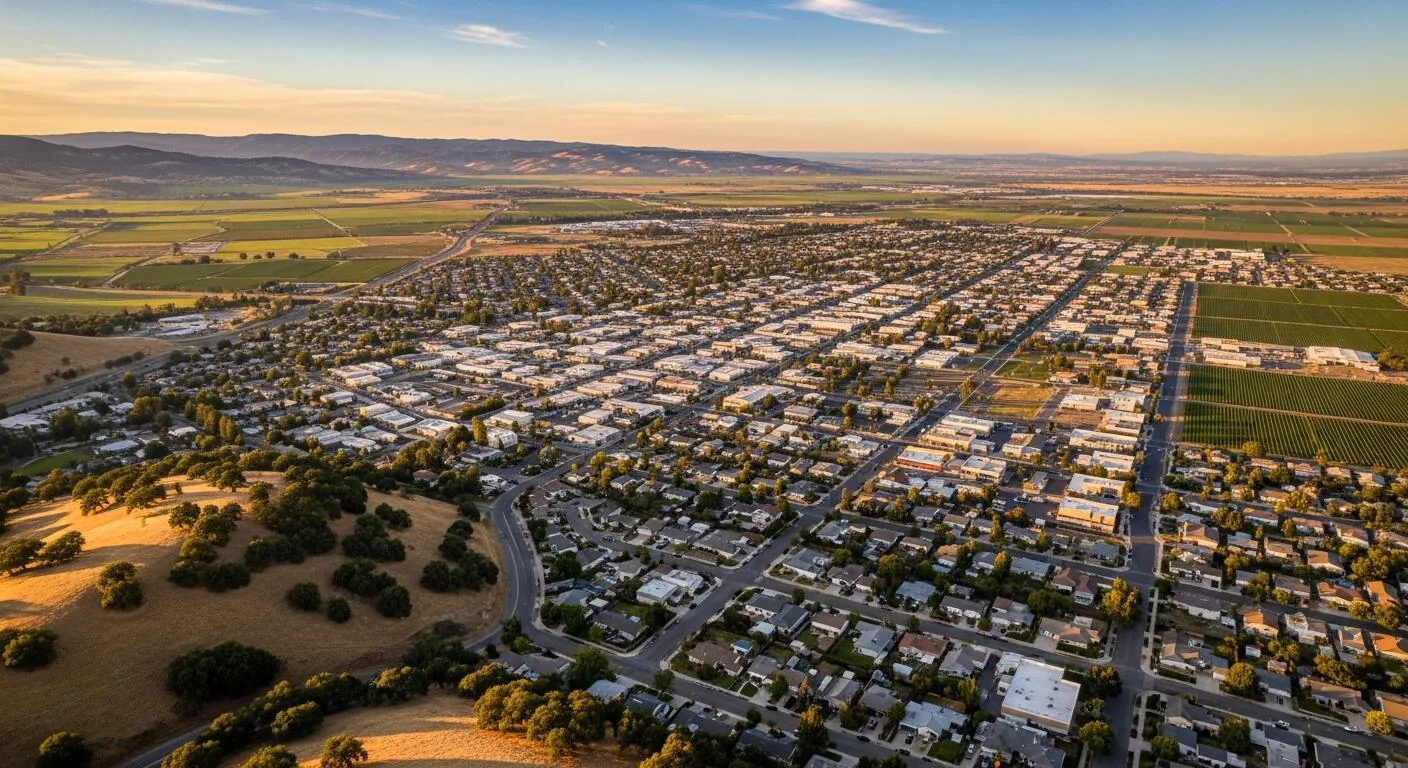
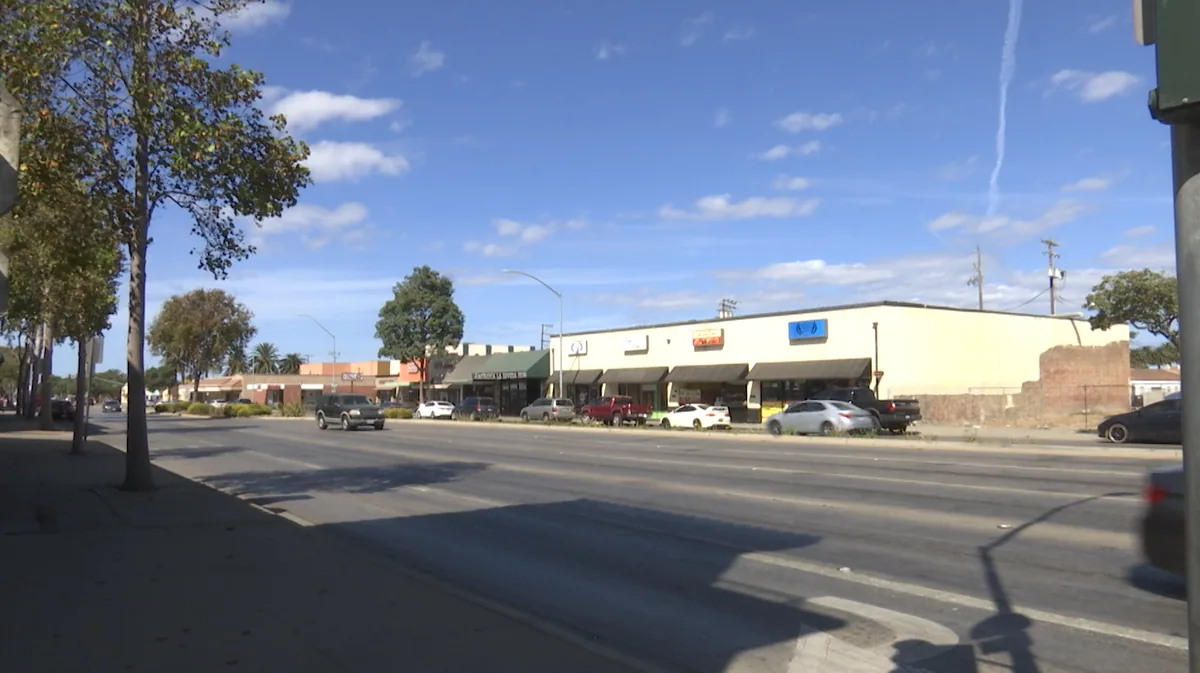
For an Enos Ranchos building, a seam beside a rooftop curb can set the repair boundary and the access window. We identify the roof zone, inspect the lap and curb flashing, and ask which space below needs to stay open. Enos Ranchos allows a varied land-use mix: regional and warehouse retail, corporate offices, auto-related commerce, schools, parks, and homes. That mix calls for a work plan tied to the property, the tenant, and the actual roof assembly rather than a single schedule for the whole area.
City records place commercial development near Betteravia Road and South College Drive, and the plan includes architectural and streetscape standards for development across Enos Ranchos. We confirm the building and roof section with the manager before setting a walk. A related Downtown Santa Maria property or Betteravia corridor needs its own access notes and roof record.
Retail and office: coordinate access below the roof
Public entries, deliveries, service counters, and rooftop equipment can affect where material is staged and which roof zone opens first. We ask the manager to identify operating hours, vendor access, tenant notice, and any route that cannot be blocked. If the work sits above a public or occupied area, we include protection below and a contact who can confirm conditions as the crew moves between sections.
The Enos Ranchos plan includes more than one type of use, so the work sequence follows the building's actual operation. We label roof sections from a plan or fixed reference points, then separate the reported leak from unrelated conditions. A newer roof addition may meet an older parapet, while an equipment curb can interrupt the same membrane field. We inspect those transitions before combining them into one proposal. A reroof sequence for an occupied property can set work zones and dry-in checkpoints around confirmed access limits.
Transition points: trace the lap beyond the visible mark
A curb corner can hold a split flashing that is hard to see from the roof access point. We check the counterflashing, membrane turn-up, and adjoining seam, then photograph the detail with the neighboring field sheet in view. At a parapet or wall, we follow the termination to the next change in material. The inspection note states whether the repair can stop at a sound surface or needs a closer opening.
KSMX's annual rainfall normal is 13.32 inches for 1991 to 2020; its 42-year record logs an average of 62.4 heavy-fog days a year. Roof preparation follows the actual substrate condition. On Enos Ranchos roofs, we inspect drains directly and check surface moisture before preparing a repair. A flashing repair review can define a curb or wall transition, while a drain and scupper inspection can isolate an outlet issue.
Water management: map outlets and low points
A drain bowl should sit where the roof directs water, with the membrane clamped securely at the opening. We look for debris, a loose ring, low areas beside the drain, and laps that interrupt the path. A scupper needs a clear opening and a watertight transition at the wall. We note where water remains and ask when it was last seen, which helps separate a short-lived puddle from a repeated drainage concern.
When extensive ponding continues beyond two days after rainfall, the code requires drainage analysis and corrective measures. We compare the manager's observation with the low-point and outlet map, then determine whether the finding affects a covering change or localized repair. Any City-reviewed covering project must clear the permit and pre-roof inspection, with written approval before installation. A drainage correction scope can describe outlet work independently before membrane work is priced.
Work window: protect entrances and keep a dry-in
The schedule depends on access, deliveries, surface preparation, and the protection needed under the active roof section. We agree where material will be staged and how the crew reaches each work area. For a property with tenants or public access, we identify which entrances stay open and who receives a notice if the sequence changes. The field plan names the temporary dry-in point if work pauses before the final tie-in is complete.
Fog or rain exposure does not determine the readiness of a particular substrate. Before bonding or coating, we check the actual surface and moisture conditions and follow the selected system's preparation requirements. If the surface is not ready, we record the hold and shift to work that can proceed safely. That decision affects labor, staging, and building protection, so the manager receives a revised sequence with the reason stated.
For a leak that needs immediate attention, crews can be sent outside regular business hours and on holidays. We keep water off the interior with temporary protection, then document the permanent work for a later window when access and preparation are ready. The service record should show which areas were accessed, what remains unresolved, and what needs the manager's approval. A commercial emergency roof response can move from immediate protection to a defined permanent scope.
Capital choice: compare the work the roof supports
A local repair may fit a single open seam, puncture, curb, or termination if the surrounding roof will accept a compatible tie-in. If several connected details have failed, we show the additional area and explain what evidence supports it. Recover and replacement options require a wider review of attachment, deck, moisture, drainage, retained layers, and edge height. The proposal states what is included and which test or approval could change the final work.
A new covering cannot proceed until Santa Maria's permit, pre-roof inspection, and written approval are complete. The City may examine structural support, deck condition, runoff, the existing roof's attachment, insulation moisture, and fire protection. We place these steps in the project sequence and keep an emergency repair separate from a new-covering scope. A TPO assembly review can address membrane-specific seams and terminations when that system is under consideration.
Closeout should preserve enough detail for the next manager to identify the building, roof zone, repair materials, and perimeter or drain work completed. We attach dated photographs, record any section we could not enter, and note follow-up tests that remain open. Those details give an owner a defensible comparison when a later inspection finds a new issue. A maintenance visit can then check the same repair boundary and show what changed since closeout.
Commercial Roofing Questions
How does the Enos Ranchos plan affect a roofing visit?
The plan identifies a mix of allowed uses and includes area-wide architectural and streetscape standards. We use the confirmed property and its operating rules to set access, staging, and protection. The actual roof walk establishes the assembly, drainage, and repair boundary for the building.
What should I send before a roof inspection?
Share the building identifier, roof plan, current leak location, earlier repairs, access route, and hours when the property can be entered. If equipment service or tenant activity limits a section, include the contact who can approve a closer test. That lets us define the inspection area before arriving.
Can a stain in an office or retail space identify the roof opening?
The ceiling mark guides the first check, though water can move under the membrane or around a flashing before it surfaces indoors. We inspect nearby details and connect photos to the roof zone. If the evidence stops short of the entry point, we state what test would clarify it.
When does ponding affect the roof-covering scope?
If pooled water remains beyond 48 hours after rainfall, municipal rules require a drainage analysis and corrective work. We map the affected low area, check its outlet and slope, and explain what must be resolved before a new covering is considered.
Can you respond when a leak happens after business hours?
Yes. Crews can take an urgent call at night or on holidays. We shield interior contents with temporary roof protection; a later work window addresses the permanent repair once access and preparation are ready. The closeout separates the initial measure from the lasting work.
Related
Plan the next roof visit
Tell us about the building and what you are seeing on the roof. Request a roof assessment and we will set up a time to look at it.