
Commercial Roof Drain and Scupper Repair in Santa Maria, CA
Schedule a drain and scupper inspection
Tell us which outlet is backing up, how long water remains and whether interior leaks are nearby. We will map the roof path and separate cleaning from repair or drainage design.
Request a roof assessment or call 555-555-5555.
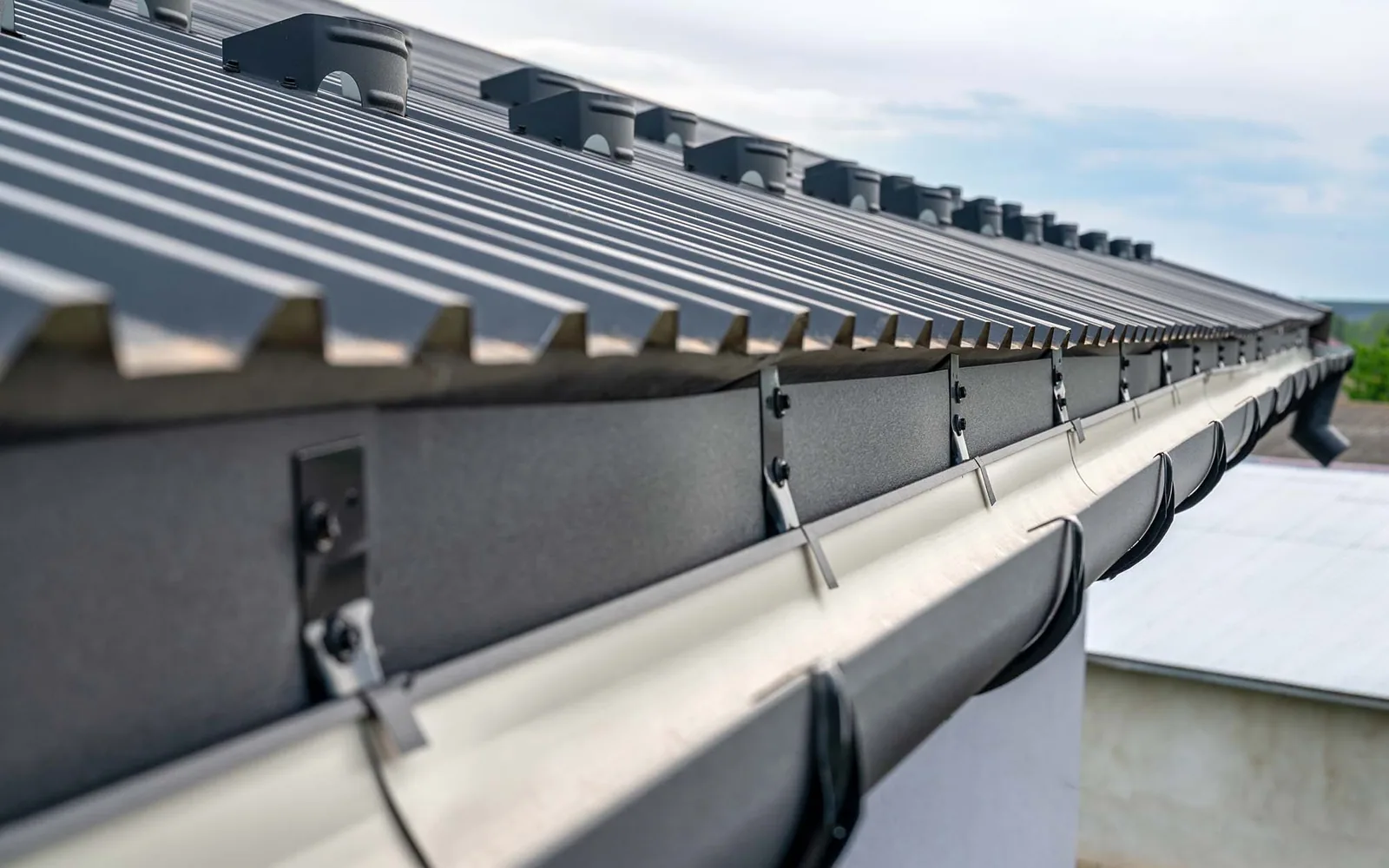

A drain complaint may come from debris, a damaged bowl, a high outlet, a clogged leader or a roof low point that has no clear route to discharge. We inspect the drain assembly and nearby membrane, then map the direction water travels across the roof. The manager receives a distinction between routine cleaning and a physical correction that needs separate approval. The ordinance triggers a drainage study and corrective measures when extensive water remains for longer than 48 hours after a storm. The rule makes depth, area and duration relevant to the review; a photograph immediately after a storm cannot answer all three. The roof inspection can assess the surrounding surface when one outlet is part of a larger drainage concern.
Trace the route from high point to outlet
We begin at the roof area that sheds water toward the reported drain, following slope changes, crickets, seams and equipment curbs. A surface may look flat but still direct flow to a bowl or scupper. Ponding can also reveal a depression or blocked path that does not appear in a dry photograph. We document the outlet type, strainer, clamping ring, drain body and accessible leader connection, then check whether any overflow route is clear. Where interior staining appears near a drain, we compare it with the roof-side condition rather than assuming the bowl is the leak. The leak trace can investigate water entry that follows a hidden path. We leave the outlet functional during work and identify any temporary protection that could redirect runoff.
Repair the connection, not just the visible ring
A drain repair can involve the membrane tie-in, bowl, clamp, flashing or downstream plumbing. We identify which part is accessible to the roofing crew and which condition needs a plumber or other trade. On single-ply roofs, the membrane around the bowl must remain compatible and properly secured. Modified-bitumen and built-up systems have different tie-in details, while metal gutters and scuppers need room for movement and an unobstructed discharge. A bead of sealant over a loose ring does not correct a failed connection. The written scope names the area opened, materials installed, outlet tested and any concealed section left uninspected. The TPO system overview helps identify common membrane details, and general repair can handle related seams or flashing when included.
Keep primary and overflow paths distinct
A roof can have a primary drain and a separate overflow scupper, each with a different role. We look for screens, debris, corrosion, loose metal, damaged flashing and signs that water is crossing a wall or parapet. The scupper throat should not be blocked by patch material or temporary roofing work. If water stands because the overflow is set too high or the low point has shifted, cleaning alone will not fix the route. We document both the outlet and the surrounding surface so an owner can decide whether to approve a local correction or request broader drainage review. The coping and gutter inspection can check perimeter details at the same time. Any change to an outlet needs coordination with roof height, metal termination and connected drainage below.
Use rainfall records as context, then measure the site
NOAA lists 13.32 inches as the 1991 to 2020 annual precipitation normal at the Santa Maria Public Airport KSMX station. The same station recorded 21.52 inches during 2023, a separate calendar-year observation. We inspect the low point, check available water marks, and ask when the surface was last observed. The KSMX station's 42-year record shows a yearly mean of 62.4 days with heavy fog. We schedule close work when the roof can be observed safely and record whether the drainage path is dry, active, or temporarily blocked. The report notes whether debris is isolated to one bowl or has collected along the feeder route.
Choose a repair that matches the cause
When debris blocks the strainer, scheduled cleaning may be enough. A loose membrane flange may need a system-compatible tie-in. A high bowl, damaged leader or inadequate slope can require a designed correction and coordination with plumbing or structural trades. The proposal states which outlet is addressed, what roof area is opened, whether the work affects an overflow and how the finished path will be checked. It also states what cannot be known without opening concealed layers. Santa Maria’s reroof inspection evaluates drainage and the existing covering attachment before a new roof covering is applied, so an outlet plan can matter during replacement as well. The recover review checks finished height at drains, while replacement planning considers the entire roof assembly and permit sequence.
Keep a repeatable drain schedule
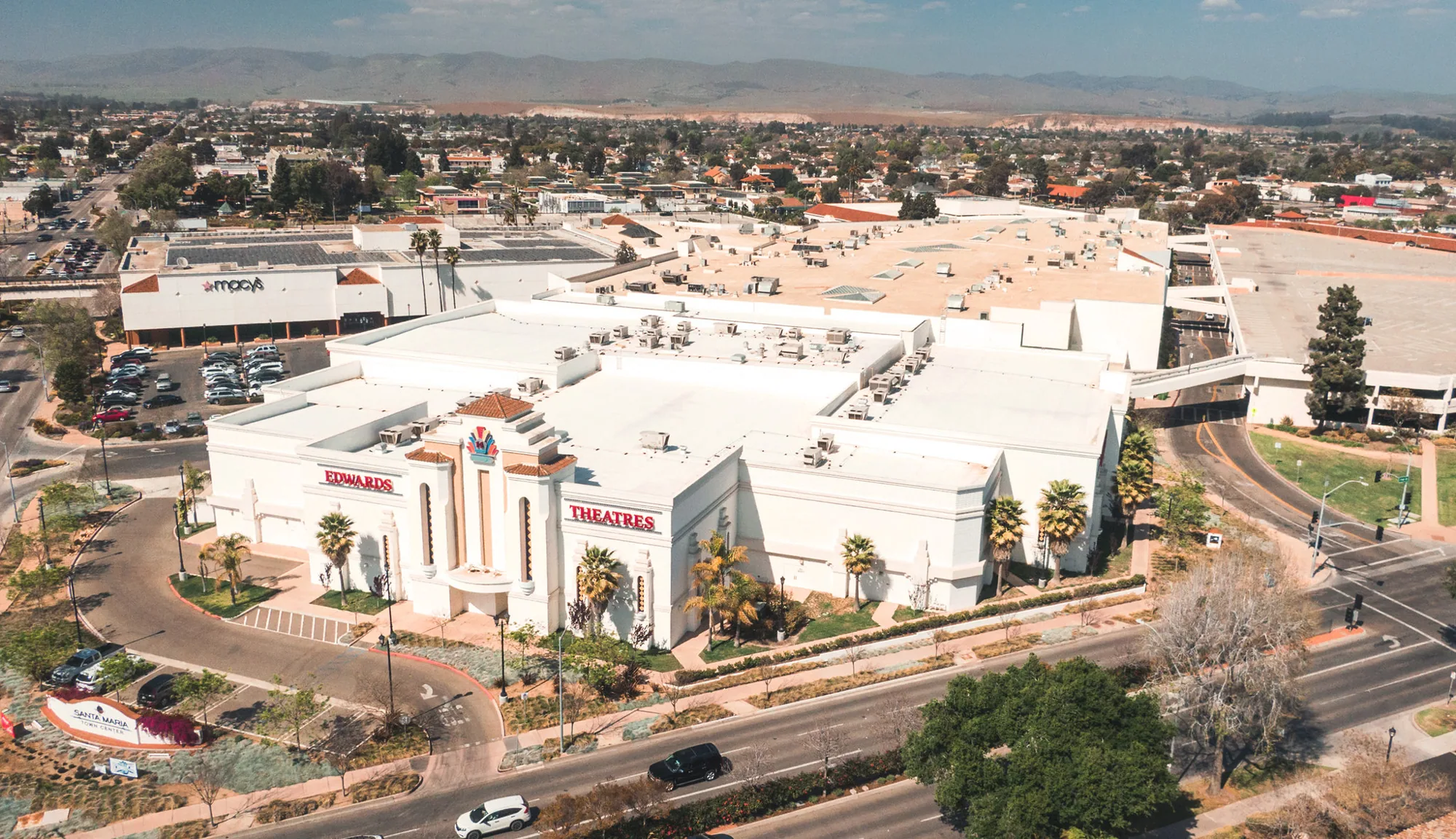
A useful maintenance record identifies each outlet by a plan grid, records the date it was cleared, records conditions around the bowl and flags any recurring standing water. The manager can compare the next visit with that same point rather than rely on a general statement that drains were checked. We also record roof sections the crew could not reach, construction debris that returned after a project, or damage caused by service traffic. Santa Maria’s commercial and institutional building mix includes retail, manufacturing, health care, agriculture and education uses. Those operations can affect roof access and hours, but the contact confirms the restrictions of each property. The maintenance visit can include outlets on a recurring cycle, and the North Broadway corridor review starts with the actual building route, staging area and access approval.
Drain records are most useful when they distinguish a clean bowl from a functioning outlet. We record whether the strainer was in place, water could reach the bowl, the overflow path stayed open and the connected leader showed an observable discharge. If the lower piping is concealed, the report says so instead of assuming the full line is clear. Debris from nearby tree work or construction can return soon after a visit, so managers may want a follow-up after a separate trade completes. Where roof access requires an escort, we schedule the inspection with the same contact who can open the building and confirm ladder placement. At a property in Airport Business Park or West Main, the owner identifies the access rules and the roof walk records the staging route. On a portfolio, a map key should remain consistent across buildings so a drain labeled north-east corner means the same thing to the next crew. That simple handoff reduces repeat diagnosis and keeps cleaning, plumbing and roof repairs in their correct scopes..
North Broadway Commercial Corridor and West Main Specific Plan Area are broad Santa Maria locations; the drainage assessment still follows the individual roof slope and outlet plan. When the manager reports recurring ponding, we record the date, affected zone, estimated duration and whether rain had stopped. A repeat observation after dry weather can show whether the concern is a blocked route or a persistent low point. The service proposal states which observation would change the correction option.
Commercial Roofing Questions
Does cleaning a drain fix ponding?
It can restore flow when debris is the obstruction. If the outlet is high, the slope is inadequate or the membrane tie-in has failed, a separate correction is needed.
When is drainage analysis required?
Santa Maria code calls for analysis and corrective measures when extensive ponding remains more than 48 hours after rain. We document the observed area and timing for the owner’s review.
Can you repair the plumbing below a roof drain?
We can inspect and repair roofing connections within the approved scope. A concealed or below-roof plumbing condition may require a licensed plumbing contractor.
Will a new roof change drain height?
Added roof layers can change the relationship between finished surface and outlet. A recover or replacement proposal should evaluate bowl height, overflow clearance and tie-in details before installation.
Plan the next roof visit
Tell us about the building and what you are seeing on the roof. Request a roof assessment and we will set up a time to look at it.