
Cold Storage Roofing in Santa Maria, CA
Coordinate a cold-storage roof review
Share the equipment layout, access rules, leak history, and operating holds. We will inspect the membrane, insulated transitions, curbs, and drainage, then document the repair boundary and trade coordination needed.
Request a roof assessment or call 555-555-5555.
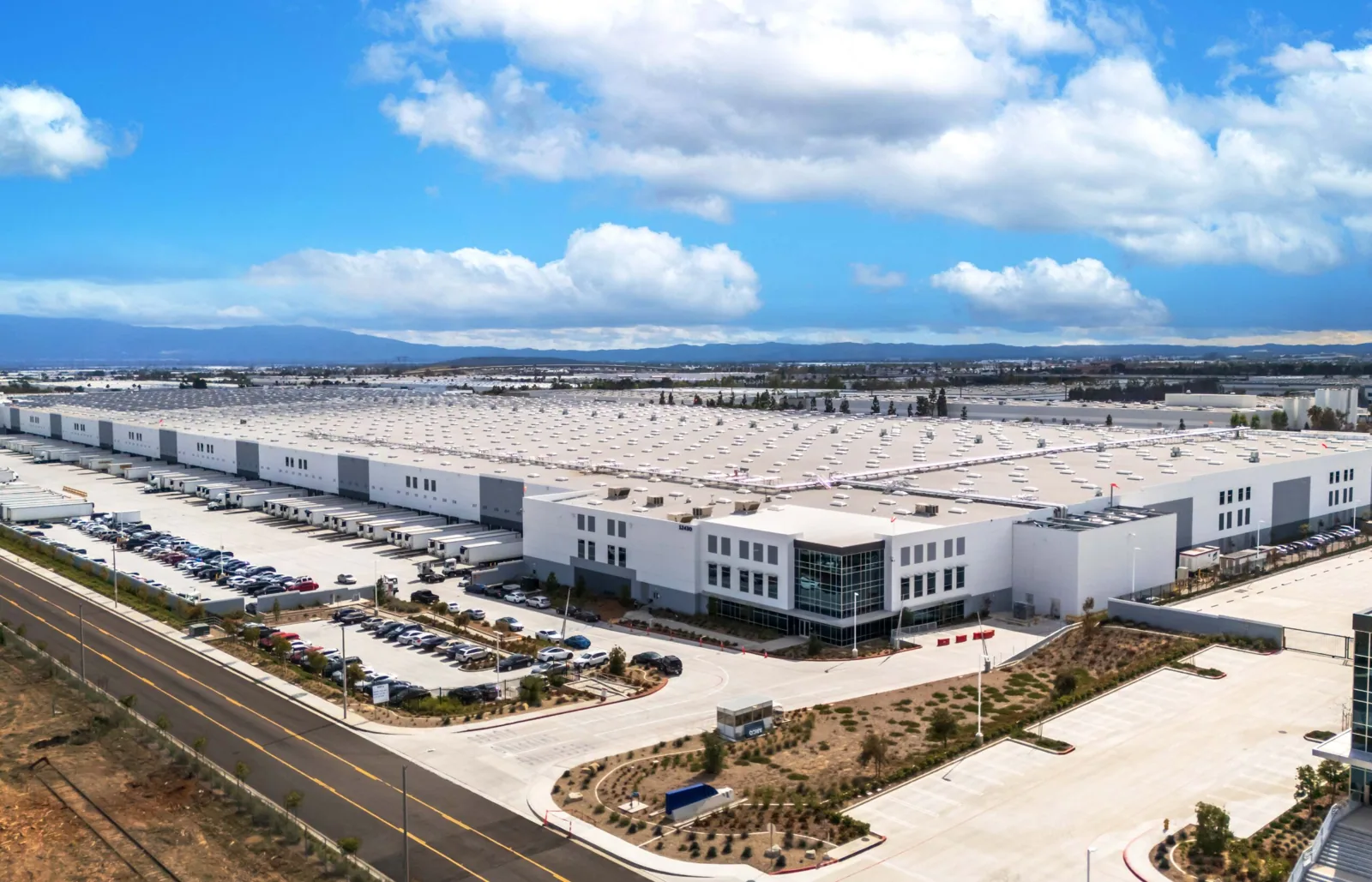
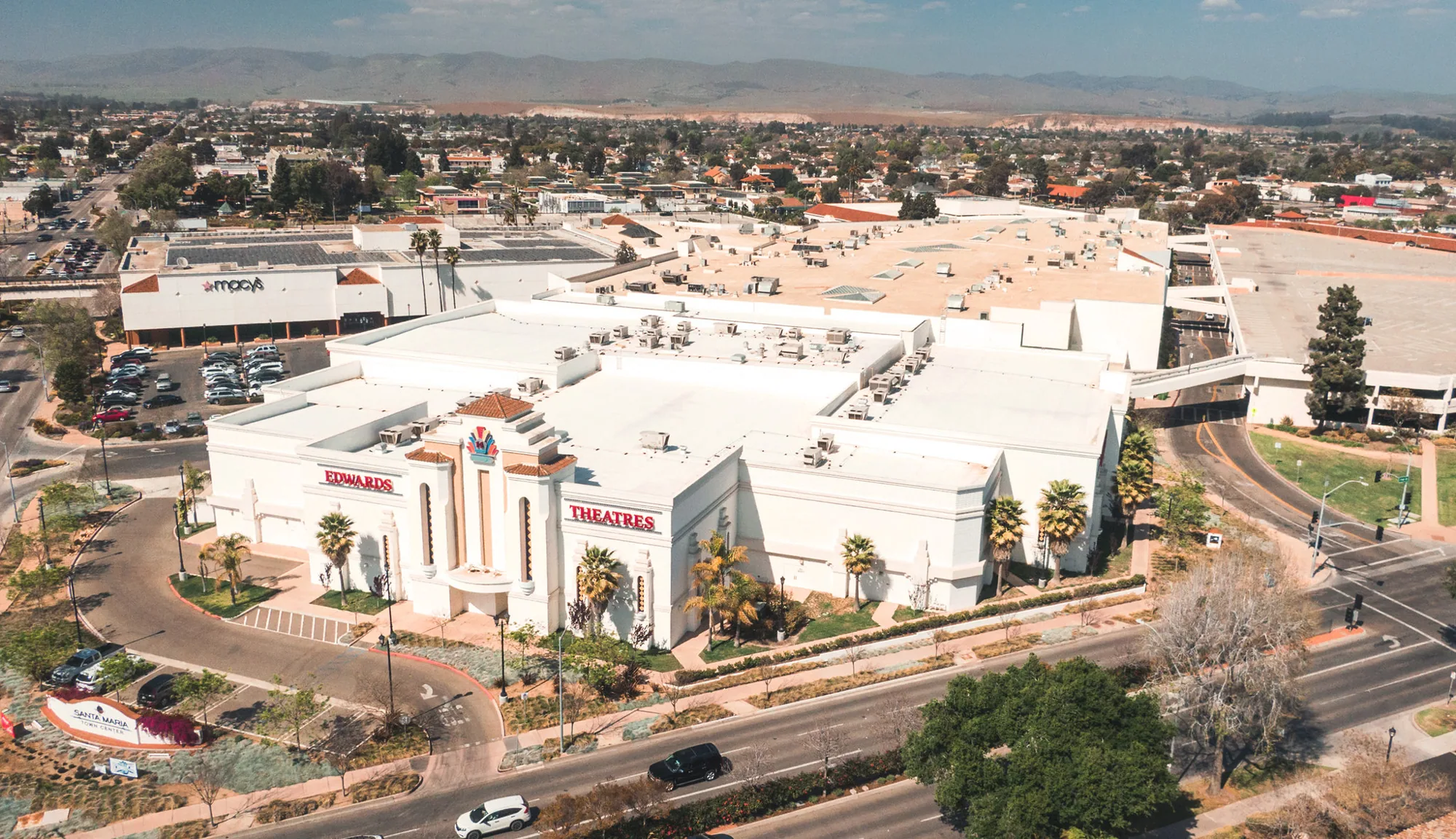
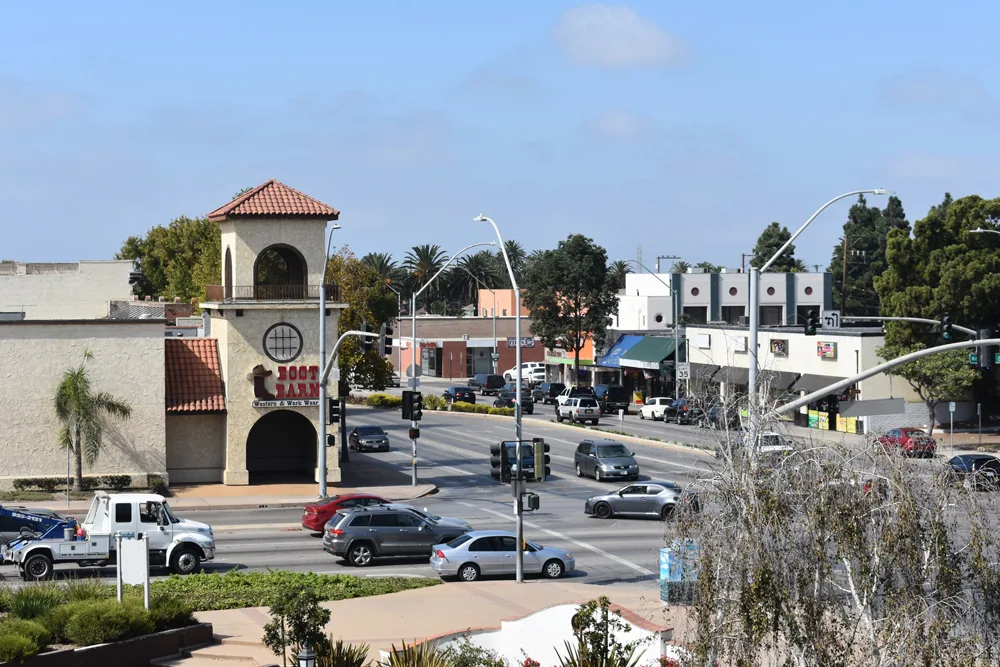
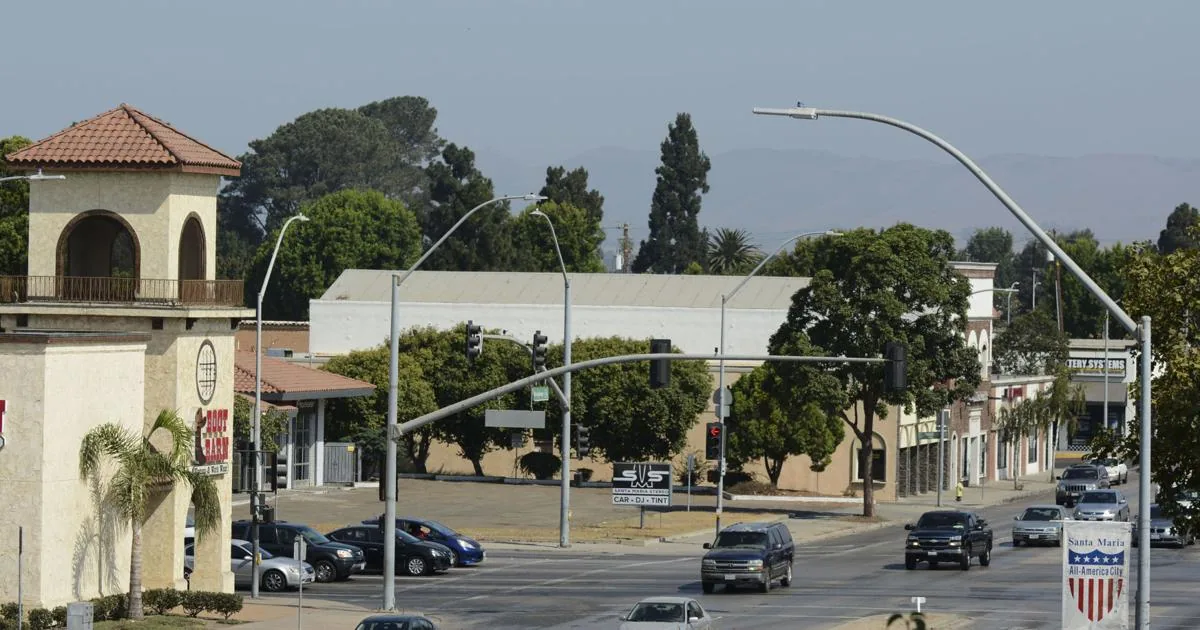
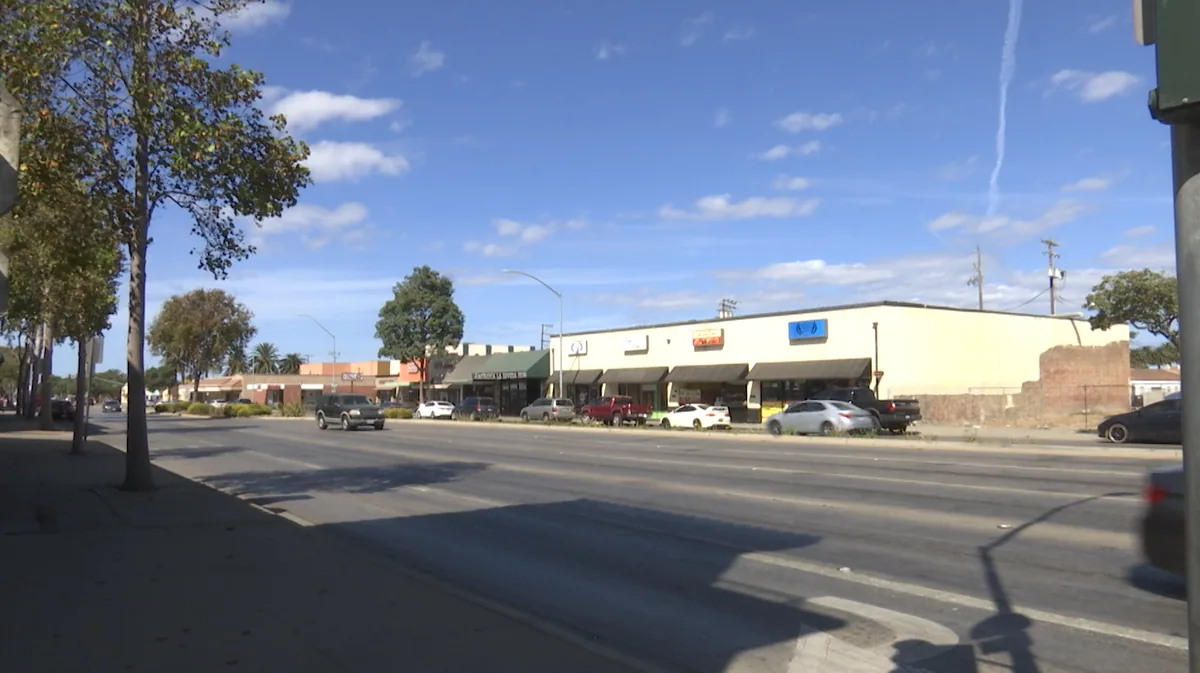
A refrigeration curb detail has to stay separate from the equipment connection. In Santa Maria, CA, we inspect the flashing, membrane, insulation edge, and drain path before opening a cold-storage roof. Betteravia Industrial Park is planned for light manufacturing, and Santa Maria Airport Business Park planning includes specialized manufacturing and laboratory uses. Where refrigeration operations affect the roof walk, we record access to equipment, panel joints, and nearby penetrations before defining the inspection area.
Cold rooms and freezer areas make a roof leak an operations issue as well as a membrane repair. Water near a panel joint or ceiling can affect stored product, sanitation, and temperature control. We locate the roof zone above the report, inspect adjacent penetrations, and agree on interior protection before testing or removal. A condition map keeps the refrigeration contractor's work distinct from the roofing scope and shows the manager where each trade must coordinate.
Assembly: protect insulation continuity
We inspect the membrane, cover board, insulation edges, vapor retarder where accessible, and deck condition as one assembly. A roof leak near a freezer may travel along a joint before showing at the ceiling. We compare the interior symptom with drains, curbs, wall transitions, and any recent equipment work. If the layers cannot be confirmed at an edge or record, we identify a test opening and plan its weather protection before cutting.
We review available assembly records and inspect vapor-control transitions before planning a repair that could affect them. We verify the actual assembly and note any visible gaps or damage at a penetration. When a refrigeration line or unit must be isolated, that approval remains with the mechanical contact. A roof inspection can map the condition, while roof work in Betteravia calls for the same access and equipment checks.
Inspection: trace moisture to its source
Cold storage can complicate leak tracing because condensation, roof entry, and process water may appear near one another indoors. We record where the moisture appears, whether it follows a panel joint, and whether a roof penetration or lap is above the location. The report separates observed water from a suspected path. If an infrared survey is useful, we identify the comparison area and any weather or equipment effects that could alter the reading.
At KSMX, Santa Maria logged 21.52 inches of precipitation in 2023, a single-year station reading. We inspect low points and outlets directly. Broad ponding still present two days after rain calls for drainage analysis and corrective action under city code. A drain and overflow review can be scoped apart from membrane repairs.
We check the perimeter at insulated wall transitions and metal terminations for movement, open sealant, or a gap that exposes the assembly. At equipment bases, we distinguish flashing conditions from curb insulation or mechanical connections. The moisture survey can help target a sample when its result will change the proposed repair. No instrument reading replaces an opening when the concealed layers must be confirmed.
Repair options: restore the detail that failed
A compatible membrane repair needs a dry, prepared surface and sound material beyond the opening. We clean and test the lap, shape flashing at the curb, and verify the termination rather than coating across a loose transition. If insulation is wet or the deck is compromised, the repair boundary may need to extend farther. The proposal identifies removal and replacement layers separately so the manager can see what is confirmed and what depends on a test cut.
Where the same detail has been patched repeatedly, we compare repair history with moisture evidence and equipment changes. A larger assembly review may be more useful than repeating an isolated sealant bead. A manufacturing plant roof review can help coordinate process penetrations, and a warehouse roof assessment can compare staging and loading constraints. System selection is based on the substrate and project specifications, not the room temperature alone.
Timing: coordinate temperature and access holds
Before work begins, we agree on which rooms or equipment must remain in service, how interior protection will be handled, and where a lift can stand without blocking deliveries. The crew limits the open roof area and records the dry-in point at each shift. If an active refrigeration unit must be stopped or disconnected, the facility's trade lead sets that hold. We schedule the flashing sequence only after the responsible contact confirms the equipment boundary.
Code sets a specific gate for cold-storage reroofs: a permit, city inspection, and written clearance before the new covering is laid. We reserve that interval before insulation and membrane close the assembly. Inspectors may assess framing, deck condition, drainage, retained layers, moisture, and fire protection. Test cuts can clarify the recover decision before we schedule the closing work.
A roof emergency can be called in at any hour, weekends included. For a cold room, our first task is to limit water entry and shield the interior; we then record temporary covering and the permanent assembly repair that remains. For cold storage, a manager may need to coordinate with refrigeration and sanitation contacts before we can safely open a detail. A commercial emergency repair is planned around confirmed access rather than an unverified arrival promise.
Records: keep roofing and refrigeration work aligned
We record each repaired curb, pipe penetration, drain, seam, and wall termination on the roof map. Photos show both the close detail and its position over the building. The manager can attach refrigeration service notes or a line relocation record to the same location. If a new symptom appears later, the record helps distinguish a changed equipment connection from an older membrane condition without assuming either one caused the moisture.
A maintenance visit can review flashings, laps, drain bowls, and exposed walk routes after equipment service. We label items as completed repair, monitor, or follow-up test. A condition report keeps those observations available for capital planning and inspection scheduling. The record should state which roof sections were inaccessible so the manager can close that gap during the next approved window.
Cold-storage roof work can affect product handling and energy use, so a proposal should make the work boundary legible to both facilities and refrigeration staff. We identify expected removal, replacement layers, temporary protection, inspection holds, and trade responsibilities. If a concealed condition changes the assembly, we stop at a defined point, document it, and price the added work for approval before continuing beyond the protected area.
Commercial Roofing Questions
Can roof work proceed while refrigeration stays online?
Equipment clearance and flashing condition set the shutdown requirement. We inspect the curb and line connection, then identify the area that can be opened safely. The refrigeration contact controls isolation and restart; our scope covers the membrane and flashing. If the connection cannot be separated, we schedule a confirmed service window before removing material.
How do you distinguish roof water from condensation?
We compare the interior location and timing with roof drains, seams, penetrations, and equipment connections. The report identifies observed conditions and the next test that could narrow the source. A roof reading is not enough to assign responsibility where refrigeration piping, panel joints, and the membrane meet.
What happens if insulation is wet below the membrane?
We mark the affected area and request a sample opening only when it can confirm the material and deck condition. Wet layers may need removal before a new covering is installed. The proposal separates known membrane work from any replacement area that cannot be established until the assembly is opened.
Which records help plan a cold-room reroof?
Roof plans, equipment layouts, prior leak reports, service notes, and access rules help define the work boundary. We compare them with field conditions, identify the permit hold, and list any refrigeration shutdown or interior protection required. That gives facilities and mechanical teams one sequence to review before the roof is opened.
Plan the next roof visit
Tell us about the building and what you are seeing on the roof. Request a roof assessment and we will set up a time to look at it.