Roofing for Real Estate Investors in Santa Maria, CA
Review a commercial roof before the next decision
Share the property address, available roof records, access limits, and acquisition or budget dates. We will inspect the accessible assembly, map findings, and identify repairs, testing, and permit holds that affect the next scope.
Request a roof assessment or call 555-555-5555.
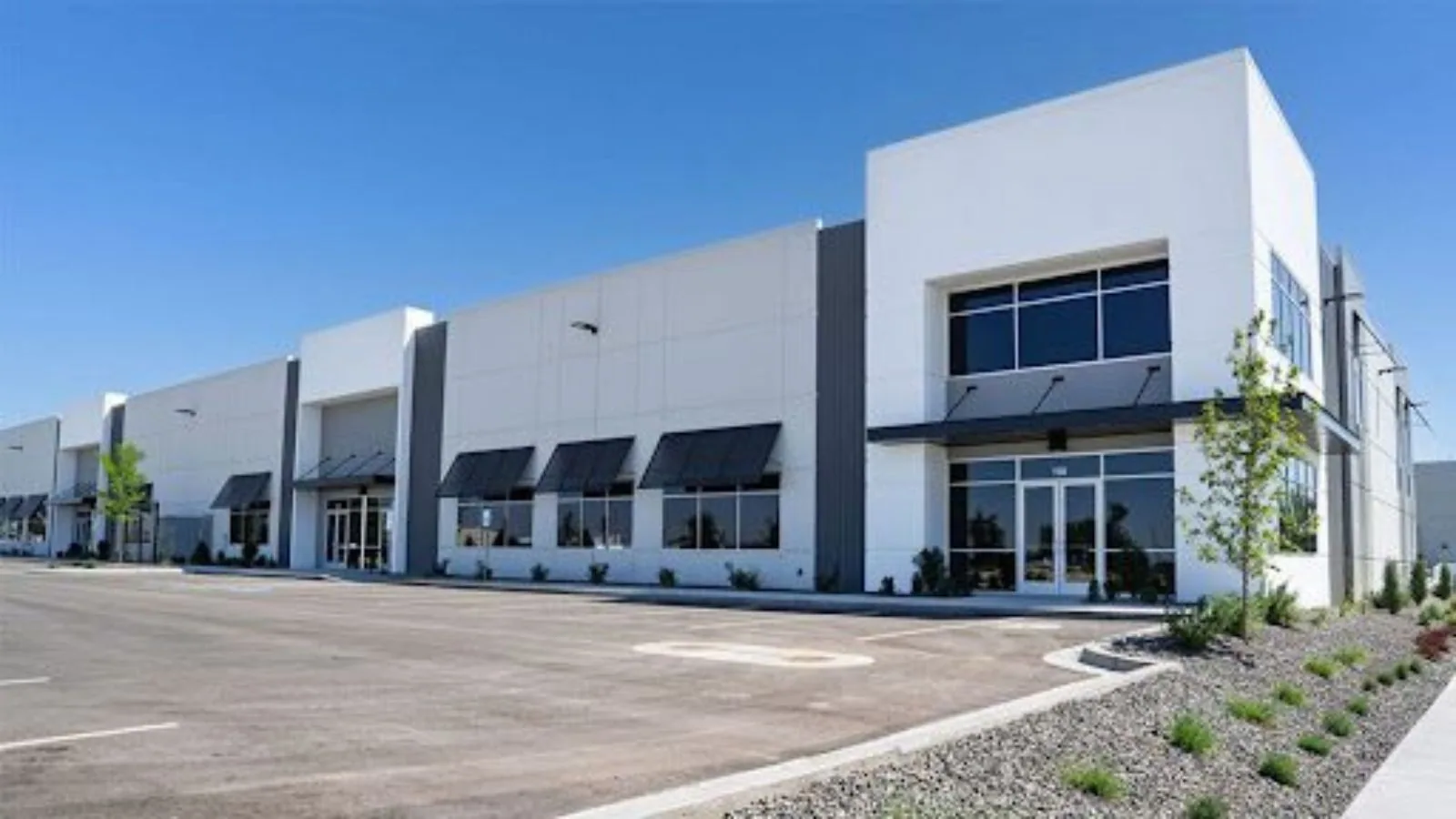
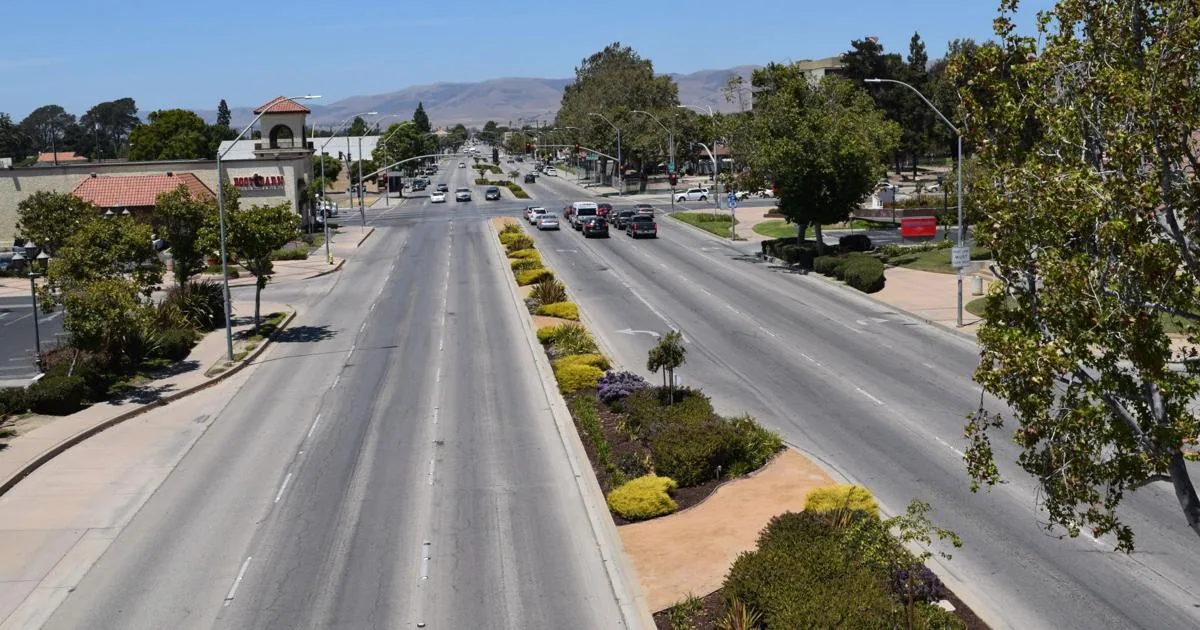
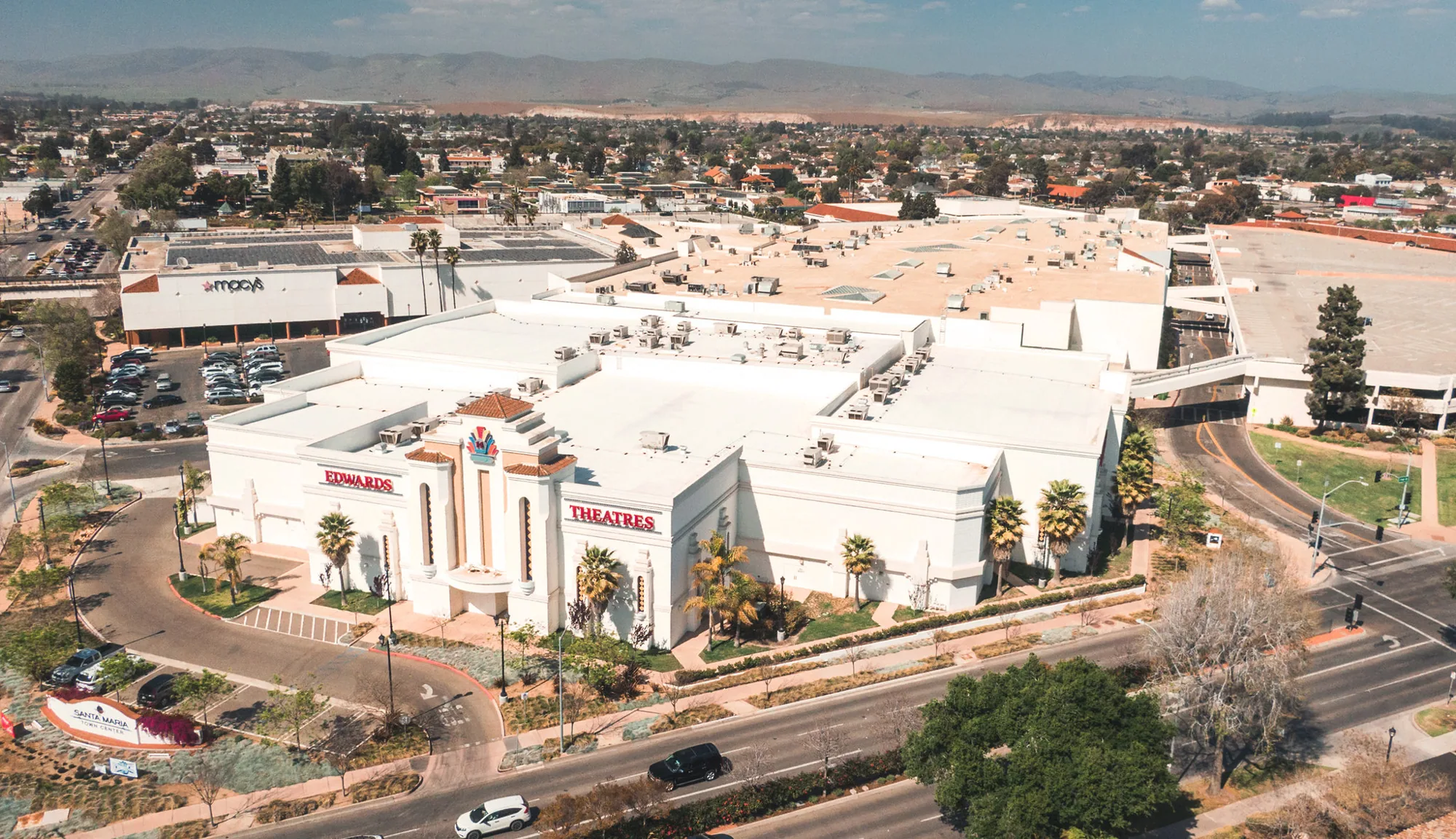
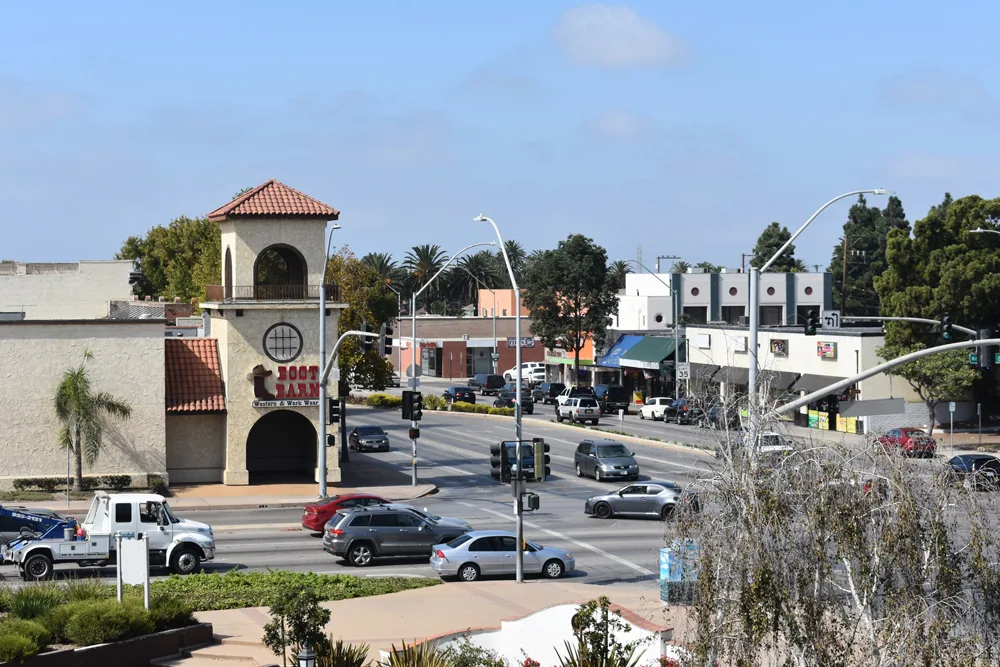
A seam that has opened beside a rooftop curb can change the repair budget long before it changes the rent roll. For an investor evaluating commercial property in Santa Maria, CA, we inspect the membrane, transitions, drains, and visible substrate before assigning a repair boundary. The Airport Business Park plan includes manufacturing, research, airport services, and office uses; Downtown Santa Maria allows retail, food, hotel, and mixed-use categories. Neither planning description identifies a target property's roof assembly.
Acquisition teams need the visible condition, the records behind it, and the questions that could alter the number. We photograph roof zones, compare repair history, note access limits, and state where moisture testing or a test opening would clarify concealed layers. A roof due-diligence survey can distinguish a priced repair from an allowance that still depends on access or testing. That difference helps the buyer keep roof assumptions connected to evidence.
Inspection: test the condition behind the file
A seller's invoice can show that a repair took place, but the roof walk shows where it ended. We compare the marked work area with nearby seams, wall turns, curb corners, drains, and any interior report. If a patch covers a broader wet area or a termination remains loose, we document the new boundary and the evidence needed to price it. A commercial roof inspection records what is visible and what remains concealed, so a buyer can avoid treating a line item as proof of a complete roof condition.
Santa Maria's KSMX station lists a 13.32-inch annual precipitation normal for 1991-2020. For an acquisition, we pair that station normal with the roof-zone findings from the inspection. On the building, we inspect drainage paths and look for persistent ponding, open laps, or water that can move under the membrane. For an acquisition, Santa Maria's drainage rule creates a separate decision when broad ponding persists past the 48-hour mark after rain: analysis and corrective work are required. That requirement can affect the scope and schedule attached to a new covering.
Repair options: price what the roof can support
A local patch may be the right work when the sheet is sound, the substrate is dry, and the affected detail can be prepared for a compatible repair. We record that limit separately from isolated damage nearby. If multiple zones show movement, wet insulation, or repeated seam failure, we compare repair with recover or replacement after confirming the existing layers and attachment. A recover assessment can identify tests and permit questions before the buyer treats an overlay as a settled capital assumption.
Cost changes with removal depth, deck access, insulation condition, equipment curbs, edge metal, drain corrections, and the hours available to stage work. A price also changes when tenant protection or limited roof access narrows the daily work area. We identify those drivers in the scope and distinguish firm visible work from conditions that would require a change after opening the assembly. The buyer can then compare proposals on the same repair boundary, rather than comparing totals that include different assumptions.
Timing: put permit holds into the acquisition calendar
Santa Maria requires a building permit before a new covering is applied, plus a pre-roof inspection and written approval. The review may include the structure, deck, drainage, attachment of the existing covering, damp insulation, and fire-retardant requirements. We place that hold before installation in the schedule and identify the records or openings needed to make the inspection useful. An acquisition closing date does not remove the hold, so a roof project scheduled soon after transfer should include time for review and dry-in planning.
Fog also affects surface preparation and bonding. NOAA's KSMX series spans 42 years; the average is 62.4 heavy-fog days per year. The 42-year station average helps frame planning, while we set work timing from actual surface and substrate conditions. We confirm the substrate and surface conditions before applying a repair or coating, then set a work window the material can support. For a building that must stay open, a phased reroof plan can define daily limits, staging, and tenant communication before crews begin.
Materials: identify the assembly before comparison
A membrane name alone does not tell an investor whether a repair will bond or whether an overlay can be attached. We identify the existing system where records and visible details support it, then check laps, terminations, cover board, insulation, and deck conditions. For a replacement comparison, assembly options should account for rooftop equipment, drainage, traffic, and the building's operating schedule. A TPO roof assembly may suit one property, while another calls for a different membrane or a metal repair. The field conditions guide that discussion.
Records should also state what is uncertain. A small test opening may verify layer count, attachment, or wet insulation when that information changes the repair choice. We note the location, interior protection, and patch-back method before making the opening. That gives the owner a clear record of what was checked and keeps a concealed-condition allowance from being mistaken for a confirmed defect. Any repair recommendation remains tied to the specific roof area observed.
Maintenance: protect the value of the record
After closing or repair, the next useful document is a roof-zone map with dated photographs, completed work, drain conditions, and unresolved items. A new asset manager can then tell which observations belong to the previous inspection and which need a fresh check. A capital roof plan can organize repair priorities and replacement timing by property, while keeping each decision tied to condition rather than an assumed lifespan.
For assets near Betteravia Industrial Park, City planning describes light-manufacturing lots and building-review guidance. Those planning details speak to the area's use, not a particular roof. A property management roof register can connect findings across the portfolio, while hotel owners may need separate operating-hour notes. We confirm the roof's access points, trade routes, seams, penetrations, and drainage directly. Emergency response is available at any hour, including holidays; a temporary measure can limit active entry while a permanent scope is prepared. The record should identify the temporary work and the next inspection needed to close the issue.
Commercial Roofing Questions
What should a buyer expect from a roof survey before closing?
A useful survey maps accessible roof zones, describes the assembly where it can be confirmed, photographs visible conditions, and lists testing that could change the scope. We separate urgent water entry from future capital work and state the access or records that were unavailable. That gives the buyer a defined basis for an allowance or follow-up inspection.
Can a recent patch be treated as a completed roof repair?
The repair boundary and its surrounding details decide that. We compare the invoice or marked area with current seam, flashing, and substrate conditions, then record whether nearby moisture or movement remains. If the original scope did not include those details, the buyer gets a separate finding rather than an assumption that the patch covered them.
Which hidden conditions can change a replacement budget?
Layer count, wet insulation, attachment, deck condition, and drainage can change removal and installation work. We identify where a test opening or records review would answer those questions, along with the interior protection needed. The estimate can then distinguish visible work from a concealed condition that still needs confirmation.
How soon can a new roof covering begin after purchase?
The permit and required pre-roof inspection with written approval come before the new covering. The project calendar also needs time for access, staging, surface preparation, and a suitable dry-in sequence. We review those holds with the buyer or facilities contact so the start date reflects the actual roof and building use.
Plan the next roof visit
Tell us about the building and what you are seeing on the roof. Request a roof assessment and we will set up a time to look at it.