
Acrylic Roof Coatings in Santa Maria, CA
Arrange a coating review
Share access and operating limits. We will inspect the existing roof, seams, drains and flashing, then document preparation and repair boundaries before pricing an acrylic system.
Request a roof assessment or call 555-555-5555.
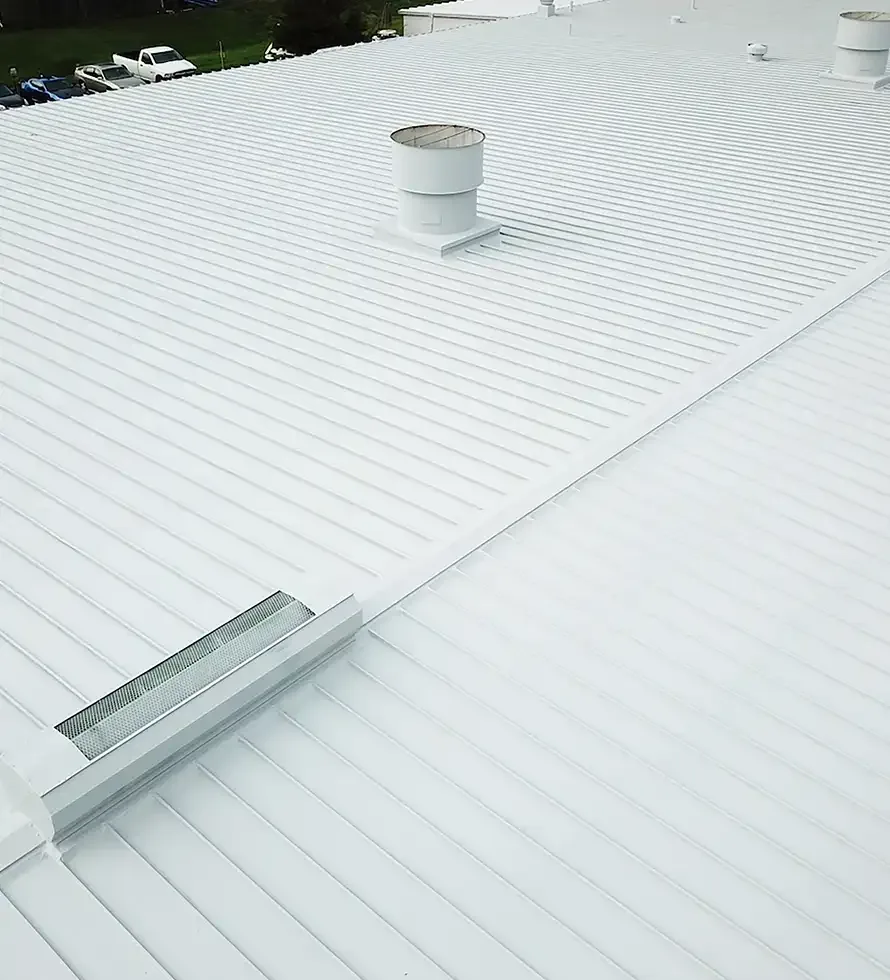

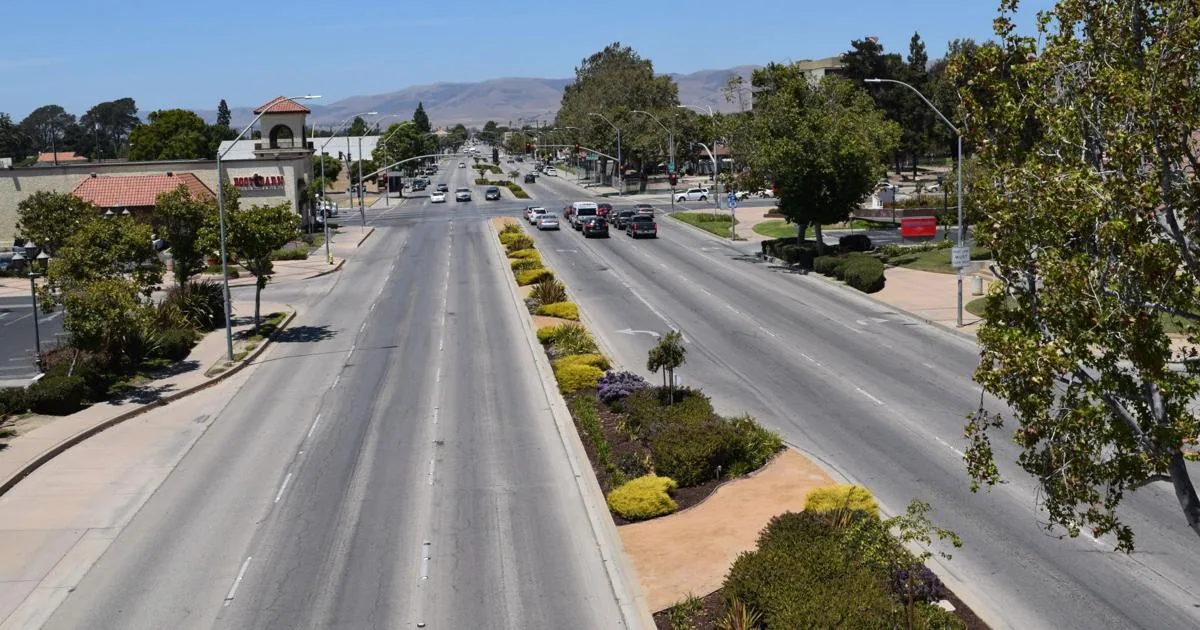
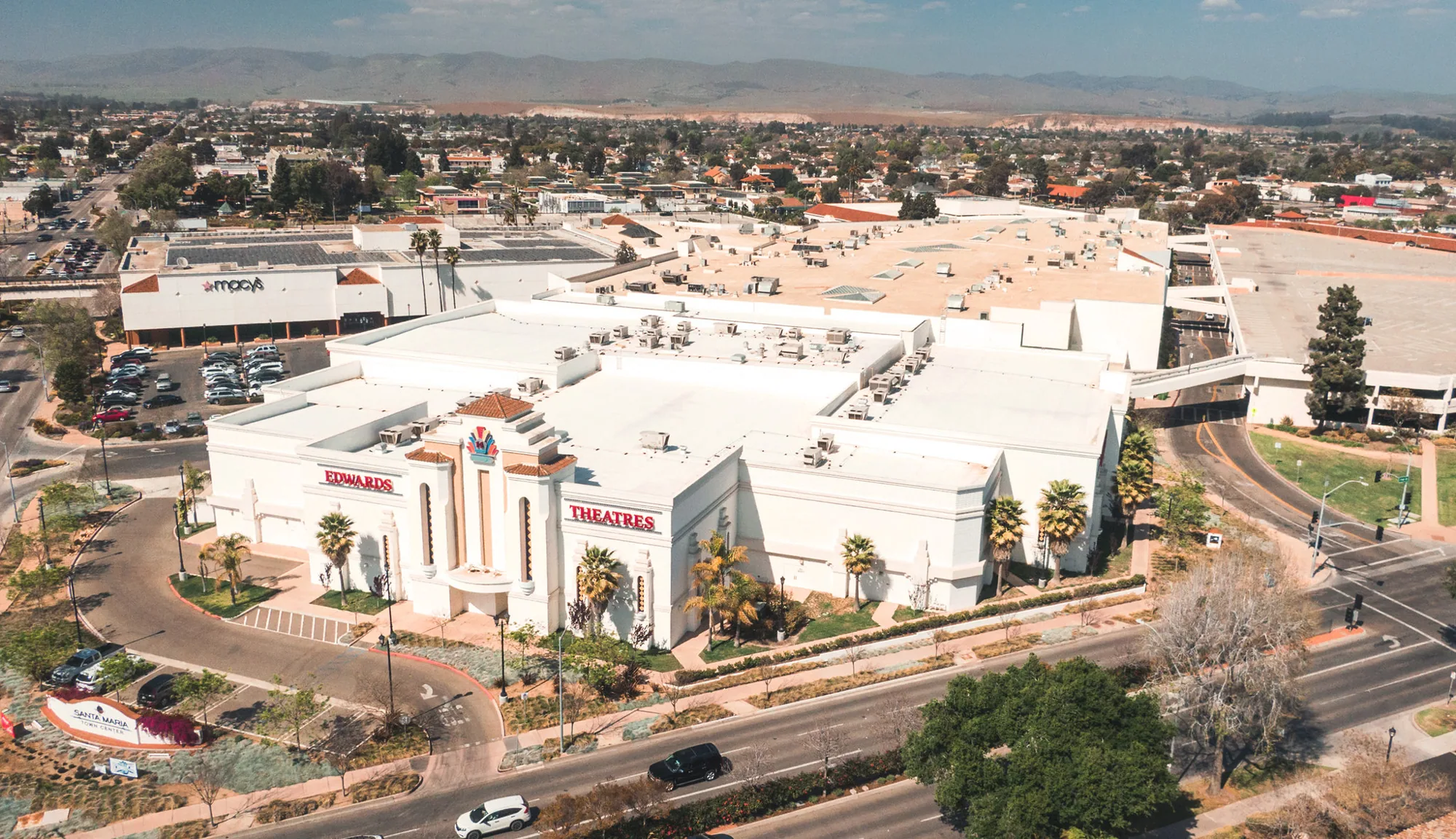
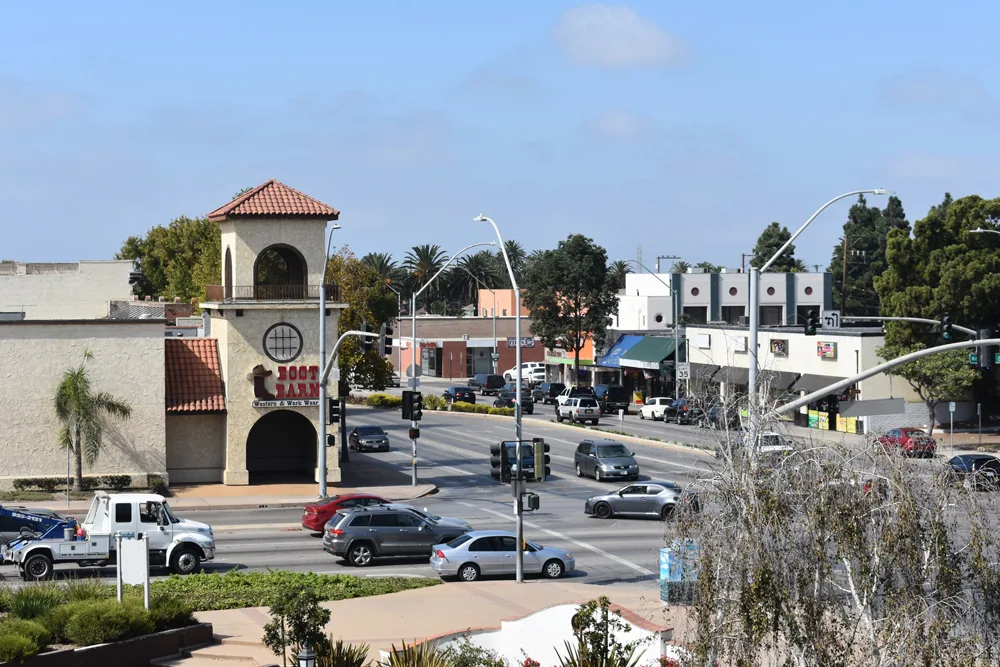
Acrylic film lifting at a wall termination exposes the roof edge even when the field looks uniform. In Santa Maria, CA, we inspect the termination, surrounding seams, and drain route before deciding whether an acrylic coating fits the assembly. West Main is described as an 88-acre transition between urban uses to the east and agriculture to the west. Enos Ranchos combines regional and warehouse retail with corporate office and auto-related commercial uses. Those area descriptions frame access and staging questions but say nothing about an individual roof coating. We review the installed surface and how the building operates.
Acrylic roof coatings are liquid-applied materials used on compatible assemblies. Their adhesion and protection depend on preparation, specified coverage, reinforcement at details and suitable drainage. A roof inspection identifies open seams, worn coating, wet substrate and transitions that need correction before a new layer is considered.
Surface: find what must be repaired first
We check the existing roof for loose coating, cracks, blisters, exposed membrane, prior patches and contamination. At each penetration and wall, we examine whether flashing is secure and whether the coating can terminate on sound material. A test area may help verify compatibility when the assembly allows it. We record the location and result, then separate visible surface wear from any condition that requires opening or moisture testing.
Drainage must remain clear after coating. We inspect bowls, scuppers, overflow paths and low points, including places where ponding has left a mark. The coating layer should not bridge a moving joint or cover an unresolved drain problem. A drain inspection can identify whether outlet work or drainage correction belongs alongside surface preparation. Photographs and notes in a roof condition report help the property manager track each area.
System: match coating to the existing roof
We identify the membrane or existing coating and review its condition before specifying acrylic material. Cleaning, primer, reinforcement and application thickness must follow the selected system requirements. The preparation plan should identify how loose material is removed, how repairs are made and which details receive fabric or separate flashing. If moisture is trapped below the surface, a coating can conceal the symptom without correcting the assembly.
Persistent ponding, rooftop traffic, chemical exposure and the existing surface may change which system is appropriate. Compare silicone coating work with TPO membrane replacement only after drainage and substrate conditions are known. A coating is not a substitute for replacing an unsound membrane. Where a repair can remain local, we describe the material tie-in and how the new layer will end at a drain, curb, parapet or edge.
Repairs: restore seams and terminations
Open seams, punctures and failing flashings need compatible repair before coating extends across the area. We prepare the defect, add reinforcement where specified and connect it to sound surrounding material. At a curb, the new coating must turn into a stable flashing detail; around a drain, it must stop without reducing the outlet opening. The repair scope identifies these corrections separately from the coating area.
If coating loss is widespread or insulation is wet, we compare repair, recover and replacement rather than coating over unknown conditions. Applying a new covering in Santa Maria starts with a permit and City pre-roof review. The inspection can reach structural support, deck, drainage, existing attachment, wet insulation and fire-retardant provisions, all of which belong in the schedule before installation. A replacement proposal can state the assembly and concealed conditions to be reviewed before the work proceeds.
Application: use a prepared, dry surface
NOAA's Santa Maria KSMX record lists a normal annual precipitation of 13.32 inches for 1991 to 2020 and an average of 62.4 heavy-fog days over its listed 42-year period. Those figures describe one station, not every property or a particular application day. They make it useful to plan for surface dryness and the coating's specified weather limits. We divide the roof into work zones and keep drains, temporary openings and service paths protected while the surface is prepared.
The City drainage rule is triggered when extensive ponding remains two days after rainfall; analysis and corrective action then belong in the scope. We inspect slope and outlets before setting coating quantities. Preparation, repairs, product cure, inspection holds and access around equipment also set the sequence. For an occupied building, a phased roof schedule can define each zone and how the area returns to service after application.
Local context: plan access, not assumptions
Enos Ranchos includes commercial development near Betteravia Road and South College Drive, with standards that apply across the area. West Main is planned as a commercial and industrial center that fits its agricultural setting. Neither fact establishes a roof type, coating history or drainage condition. We ask about equipment service, exhaust, loading, access and occupied rooms, then inspect the membrane and details directly.
Material staging and roof access can vary even between nearby properties. We confirm where a lift or pallet can be placed, whether a drain must stay open during work and which building entrances need protection. A roof walk in Enos Ranchos uses the same direct inspection standard: identify the actual substrate, seams, penetrations and outlet conditions before describing the scope. No neighborhood label can substitute for that field check.
Record the coated area and repair boundary
At closeout, we mark the coating zones, repaired seams, reinforced details, drains and any surface excluded from the work. A later maintenance review can return to those points and note wear, peeling, impact or a change in drainage. If an area remains untested or has a substrate concern, we list it as a separate decision instead of treating the coating as a complete answer to a concealed condition.
Before pricing, share roof access limits, equipment service needs and operating hours. We will inspect adhesion, seams, low points and flashings, then document preparation, repair work and the coating boundary. The written scope can identify surface cleaning, primer, reinforcement, coverage and excluded areas. That sequence gives the property manager a practical basis to review the material and schedule before work begins.
Commercial Roofing Questions
What must be sound before acrylic coating begins?
The substrate, existing membrane, seams, flashing and drains all need review. We identify loose material, moisture and open defects, then state what preparation and repair are required. A coating should tie into sound surfaces and suitable details, not conceal a condition that remains unresolved.
Does acrylic coating work where water ponds?
Broad ponding calls for a drainage decision before coating quantities are set. Under Santa Maria's local rule, extensive water still present after 48 hours requires analysis and corrective work; we keep that item separate from the film scope.
How do you test an existing coating surface?
We identify the surface, check for contamination or separation and may prepare a limited test area when appropriate. The test records preparation, compatibility and adhesion for the selected assembly. We also inspect edges and penetrations because a good field bond does not repair a failed flashing transition.
What changes coating work timing in Santa Maria?
Actual surface dryness, product limits, preparation, repairs, cure time and inspection holds shape the schedule. KSMX climate figures offer station context, not a forecast for the roof. We plan the work by zone and confirm conditions before cleaning, priming or applying material.
What belongs in the closeout record?
The record should identify coated zones, repaired seams, reinforced details, drains, excluded areas and any unresolved substrate concern. Photographs should show each item in its roof context. That gives the next maintenance visit a clear point of comparison instead of a general note that coating was completed.
Plan the next roof visit
Tell us about the building and what you are seeing on the roof. Request a roof assessment and we will set up a time to look at it.