Warehouse Roofing in Santa Maria, CA
Set a warehouse roof walk
Arrange access and share the loading schedule, leak locations, and prior repair records. We will inspect the membrane, edges, curbs, and drainage, then document a repair or replacement scope tied to conditions we can verify.
Request a roof assessment or call 555-555-5555.
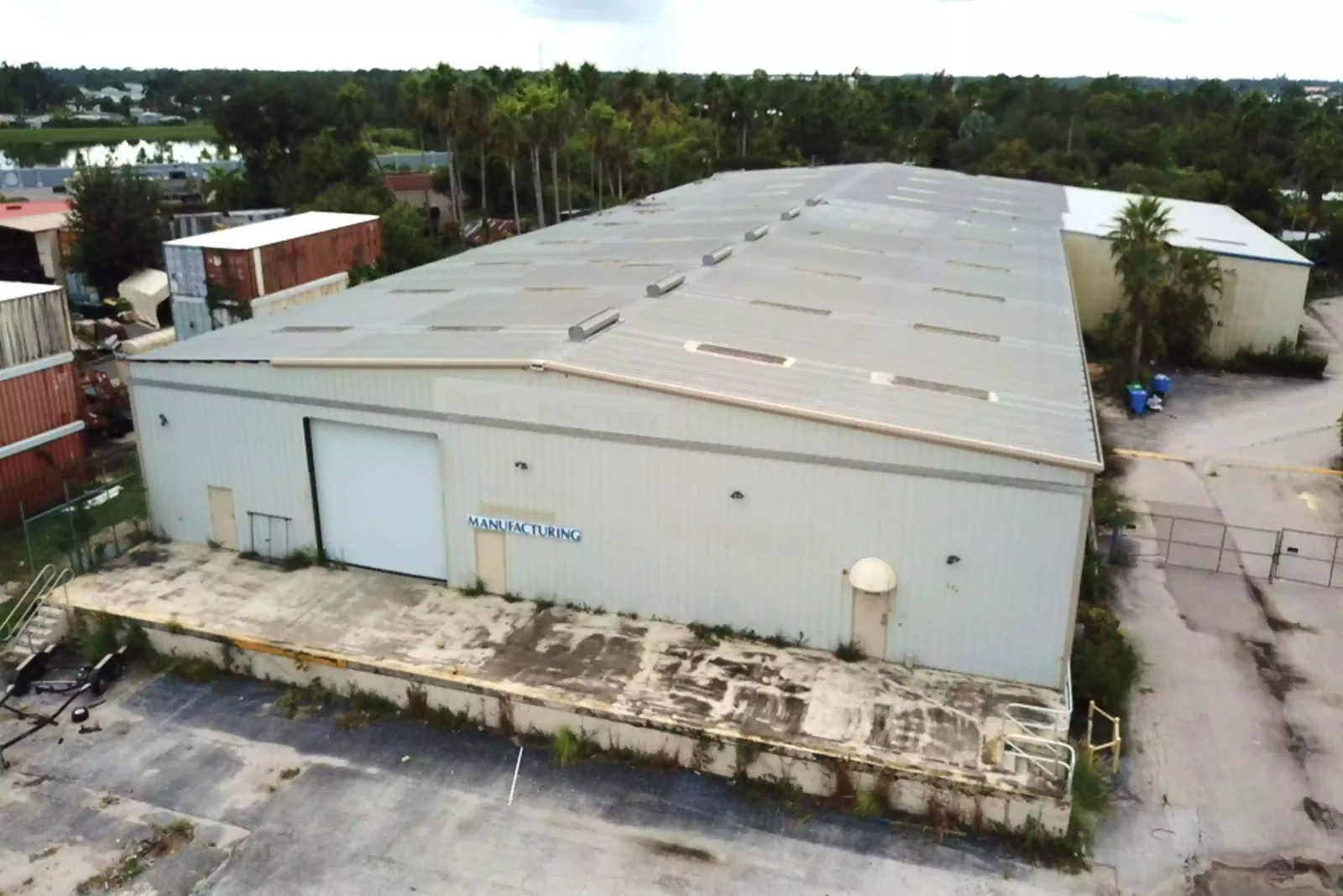
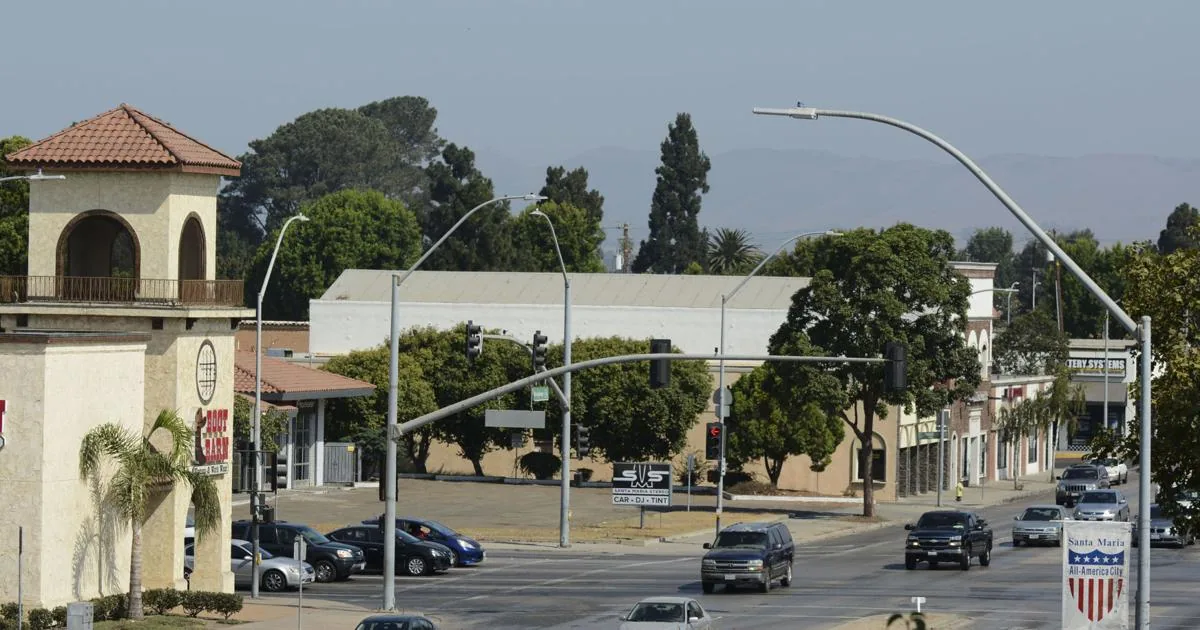
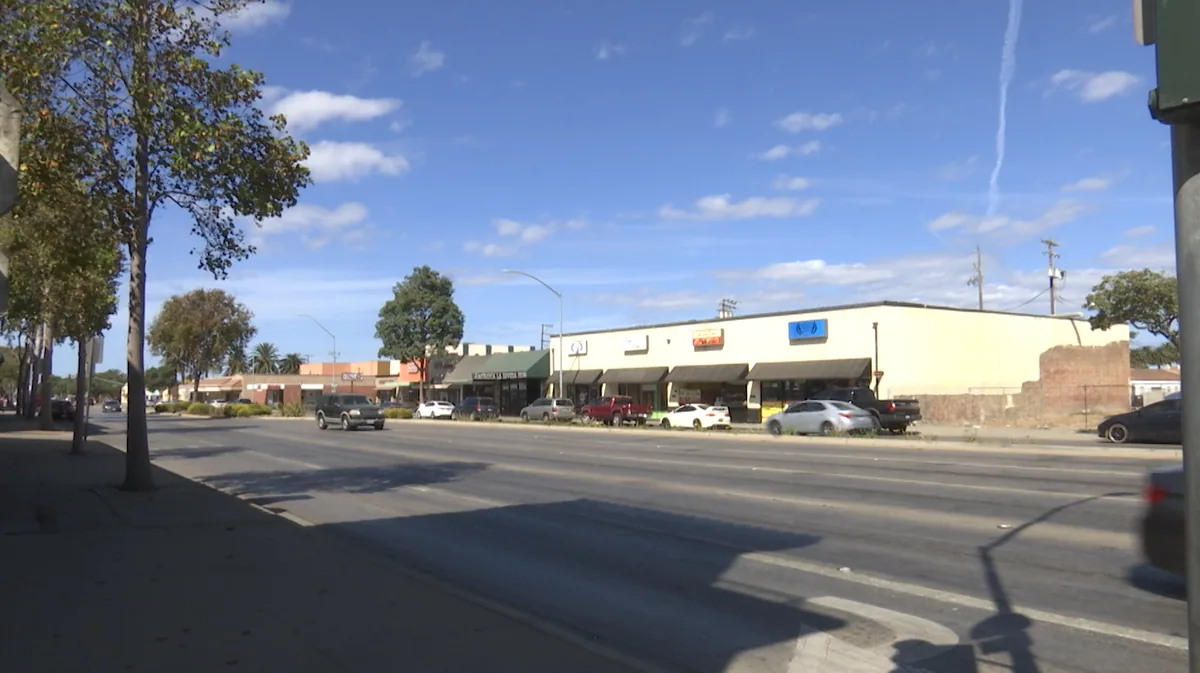
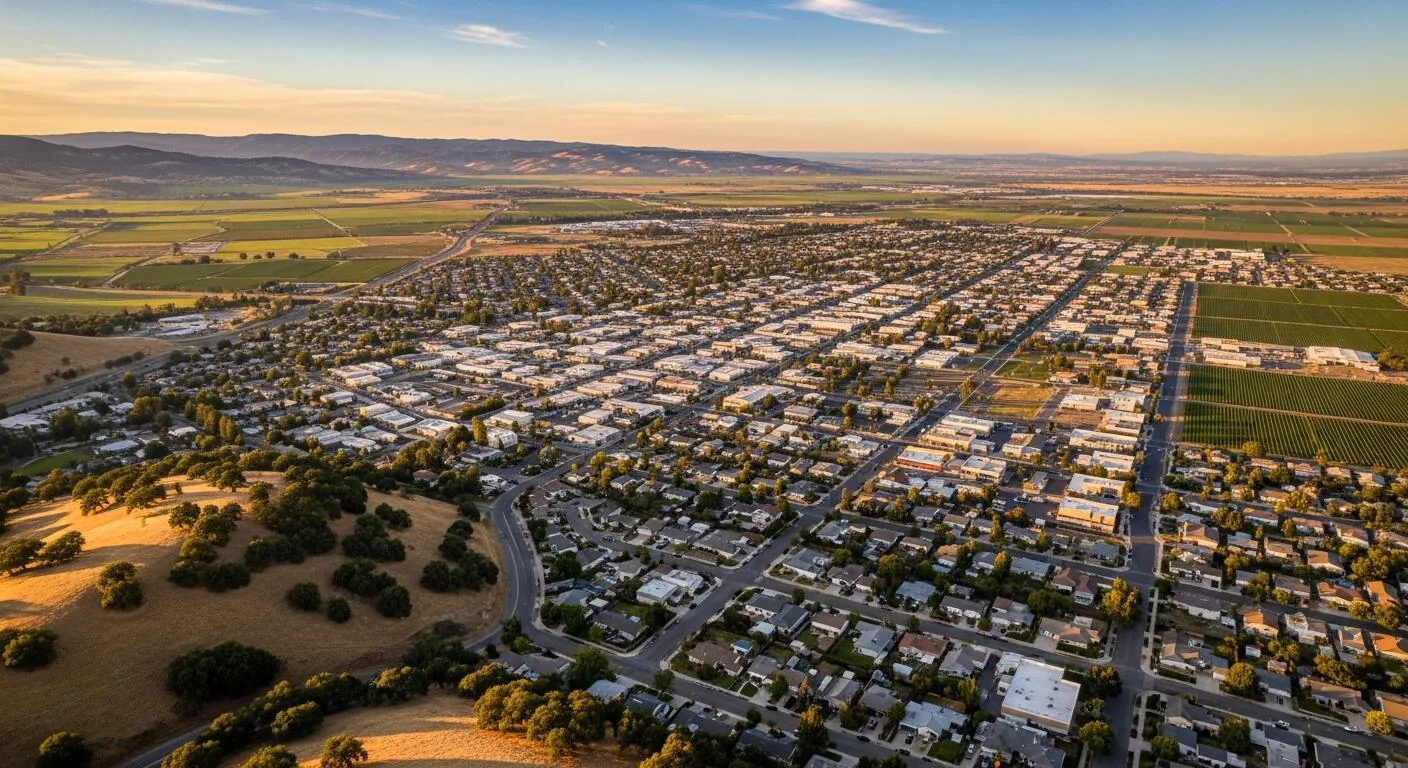
A loose edge at a warehouse loading bay can change which roof section we open first. In Santa Maria, CA, we check perimeter metal, field seams, drains, and equipment curbs before setting a repair boundary. The Area 9 Industrial plan includes warehouse, equipment, and agricultural packing uses, while the Santa Maria Airport Business Park has its own light-industrial and airport-service context. Neither plan identifies a particular building's roof, so we start with the assembly and work activity actually present.
Warehouse roofs often carry long membrane runs, rooftop equipment, and service paths that see repeated foot traffic. A leak near a dock may begin at an edge, penetration, or drain well away from the interior mark. We map the affected zone, check nearby transitions, and note which doors or aisles need protection below. That gives the property manager a repair scope connected to the observed condition instead of an assumption based on building use.
Inspection: follow the water path
At a drain, the bowl can be clear while the membrane around its clamping ring has loosened. We check the low point, nearby laps, overflow route, and any patch that crosses the drainage path. Where heavy ponding remains beyond 48 hours after rain, Santa Maria requires analysis of the drainage and measures to correct it. We record what remains on the roof and distinguish an outlet repair from a slope or insulation question that needs a separate scope.
We also inspect penetrations, curb corners, skylight edges, and wall terminations near the reported leak. A warehouse may have had equipment moved or servicing performed since the last roof visit, so we look for fresh fasteners, disturbed flashing, and abandoned openings. A commercial roof inspection can map those details by zone, while a drain and scupper repair addresses a confirmed outlet condition.
Building context: protect the working floor
A warehouse roof is tied to the operation below it. We ask which bays receive inventory, where forklifts travel, and whether a shift change limits roof access or interior protection. On the roof, we identify the safe staging area and the route to the repair. If a cut test is needed, we place it where a manager can protect stored goods and where the result will answer a defined question about the assembly.
Area 9 is planned for light and general manufacturing, and its plan contemplates warehouses and agricultural packing uses. We discuss loading and process schedules, then inspect each building's assembly before setting access and staging. The Santa Maria Airport Business Park and West Stowell Industrial Corridor have separate employment plans; West Stowell permits warehousing, processing, and equipment service. We confirm the roof condition through a field inspection before selecting a repair method. We verify curb placement, service routes, and membrane condition on the actual property.
At Santa Maria's KSMX airport station, the 1991-2020 annual precipitation normal is 13.32 inches. We treat it as local context, then base dry-in on the surface, substrate, forecast, and permit hold points for the project. A photo-based roof condition report can preserve the zone map for later budgeting.
Repair options: keep the boundary sound
A repair should extend to material that can accept a compatible detail. We probe the affected seam, check for loose or contaminated edges, and look at insulation or cover board when visible evidence warrants a test opening. If the sheet can be prepared and welded or patched to its system, we mark the repair limits and record nearby details that may need work at the same visit. A patch over a moving curb or wet substrate only hides the condition that changed the scope.
Repeated leaks across separate roof zones may call for a broader evaluation rather than another isolated patch. We compare repair history, attachment, moisture evidence, deck condition, and the number of transitions that need attention. A distribution-center roof review addresses similar traffic and staging concerns. A manufacturing roof assessment compares equipment access and sequencing; a TPO system evaluation can help compare a replacement assembly.
Timing: sequence access and dry-in
Warehouse work needs a clear limit on how much roof can be open at once. We plan the starting zone, material staging, temporary protection, and end-of-shift dry-in before removal begins. If operations run through the night or deliveries arrive on fixed windows, the manager can identify the quietest access period.
No crew applies a new covering in Santa Maria until its building permit is issued and the city has completed a pre-roof inspection with written approval. Inspectors may look at structural support, the deck, runoff routes, old roof fastening, damp insulation, and fire protection. We hold the cover stage until this review is complete. If a recover is under consideration, we document layers and moisture evidence first, then list tests needed to price that assembly.
Roof emergencies can be reported any hour, every day, including holidays. For a warehouse, we first reduce water entry and shield inventory; then we photograph temporary protection and identify the permanent repair still ahead. That separates immediate dry-in from access coordination and permit review. A roof visit in the Area 9 district can account for local access and staging. A commercial emergency roof response can address the urgent condition, with arrival timing confirmed after access is arranged.
Maintenance: keep a usable roof record
After a repair, we save the marked zone, photographs, materials used, and access notes with the property's roof records. That makes the next walk more useful when a new leak appears near old work. We check whether equipment service has disturbed a penetration, whether foot traffic has affected a walkway or seam, and whether debris is restricting a drain. The manager can then schedule a focused return visit rather than reopen the entire roof history.
For larger portfolios, a preventive maintenance visit can group drains, penetrations, and perimeter details by roof zone. The record should distinguish a confirmed defect from an area that still needs testing. If inventory moves or a production layout changes, the access plan may need to change as well. We revise the staging route and protection boundary before the next task, keeping roof work tied to the operation below rather than relying on an old site sketch.
When ownership is comparing repair with replacement, the useful file includes the assembly, repair history, moisture findings, substrate notes, and remaining questions. We mark what can be priced from visible conditions and what depends on a test cut, engineering review, or permit decision. That gives a capital discussion a defensible starting point without assigning an unverified service life or roof area to the building.
Commercial Roofing Questions
Which roof conditions near a loading bay deserve a closer look?
Start with the edge metal, wall termination, nearby drain, and any equipment curb above the bay. We trace the interior report to the roof, then test the detail that can establish a repair boundary. If the source is not visible, we map what was inspected and identify a test opening only when it will answer a specific assembly question.
Can a warehouse keep operating during roof work?
The work area and the floor beneath it set the sequence. We coordinate bay access, inventory protection, delivery windows, and daily dry-in limits with the manager, then stage material away from active routes. If a section needs to be isolated, that limit is written into the work plan before tear-off or repair begins.
What is needed before pricing a recover?
We first identify existing roof layers, attachment, moisture evidence, deck condition, and applicable permit requirements. A test cut may be needed where those layers cannot be confirmed from accessible edges or records. The proposal separates known work from concealed conditions that could change the assembly or removal scope.
How should a roof repair be recorded for the next visit?
Keep the roof-zone map, close photographs, repair materials, drain observations, and any access limitation together. We record the repair perimeter and what remains unconfirmed, so later maintenance can compare the same location instead of treating an old patch as proof that every nearby detail is sound.
Related
Plan the next roof visit
Tell us about the building and what you are seeing on the roof. Request a roof assessment and we will set up a time to look at it.