EPDM Commercial Roofing in Santa Maria, CA
Schedule an EPDM roof inspection
Share known leak areas and arrange access to the roof. We will identify the membrane, inspect its seams and transitions, and document the repair or replacement options supported by field conditions.
Request a roof assessment or call 555-555-5555.
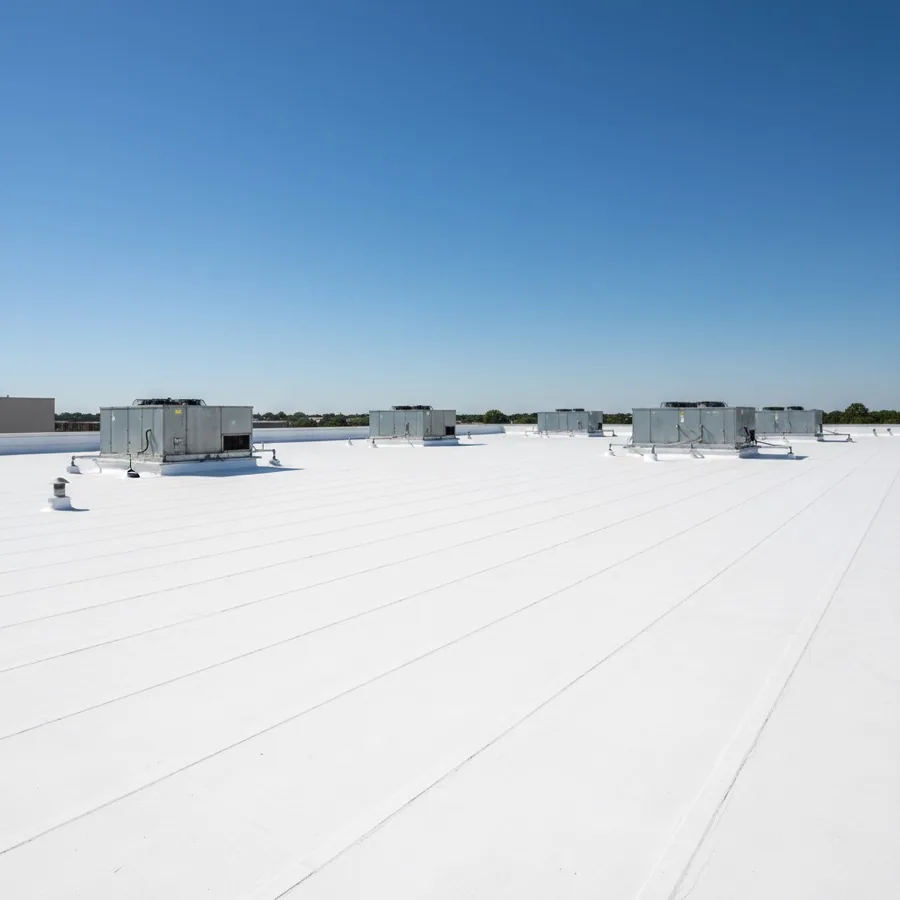
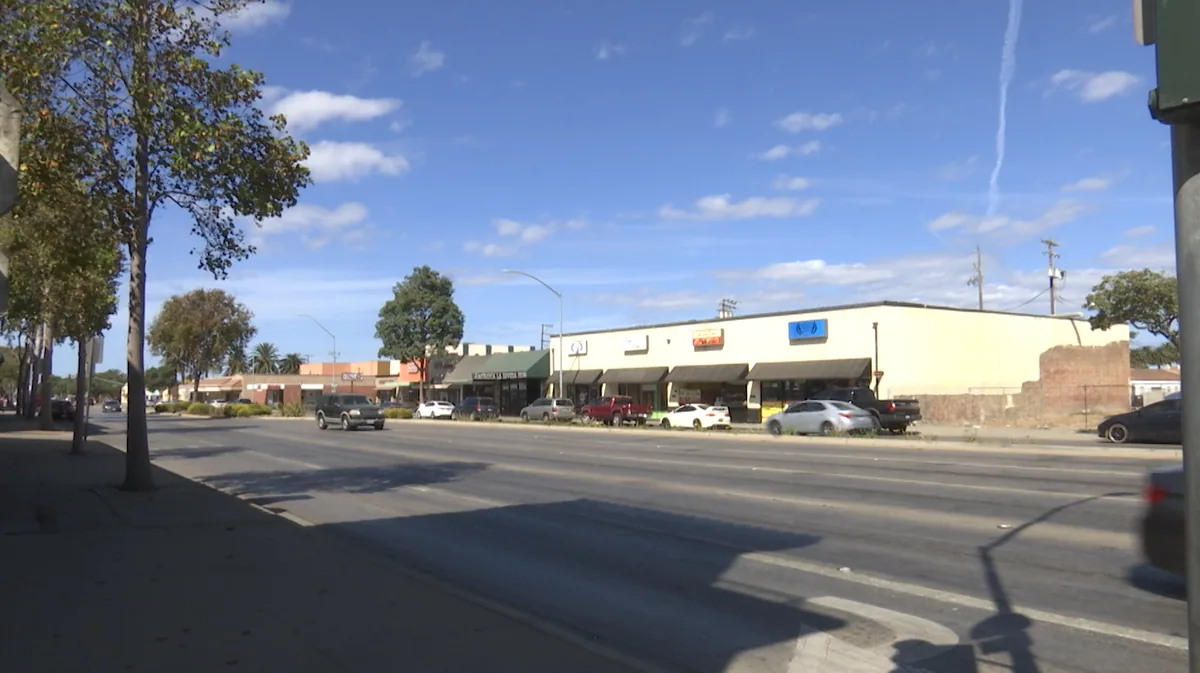
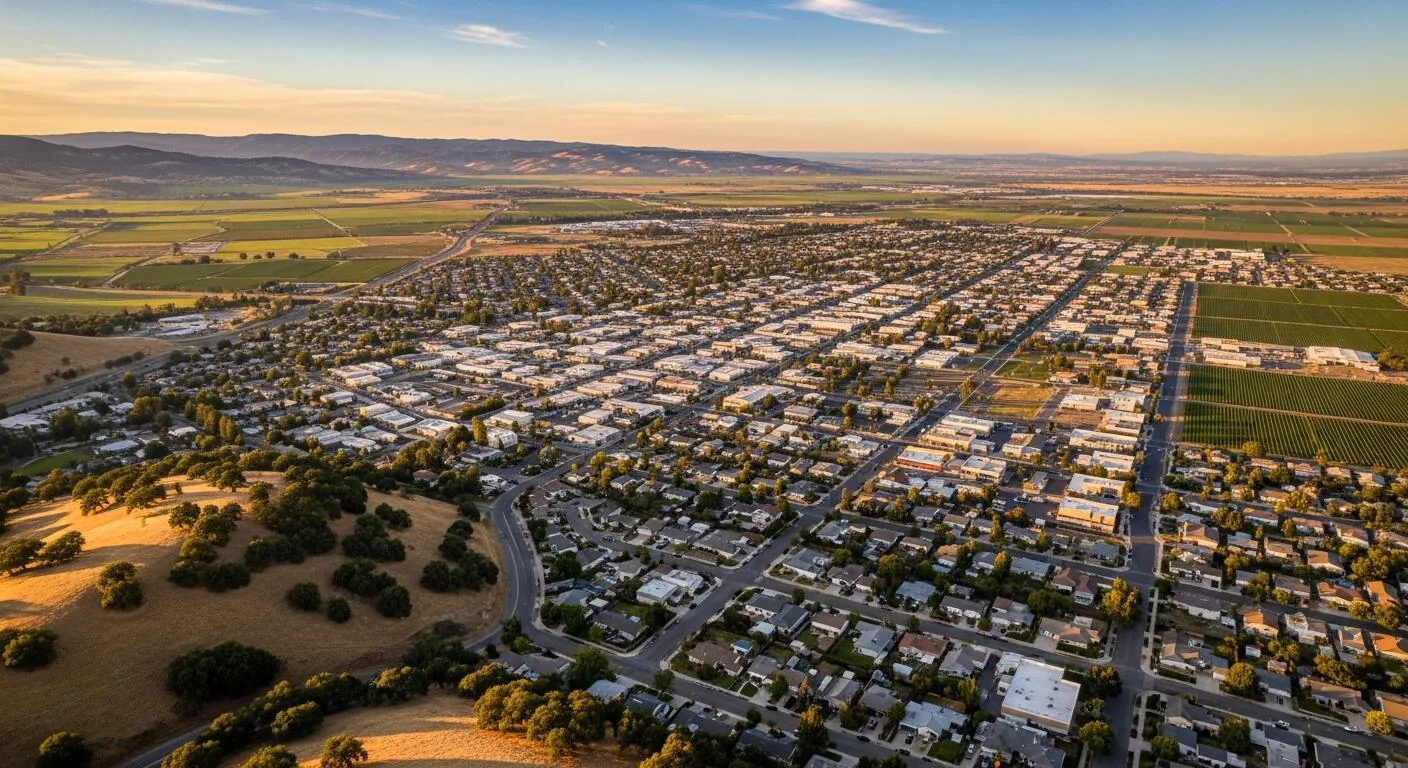
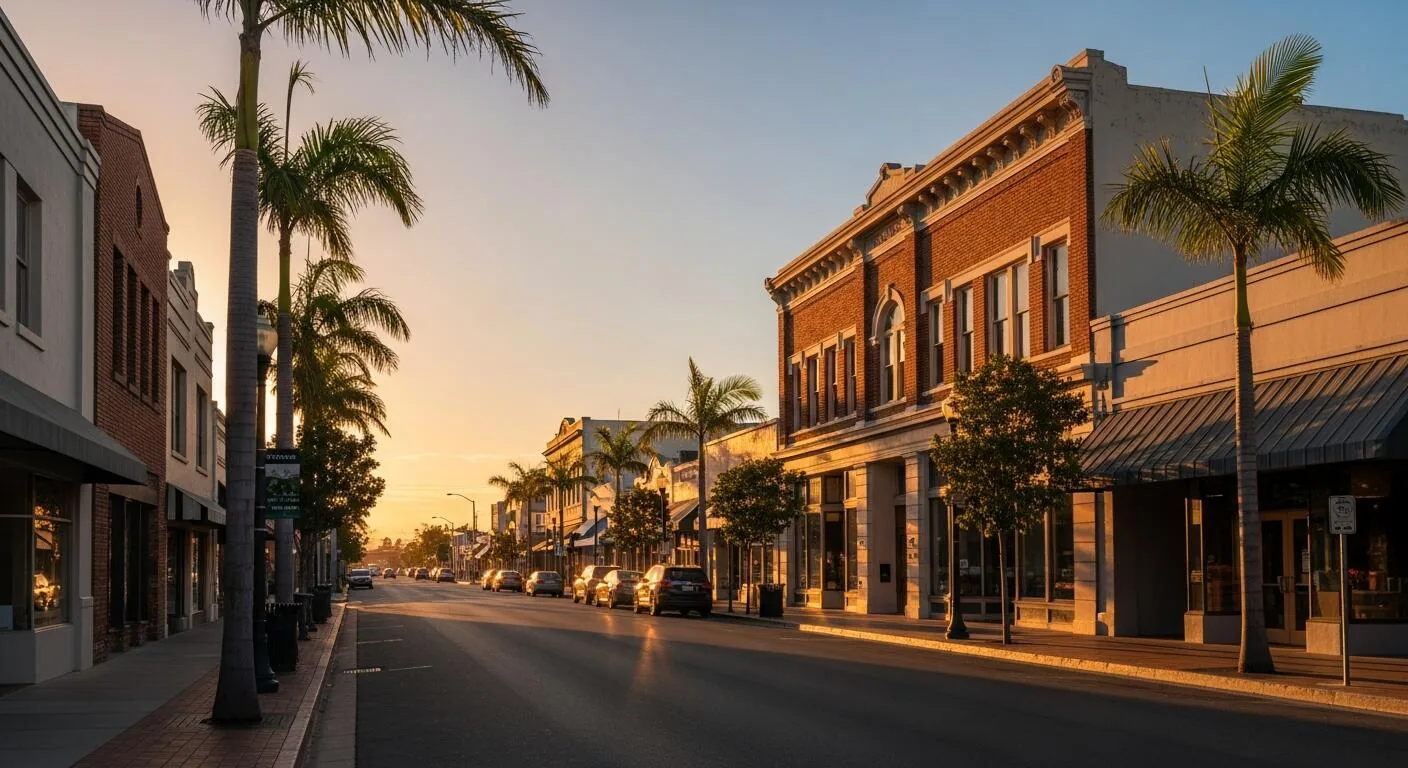
A black EPDM sheet can hide its age until a seam lifts or a flashing pulls away at a curb. In Santa Maria, CA, we inspect the membrane and each transition before choosing a repair boundary. At a roof in Downtown Santa Maria or West Stowell, we identify the installed membrane, edge details, and access route before selecting compatible EPDM work. We confirm what is installed, where it is attached and how water moves across it before we price a repair. The proposal names the confirmed material and any uncertainty that requires a test opening, so ownership can distinguish a field observation from a confirmed layer condition. We photograph the inside and outside corner conditions.
An EPDM roof uses a flexible synthetic rubber sheet across a low-slope assembly. Its field seams may be taped or bonded, and perimeter and penetration details rely on compatible products and proper preparation. We look for shrinkage, splits, open laps, old patches and movement at the edge. A close photo identifies the defect, while a wider view shows its position relative to drains, curbs and roof zones.
Follow the sheet to its terminations
At a parapet or roof edge, we check whether the membrane remains secured and the termination bar or metal counterflashing stays tight. Shrinkage can pull a sheet away from a corner or curb, exposing a path behind the flashing. We check the substrate where the membrane has lifted and look for trapped moisture or damaged insulation. A repair should restore the transition without stretching the sheet back under tension.
Field seams are checked for adhesive failure, tape separation, dirt and edge curl. Where a seam opens, we determine whether the material can be prepared for a compatible splice or whether age and contamination extend beyond a small patch. We also look at penetrations near the defect because water may travel beneath the sheet. A roof inspection maps the condition, and a recover evaluation can test whether another covering is appropriate.
Choose repair materials for the installed system
EPDM repairs depend on identifying the membrane and using compatible cleaner, primer, tape or uncured flashing. We prepare beyond the visible opening, roll the splice as specified and inspect the edge for gaps. A patch placed over dust, moisture or an incompatible coating may release again. If the membrane is brittle or the repair history covers multiple roof zones, we document why replacement could be more suitable than continuing isolated fixes.
Some older assemblies combine EPDM with materials from later projects. We inspect patches, walkway pads, adhesives and edge transitions to determine what can remain. If the roof has wet insulation or deck deterioration, a new membrane over the top would not resolve the underlying condition. The manager can compare a TPO assembly or PVC assembly when planning replacement, with the proposal listing attachment and substrate assumptions clearly.
Keep drains and seams out of standing water
We inspect drain clamping rings, scuppers and low points where the EPDM sheet gathers around an outlet. Debris or a loose ring can interrupt water flow and stress the membrane. When extensive water remains on the roof more than 48 hours after rainfall, city code calls for an analysis of drainage and corrective work. We record the outlet condition, roof slope, and observed depth, then separate cleaning from slope correction or insulation replacement.
NOAA's KSMX station has a 1991-2020 normal annual precipitation of 13.32 inches. For the inspection, we record outlet condition and water depth at the property before recommending drainage work. For roof maintenance, the practical check is whether water reaches the outlet and whether laps, edge terminations and patches remain tight after wet weather. A drain repair may be needed alongside a seam splice, and we map both in the work record.
Plan a replacement around the existing assembly
The EPDM tear-off sequence in Santa Maria must leave room for the permit and the city's written pre-install clearance. Review staff may need to see the deck and support, the route water follows, how the old roof is fixed, and whether moisture or fire-related materials require a change. We place the inspection checkpoint before the phase that closes the assembly. Test cuts or other evaluation may be needed to confirm which layers remain and whether the deck will accept the selected fastening plan. We also confirm the planned attachment and fastening zones against the deck and existing structure. If a different roof area reveals a damaged deck, we secure the exposed section and pause the sequence while ownership reviews a change. That protects the building and keeps the original estimate from silently absorbing concealed work that was not visible before tear-off.
We set the new sheet layout to limit awkward seams and create a secure path into edge metal, curbs and drains. A replacement scope can call out tear-off, substrate repair, cover board and flashing separately. If tenants remain inside, an occupied-building phase plan identifies the daily opening limit and the temporary protection that keeps the interior dry.
Use inspection records to target follow-up
EPDM ages differently by exposure and roof use. Repeated foot traffic, rooftop service, ponding and old repairs can create different conditions on the same building. We record the seam, penetration and roof zone, then recommend actions in order of urgency. This lets a manager distinguish an active water path from a surface change that should be rechecked later, and helps the next technician return to the same location. A manager can use the priority list to schedule near-term repair, budget larger work and coordinate access with mechanical vendors. We label moisture readings and confirmed seam failures by location, evidence, and follow-up step. That distinction supports a clear decision without overstating what an inspection can establish. A follow-up date can be tied to the next planned roof access instead of leaving an unresolved area without an owner or review point.
At a West Stowell industrial-area roof visit, we evaluate the property itself without assigning a shared roof condition to nearby parcels. A condition report can preserve photos, repair boundaries and inspection limits. Scheduled maintenance can revisit drains, edges and laps, especially after mechanical work that may disturb a penetration or walkway pad.
Commercial Roofing Questions
Can an EPDM seam be repaired without replacing the roof?
A splice is a reasonable option when the sheet is identifiable, the surface can be prepared and sound membrane surrounds the opening. We check adjacent seams and moisture below before pricing. If failures recur across several zones, a replacement evaluation may be more useful than another isolated patch.
How do you find water beneath an EPDM membrane?
We trace the interior report to roof details, inspect seams and penetrations, and use moisture testing when it helps define a suspect area. Water can travel before becoming visible indoors, so the inspection records both confirmed defects and areas that still need a test opening.
Can a new roof be installed over old EPDM?
A recover depends on attachment, moisture, deck condition, existing layers, code and system requirements. We document what is known and identify any test cuts needed before recommending that approach. Wet insulation or an unstable substrate can require removal and correction.
What should be included in EPDM maintenance records?
Useful records identify roof zones, seam and flashing locations, photos, repairs, drain condition and access limits. We record work that could disturb the membrane, such as equipment service. That detail helps the manager compare future observations with the installed roof rather than restart the inspection from memory.
Plan the next roof visit
Tell us about the building and what you are seeing on the roof. Request a roof assessment and we will set up a time to look at it.