
PVC Commercial Roofing in Santa Maria, CA
Inspect a PVC roof assembly
Arrange roof access and share available membrane or process-use records. We will check welds, transitions and drainage, then document a repair or replacement scope suited to the building.
Request a roof assessment or call 555-555-5555.
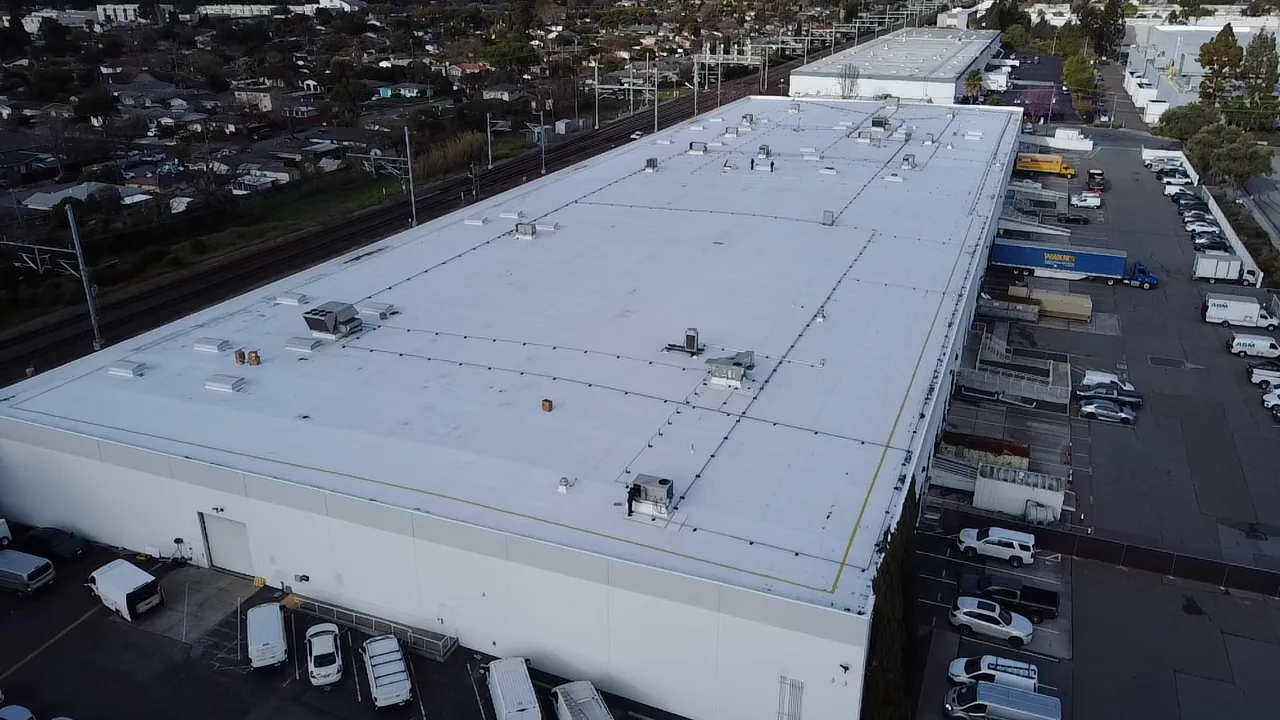
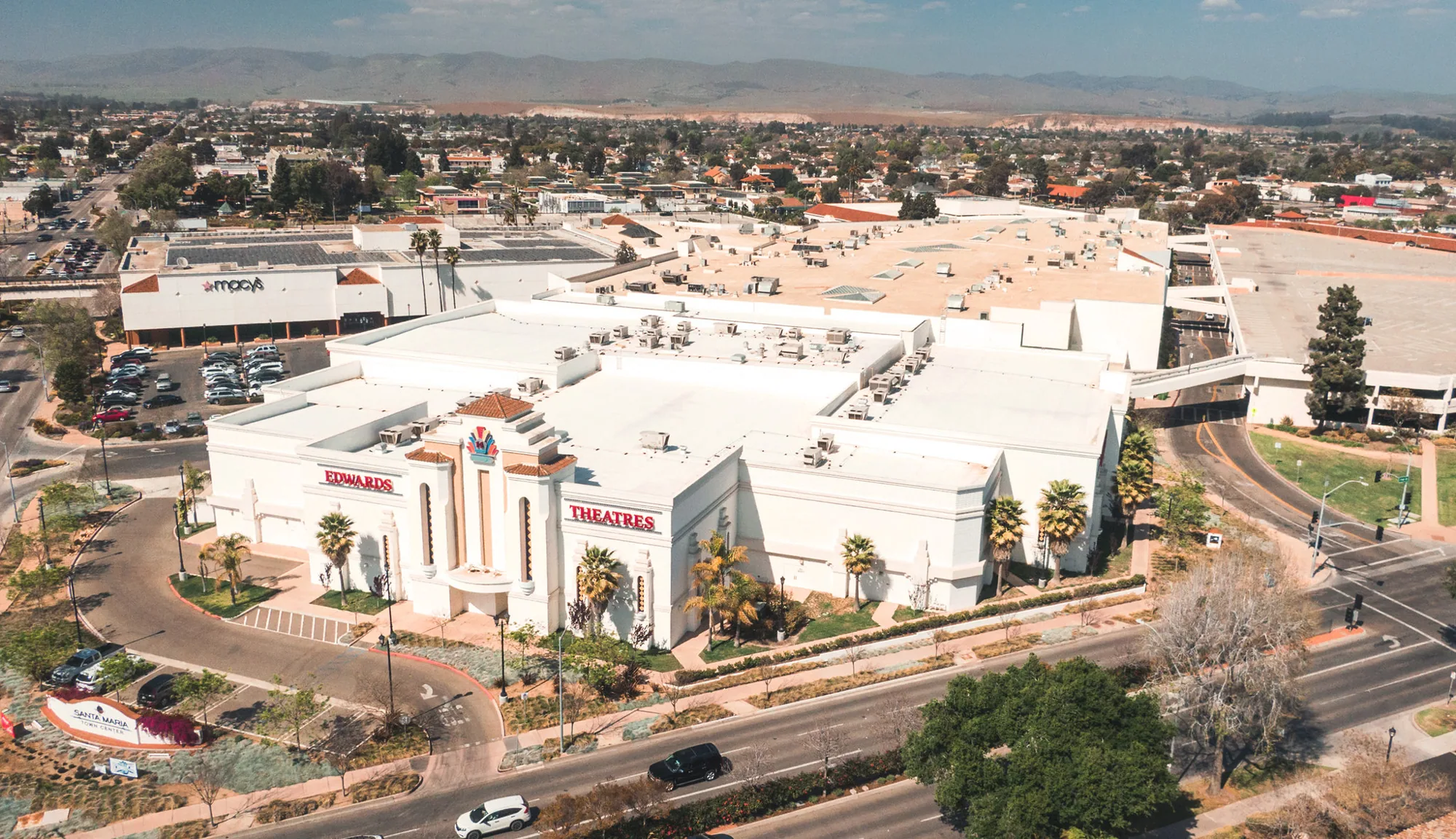
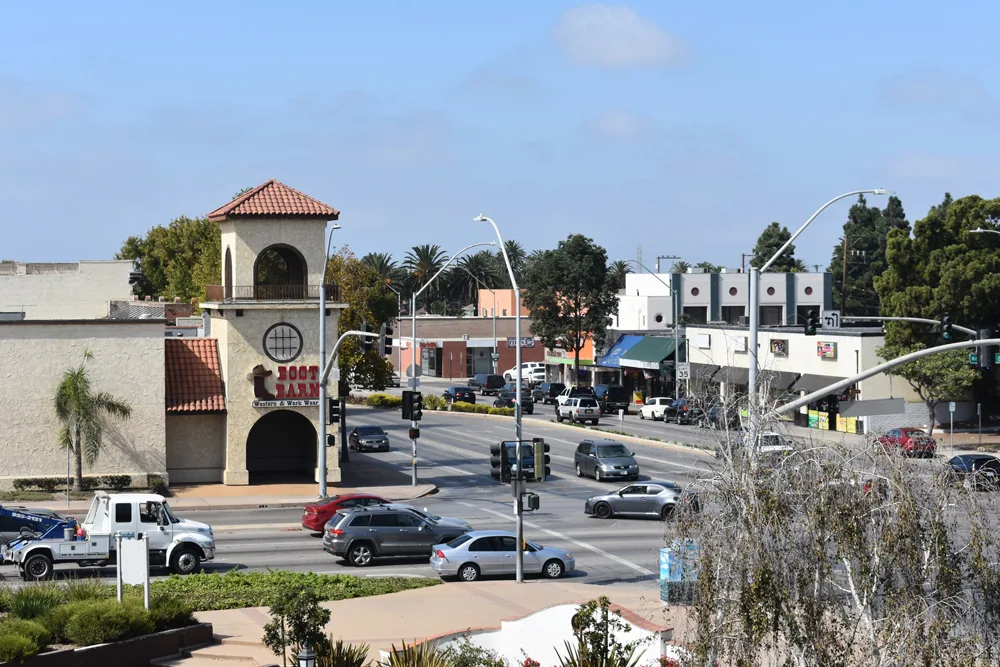
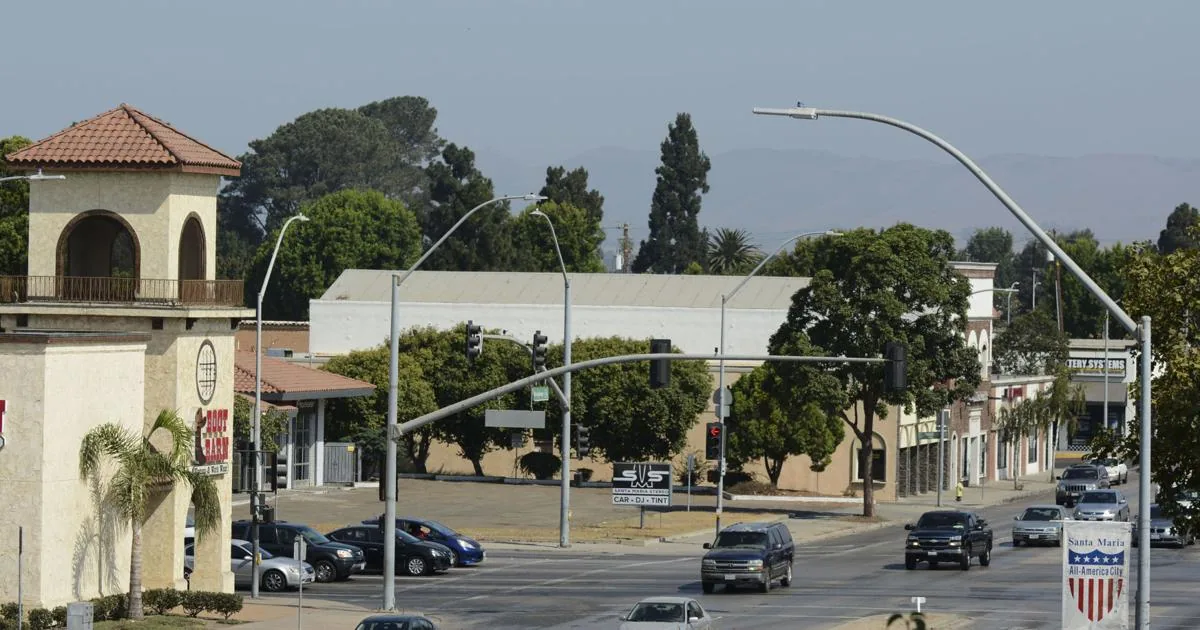
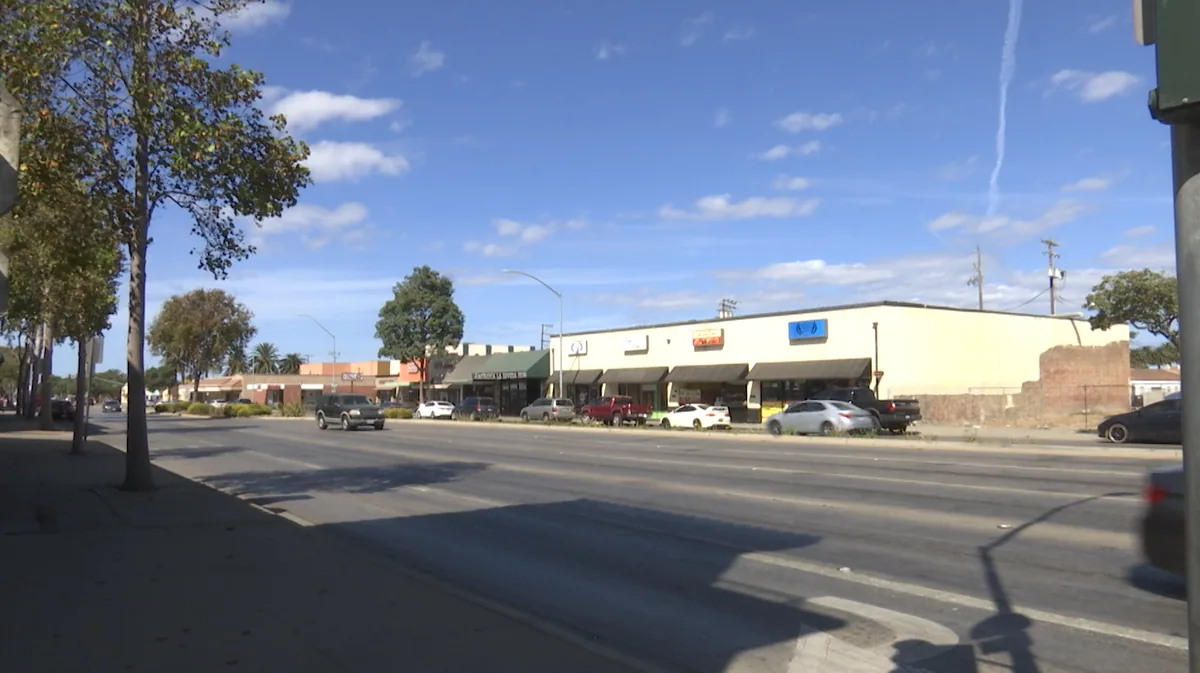
A PVC sheet is judged at its seams and details, not by its white surface alone. In Santa Maria, CA, we check welded joints, penetrations, drains and edge terminations before selecting a repair or reroof scope. The City lists West Main Specific Plan Area and Downtown Santa Maria among its specific plans, whose land-use standards are area-specific; neither identifies the roof assembly at an individual address. We inspect the actual assembly and ask what exhaust, process use, rooftop equipment and service access the building must support.
Polyvinyl chloride roofing is a thermoplastic single-ply membrane with heat-welded seams. It can be considered for low-slope roofs where the specified assembly suits the building and the membrane's chemical-resistance properties matter. We confirm the existing sheet and nearby materials, then record whether a patch or flashing detail can be welded to a clean, sound surface. The report distinguishes a membrane issue from a cause such as condensation, plumbing or equipment discharge.
Test the detail, not just the field
We follow the roof field to its transitions, checking lap edges, corners, pipe boots, curbs and wall terminations. A seam may be stressed by movement or contamination, while a flashing can split where the sheet changes direction. We probe accessible welds and examine old patches for incompatible material or poor adhesion. When the membrane is brittle, heavily patched or wet below, a small repair might not reach sound material, and we describe that limit in the scope.
Process exhaust and oils can affect roofing materials. We ask where those substances may reach the roof and inspect for residue or surface change around vents, fans and service paths. The Airport Business Park EIR describes specialized manufacturing, laboratories and airport services among planned or allowed uses, not a census of operating tenants. We use the planning context to ask better access questions, then confirm actual exposures with the facility manager before choosing a repair method.
Match repairs to the existing sheet
A localized PVC repair requires a compatible membrane piece, a prepared surface and a weld that reaches sound material. The repair boundary should extend beyond the defect without covering wet insulation or concealing a weak substrate. We check whether an earlier repair was PVC or another material, because a new weld cannot make dissimilar products compatible. If the sheet is aged or contaminated across several zones, a broader replacement may be more dependable than stacking patches.
For replacement, we examine whether the deck and insulation can remain, which layers must come out, and how the new system will be attached. A TPO option or KEE membrane may be compared when exposure, assembly design or maintenance needs justify it. The scope names the membrane, attachment approach, flashings and metal tie-ins so ownership can compare systems by the roof conditions they address. The scope identifies layers for removal, what substrate repair is included, and how the crew protects each opening before moving to the next zone. If concealed deck deterioration changes those assumptions, the manager sees the affected area and a separate price before installation continues.
Keep outlets and overflows in the assembly
Water around a drain tests both the membrane and the clamping detail. We look for loose rings, open seams, debris, depressed insulation and a route that keeps water away from wall transitions. Santa Maria's code calls for drainage analysis and correction when extensive ponding persists longer than 48 hours after rain. If that condition exists, the repair plan should address slope or outlet capacity instead of simply welding a patch near the low point.
KSMX rainfall normals for 1991-2020 total 13.32 inches annually. After rainfall, we inspect whether drains, scuppers, and overflow paths are open. An open outlet can still leave water behind a curb when the field falls away from it, so we inspect the low area and overflow route together. We can pair membrane work with a drain and scupper repair and record the route in the closeout photos.
Set the welding and attachment sequence
Installation begins after we confirm the deck, insulation and fastening or adhesive plan. The substrate must be stable and dry enough for the specified work. We lay out sheets to limit awkward seams, position plates or adhesive under the specified assembly, and protect the membrane during material movement. Test welds confirm the equipment setup before production work. Corners and penetrations receive shaped flashing that follows the geometry rather than forcing a flat sheet into a tight turn.
For a PVC reroof, Santa Maria's building department requires a permit and recorded pre-roof acceptance. We wait to install the sheet until approval is given. Staff review how the roof support and deck are configured, how runoff exits, whether the current surface is secured, and if moisture or fire provisions alter the work. We schedule tear-off accordingly. A replacement project can also require trade coordination at curbs, while an occupied-building sequence establishes daily dry-in boundaries.
Maintain clear records by roof zone
After the roof is installed or repaired, we record seams, drains and transitions by zone. A close view of a weld plus a broader roof photo helps a later crew find the same location. The manager can also save membrane records, repair details and access records with the property file. A later inspection can compare new photos with the same seam and penetration, which is more useful than a single condition label with no location reference. We identify what changed and whether it affects water entry, access or the next repair window. If a mechanical contractor later adds equipment or conduit, the existing roof map helps identify where a new penetration must be flashed and how it should be documented. A manager can attach those findings to a tenant work notice or an annual capital request without confusing a pending test area with a confirmed leak. We identify the date of inspection and the roof zone in each photo caption, then preserve the same location label for the next field visit.
The West Main area roof visit can evaluate a property within that broad planning area without assuming neighboring roofs share the same assembly. We can prepare a condition report showing completed repairs and unresolved items. A maintenance visit can then recheck field seams, outlets and edge details on a schedule suited to the building's operations.
Commercial Roofing Questions
How does PVC differ from TPO on a commercial roof?
Both are thermoplastic membranes with heat-welded seams, but their formulations and performance characteristics differ. We compare the specified assembly, exposure, chemical contact, attachment and maintenance needs. The product data and roof conditions guide selection, not color or a generic material label.
Can a PVC membrane be repaired with a small patch?
A patch is possible when the existing sheet is identified, the surface can be prepared and sound material surrounds the defect. We check adjacent welds and the substrate before pricing. If contamination or age extends across the field, the repair boundary may need to include a larger area.
Does PVC resist every chemical used inside a facility?
No membrane should be selected from a broad promise. We ask what product or exhaust can reach the roof and review the chosen system's compatibility information. The facility manager supplies the exposure details, and we scope any replacement or protection around that confirmed condition.
What is included in a PVC reroof proposal?
The proposal identifies the membrane, attachment, insulation or cover board, tear-off assumptions, flashing, edge metal and drainage work. It also lists access, permit and inspection steps, plus exclusions such as mechanical disconnection. That record lets ownership compare the same roof zones and scope boundaries.
Plan the next roof visit
Tell us about the building and what you are seeing on the roof. Request a roof assessment and we will set up a time to look at it.