Emergency Commercial Roof Repair in Santa Maria, CA
Control the active leak
Call with the affected roof zone, interior risk and access restrictions. We will stabilize the opening, record the temporary repair, and set the permanent follow-up.
Request a roof assessment or call 555-555-5555.
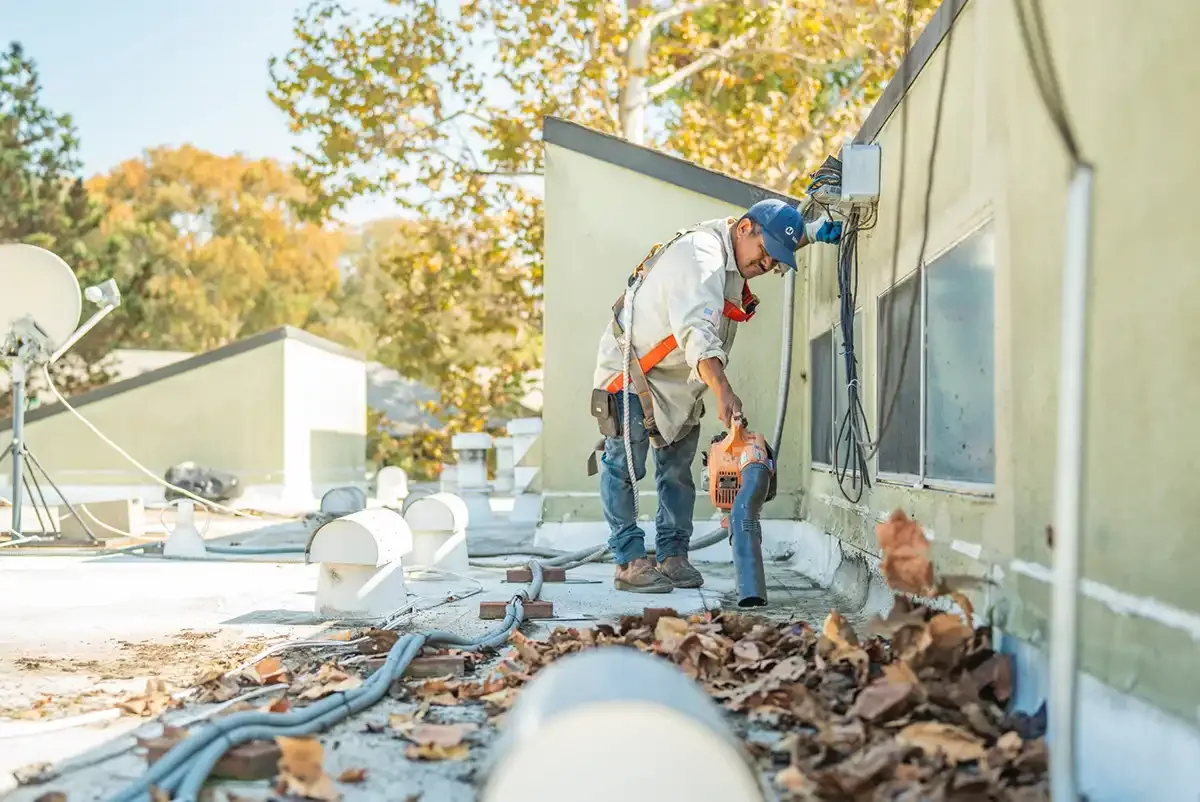
An equipment-room ceiling can reveal an active leak before a crew opens the roof. The first response controls water without expanding the opening or risking wet access. We locate entry, protect people and contents, and place a temporary dry-in that directs water toward a safe drain path while keeping a clear route to the work area.
The Santa Maria emergency visit records the work area, temporary material and items left for permanent repair. A fast cover is not a completed roof repair; the property manager gets a return plan for conditions the surface and assembly need before durable work can proceed, once safe access is confirmed.
Triage: control water first
We ask where water is entering, how quickly it is spreading, whether electrical or production equipment is exposed, and which rooms must stay in use. The first roof check looks at penetrations, failed seams, lifted edges, drain conditions and damage that could make access unsafe. We photograph the affected interior and map the roof area before moving material.
If the roof opening is not visible, we mark the likely water path and protect the interior rather than cutting randomly through the membrane. The manager approves the temporary access and any test opening before the crew exposes concealed layers. We ask the manager to identify shutoff points, occupied rooms and any materials that cannot get wet, then set an interior protection boundary before roof access begins.
If ceiling tiles or insulation are saturated, we keep people out of the affected area until the property representative clears it. At the roof, we check whether wind has lifted a corner, a branch has punctured the membrane, or water is backing up at an outlet. These are observations, not assumptions about the cause. The first report records what we saw and which action reduced exposure.
Timing: read rainfall records as context
In 2023, Santa Maria's KSMX station recorded a highest daily maximum of 101°F and precipitation totaling 21.52 inches. During an emergency visit, we record site conditions, the work area, and the runoff route after a temporary cover is installed. Before staging, we confirm occupied areas, stock, and access restrictions with the property manager.
The Santa Maria Airport Business Park EIR describes airport services, light-manufacturing facilities, research and development, laboratories, administrative centers, and specialized manufacturing among planned or allowed employment uses. For this response, the manager confirms actual access hours, equipment and safety controls before we stage. If a roof drain must remain operational during temporary work, we mark it on the plan and check it again before the crew leaves.
Stabilization: understand temporary limits
A temporary cover may be a secured membrane patch, compatible sealant at an isolated opening, or a protected area set to shed water. The choice depends on the roof system, the condition of the substrate, wind exposure at the building and the expected time before permanent work. We do not bond a repair over wet or contaminated material and call it final.
The work ticket identifies the temporary material, fastening or ballast method, and return conditions. Where water reaches a drain, we keep the outlet open and avoid creating a dam. The leak repair investigation can trace the path once the building is protected. Fastening a temporary sheet requires attention to the edge, substrate and wind exposure.
An unrestrained cover can become a new hazard, while a sealed patch placed on a wet surface may release before the permanent return. We select a method that suits the installed roof and record any limits on how long it should remain. If the affected area cannot be safely reached, we protect the building below and arrange access with the owner. The written ticket states whether the temporary work is complete or needs a check after the next weather event.
Operations: keep the building functioning
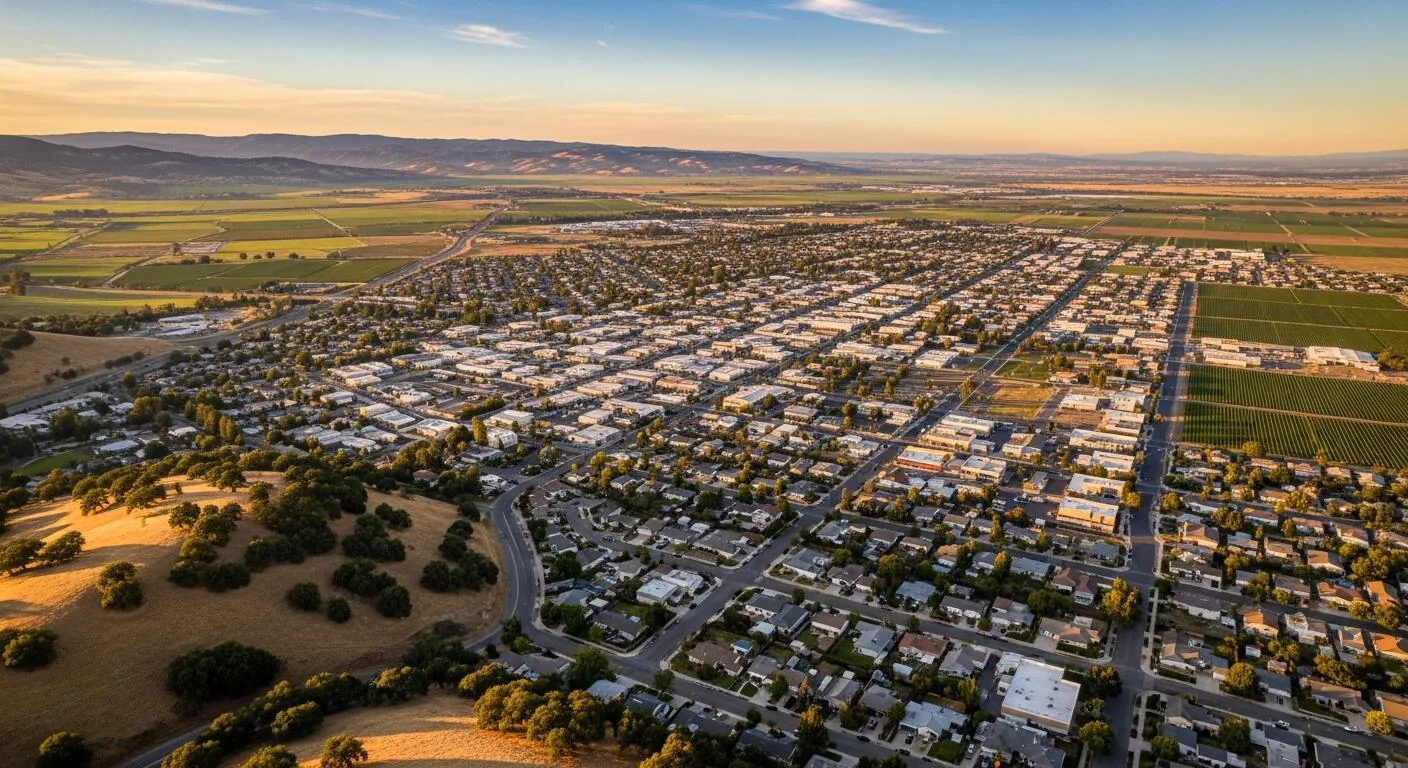
Emergency work can affect loading, access gates, tenant entrances, production shifts and sensitive rooms. Santa Maria has manufacturing, aerospace, technology, and energy industries. The property manager identifies which operations cannot pause and which hazards or escort rules apply.
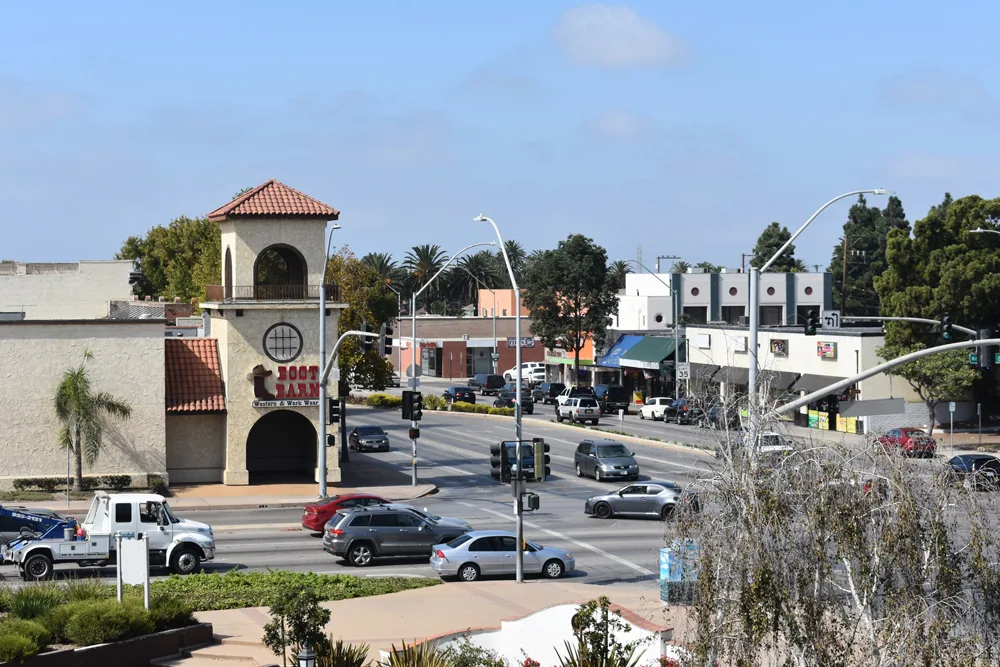
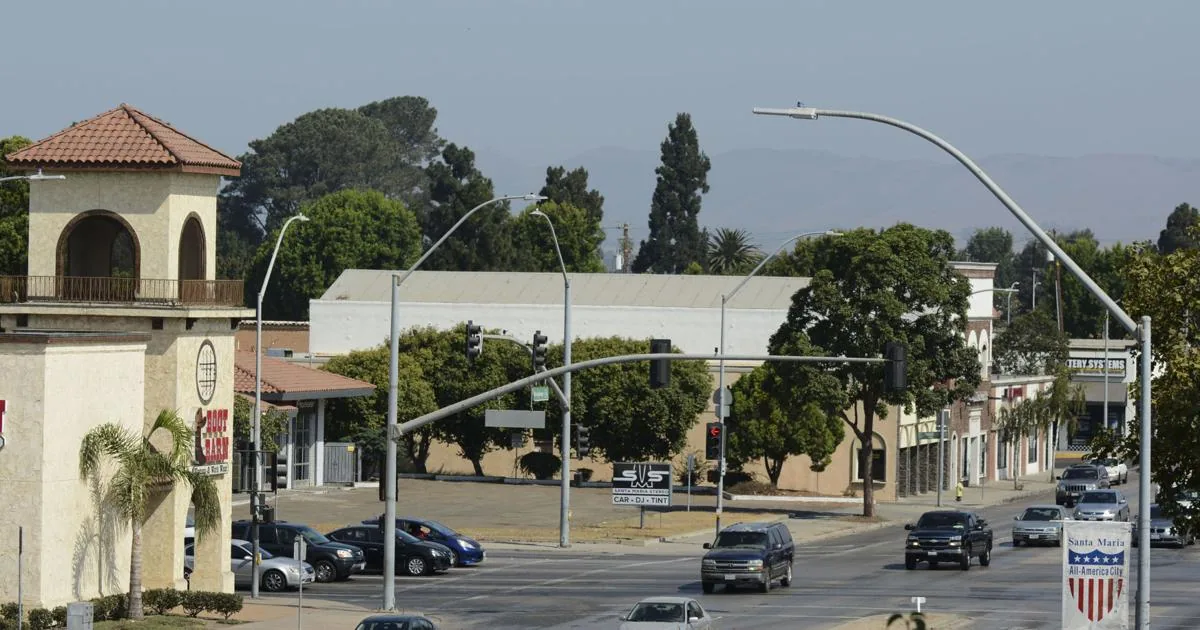
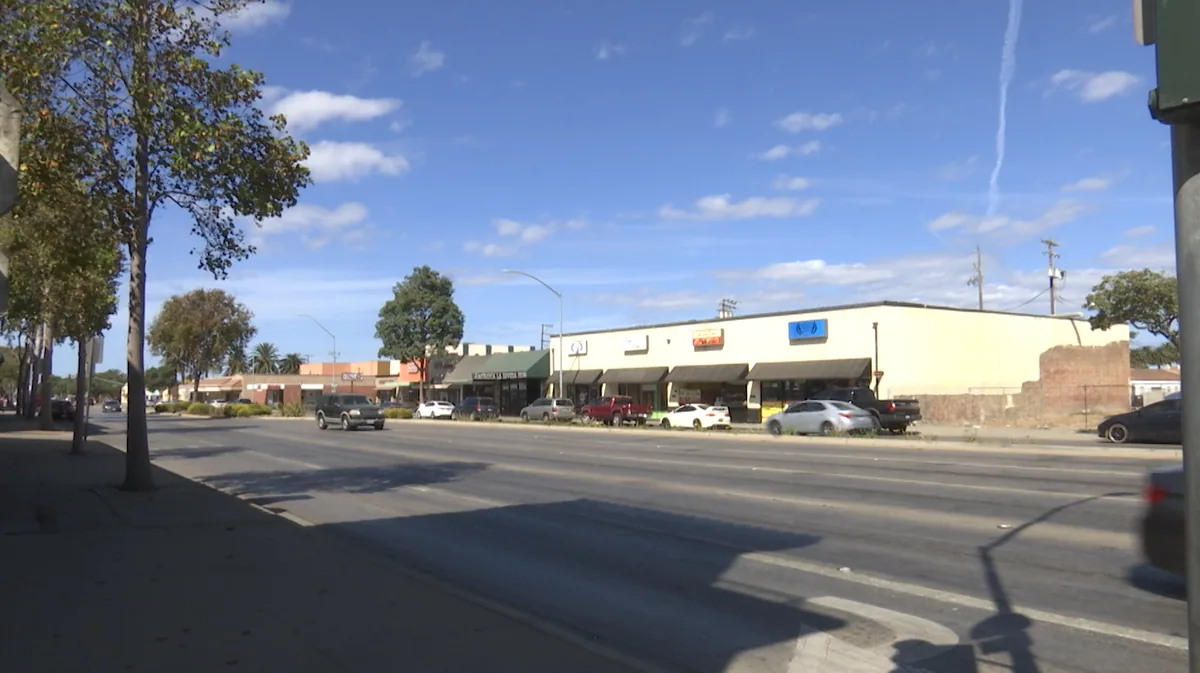
Along the Downtown Santa Maria service area, the manager identifies the access route and interior protection needs. The crew stages only the material needed for the response and keeps the agreed route clear.
Permanent repair: return to the roof assembly
Once the immediate water path is controlled, we inspect the temporary detail and adjacent field to define permanent work. A puncture, failed lap, curb flashing and blocked drain call for different preparation. A controlled inspection can show damp insulation or deck damage, while nearby trade work may explain a fresh puncture.
The permanent scope lists the compatible membrane or flashing material, repair boundary and any test area needed to confirm concealed conditions. The commercial roof repair then closes the defect with a documented tie-in; if failures extend across zones, we price a separate condition inspection. Before the crew leaves, we make sure the manager knows whether a return visit is scheduled, what materials are needed and whether another trade must move equipment.
A failed curb flashing may require access inside the unit or a short shutdown; a punctured field membrane may not. We separate that coordination from the initial dry-in so the emergency record does not imply that every repair is already finished. The claim documentation service can preserve dated photos and a written sequence when the owner is assembling a property record.
We give the property representative a return window and a contact for any change in the leak before that visit. If water reappears, photos from the same room and roof zone help us decide whether the temporary material shifted or a second route is active. The return visit addresses the specific remaining risk; the temporary cover alone does not justify replacing unaffected roof areas.
Records: plan the next visit
The closeout record contains the initial condition, temporary stabilization, interior protection, materials used, weather observations and unfinished questions. If a new roof covering is later proposed, Santa Maria requires a building permit and a pre-roof inspection with written approval. Emergency stabilization does not replace that review. We check the route before tenant traffic resumes.
After the immediate hazard is controlled, the replacement evaluation can be scheduled, while a TPO-specific repair must match the membrane already installed. We state whether the next visit is a return to complete a patch, a moisture investigation or a larger project review. Santa Maria's Municipal Code requires written approval at the pre-roof inspection before a new covering is applied.
If the emergency reveals deck damage or widespread wet insulation, we identify those conditions for the later review and do not cover them without the proper project scope. Santa Maria has commercial and institutional activity in agriculture, manufacturing, health care and government. Actual operating needs come from the building manager, who approves access times, restricted areas and protection levels for each work zone.
Commercial Roofing Questions
What happens during the first visit?
We protect the affected area, locate visible roof openings, keep drainage clear and make a temporary dry-in suited to the installed assembly. The report records what was stabilized and what still needs permanent work.
Is a temporary cover a permanent repair?
No. It controls immediate exposure while we confirm the substrate, material compatibility and repair boundary. The work record names the temporary detail and the conditions needed before we return.
Can work continue while the building is open?
We coordinate roof access, staging and protection with the property manager, then limit the active zone to the approved area. Production, tenant and interior hazards determine the sequence.
When does permit review apply?
A new roof covering requires a building permit in Santa Maria, and the City requires a pre-roof inspection with written approval before application. Emergency protection does not skip that process for later covering work.
Plan the next roof visit
Tell us about the building and what you are seeing on the roof. Request a roof assessment and we will set up a time to look at it.