Commercial Roofing for Property Managers in Santa Maria, CA
Arrange a portfolio roof walk
Share the property list, access limits, reported leaks, and the dates that matter to tenants. We will inspect each roof, map the repair boundaries, and document condition, permit holds, and the work that can be priced from visible evidence.
Request a roof assessment or call 555-555-5555.
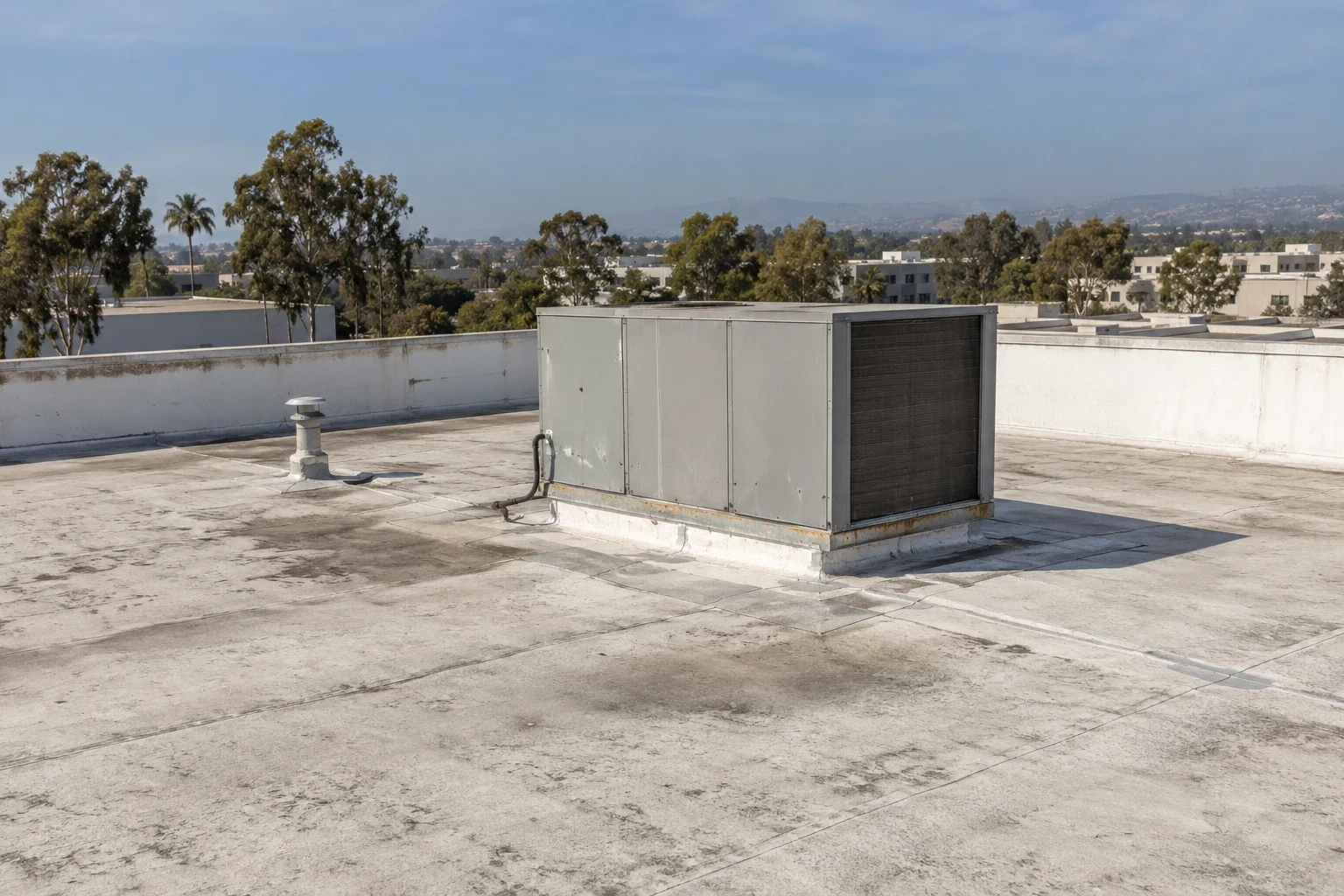
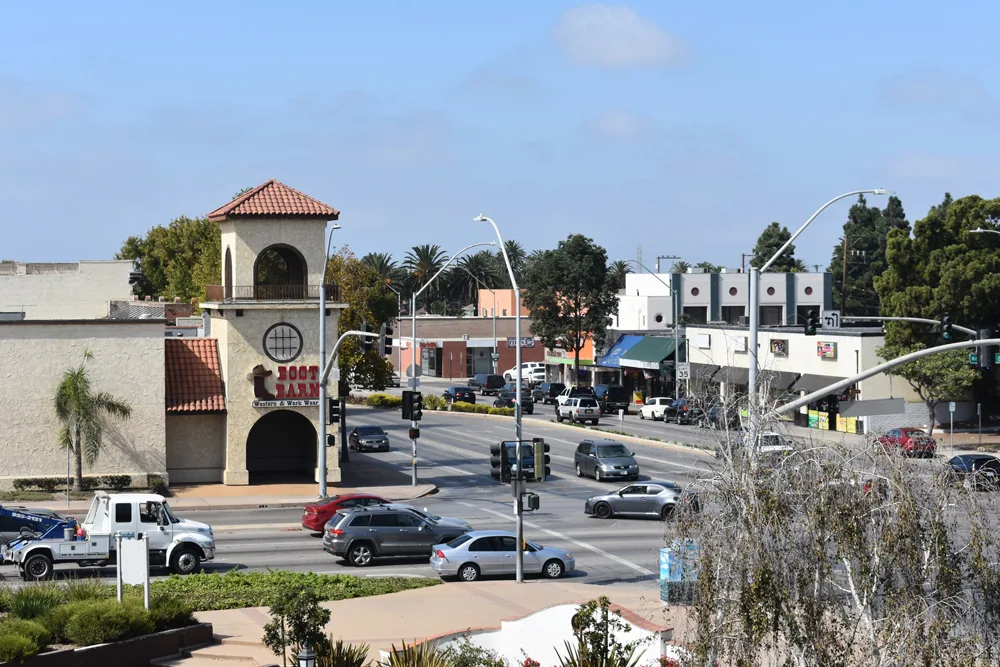
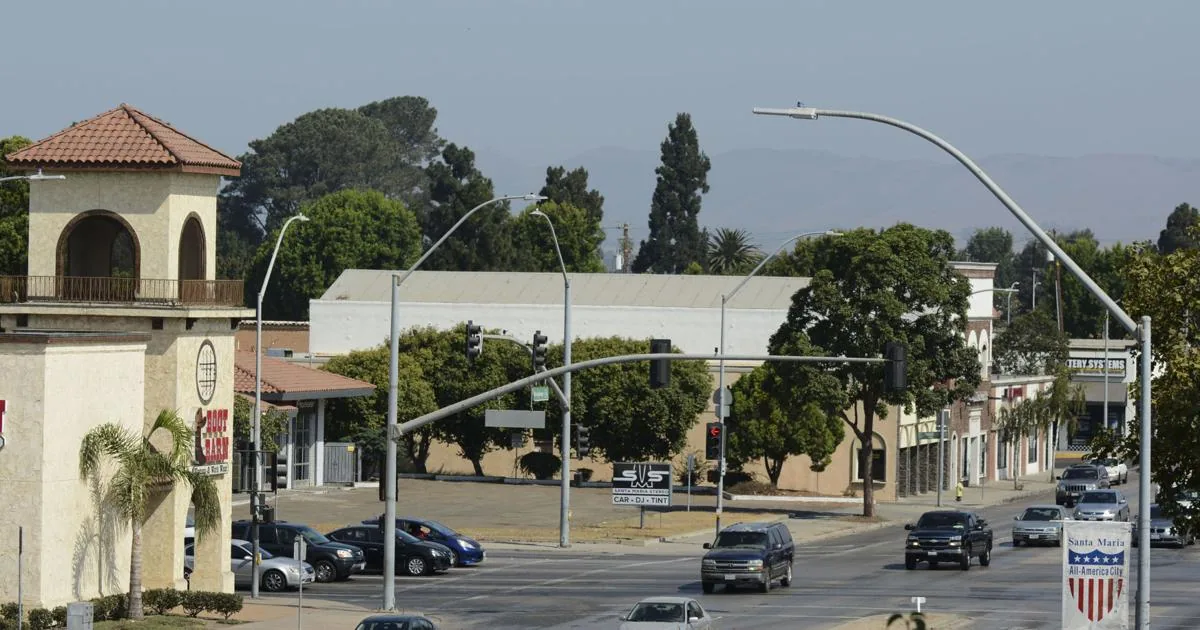
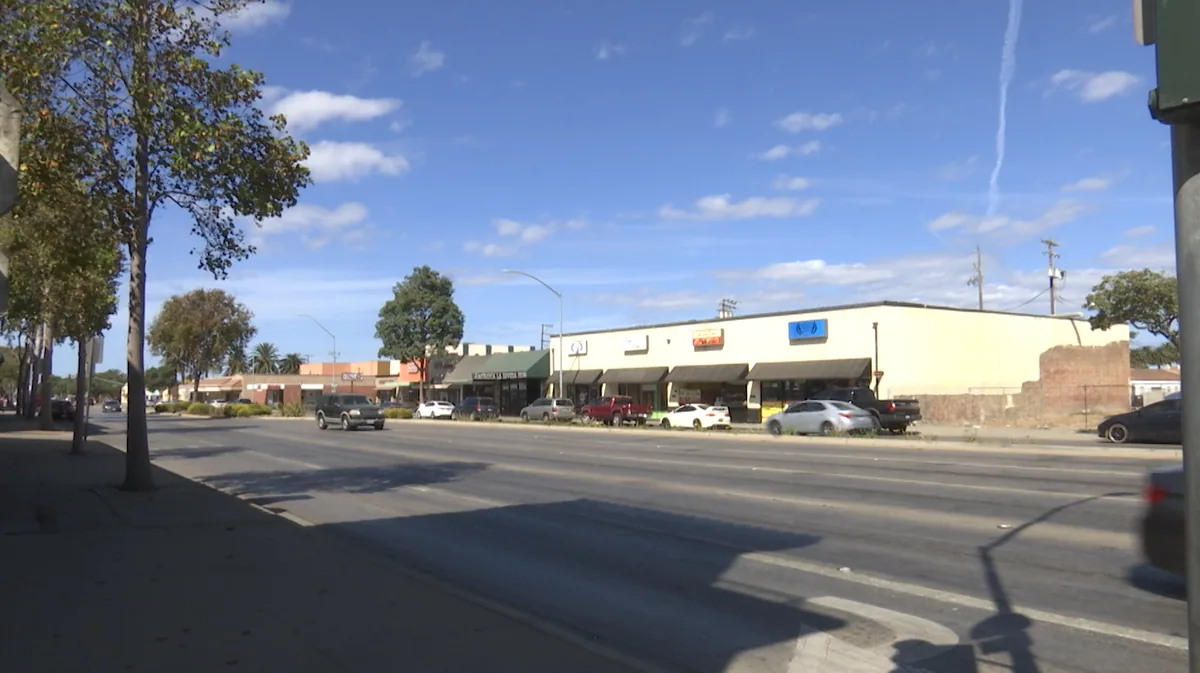
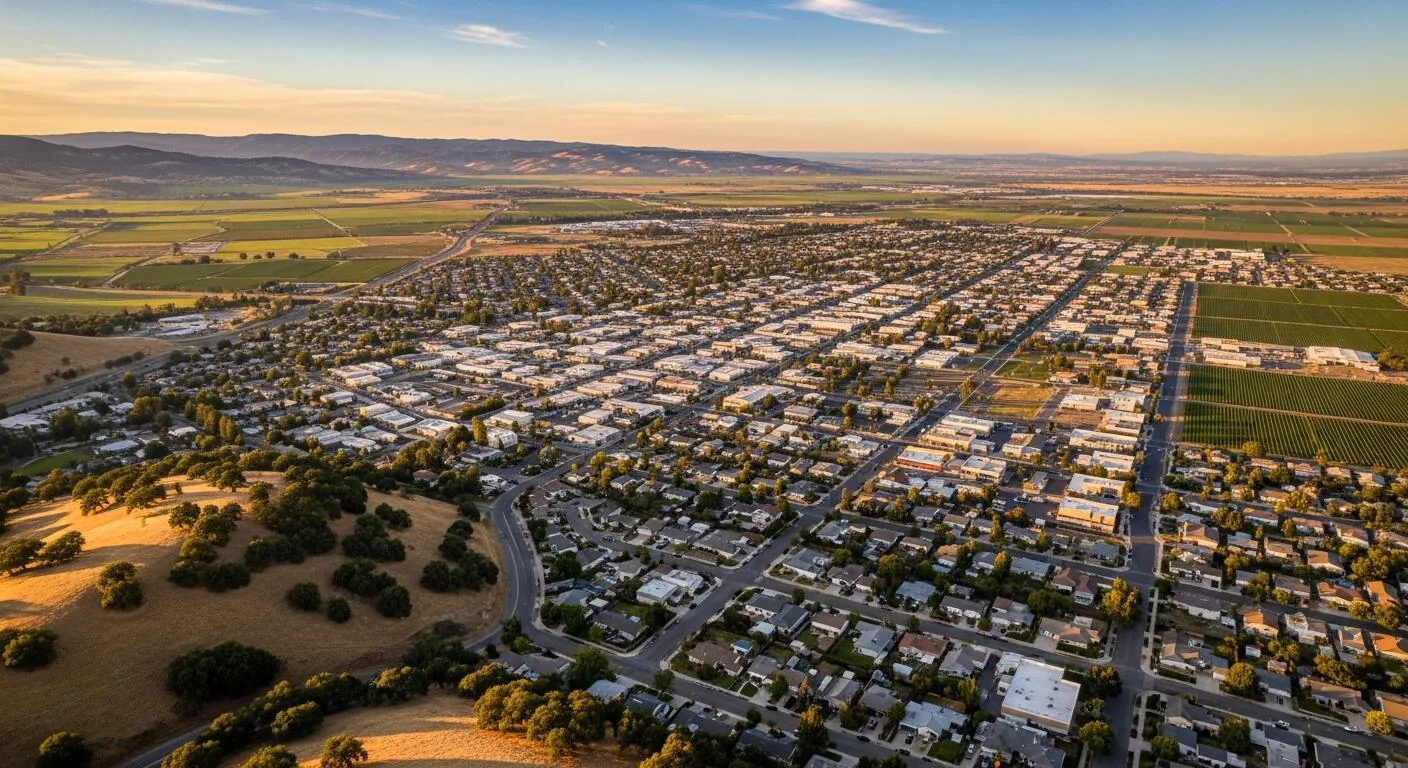
A lap lifting beside a rooftop unit can turn a small repair into a tenant notice, an equipment shutdown, and a scheduling decision. In Santa Maria, CA, we check the membrane edge, curb corners, drain path, and work access before setting the repair boundary. A portfolio may include shops along the Betteravia Retail Corridor and office or industrial uses near the Airport Business Park. Those places have different operating demands, so we inspect each property before grouping work.
For a manager with several roofs, the useful record makes one building comparable with the next without pretending they share the same assembly. We mark the roof zone, photograph the detail, record moisture readings where testing is warranted, and note what is ready for repair. A multi-property roof program can organize that information by address, priority, access window, and budget year while keeping each roof decision tied to evidence from that building.
Inspection: start with the detail that moves water
A drain bowl, wall termination, or curb tells us where to begin, but the repair boundary depends on the sheet and substrate around it. We walk the route from the reported interior mark, check seams and laps, and photograph nearby transitions that could explain the entry path. If a moisture reading or test opening would change the scope, we identify the location and the protection needed below before proceeding. A commercial roof inspection gives the manager a mapped condition report instead of a list of unlocated observations.
NOAA's Santa Maria airport station records a 1991-2020 normal of 13.32 inches of precipitation per year. On the roof, we assess whether water is collecting, outlets remain open, and laps or terminations need repair. If widespread standing water remains on the roof two days after rain, City code requires a drainage evaluation with corrective steps. A ponding-water evaluation can separate an outlet problem from a slope or insulation question.
Repair options: keep each scope accountable
Repeated service calls at one property do not automatically mean the full roof should be replaced. We compare the repair history with current seam condition, flashing, attachment, moisture evidence, and the areas that remain untested. Where the existing sheet and substrate can accept a compatible repair, we price that boundary and record nearby items separately. If wet insulation or widespread attachment concerns change the decision, a replacement assessment can identify removal, recover, and permit questions before a capital request is prepared.
For properties that can remain occupied, the work plan states where material will be staged, which doors or tenant routes are affected, and how each section will be secured at the end of the shift. We can schedule a phased reroof sequence around access hours, deliveries, or sensitive rooms. Emergency response is available every hour of every day, holidays included. The first visit addresses active water entry and protection; permanent work follows after we can inspect the detail and establish a sound repair boundary.
Timing: include the holds before setting dates
New-covering work has two City approval gates: a building permit and a pre-roof inspection, with written authorization before application. Review may include roof support and deck, runoff, the old roof's attachment, damp insulation, and fire-retardant provisions. We place that inspection hold in the schedule before tear-off or installation, then plan staging and daily dry-in around it. If the project includes occupied retail or service space, notices and temporary barriers can be tied to the same roof zones shown in the field record.
Fog can change when cleaning, bonding, or coating preparation is ready. Heavy fog appears on an average of 62.4 days each year in the KSMX record, which spans 42 years. We verify surface and substrate conditions on site, adjusting the work window when the specified materials need a dry surface. A coating restoration scope includes surface preparation and cure timing, while a roof walk near Betteravia can be arranged around the property's operating hours.
Maintenance: preserve decisions between visits
After work, we give the manager the roof-zone map, photographs, materials used, drain observations, and any item left for follow-up. That file lets a regional team distinguish a completed repair from a detail that still needs testing. It also helps a new manager understand why one building received a patch while another entered a replacement budget. A photo-based condition report can keep observations and repair history together without assigning an unverified service life to the roof.
Routine visits can check drains, scuppers, exposed laps, perimeter metal, curbs, and roof access paths before those conditions interfere with planned work. We also note service traffic that may have disturbed a flashing detail and identify areas where stored materials or debris restrict drainage. A preventive maintenance visit can group these checks by property and season. If a repair cannot be completed during the first visit, the report states the temporary protection, remaining exposure, and next action so the portfolio schedule can reflect the real condition.
Building context: account for different uses
A retail roof with customer entrances has a different staging route from a light-industrial building with scheduled deliveries. The City describes Betteravia as a commercial corridor with shopping and office uses, while Airport Business Park planning includes airport services, research, manufacturing, and administrative uses. Before scheduling, we confirm the property's access rules and inspect its actual roof assembly. We confirm the actual membrane, penetrations, interior use, and access rules during the walk.
Santa Maria's economy also includes agriculture, health care, education, manufacturing, tourism, and government. A manager may oversee facilities serving different tenants and operating schedules across that mix. Ownership groups can compare those records with a roof program for commercial investors or the access needs of multi-location retail operators. We ask which rooms or processes need advance notice, whether the roof shares access with other trades, and which repair can be completed without interrupting service. Those answers change staging, protection, and cost. They belong in the scope beside the roof detail, not in a general note that leaves the property team to work out the sequence later.
Commercial Roofing Questions
How can a regional team compare roofs without treating them as identical?
Use the same record fields, then keep each finding property-specific. We map the roof zones, assembly, visible defects, moisture evidence, access limits, and work already completed. The report can rank urgent water entry or drainage concerns while leaving replacement decisions tied to each building's actual deck and membrane condition.
What should be included in a roof repair request for tenants?
The notice should match the repair zone and the route below it. We give the manager the affected entrance or floor, planned work period, expected noise or material movement, protection limits, and daily dry-in boundary. If inspection reveals a larger condition, the team can revise the notice using a documented scope rather than a broad, open-ended closure.
When does a recurring leak move from repair to capital planning?
Compare the number and spread of repairs with seam condition, substrate evidence, attachment, drainage, and the cost of repeated access. We describe which findings support a local repair and which need testing or replacement pricing. That gives the asset team a defensible budget choice without using one leak as proof that the full roof has failed.
Can emergency roof work be arranged after business hours?
A call can be answered around the clock, including weekends and holidays. We first locate active entry, protect the affected interior, and record the temporary measure. Access, weather, and the roof condition determine the immediate sequence; the permanent scope follows after the detail can be inspected and the substrate is ready for the specified repair.
Related
Plan the next roof visit
Tell us about the building and what you are seeing on the roof. Request a roof assessment and we will set up a time to look at it.