Commercial Roofing in West Stowell Industrial Corridor, Santa Maria, CA
Arrange a West Stowell roof walk
Share the roof access limits, operating schedule, leak locations, and prior repair notes. We will inspect the assembly, drainage, curbs, and edges, then document a defined repair or replacement scope and any inspection hold before pricing the work.
Request a roof assessment or call 555-555-5555.
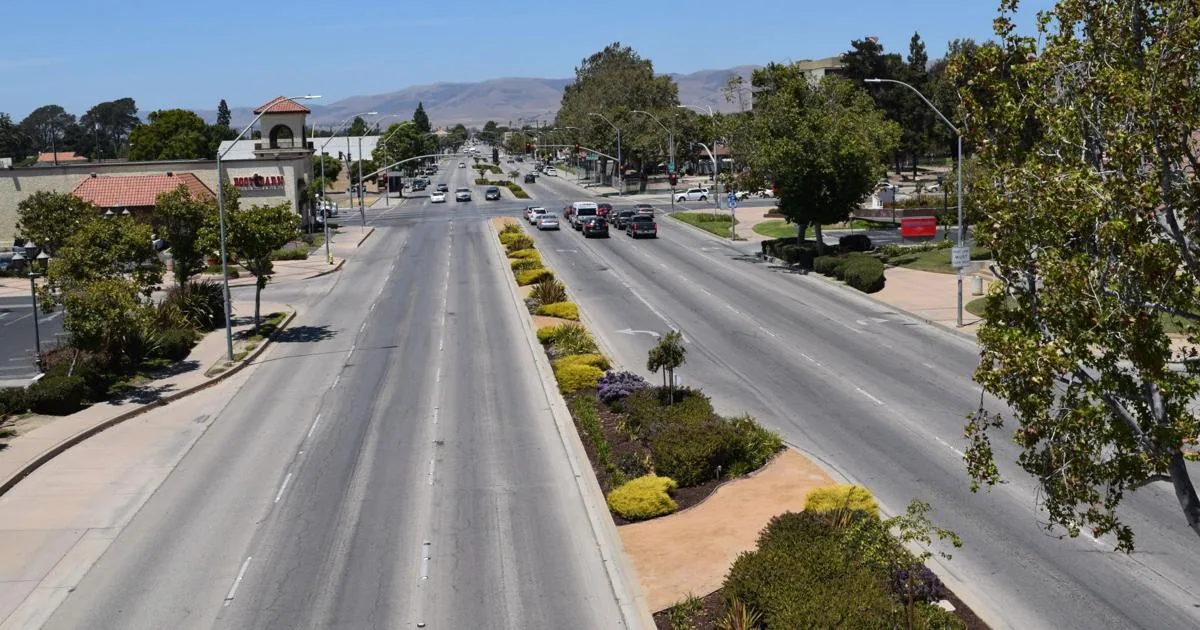
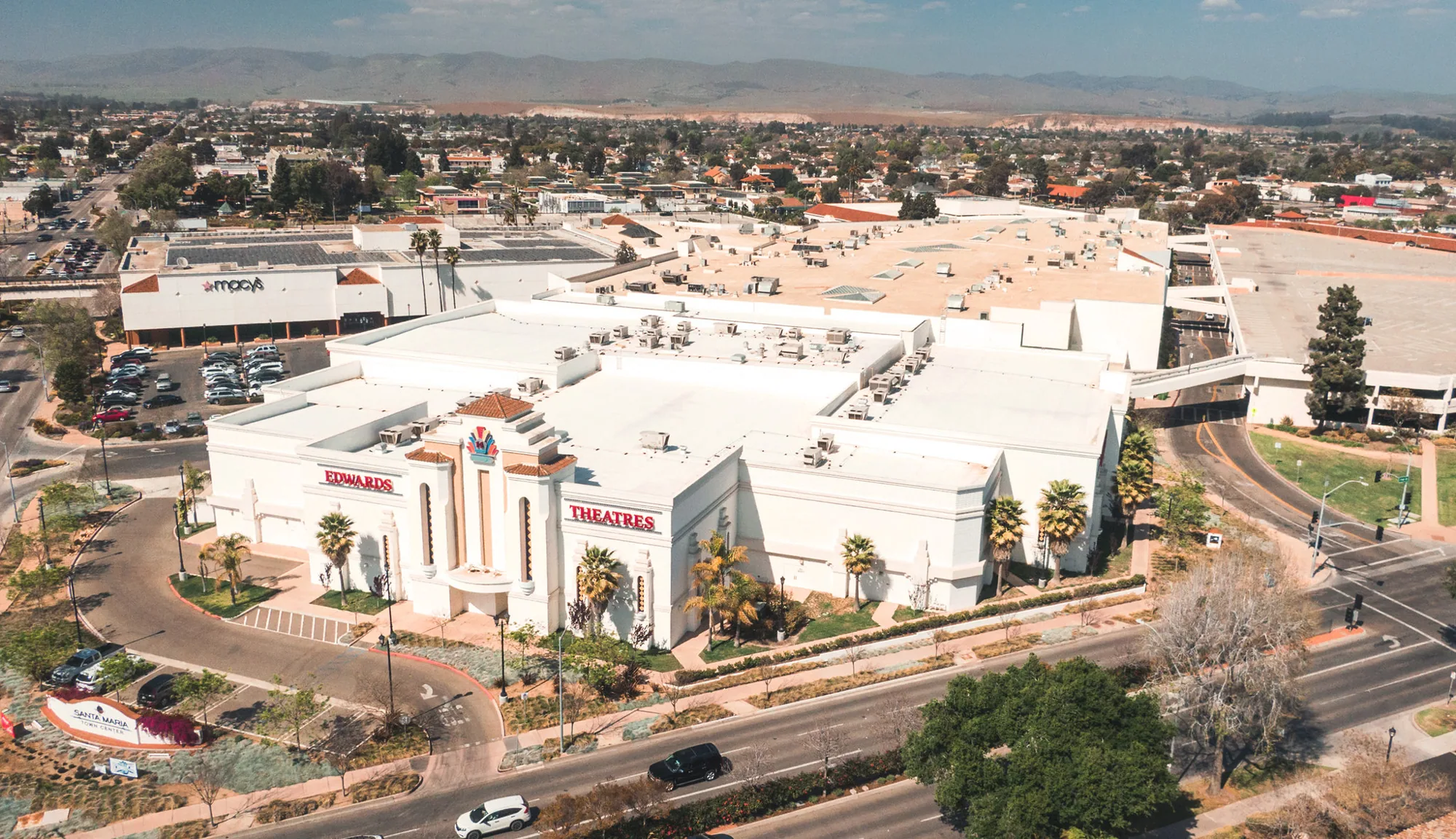
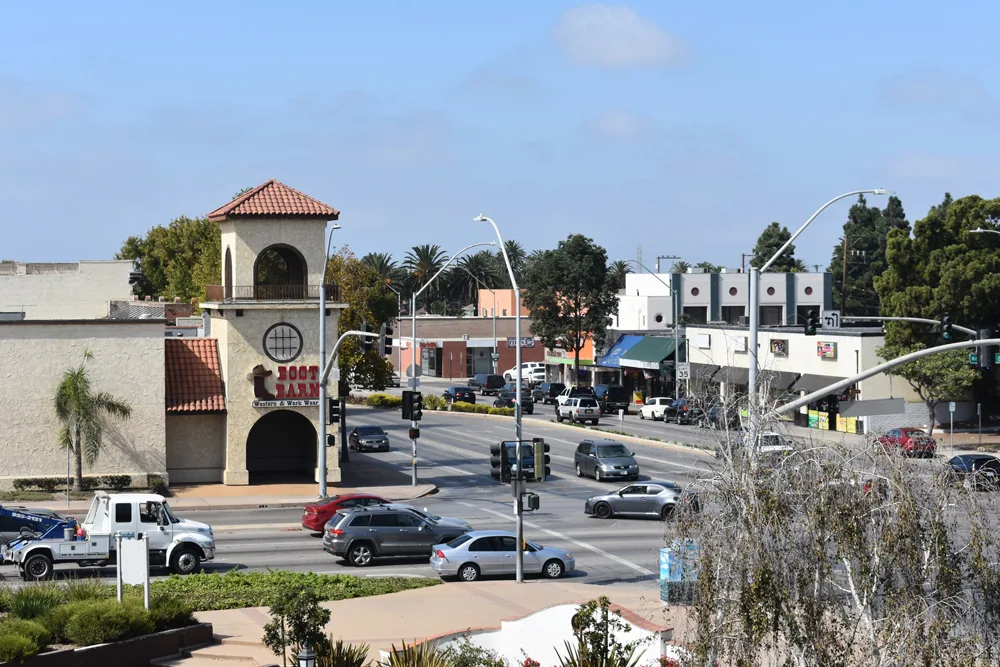
A curb crowded by service lines can decide where a roof walk begins in the West Stowell Industrial Corridor. Santa Maria, CA planning allows manufacturing, processing, warehousing, storage, utilities, and equipment repair in this employment area. We check the actual roof assembly, mark the curb and nearby seams, then note the access route and staging limit before setting a repair boundary. A planned use does not identify the membrane on an individual building.
The City review describes agricultural, industrial, and commercial uses around the multi-property area, with freight rail nearby. Those uses make coordination with operations and deliveries part of the roof sequence. We can inspect, repair, recover, replace, restore, coat, or maintain commercial low-slope and metal roofs. The first decision is narrower: what is open, what is wet, and what detail can be worked safely without interrupting a necessary route below?
Inspection: trace the detail before the stain
A wet mark under a warehouse bay may align with a roof opening several feet away. We compare the reported location with seams, curb corners, wall transitions, drains, and any repair that crosses the likely water path. A close photograph shows the condition; a roof-zone label lets the manager find it again. If the assembly is unclear, we record that as an open question and propose a test only when it can settle a specific scope decision.
At each equipment curb, we look at the flashing turn, termination, fasteners, and adjacent membrane. A unit that has been serviced can leave disturbed sealant or a loose tie-in. We note whether the surrounding sheet is sound enough for a compatible repair and whether another trade needs to return before the roof detail is closed. The commercial roof inspection can document those observations with photographs and a marked plan, so a repair price follows a visible boundary.
Drainage receives its own check. We look for a blocked bowl, loose clamping ring, low areas, and overflow paths, then compare what remains after rain with the roof's slope and details. Where extensive standing water lasts beyond two days after rain, Santa Maria calls for drainage analysis and corrective work. We record the observed condition and distinguish a drain service from a larger question about slope, insulation, or structural support.
Repair options: keep the boundary tied to the roof
A patch belongs on a prepared surface and sound material. We remove loose or incompatible material within the defined area, prepare the substrate, and tie the repair into the existing system using a compatible detail. For a sheet membrane, the lap or patch perimeter must be secure; for metal, the fastener line, panel joint, and flashing have different repair needs. We identify the system before choosing a method rather than treating every leak as a sealant task.
When water appears at more than one point, we compare the roof map, interior reports, repair history, and moisture evidence. A limited repair may be appropriate where the membrane and substrate remain sound. If repeated failures cross separate zones, a broader inspection can compare recovery, coating, or replacement against what testing confirms. The commercial roof repair scope can separate urgent water control from permanent work, while a restoration review first checks adhesion, moisture, and surface preparation.
At Santa Maria Public Airport, the annual precipitation normal is 13.32 inches across the 1991 to 2020 record. We check the West Stowell roof's surface and drainage before setting the work window. We base the sequence on the surface and substrate at the property. A seam repair fits when the lap itself is the observed defect.
Timing: make room for access and dry-in
Industrial work can involve forklifts, service vehicles, stored materials, and active equipment below the roof. We ask which doors or routes must stay clear, where a lift can be positioned, and whether work hours follow a production or delivery schedule. The crew can then choose a staging area and daily dry-in limit that protect the building while keeping operations moving. If a roof opening needs to remain accessible for inspection, that hold point is included before material is removed.
Before a new covering goes down, the City requires a permit and written signoff at a pre-roof inspection. That review can examine structural support, the deck, runoff, how the old roof is held, wet insulation, and fire protection. We document the assembly and identify the inspection hold before covering work begins. Those steps affect the sequence and calendar, especially if removal reveals a condition that needs an owner decision or further evaluation.
A leak can be reported overnight, on a weekend, or on a holiday. We first limit entry and protect the space below, then document what the temporary work leaves for permanent repair. That distinction matters when a temporary dry-in keeps the operation open but does not correct a failed curb or wet substrate. A round-the-clock roof response can address the immediate condition and establish the next access and repair steps.
Building context: plan around the work below
West Stowell's permitted activities include manufacturing, processing, warehousing, storage, utilities, and equipment service. Each can put different demands on access below the roof, but the plan does not state what any particular building contains. We ask the manager to identify operating areas, restricted zones, and overhead-sensitive work before we select a roof route. A written staging note can keep ladders, materials, and temporary protection away from the paths that need to remain open.
The nearby freight rail is part of the City review's area description. For work, we confirm the property's gates, laydown area, and rules, then divide an occupied roof project into sections that can be dried in at shift end.
Service paths can wear a membrane or loosen a detail. We check walk pads, curb flashings, and equipment edges where present. Mixed work areas need a coordinated access plan, while metal panels need a different repair method than a membrane seam. Area 9 has its own manufacturing and commercial designations; the Area 9 plan area is a separate service location.
Maintenance: preserve a useful roof record
After repair, we retain the location, photographs, materials, and any condition left open for follow-up. That record helps a property manager tell a new leak from a return at the same curb or seam. We check drains, edges, penetrations, and prior tie-ins, then update the map. The maintenance program can focus on those details and keep the inspection route aligned with operations.
Keep records separate by property and roof zone. The West Stowell review describes a multi-property employment area, but it does not establish that buildings share construction or roof condition. We document each assembly where visible, flag uncertain layers, and note access limits that could affect future work. A roof condition report preserves dated observations for the next decision. North Preisker also has commercial and industrial activity, described in this commercial and industrial area.
Cost and timing depend on the repair area, access equipment, membrane or metal type, preparation, wet material, and the need for testing or permit review. We state which items are priced from visible conditions and which depend on an inspection result or owner authorization. If the roof is suitable for a larger scope, the replacement evaluation can compare removal, recover, and repair options against the documented assembly. A clear boundary keeps the decision connected to the condition we found.
Commercial Roofing Questions
How do you handle a leak near equipment service work?
We inspect the curb, flashing, nearby seams, and disturbed surfaces, then compare them with the interior report. If another trade must finish first, we record that point before closing the detail.
Does ponding mean the roof needs replacement?
Standing water calls for a drainage review. We document the outlet and nearby details. Santa Maria's drainage code applies when ponding covers an extensive area and lasts beyond the two-day mark after rain; the inspection sets the repair needed.
What changes the schedule for an industrial reroof?
Access, staging, daily dry-in, permit review, and the pre-roof inspection set the sequence. The plan states the hold point and routes that must stay clear.
Can a temporary repair be followed by a permanent scope?
Yes. We record the temporary protection, then inspect the substrate and detail when conditions allow. The permanent proposal identifies the repair or larger work still needed.
Related
Plan the next roof visit
Tell us about the building and what you are seeing on the roof. Request a roof assessment and we will set up a time to look at it.