
Office Building Roofing in Santa Maria, CA
Arrange an office roof inspection
Share tenant access windows, leak locations, prior repairs, and any roof plan. We will inspect the perimeter, drains, curbs, and membrane, then document the repair boundary and permit holds before pricing.
Request a roof assessment or call 555-555-5555.
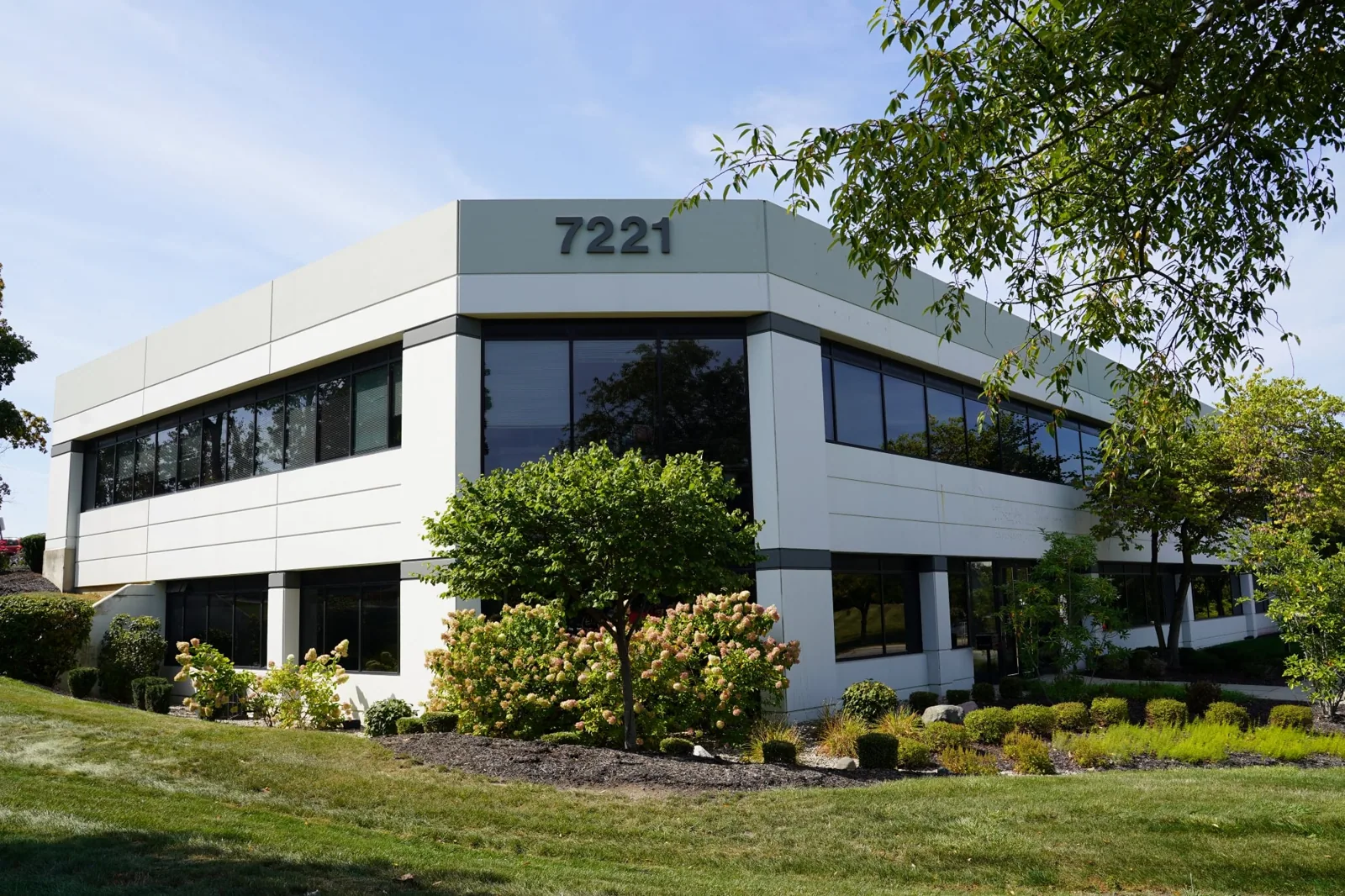
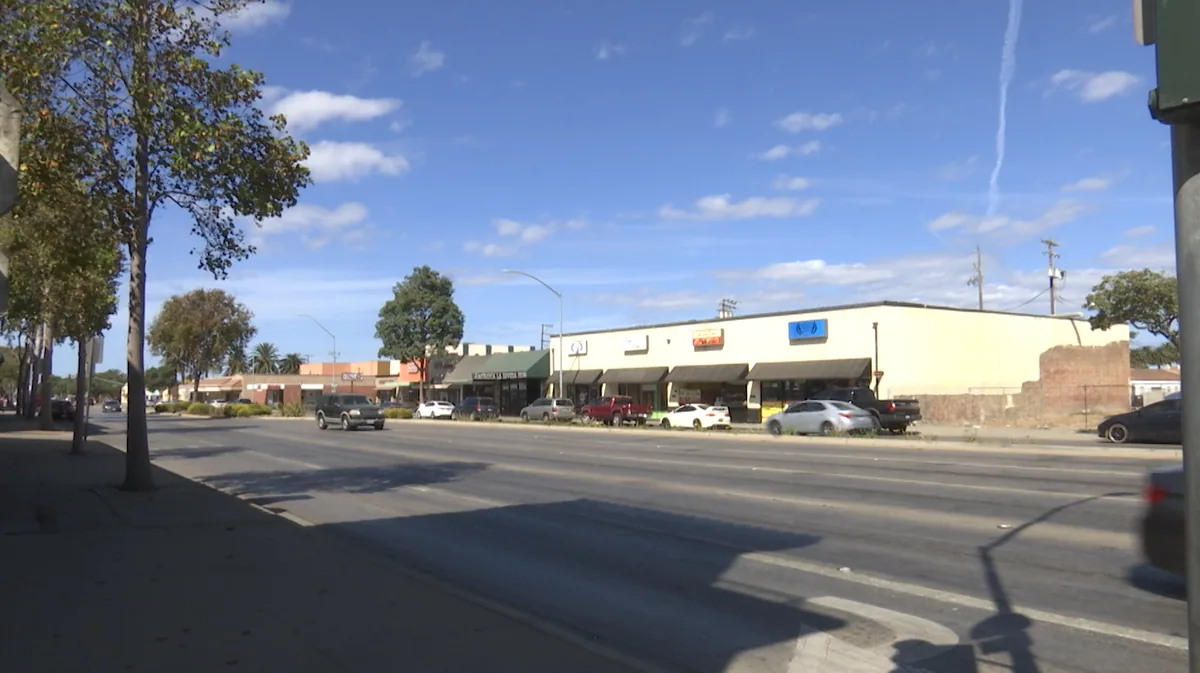
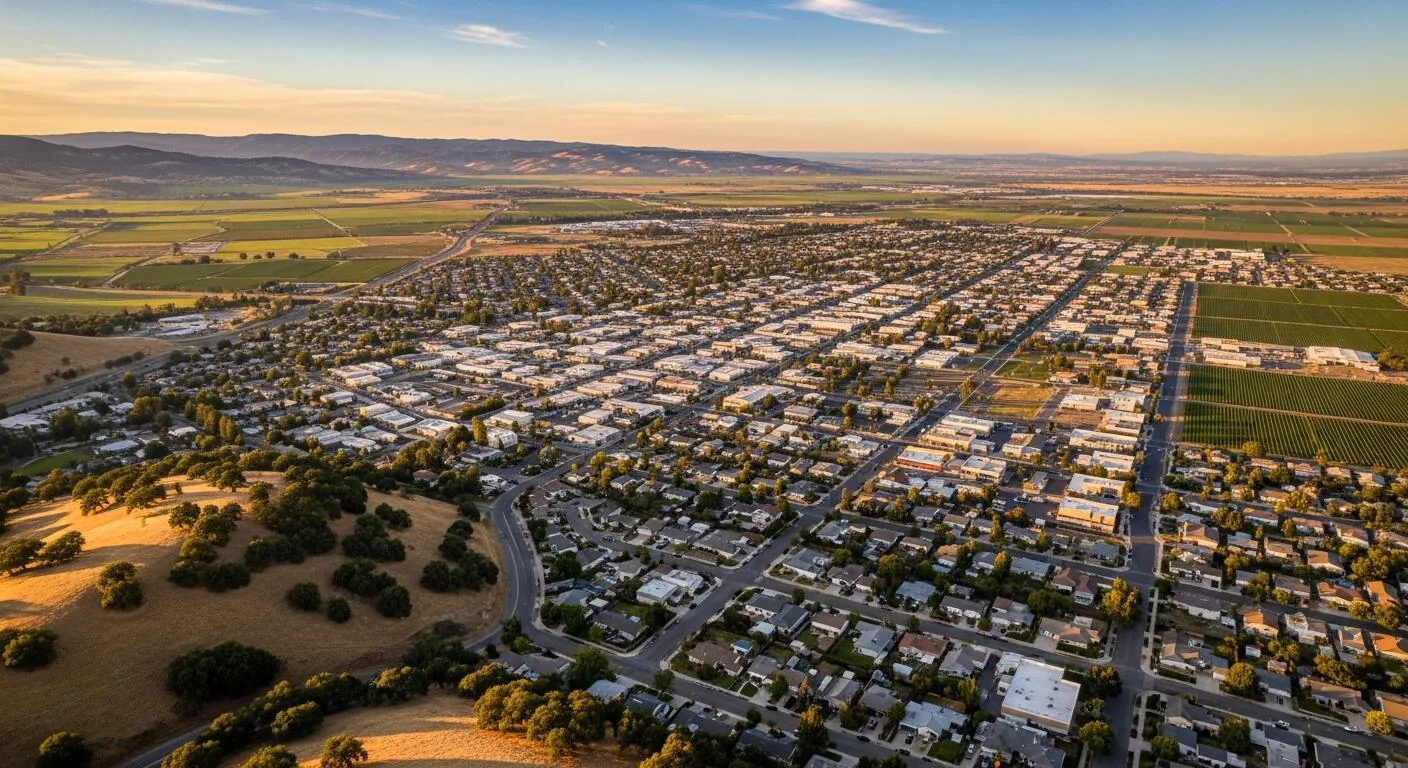

A loose coping joint over an occupied office can put water behind the wall before a ceiling tile shows a stain. In Santa Maria, CA, we check the edge, membrane turn, nearby equipment curbs, and drains before assigning the repair boundary. Downtown Santa Maria's specific plan allows retail, service, food, hotel, and mixed-use categories; Santa Maria Airport Business Park planning describes office, research, laboratory, and administrative employment. For an office building in either area, we inspect the roof assembly and record its own access limits.
Occupied offices need a clear path between the roof repair and the tenants below. We identify the affected floor, access hours, sensitive rooms, and any noise restriction before setting a work window. The roof walk then maps seams, penetrations, perimeter metal, and drainage by section. That lets the manager coordinate notices and interior protection around a defined roof task instead of keeping a broad area closed without a reason.
Inspection: read the edge before the ceiling
At a parapet, we check the membrane termination, coping laps, joints, and corners where wind and water can work at the same time. A ceiling mark near an exterior wall can connect to a loose termination several feet away. We trace accessible seams and penetrations, photograph the path, and identify what was tested. If the source remains uncertain, we describe the next sample or survey that could change the repair scope.
Santa Maria's KSMX station records a normal 13.32 inches of annual precipitation for 1991-2020. We use it as local context while looking at actual drain bowls, scuppers, overflow routes, and low areas after rain. A roof holding broad areas of water more than two days after rain meets the city's trigger for drainage study and corrective work. A drainage repair scope can be separated from a flashing repair.
We inspect rooftop units and curb transitions for loose metal, open corners, disconnected sealant, or an unused opening left by relocated equipment. The inspection record maps each observation to a roof zone and nearby interior area. If moisture readings are warranted, an infrared moisture survey can help identify where a test opening would answer the remaining question.
Building context: keep tenants informed
Office roof work can affect meeting rooms, occupied floors, entrances, and visitor routes. We ask which areas need advance notice and whether roof access shares a corridor with other building service. If drilling or material removal is expected, the schedule identifies the work period and the protection below. For a leak repair, we mark whether a ceiling inspection or contents relocation is needed before the crew opens the roof.
The Downtown Santa Maria Specific Plan includes retail, food, service, hotel, public, and mixed-use categories, while the Airport Business Park EIR includes office and administrative employment among planned or allowed uses. We identify the installed roof system during the inspection before selecting compatible repairs. We confirm the actual membrane, roof elevations, access rules, and equipment before writing the scope. A roof walk near the North Broadway commercial corridor still follows the same property-specific inspection boundary.
Santa Maria's KSMX summary lists 62.4 heavy-fog days per year as an average across a 42-year station period of record. We check whether the working surface is ready for cleaning, bonding, or coating before starting. If conditions do not support the specified material, the manager receives a revised work window rather than a shortcut that compromises preparation.
Repair options: separate finish work from source repair
Interior finishes may need attention after a leak, but a roof repair begins at the confirmed water entry detail. We check the membrane, curb, edge, or wall connection and extend the work only to sound material. The proposal states whether the ceiling or wall finish is included or left to another trade. That boundary helps the property manager coordinate occupants without treating a dry interior surface as proof that the roof detail is corrected.
If several floors report water after one storm, we compare locations with the roof map before choosing separate patches. Water can move beneath the sheet, so we inspect seams and transitions between the entry point and the room. A medical office roof review considers similar access and occupant concerns, while a hospital roof evaluation plans around more controlled operations. For an office replacement, a reroof scope lists tear-off, substrate, insulation, flashing, and protection separately.
Timing: place the permit hold before close-in
Before tear-off, we agree on the roof area that may be open, how it will be protected at the end of each shift, and who can authorize changes if hidden damage appears. The manager identifies tenant notices, quiet hours, and lift access. A repair that can be completed in one visit is kept separate from work requiring a test cut, interior protection, or a city inspection. That gives the schedule a useful limit instead of a vague completion promise.
Permit timing matters on an office reroof: Santa Maria requires a building permit and written city approval after its pre-roof inspection before a new layer is applied. We keep the review ahead of close-in and provide access to the roof. Officials may consider structural support, drainage, deck, old fastening, moisture, and fire-related items. If a recover is considered, we first document existing layers and moisture conditions to establish whether the selected assembly is appropriate.
Emergency roofing service can be reached at any hour, including holidays. In an occupied office, we first reduce water movement and shield the room below; next we record the temporary fix and the edge, seam, or curb repair that must follow. A commercial emergency roof visit can be coordinated with building access and occupant needs; we do not promise arrival or completion times before those conditions are confirmed. The manager receives the immediate scope and the next decision point separately.
Records: tie every recommendation to a roof zone
We return photographs, roof-map references, repair materials, access limits, and follow-up items in a condition record. The manager can connect each roof finding with a tenant report or interior work order. If another leak appears, the next visit can compare the same curb, drain, or parapet rather than start with an unmarked set of photos. Inaccessible areas stay identified as such, so the record does not imply that the entire roof was inspected.
A maintenance visit can revisit edges, drains, and equipment details at a cadence that matches the building's access and condition. A roof condition report keeps repair priorities connected to observed evidence for budgeting. If roof access requires escorts or a key schedule, we include that contact information in the property record so the next visit can be arranged without delaying a simple inspection.
Commercial Roofing Questions
Can roof repairs be scheduled outside office hours?
A short repair may fit an early or late window if roof access, material conditions, and dry-in can be completed safely. We identify noise, lift, and interior-protection needs with the manager first. Work requiring inspection approval or a larger removal area may need a longer daytime sequence.
How should we handle ceiling damage during a roof leak?
We first identify the active water path and protect the interior area. Our roofing scope records whether ceiling removal or finish work belongs to another trade, then documents the roof detail that needs correction. If moisture remains above the ceiling, we note whether a sample or separate interior inspection is needed.
Will a roof inspection include every tenant space?
The manager identifies occupied rooms or ceilings that need access, and we record the areas actually inspected. A roof walk and an interior review are distinct tasks. If a tenant space is unavailable, the report lists that limitation rather than treating the room as cleared.
What sets the order of office roof repairs?
Active water entry, exposed openings, loose edge metal, and conditions that could affect occupied rooms move forward first. We map the roof zones, confirm access and protection, and separate immediate repair from a test or replacement decision that needs more information.
Related
Plan the next roof visit
Tell us about the building and what you are seeing on the roof. Request a roof assessment and we will set up a time to look at it.