Commercial Roofing in Area 9, Santa Maria, CA
Set a roof walk around your operating window
Send the roof plan, current leak location, equipment limits, delivery hours, and any prior repair notes. We will inspect the agreed zones, document drainage and seam conditions, and provide a repair boundary with access and approval steps before broader pricing.
Request a roof assessment or call 555-555-5555.
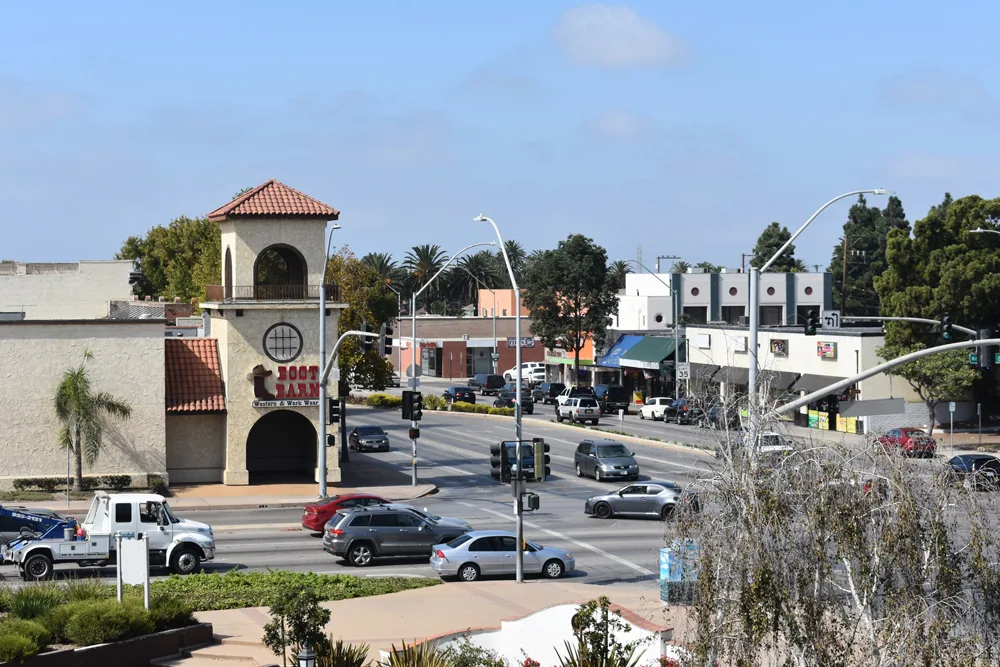
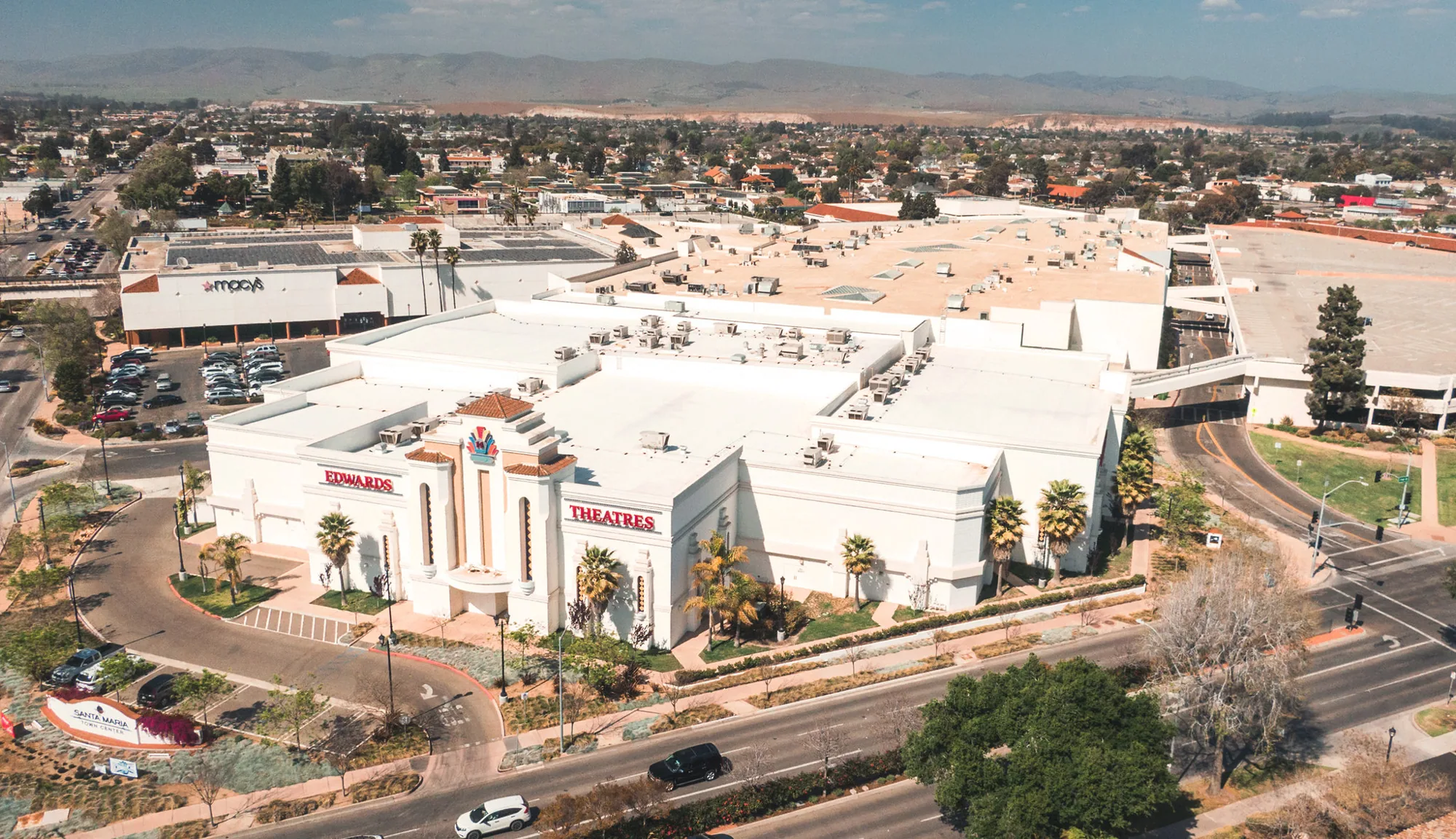
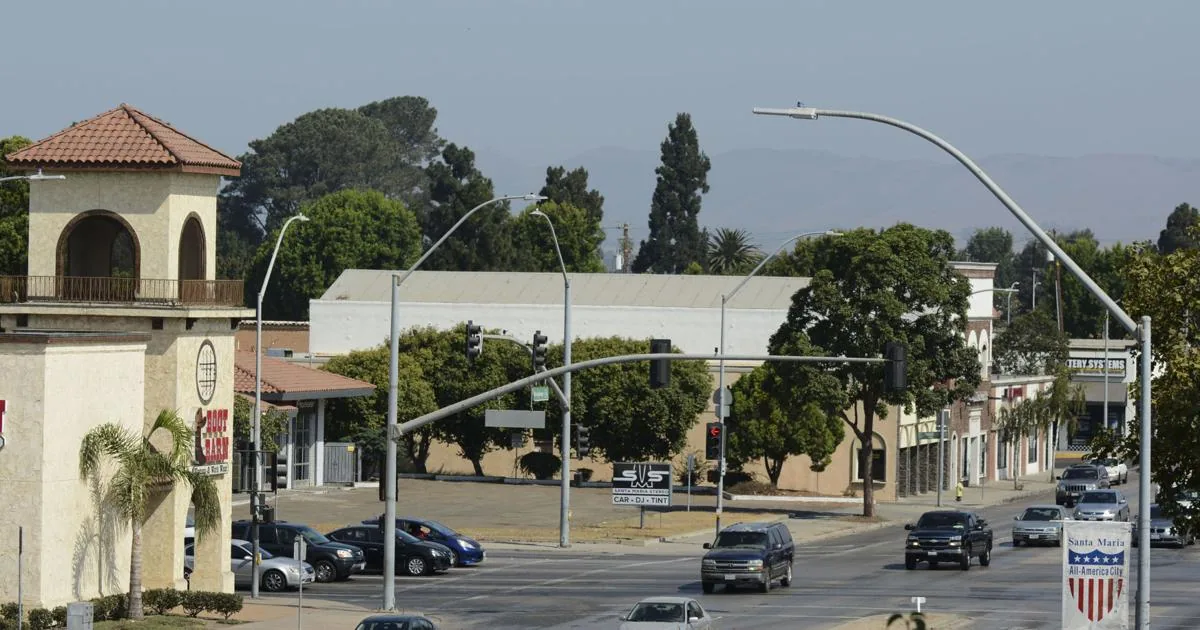
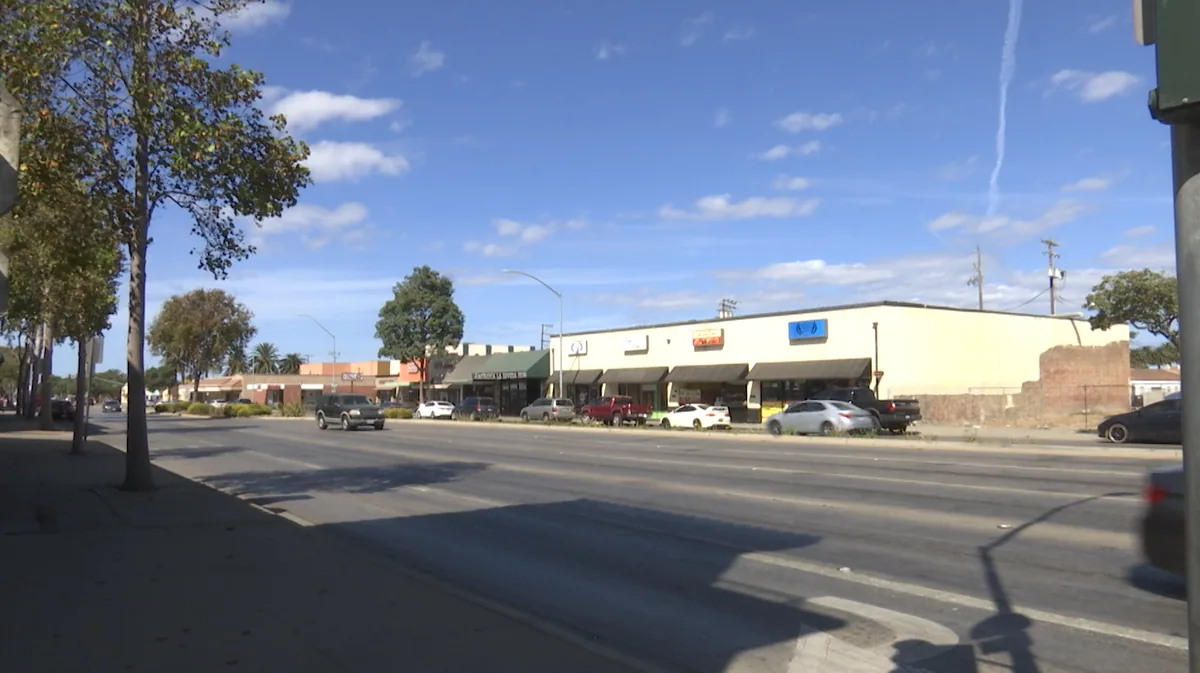
A long roof seam can cross several operating zones before it reaches a drain. In Area 9, we identify the roof section, check where the lap changes direction, and map equipment or staging limits before marking a repair boundary. The City plan covers about 890 acres with light and general manufacturing, commercial manufacturing, office, commercial, and open-space designations. It assigns roughly 451 acres to light manufacturing and 144 acres to general manufacturing. Those categories provide context for coordination, while the building walk establishes its actual roof assembly and condition.
City planning materials envision warehouse buildings, dealers in building supplies, equipment-service businesses, and agricultural packing or processing operations. That range can mean deliveries, machinery, stored goods, and staff activity below the work zone, but a designation cannot tell us what happens at one property. We ask the manager to identify occupied areas, equipment service points, and delivery windows before access is set. We follow the seam to its termination and photograph nearby curb, edge, and drain details. A roof inspection can organize that field sheet for the owner.
Roof walk: mark each operating area
On a manufacturing or packing use, rooftop equipment may serve a process area that needs a separate access window. We confirm which units are active, whether service clearances must remain open, and which roof zones the manager wants reviewed first. A roof plan helps us mark zones and transitions; if none is available, we label them from fixed points a later visit can find.
We record the membrane or metal assembly when visible, inspect seams and flashings, and note where the deck or insulation needs an approved opening. A clean field does not settle questions at a buried termination or repair edge. If access is limited, the report identifies the unseen area and how that limit affects the recommendation.
Drainage: trace the low points before repair
A drain bowl can be clear while the field sheet around it holds water. We inspect the basin, clamping ring, lap direction, and nearby roof plane, then record where water remains. At a scupper, we check its opening and the metal-to-membrane transition. A repair that seals the surface but leaves the flow path unchanged may return the same issue, so the proposal states whether the work addresses the leak detail, the outlet, or both.
For rainfall, NOAA's 1991-2020 KSMX normal is 13.32 inches per year. A separate table gives 62.4 heavy-fog days as the average over the station's 42-year record. The station records give local climate context; we log actual surface readiness and drainage at the property before setting the repair sequence. For a persistent low point, a drain and scupper scope can state the corrective detail before membrane work is priced.
Repair boundary: separate a seam defect from a wider condition
A split lap, puncture, loose termination, or curb flashing can support a local repair when the surrounding sheet and substrate accept a compatible tie-in. We identify the defect, prepare the surface, and show the edge of the repair. If moisture readings continue past that edge or a nearby seam has also opened, we describe the added area as a separate investigation. This lets ownership approve a defined repair while seeing what would justify an expanded scope.
When leaks recur after a patch, we check whether the boundary missed a connected detail or the system has a broader condition. We inspect the patch, adjacent seams, drains, and penetrations rather than repeating the same material over the same footprint. A commercial roof repair can specify the immediate work; a flashing review can address a curb or wall termination that does not shed water correctly.
Work sequence: stage around deliveries and equipment
Industrial work often has a narrow path from material drop to roof access. We confirm the staging point, clearances, delivery hours, and protection needed where workers cross an operating area. A written sequence identifies which roof section opens first, how the day's work will be dried in, and what has to remain available to the site. That sequence helps the manager coordinate production and equipment service without treating every part of the building as unavailable.
Surface preparation can set the start time. Fog or moisture at the substrate may delay bonding, coating, or a seam weld until system requirements can be met. We check the actual area, record a hold point when needed, and revise the order if another section can proceed. A TPO detail repair uses a system-specific tie-in and inspection check.
Emergency response remains available around the clock, including weekends and holidays, when a leak threatens an occupied area or stored materials. Temporary protection comes first; permanent work follows when the area can be prepared and the damaged assembly is understood. We tell the manager what must stay clear during the temporary step and what access permanent work needs. A rapid roof response can transition to a documented repair.
Closeout: make the next service visit easier to scope
At closeout, we label the repaired roof zone, photograph its boundary, record materials and preparation, and list nearby conditions that were observed but excluded. If a test was postponed, that item remains visible with the next decision needed. A repair map helps the next manager distinguish completed work from an older patch or a new leak report.
Before we price a broader project, share roof plans, prior repair notes, access limits, and the expected operating window. We will inspect the named areas, describe the boundary and any test needed, then set out preparation and staging steps. A maintenance plan can keep findings current, while a roof in Airport Business Park and one in West Main each get a distinct access plan and repair history.
Commercial Roofing Questions
How do you inspect a roof over an active production area?
We coordinate access with the manager, identify the roof zone and equipment clearances, then walk the agreed area and record any section that remains inaccessible. If a closer test is needed, we state what it will answer and obtain approval before opening the assembly. The report separates visible conditions from those that remain unconfirmed.
Can a local seam repair address a recurring leak?
A repair can work when the defect and compatible tie-in are confined to a defined area. Recurrence may point to a nearby termination, drain path, or moisture beyond the patch. We inspect those connected details and show whether the next scope remains local or needs additional testing.
When does ponding require added analysis in Santa Maria?
If broad ponded areas remain after 48 hours have passed since rainfall, local rules require a drainage analysis and corrective measures. We map the affected low area and outlet, then explain how that condition affects the planned roof-covering work.
What approval applies before a new roof covering?
Two City approvals shape a reroof sequence: the building permit must be in place, and the pre-cover inspection must result in written clearance. That review considers roof support, deck condition, water flow, how the current covering is attached, damp insulation, and fire protection. We place the clearance before installation in the schedule.
What affects the schedule for equipment-heavy roofs?
The access window, equipment service, delivery route, staging space, surface preparation, and dry-in plan can affect sequence. We confirm those conditions and any approval hold with the manager before material arrives. Damp substrate can also change when bonding or coating proceeds.
Can you respond outside standard business hours?
Yes. We take emergency calls at any hour, including weekends and holidays. First we protect the affected space from further water entry; after inspection and suitable preparation, we define a lasting repair. The follow-up notes separate temporary measures from remaining work.
Plan the next roof visit
Tell us about the building and what you are seeing on the roof. Request a roof assessment and we will set up a time to look at it.