
Modified Bitumen Roofing in Santa Maria, CA
Set the roof walk
Arrange access and share the building's operating limits. We will inspect the laps, flashings and drain paths, then document the repair boundary and proposed sequence before pricing.
Request a roof assessment or call 555-555-5555.
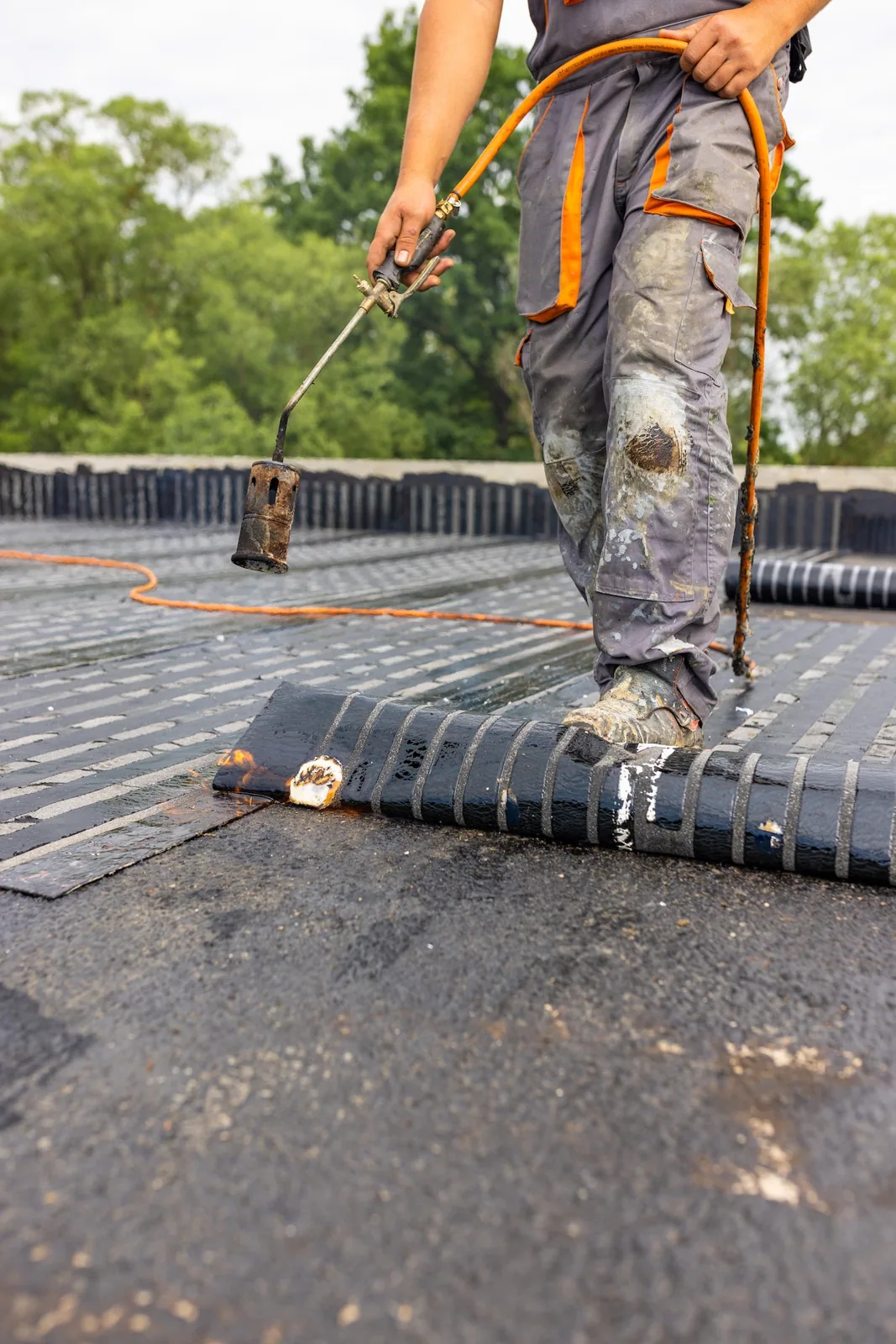
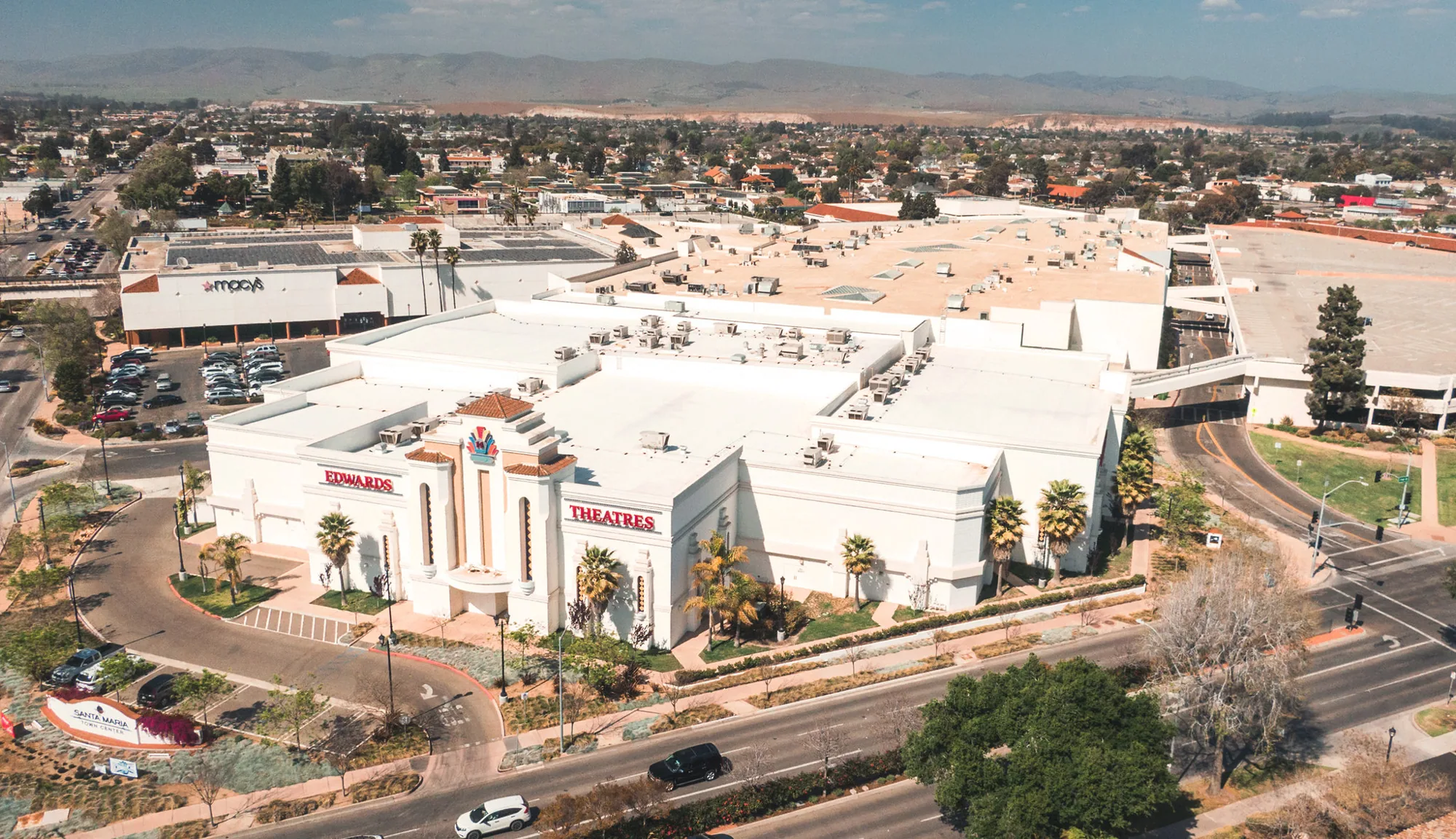
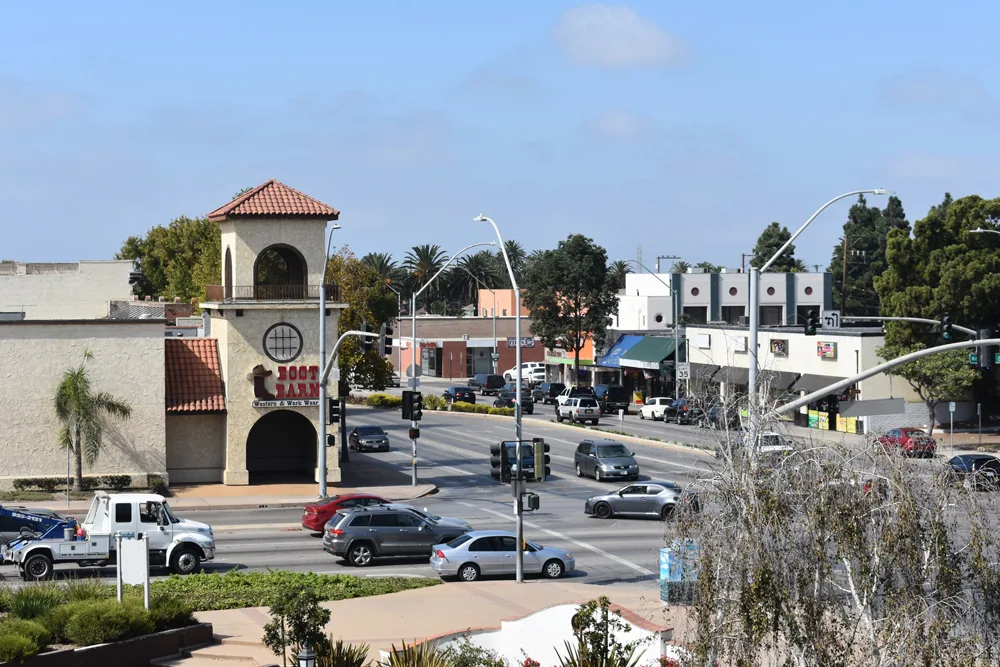
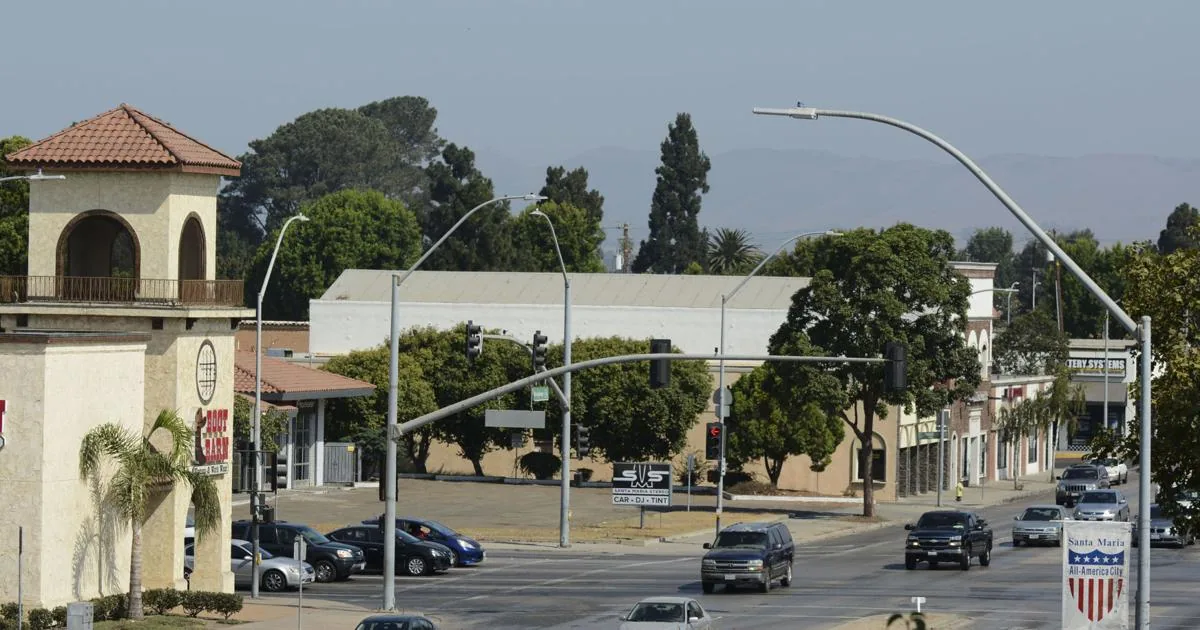
Along a modified-bitumen lap, a lifted cap sheet can direct the inspection toward the base ply and the flashing termination. In Santa Maria, CA, we trace the lap, flashing turn and drain path together, then mark where sound material begins. We document what is open, wet, loose or securely bonded before pricing a patch, recover or tear-off. Access windows, deliveries and equipment service shape staging; the roof's actual laps, flashings and drainage set the repair boundary.
Modified bitumen uses asphalt sheets modified with polymers, commonly SBS or APP, in one or more plies. The assembly may include a base sheet, cap sheet, insulation and cover board. Its performance depends on laps, flashing, attachment and drainage as much as the field surface. A roof condition inspection lets us separate a local seam defect from wider moisture or attachment concerns.
Read the lap before choosing a patch
At a seam, we look for a fishmouth, open selvage edge, exposed reinforcement, brittle asphalt or a prior patch that has lost adhesion. A repair needs clean, dry, compatible material beyond the defect. We check whether the lap is parallel or end-lapped, how the sheet terminates at a wall, and whether a nearby curb interrupts the water route. If a wet area extends past the visible opening, we map that boundary before proposing a local repair.
On roofs with several layers, the surface can conceal attachment or moisture conditions below. We note soft spots, displaced insulation, open fasteners and changes in slope without treating one observation as proof of the entire assembly. The written record can capture photographs, test locations and repair limits. That record keeps a small lap repair from silently becoming a larger scope during production.
Choose the right SBS or APP detail
SBS and APP sheets both modify asphalt, but they do not make every membrane interchangeable. A comparison with TPO membrane details and PVC seam work helps keep material differences clear. We identify the existing cap sheet, reinforcement, surfacing and attachment before selecting compatible repair materials. Granule loss, coating residue and old adhesive can change how a patch bonds. Where a torch-applied method is specified, fire controls and nearby penetrations affect the sequence; a self-adhered or mechanically attached assembly has different preparation and fastening needs.
Edges, parapets and equipment curbs need formed flashing that stays continuous through corners and changes in plane. We inspect termination bars, counterflashing, pitch pockets and the tie-in to walls, not just the cap sheet in the field. For damaged edges, the edge metal and coping scope may need to be coordinated with the membrane repair. The material choice follows the existing system and approved assembly.
Separate repair, recover and tear-off
A local repair is reasonable when sound, dry material surrounds the defect and the underlying assembly can accept a compatible patch. Repeated splits, widespread wet insulation, poor attachment or a deteriorated deck can move the decision toward a recover or tear-off. We describe which conditions support each option and what remains unknown until the assembly is opened. The repair scope should name the limits of the work, while a replacement proposal should identify insulation, cover board, flashings, edges and disposal assumptions.
Recovering adds a new assembly over an existing roof only when the existing layers, moisture, structure and code allow it. Before a covering is applied in Santa Maria, the permit and pre-roof sign-off must be accounted for. Review can reach the structure, deck, drainage, existing attachment, wet insulation and fire-retardant provisions, so we place that hold before installation. We organize the scope around those checks and the selected assembly rather than assuming that an additional layer is automatically acceptable.
Set a dry-in and access sequence
Santa Maria KSMX normals list 13.32 inches of annual precipitation for 1991 to 2020. Current surface conditions and protected staging set the open-roof sequence. We mark how far tear-off can advance, when each section can be dried in, and how drains stay clear as materials move. Substrate preparation, adhesion or heat application, inspection holds and equipment access also set the sequence.
Pooled water that persists beyond two days after rainfall triggers a drainage study and corrective work under the City rule. We check low points, drain bowls, scuppers and overflow routes, then distinguish a membrane repair from work needed to restore slope or flow. A drain and scupper review can be part of that sequence.
Plan around the building in use
The Santa Maria Airport Business Park plan allows airport-service, light-manufacturing, laboratory, research and office uses. Downtown Santa Maria roof work can involve buildings in retail, food, service, hotel and mixed-use categories. West Main is an 88-acre planning area at the urban-rural edge, with agricultural land to the west. For modified-bitumen work, we inspect the roof and coordinate deliveries, exhaust, occupied rooms and equipment service with the property manager.
A field visit can separate the membrane zone from equipment curbs, skylights, parapets and metal edges that need their own tie-in. If work must proceed over an occupied building, the phased reroof sequence can define daily work limits and temporary protection. We identify who can release access, where materials can be staged and which areas must stay available.
Keep the record useful after repair
After a modified-bitumen repair, we record the repaired lap, flashing transition, drain condition and any area excluded from the scope. A later visit can compare the same field sheet and repair boundary rather than relying on a broad note that the roof was checked. If the inspection found wet insulation or uncertain attachment, those items remain separate follow-up decisions. A maintenance visit can revisit drains, seams and edge details before a small change complicates the next repair.
For a larger project, we identify the specified sheet, attachment, cover board, flashing and termination details in the written scope. Santa Maria's permit and pre-roof approval steps belong in the schedule, along with roof access and inspection coordination. The next useful step is a roof walk with the property manager: share access limits and operating windows, and we will inspect the laps, drainage and transitions, then document the repair boundary before pricing. That gives the decision a field record tied to the actual assembly.
Commercial Roofing Questions
What makes a modified-bitumen lap repairable?
Sound, dry sheet beyond the opening is the starting point. We inspect adhesion, reinforcement, surfacing and nearby flashing, then define how far a compatible patch can extend. If moisture or loose layers continue underneath, the repair boundary changes and may require opening a larger area before we price the work.
When does a recover stop making sense?
The existing layers decide whether another assembly can be added. We check moisture, attachment, deck condition, structural capacity and code requirements, then show which findings support a recover and which point toward tear-off. Santa Maria's pre-roof approval process also affects the sequence, so we include inspection timing in the proposal.
How do SBS and APP affect the repair choice?
Their modifiers and installation methods differ, so we first identify the installed sheet and its surfacing. A patch must bond to compatible, prepared material and connect cleanly at laps and flashing. We note the specified system and application method instead of treating all modified-bitumen products as interchangeable.
What can delay work on an occupied roof?
Access windows, equipment clearances, wet substrate, inspection holds and the amount of roof that can be dried in each shift all affect timing. We map staging and daily limits with the property manager before starting. The sequence can then protect open areas while keeping drains and required building access available.
What will the roof walk establish before pricing?
We document the visible assembly, seam and flashing conditions, drainage, repair limits and any areas that need further investigation. The property manager can share access restrictions and operating hours; we use those constraints to define the inspection and staging plan. The estimate can then separate a local repair from a larger capital decision.
Plan the next roof visit
Tell us about the building and what you are seeing on the roof. Request a roof assessment and we will set up a time to look at it.