Manufacturing Plant Roofing in Santa Maria, CA
Review the roof with production in view
Share equipment access rules, process windows, leak history, and available roof plans. We will inspect seams, curbs, drainage, and transitions, then document the roofing scope and trade holds before pricing.
Request a roof assessment or call 555-555-5555.
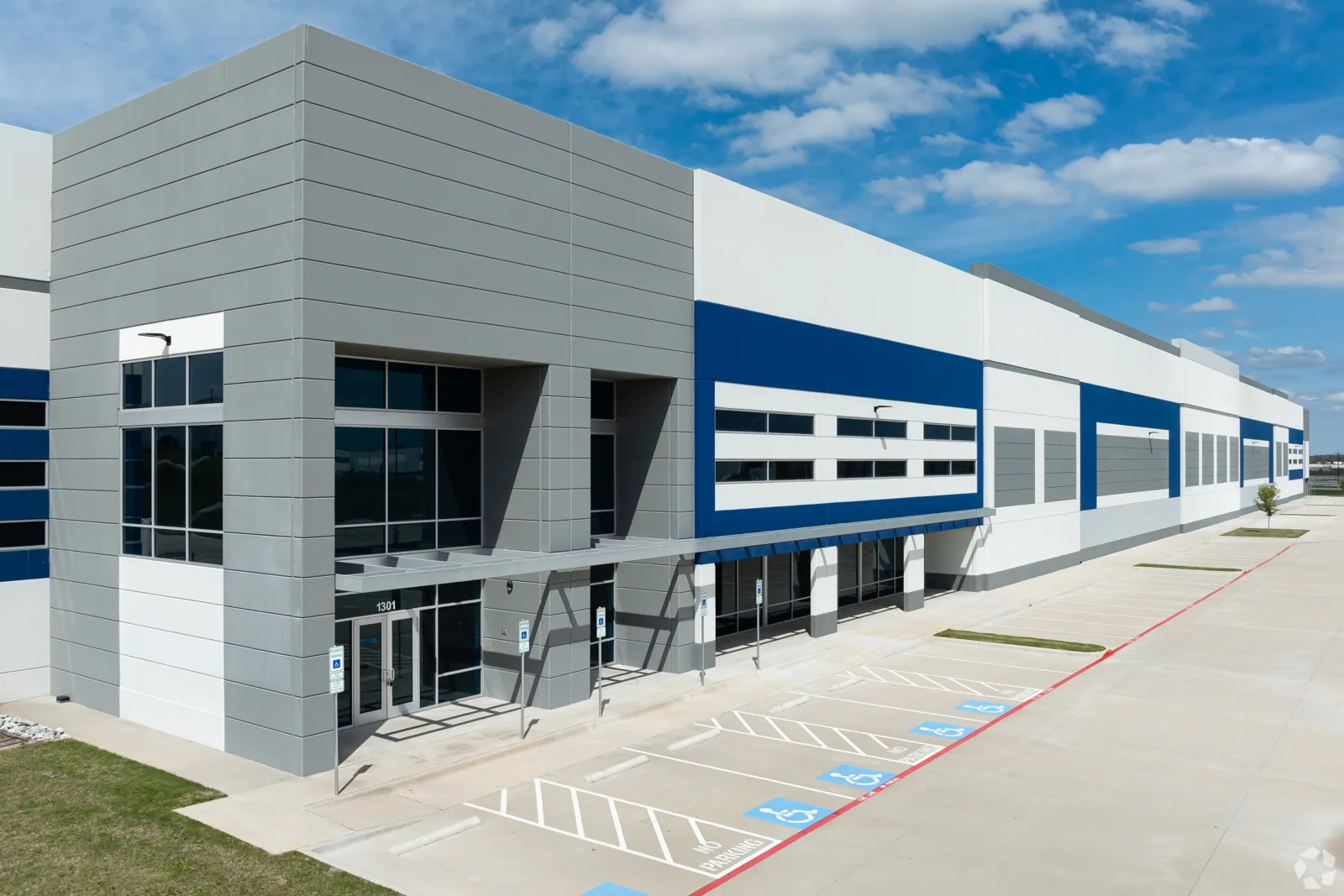
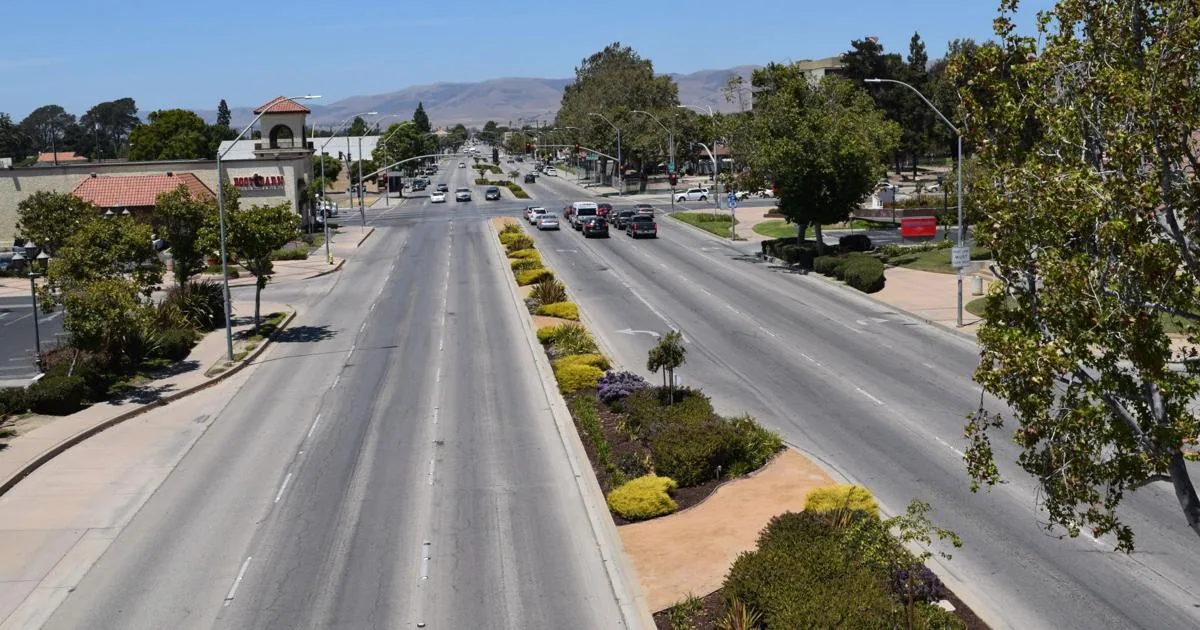
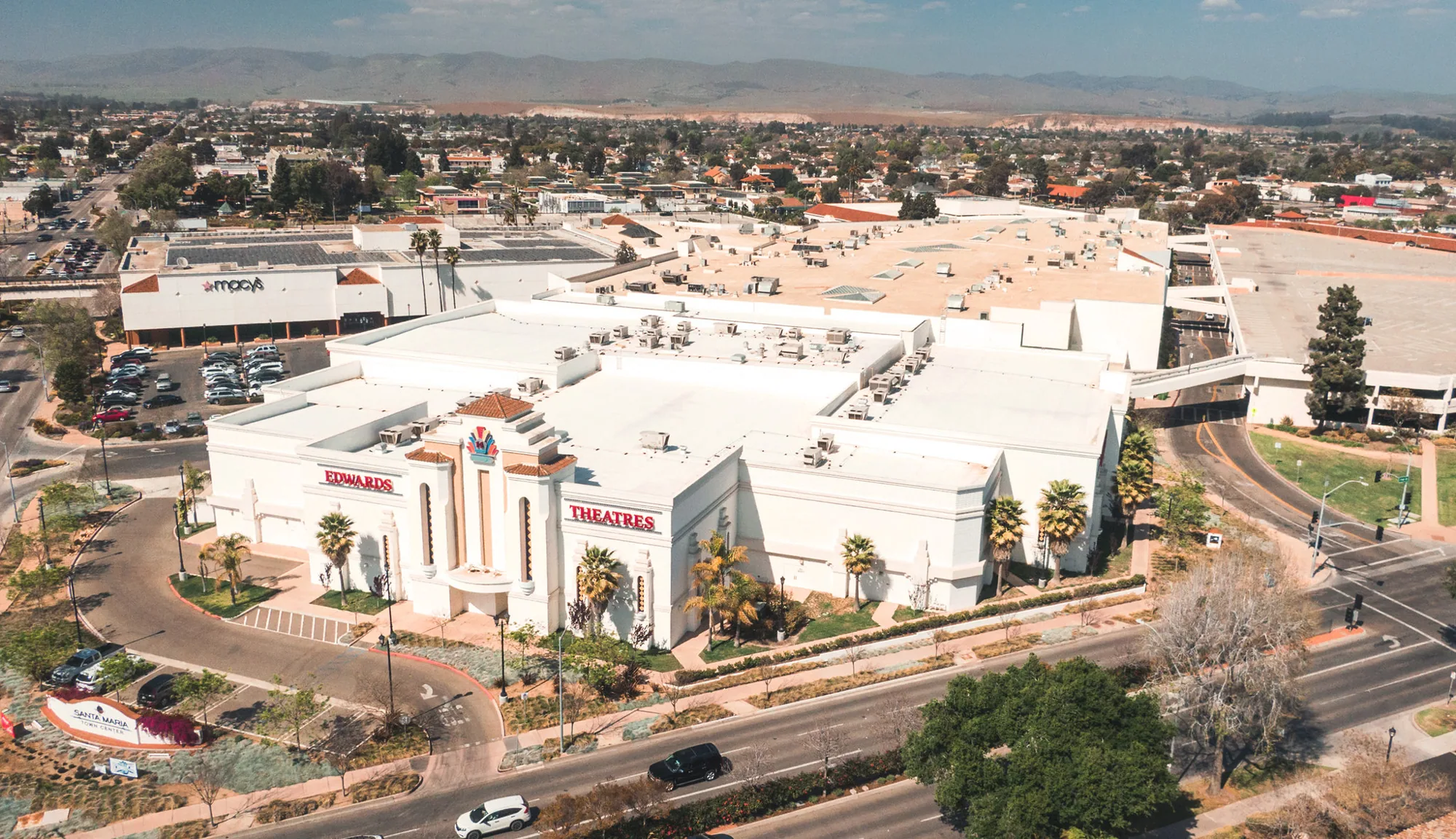
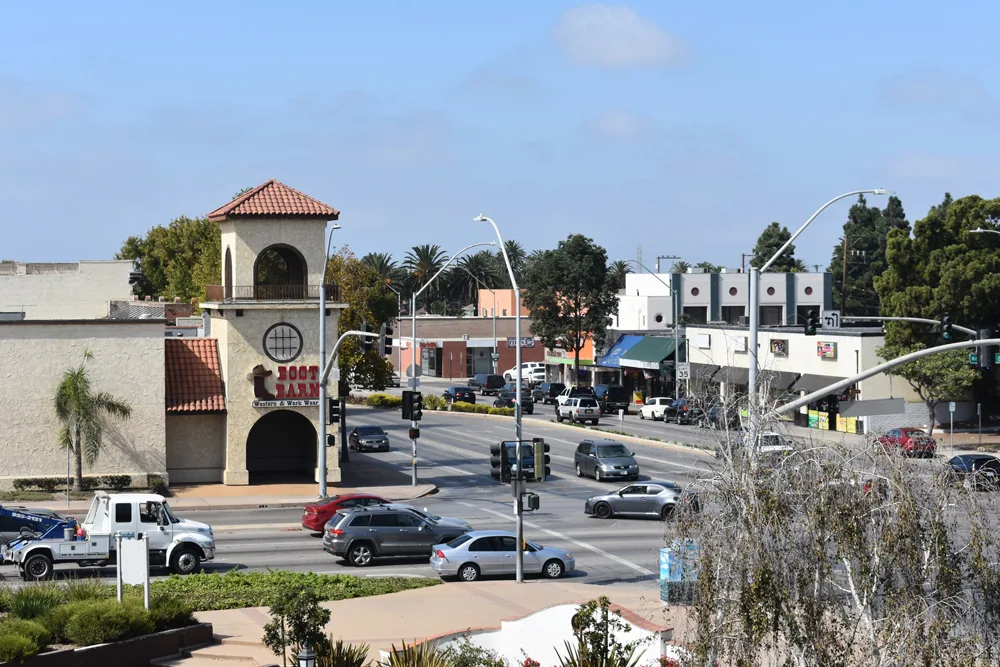
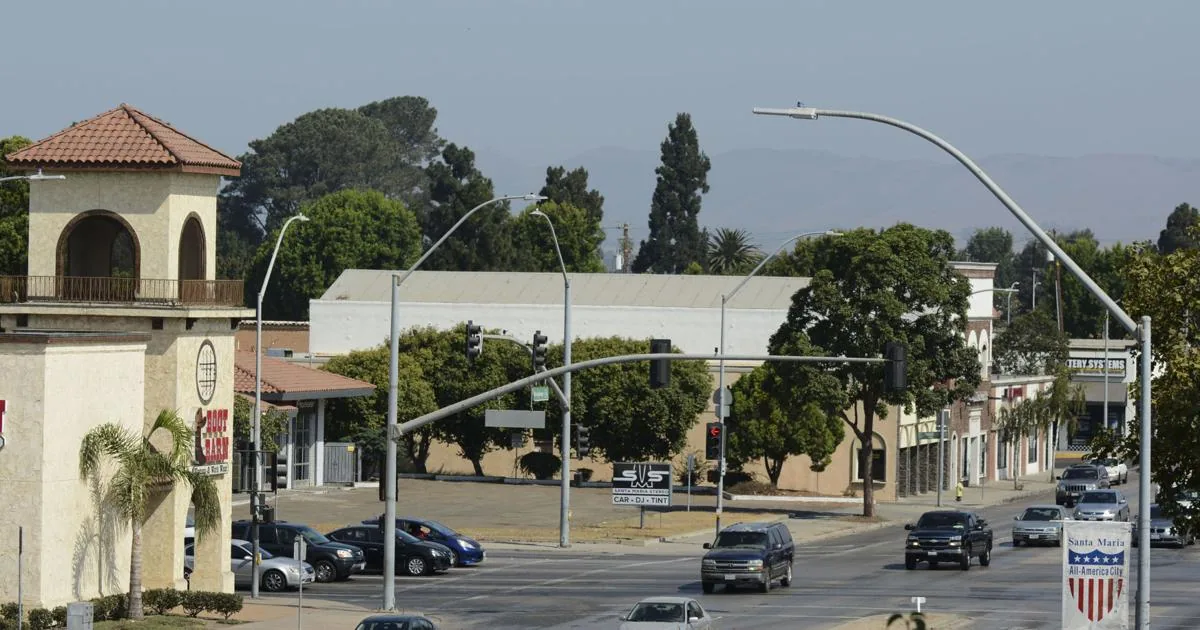
A curb beside an exhaust line can dictate the repair sequence on a manufacturing roof. In Santa Maria, CA, we check the flashing turn, attachment, nearby seams, and drain path before opening the membrane. The Santa Maria Airport Business Park plan includes specialized manufacturing, laboratories, research, and office uses; West Stowell Industrial Corridor planning permits manufacturing, processing, and equipment service. These plans help frame access discussions, but the installed roof and production schedule must be verified at each property.
Production buildings can have rooftop units, process exhaust, piping, and service routes added over time. Each change can interrupt the field sheet or place foot traffic near a vulnerable lap. We map those details by roof zone and ask which lines remain active, who controls a shutdown, and when a lift can enter. The manager gets a repair boundary linked to actual conditions, with mechanical work and roofing work kept distinct.
Inspection: check the roof at every process line
At an exhaust penetration, we look for a split boot, loose counterflashing, heat-related material change, and movement where the pipe crosses the roof. A curb can hide an old opening or a metal transition beneath newer flashing. We photograph the detail from close and wide positions, then note whether the evidence supports repair or a test opening. If the process equipment cannot be isolated, the inspection plan records who must approve access before the repair crew returns.
We follow seam direction outward from the reported leak and inspect drains and overflow routes that receive water from the same roof section. In a 42-year KSMX record, the annual average comes to 62.4 days with heavy fog. At a plant, we measure surface moisture before choosing a bonding or coating window. Before setting a surface-preparation window, we check the conditions at the roof section scheduled for work. For field work, we check actual surface moisture before preparation, because primer, adhesive, and sealant need conditions that match their specified use.
The roof inspection record can identify membrane type, curb condition, seam status, and areas that need closer testing. When a moisture question affects the proposed repair, an infrared moisture survey may help select sample locations. We label the readings and limitations instead of calling a temperature pattern proof of wet insulation.
Building context: coordinate the trade boundary
Mechanical and process trades can change the roof while a roofing scope is being prepared. We compare service logs or marked equipment plans with the visible penetrations and identify any curb that has been altered. The roof proposal covers membrane, flashing, insulation, and edge work. A process contractor remains responsible for disconnecting and restoring its equipment, with the sequence agreed before the roof is opened.
Planning for the Airport Business Park describes specialized manufacturing and research alongside airport services, laboratories, and administrative employment. It is an employment plan, not a list of installed machines. At West Stowell, manufacturing and processing are permitted uses, with warehousing and equipment repair also included. Those contexts make access and production holds worth confirming, but we do not infer any particular roof build-up, exhaust condition, or operating schedule from a land-use designation.
On a plant roof, the useful question is how surface moisture affects the planned preparation window, not whether every morning is damp. We check the substrate and forecast before welding, bonding, or coating. A roof walk in the West Stowell corridor documents the property itself, including loading access, equipment paths, and the roof details that drive the work sequence.
Repair options: distinguish membrane from equipment
A leak beside a unit may come from the curb flashing, an adjacent lap, a condensate line, or a separate penetration. We inspect the connection and compare it with the interior report before pricing. If the membrane is sound and the curb can be prepared, we repair the transition with compatible materials. If the metal is loose or the equipment must move, the scope identifies that dependency rather than burying it inside a general patch allowance.
When defects recur across multiple roof zones, we compare the repair map with moisture evidence, attachment, deck condition, and prior modifications. A larger review may show that isolated fixes are no longer the most useful sequence. A warehouse roof assessment can compare traffic and staging needs, while a cold-storage roof review considers temperature-controlled operations. The assembly choice remains tied to the actual deck and project criteria, not the building label alone.
Repair records should distinguish confirmed conditions from assumptions. We mark the boundary, name any materials we identified, and list what remains hidden below the membrane. For a planned replacement, a commercial roof replacement scope separates tear-off, substrate repairs, insulation, attachment, and flashing so the facility manager can compare bids on the same work.
Timing: set production and permit holds
Before work starts, we identify the equipment that must remain in service, the route for lifts and material, and the roof areas that can be isolated. A shutdown or disconnect belongs to the responsible trade, and the work plan should name that hold before flashing is removed. We also agree on a daily dry-in line and the person who can authorize a sequence change if concealed deck or insulation conditions appear during tear-off.
At the permit hold, Santa Maria requires inspection and written authorization before the new roof covering is installed. We schedule the city review while the deck and drainage remain visible, coordinating access with production. Review may consider support framing, water route, prior attachment, damp insulation, and fire provisions. When recover is proposed, test cuts and moisture results help establish which layers can remain.
Urgent roof calls are answered through the night, on weekends, and during holidays. At a plant, we work to keep water from equipment and materials without crossing into process operations; after the area is protected, we note the flashing or sheet work still required. A commercial emergency roof visit is planned around access and the plant's active processes; we do not promise an arrival interval before those details are known. For occupied work, a phased reroof sequence can set roof-zone and interior protection limits.
Maintenance: retain the modification history
A roof file loses value when later mechanical work is not added to it. We record each repaired curb, new penetration, drain observation, and temporary tie-in with photographs and a location on the roof map. The facility manager can attach equipment work orders and service notes to the same zone. That history helps the next inspection distinguish a new opening from an older flashing condition and identify where another trade may need to participate.
A planned maintenance visit can review drains, edge metal, seams, and penetrations after equipment changes or seasonal access periods. Each observation is labeled as a repair, a monitoring item, or an unresolved question. For budgeting, a condition report keeps those categories tied to photographs, while an asset plan can group work by roof zone.
Commercial Roofing Questions
Who coordinates equipment shutdown for a curb repair?
The facility's mechanical or process contact controls isolation and restoration of operating equipment. We identify the roof detail, expected opening, and access window, then agree on the trade boundary before work begins. The roofing scope covers the membrane and flashing connection; equipment disconnection remains with the responsible service provider.
Can the repair proceed while a process line stays active?
A detail may be accessible without a shutdown, but that depends on the equipment, clearance, and repair materials. We inspect the curb and work area first, then document whether isolation is required. If safe access or preparation cannot be established, we schedule a separate window instead of forcing a repair around an active line.
How do fog and surface moisture affect roof work?
We test the actual surface before preparation and compare conditions with the selected system requirements. We check the actual roof surface before morning bonding or coating work. If moisture remains, the crew changes the work window rather than bonding over a damp substrate.
What records help price a plant reroof?
Useful records include roof plans, equipment layouts, previous repairs, leak locations, moisture reports, and any permit or inspection notes. We compare them with field observations and identify test cuts or trade coordination still needed. The proposal separates confirmed removal and replacement work from concealed conditions that could change the assembly.
Related
Plan the next roof visit
Tell us about the building and what you are seeing on the roof. Request a roof assessment and we will set up a time to look at it.