Built-Up Roofing in Santa Maria, CA
Schedule a BUR inspection
Arrange roof access and share operating limits. We will inspect the plies, surfacing, drains and flashing, then document the repair boundary and dry-in sequence before pricing.
Request a roof assessment or call 555-555-5555.
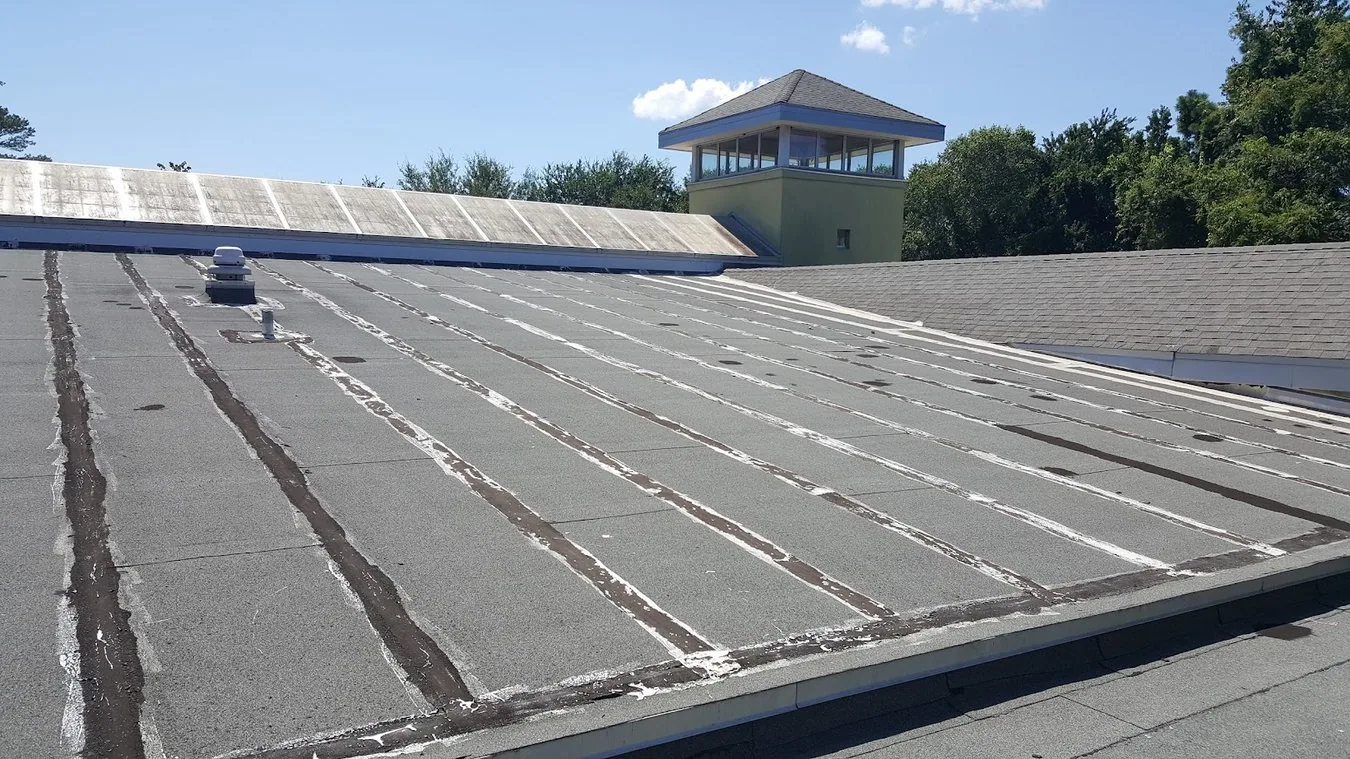
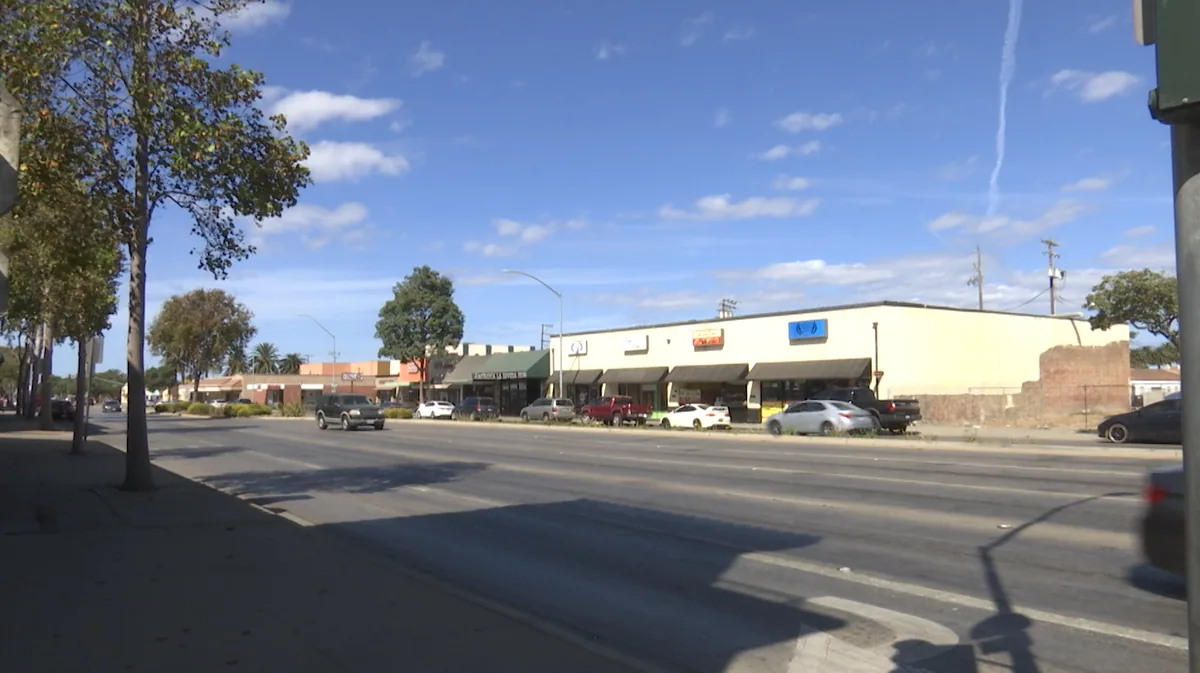
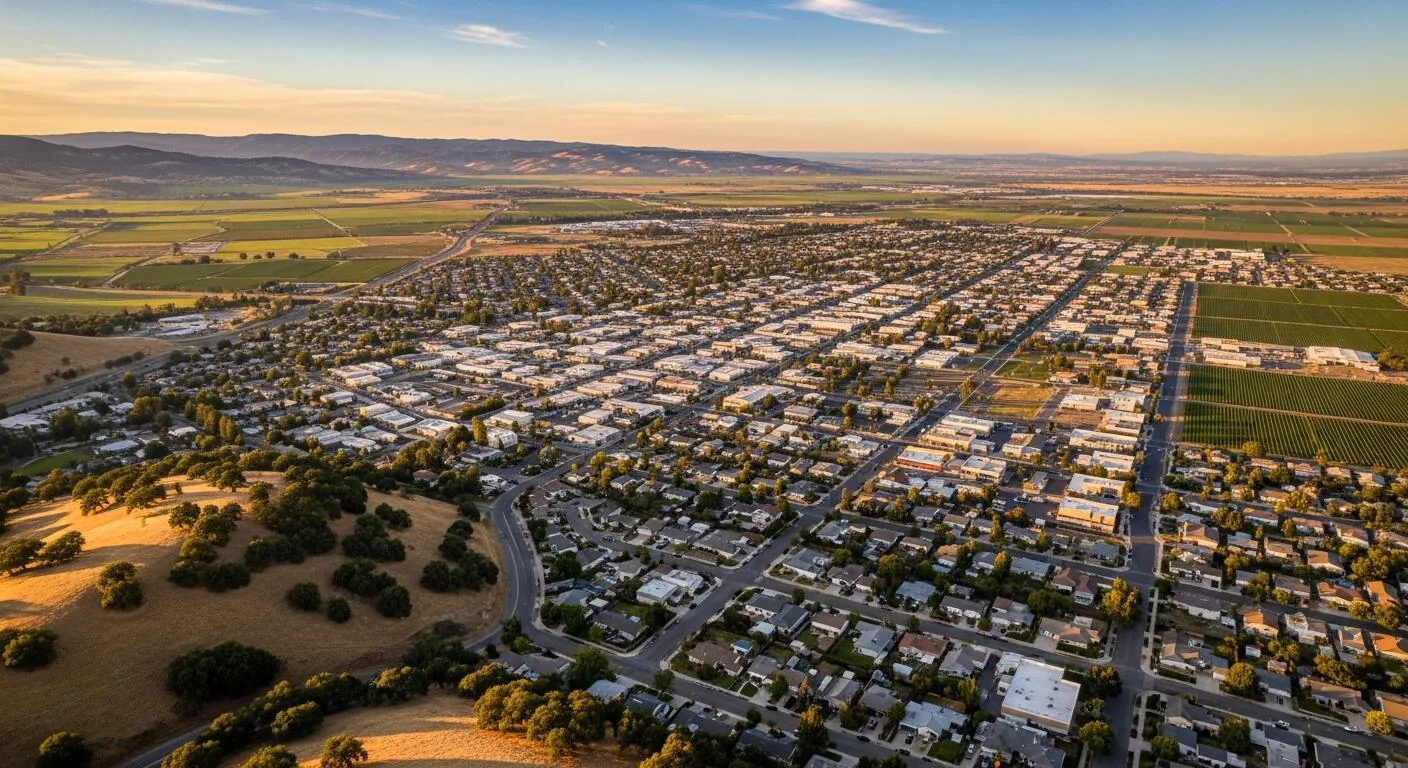
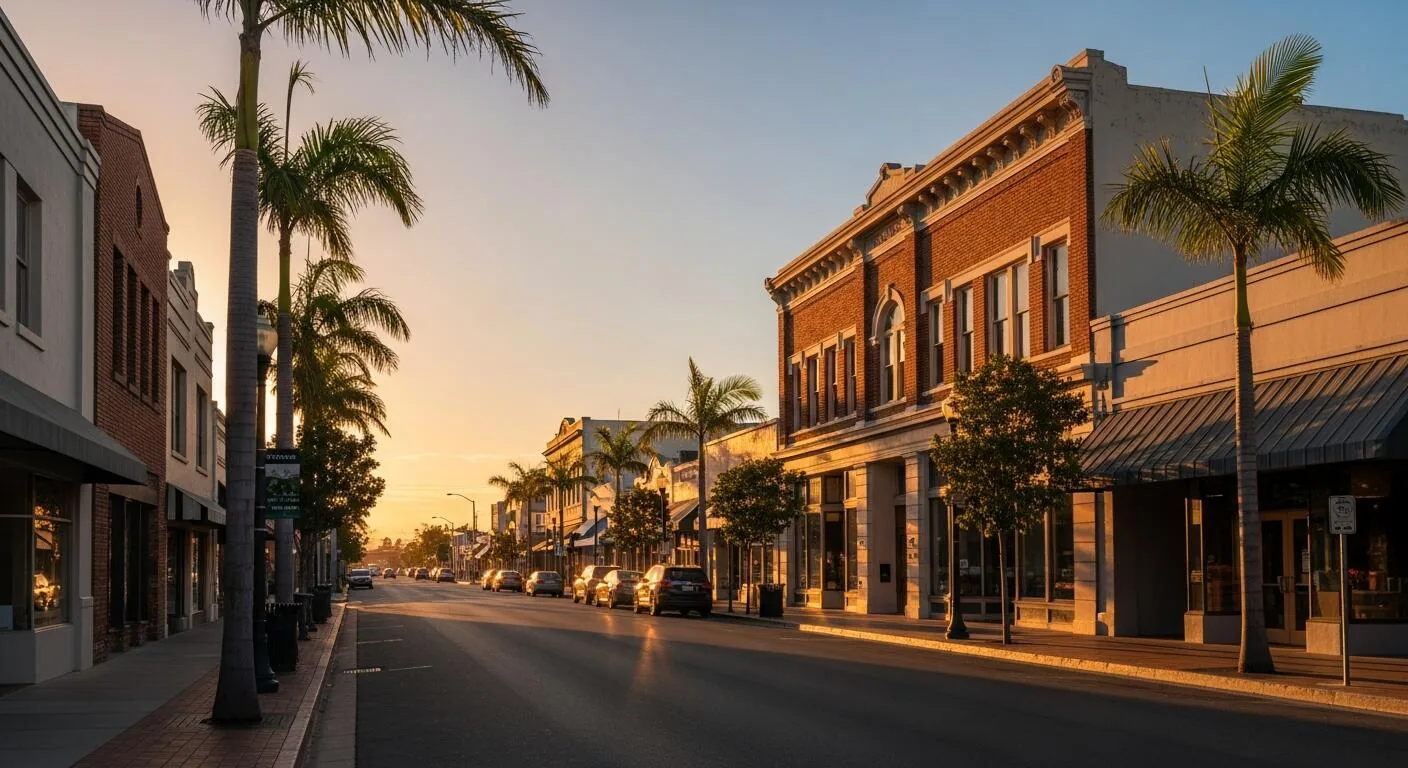
Loose aggregate at a built-up roof drain can hide a plugged bowl and a worn cap sheet. In Santa Maria, CA, we move the surfacing carefully, check the drain route, then follow the ply edges and flashing before calling for a patch. The West Main Specific Plan Area marks an 88-acre transition between urban uses to the east and farmland to the west. Santa Maria Airport Business Park, south of the public airport, allows airport services, light industry, research, manufacturing, commercial and public uses. The building use changes staging and access; the roof determines how many layers need attention. We record the visible condition and separate a local repair from work that reaches the deck.
A built-up roof, or BUR, uses alternating asphalt and reinforcing plies, often protected by aggregate or a cap sheet. Each layer depends on sound adhesion, compatible flashing and a clear water path. A condition inspection starts at drains, penetrations, edges and transitions, not at a single spot of surface wear. That sequence helps define a repair boundary that crews can find again.
At the drain: look below the gravel
We check whether aggregate has shifted, whether the drain bowl is secure, and whether debris or coating has narrowed the opening. Then we trace the roof plane to low points and overflow paths. A stain below the ceiling can point toward an issue, but it does not show how far water moved inside the assembly. We probe only where access and conditions permit, record the observation and mark any area that needs a separate opening.
At seams and flashing, we look for exposed bitumen, separated plies, fishmouths, cracks, loose cant strips and failed terminations. BUR can have several layers with different conditions, so a surface patch should not cover an unresolved wet area. We document test locations and photographs in a roof condition report, making it easier to compare the same drain, curb and perimeter on a later visit.
Surfacing: protect without hiding the assembly
Gravel protects some BUR assemblies from sunlight and physical wear, but moving or adding surfacing does not repair a failed ply. A smooth cap sheet has different inspection points, including granule loss, exposed asphalt, blistering and open laps. We identify which surface is present before selecting materials. Repair mastic, reinforcing fabric and replacement plies must fit the existing assembly and the preparation method specified for the job.
At a parapet or equipment curb, BUR plies have to turn and terminate without leaving a pocket that holds water. We inspect corners, counterflashing, metal edges and changes in roof height. A perimeter metal scope may need coordination where the membrane stops at a coping or gravel stop. Where a thermoplastic system is under consideration, compare it with TPO seam and flashing details and modified-bitumen plies before choosing a replacement assembly.
Patching: define the layers involved
A small BUR repair may involve opening the surface, removing unsound material, drying the area, rebuilding plies and restoring protection. The layers need compatible asphalt and reinforcement, with each new ply extending beyond the damaged portion. We note whether the deck feels stable, whether insulation is wet and whether the defect reaches a seam, drain or wall. If water has spread beneath several plies, a surface-only patch can leave the cause in place.
When many areas show blisters, open seams or saturated insulation, we compare repeated repairs with a recover or tear-off. The repair scope identifies local limits; a replacement proposal lists tear-off assumptions, insulation, cover board, flashing and disposal. A new covering in Santa Maria goes through a permit step and pre-roof review. Deck and structural capacity, water disposal, existing attachment, saturated insulation and fire protection may enter that review before the BUR is closed.
Dry-in: control the open area
NOAA's Santa Maria KSMX report lists a 1991 to 2020 normal of 13.32 inches of annual precipitation. We plan protected staging and a reliable dry-in point for the active roof zone. We agree how much roof can be opened in one shift, where temporary protection ends and which drains must remain clear while aggregate or debris is moved.
Moisture, substrate preparation, asphalt application, inspection holds and access to the roof all influence production. When extensive standing water has not cleared after two days, the local drainage rule calls for analysis and correction. We inspect bowls, scuppers, overflow routes and low points, then distinguish membrane work from a slope or drainage correction. A drain review can document that part of the scope before the owner approves a broader assembly.
Building use: plan access around operations
Area 9 is an approximately 890-acre plan area with manufacturing, office, commercial and open-space designations. The City also describes West Main as an edge area where an identifiable commercial and industrial center is intended to fit its agricultural setting. These are land-use decisions, not descriptions of a particular roof. We inspect the assembly and confirm equipment service, deliveries, staging, public access and work-hour limits before aggregate reaches the roof.
Area 9 also contemplates warehouses, building-supply dealers, equipment repair and agricultural packing or processing. At any property, we confirm actual roof penetrations, exhaust, staging space and occupant routes rather than inferring them from the plan area. For work over an occupied building, a phased work sequence can identify daily boundaries, protection and inspection holds. The West Main area presents an access context distinct from an industrial roof walk.
After the work: retain a repair map
We record where BUR plies were rebuilt, where surfacing was restored, and which drains or flashing transitions were included. The repair map should identify areas that were not opened and observations that still need review. A later maintenance visit can compare the same drain bowls, seams and perimeter details. That record supports a budget decision without treating a small patch as proof that every roof zone has the same condition.
For replacement, the owner should be able to see how the proposed assembly handles insulation, slope, edge termination and rooftop equipment. Santa Maria's permit and pre-roof approval steps also belong in the schedule. Arrange access for a roof walk and share work-hour limits; we will inspect the surfacing, layers, drains and flashing, then document the open area and dry-in sequence before pricing. The resulting scope can distinguish immediate repair from the larger decision the roof may require.
Commercial Roofing Questions
What does aggregate tell you about a BUR roof?
Its distribution and movement can show where protection has shifted, but it does not establish the condition of every ply. We check drains, cap sheet and flashing after moving surfacing as needed, then record any areas requiring a closer look. That keeps the repair decision tied to observed layers rather than the gravel alone.
When can a built-up roof be repaired in place?
A repair is workable when surrounding plies are dry, bonded and compatible with the materials selected. We open enough to identify the damaged layers, inspect the deck and rebuild beyond unsound edges. If moisture or separation extends farther, we mark the wider boundary and price the needed investigation or replacement option.
How do you compare a recover with tear-off?
The existing assembly, moisture, deck, attachment, structure and code requirements set the limits. Santa Maria's permit and pre-roof inspection steps also apply before a new covering goes down. We record those conditions and show what each option includes, including insulation, drainage, edges and disposal assumptions.
What affects a BUR project schedule?
Aggregate removal, substrate drying, ply installation, protection and inspection holds all shape the sequence. We also agree on roof access, staging, drain protection and the amount that can be dried in per shift. The proposal can state these work steps without promising a duration before the assembly is inspected.
What should we receive after a BUR repair?
A useful closeout identifies the rebuilt layers, repair boundary, restored surfacing, nearby drain and flashing conditions, and any area left unopened. Photographs and a marked roof map make the next maintenance review more specific. We keep open follow-up items separate from completed work so they do not disappear in a general note.
Plan the next roof visit
Tell us about the building and what you are seeing on the roof. Request a roof assessment and we will set up a time to look at it.