
Occupied-Building Commercial Reroofing in Santa Maria, CA
Plan reroofing around the building's schedule
Arrange a roof walk and share tenant, delivery, equipment and shutdown limits. We will map roof zones and dry-in points, then prepare a phased scope for the property manager.
Request a roof assessment or call 555-555-5555.
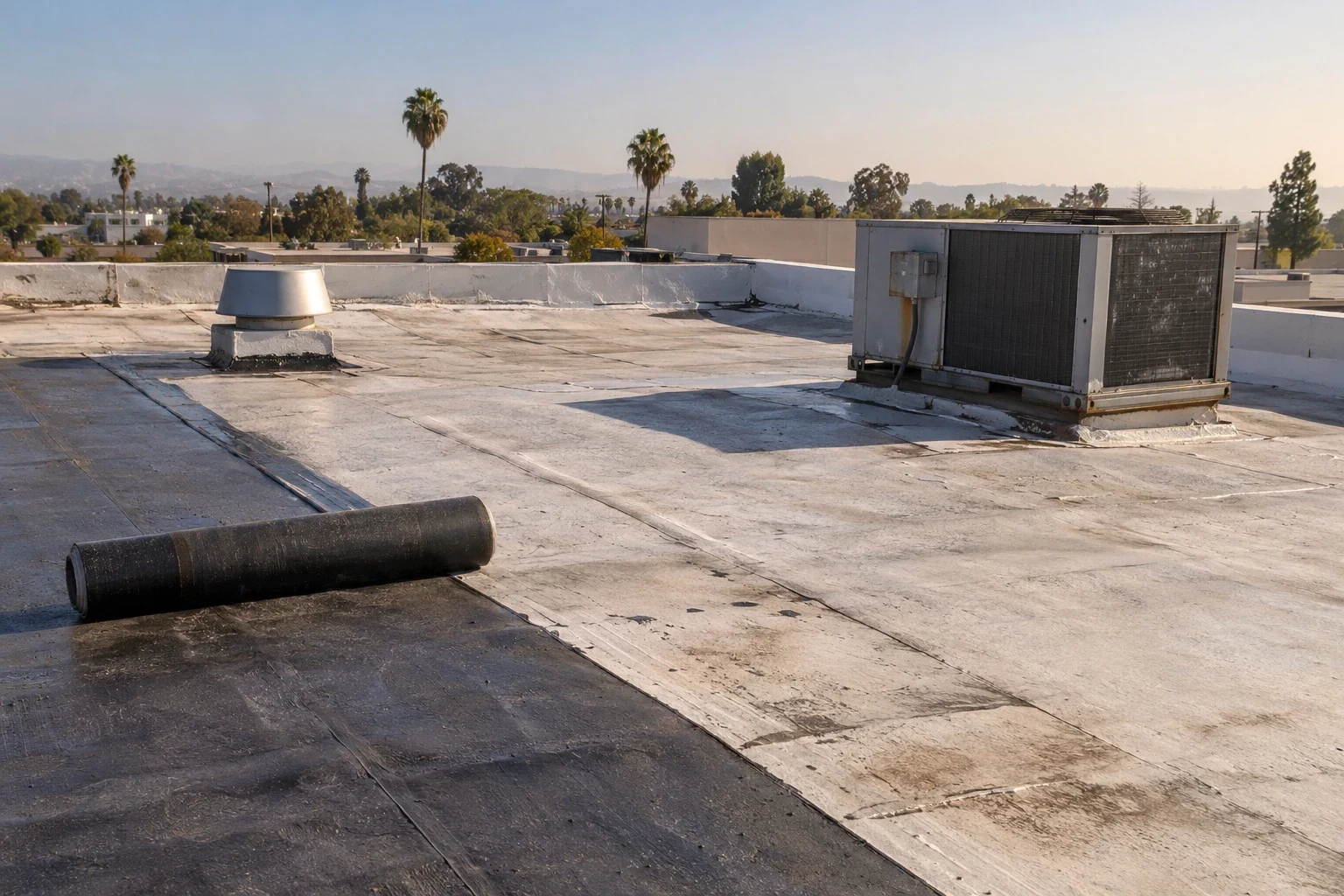
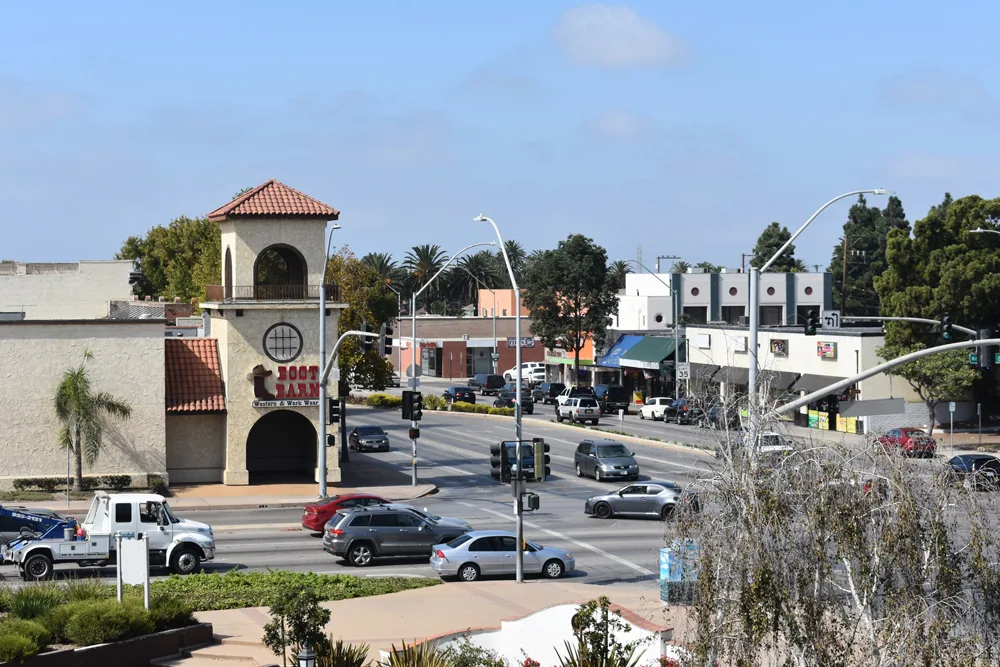
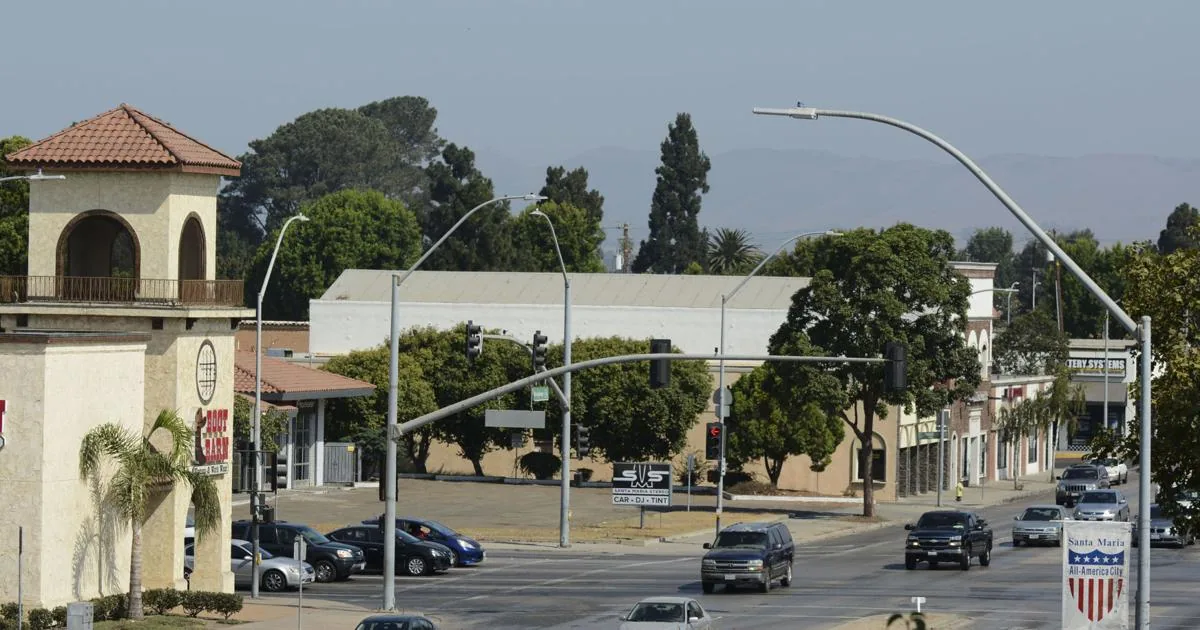
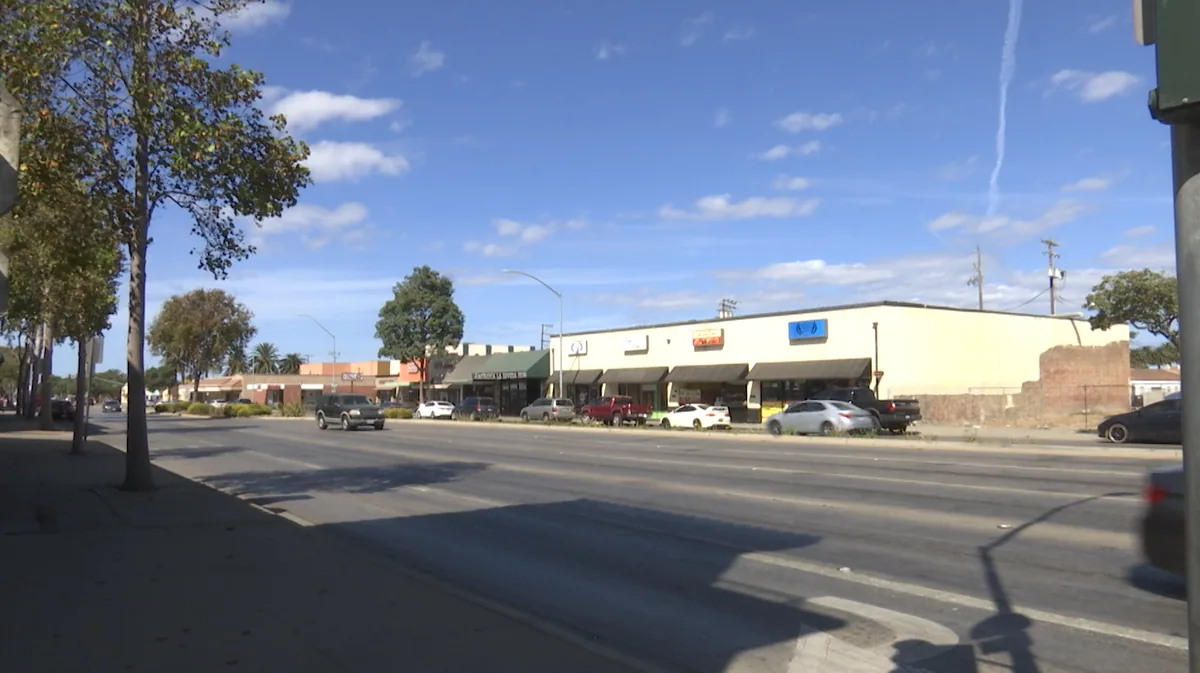
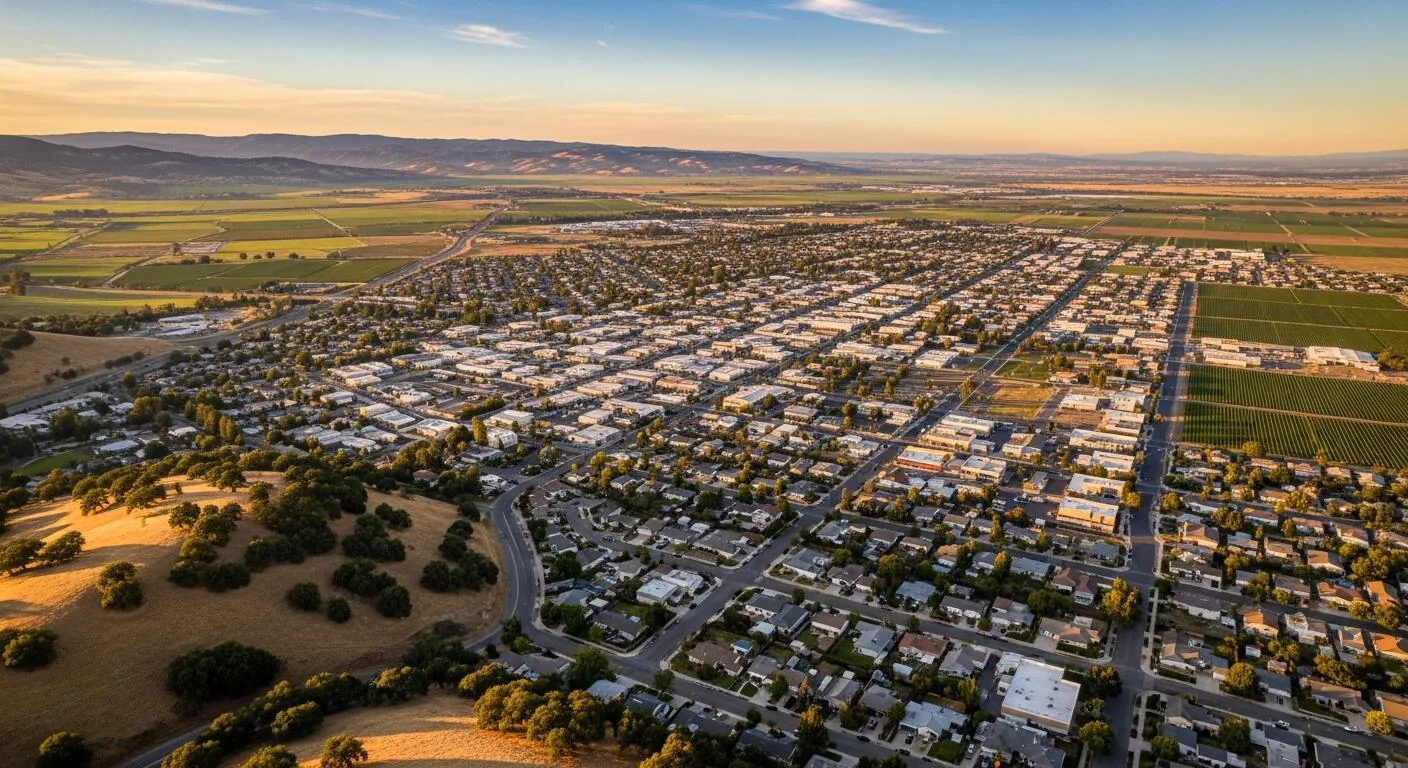
A reroof can interrupt a building even when every tenant stays open. In Santa Maria, CA, we divide the roof into work zones, identify the dry-in boundary, and agree on the access route before tear-off starts. Downtown Santa Maria offices and the Betteravia Retail Corridor have different loading and pedestrian patterns, so the manager's operating map belongs in the sequence. At a roof in Downtown Santa Maria, we mark the building's entrances and service routes before selecting the first work zone. The first decision is which roof areas can be opened while the rooms below remain protected and useful.
We walk the roof with the property contact and record drains, equipment, tenant entrances, delivery periods and the areas that cannot lose service. A written phase plan identifies where materials will be staged, how debris will leave, and when a section must be watertight. That plan supports a replacement scope that is based on the existing assembly, rather than a promise that the building will experience no disruption.
Break the roof into workable zones
Each phase needs a defined start and stop line. We map the roof perimeter, changes in elevation, drains, penetrations and tie-ins, then set the limit the crew can cover with the agreed temporary protection before leaving the building for the night. Long, narrow zones may reduce the area exposed at one time, but they can add seams and transitions. Broad zones may move faster when access allows, yet require more material staging. We compare those tradeoffs with the building's use and the roof system.
Before removal, the manager confirms which rooms sit below the first zone and who receives a daily update. We mark any area where ceiling protection, temporary barriers or a separate access route is needed. An opening may expose deck or insulation conditions absent from the pre-bid view. We stop at that cut line, secure the exposed assembly, and give the manager a location-specific change description before extending removal. That decision prevents a hidden condition from turning into an unapproved expansion of the phase.
Keep tenants and deliveries moving
Material delivery and debris removal compete with normal building traffic. We choose a staging point that keeps fire lanes, accessible parking and loading areas clear, then set a route that avoids tenant entrances where possible. At a retail property, delivery hours may control the crane or hoist window; an office may need quiet hours or a clear path to the lobby. The manager's operating rules shape the lift plan before material arrives.
At an Airport Business Park property, we confirm the active operation, roof access, and equipment limits with the manager before selecting a work phase. Before the first phase, we confirm which controlled-access or work areas need to remain available during roofing. We coordinate escorts and equipment shutdowns with the manager, and identify any work zone that cannot be crossed during a production or tenant activity.
Protect the interior at the end of each shift
Daily closeout matters most where a roof section has been opened. We set the removal limit so the crew can secure the assembly before weather or fog affects the work. The dry-in plan names the temporary protection, edge treatment and tie-in detail that keeps the next zone isolated. A field photo records the closed boundary and any condition that remains exposed for the following shift, rather than leaving the manager with a verbal status.
Santa Maria's KSMX record averages 62.4 heavy-fog days per year over its 42-year period of record. We verify the roof's surface and substrate on the scheduled day before bonding or coating begins. We still check the actual surface and forecast before bonding or sealing a tie-in. If moisture prevents the specified work, we keep the area protected and move the sequence to a ready zone only when that change preserves the planned dry-in line.
Keep mechanical and roofing scopes distinct
Mechanical equipment can sit inside a phase boundary even when the roof around it is ready. We list every unit, curb, pipe support and conduit crossing that requires a shutdown, lift or reset. The mechanical contact confirms those steps; we handle the roof membrane and flashing work. When a curb or penetration repair is needed, the scope states who disconnects equipment and who signs off before it returns to service.
A reroof phase in Santa Maria needs a permit and city signoff before a new covering is placed. We schedule an inspection hold and written release before advancing the affected zone. The reviewer may need access to see the roof support and deck, how existing layers are secured, where runoff travels, and whether concealed wet materials or fire provisions affect the assembly. That control keeps removal from getting ahead of approval. A condition report can keep the inspection observations and area photos together.
Give the manager a usable daily record
A daily update should say which zone was removed, what was installed, where the dry-in boundary sits, and which route tenants should use the next morning. We record weather interruptions, unexpected deck conditions, equipment coordination and any change to the sequence. If an area was not inspected because access was restricted, that limit belongs in the record. Clear updates allow the manager to notify tenants with a real location and time, not a broad statement that roofing is underway.
At completion, we walk the work zones and identify remaining punch items, roof access limits and maintenance points. A preventive maintenance program can use the same zone map to track drains and repaired transitions. If a section needs further inspection, we can prepare a follow-up roof inspection without confusing it with the completed reroof. The record separates finished work from any future scope. For a Downtown Santa Maria roof visit, we also record the building's agreed material route and temporary access changes for the manager. A roof asset record can carry the phase map, roof assembly and scheduled maintenance forward when ownership changes or the next budget cycle begins. We identify the responsible contact for each open item and include a due date only when the property manager has set one, keeping the closeout usable without inventing a deadline for the next review.
Commercial Roofing Questions
Can tenants remain inside while the roof is replaced?
Many buildings can remain in use when the project is phased and access is controlled, but the sequence depends on the roof, interior use, noise, lifting and required shutdowns. We review those limits with the manager and name the areas that need protection or temporary closure.
How much roof can be open at one time?
The crew sizes each zone to match the dry-in method, forecast, roof assembly and available staging. We document the opening limit and closeout boundary in the phase plan. A change in deck condition or access can require a smaller zone or a revised work day.
Who tells tenants about daily roof activity?
The property manager controls tenant notices and building instructions. We provide the work location, access changes, lift times and dry-in status early enough for the manager to communicate them. The crew follows the approved route and reports any field change before it affects building access.
What happens if removal reveals wet insulation or damaged deck?
We protect the opened area, photograph the condition and stop at the agreed boundary. The manager receives a description of the affected zone and the added work needed. We price a change separately and revise the phase sequence before covering the condition.
Plan the next roof visit
Tell us about the building and what you are seeing on the roof. Request a roof assessment and we will set up a time to look at it.