
Commercial Roof Maintenance in Santa Maria, CA
Schedule a roof maintenance review
Share the roof plan, recent leak notes and preferred access window. We will inspect the accessible assembly, document maintenance performed and outline any separate repair or testing decision.
Request a roof assessment or call 555-555-5555.
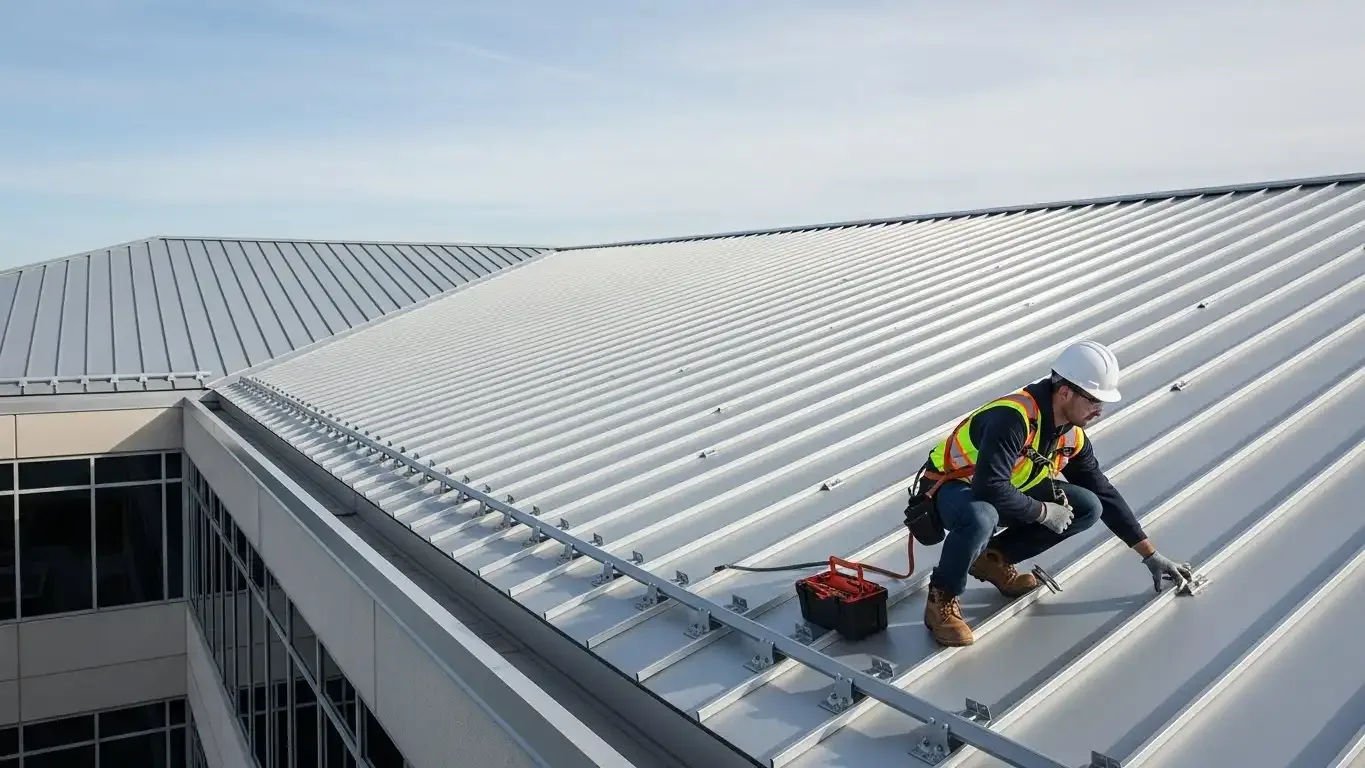
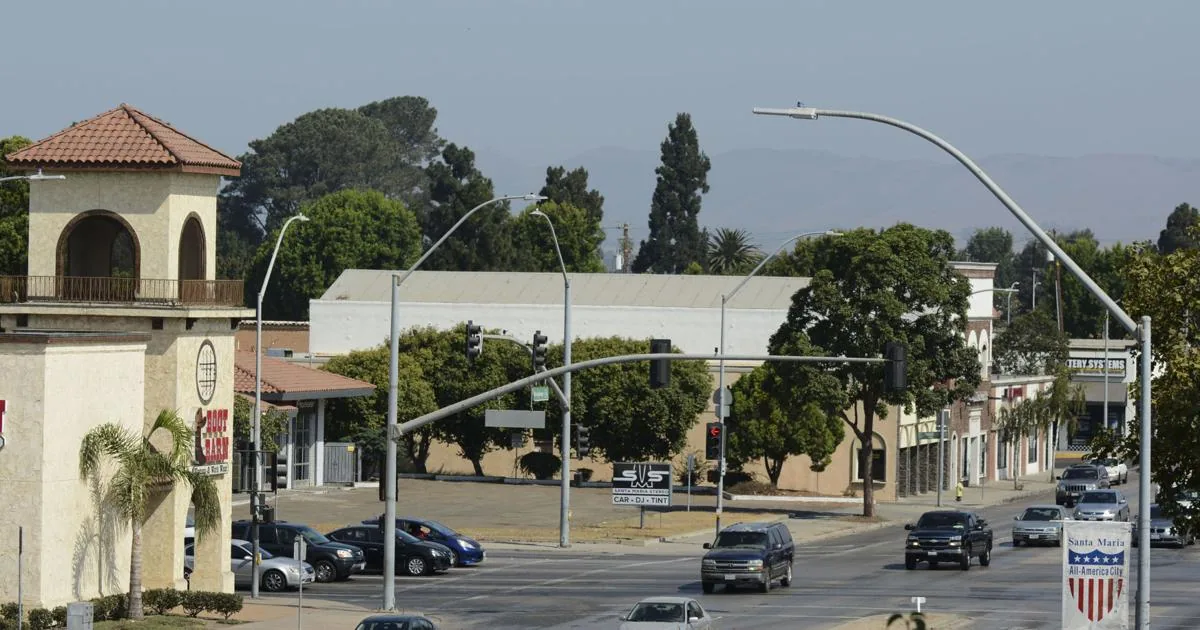
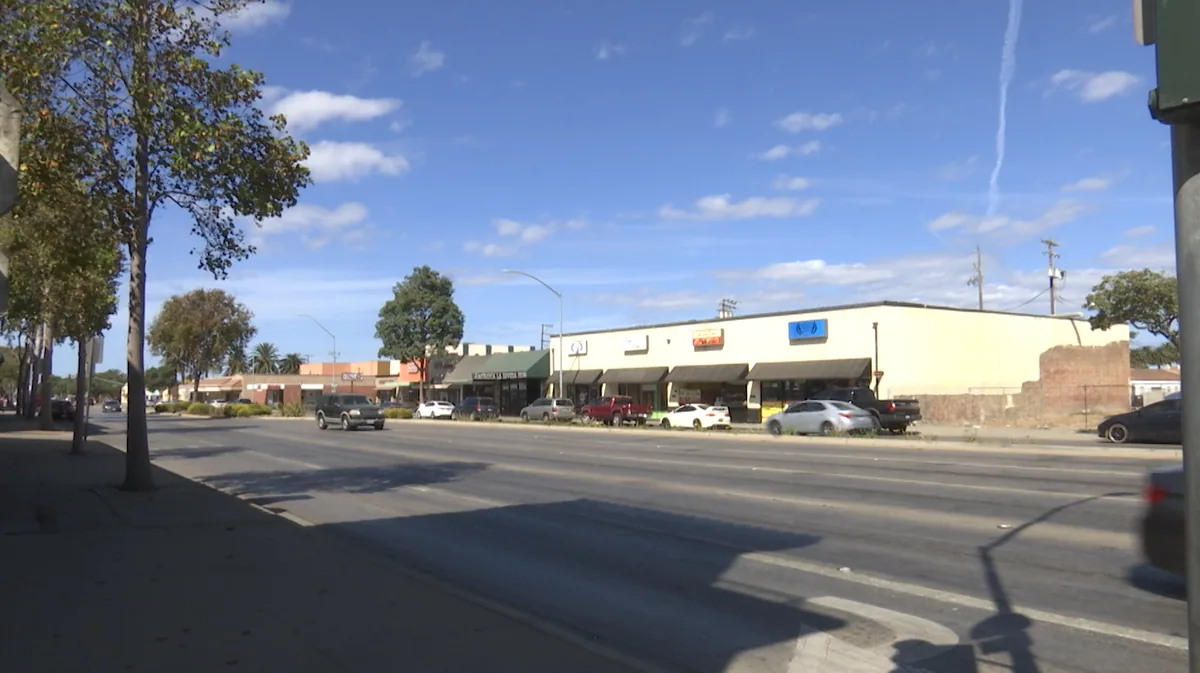
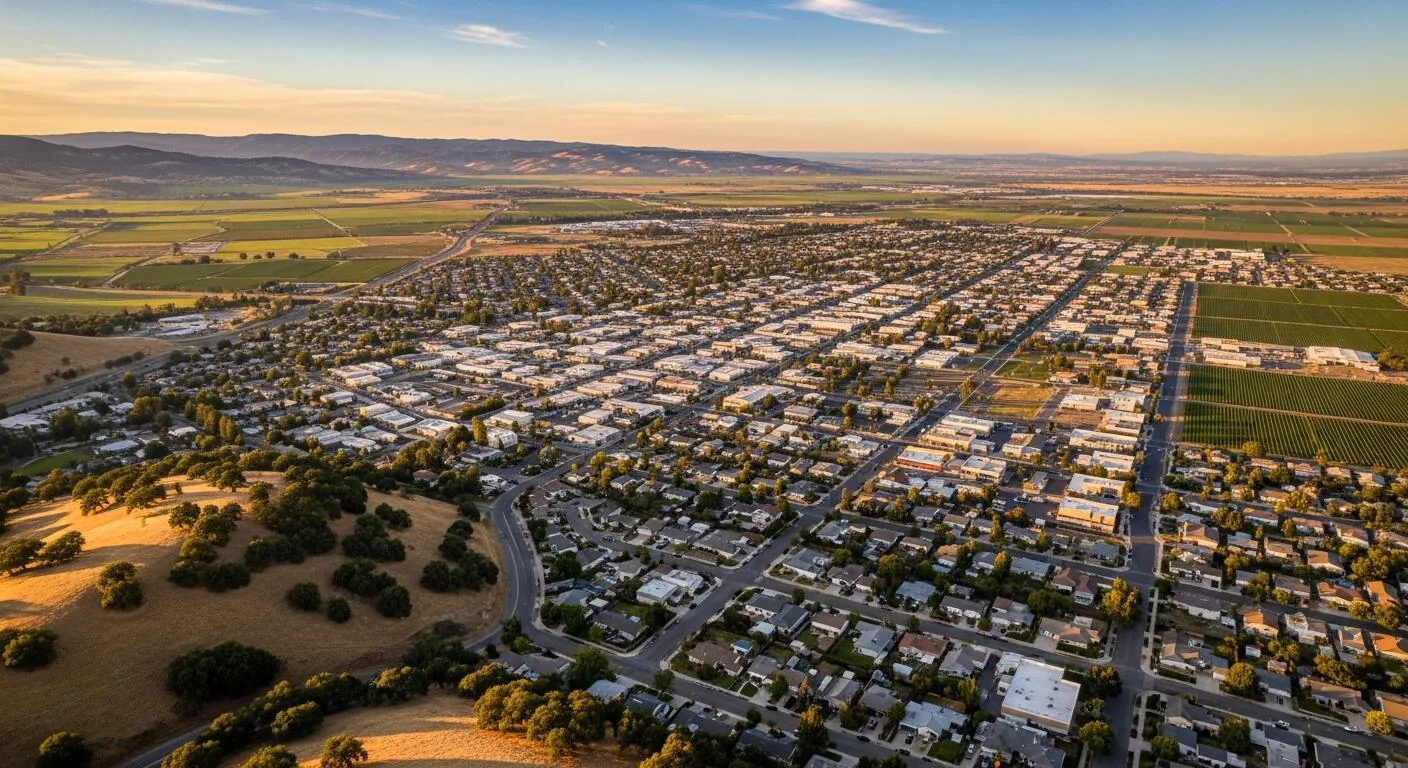
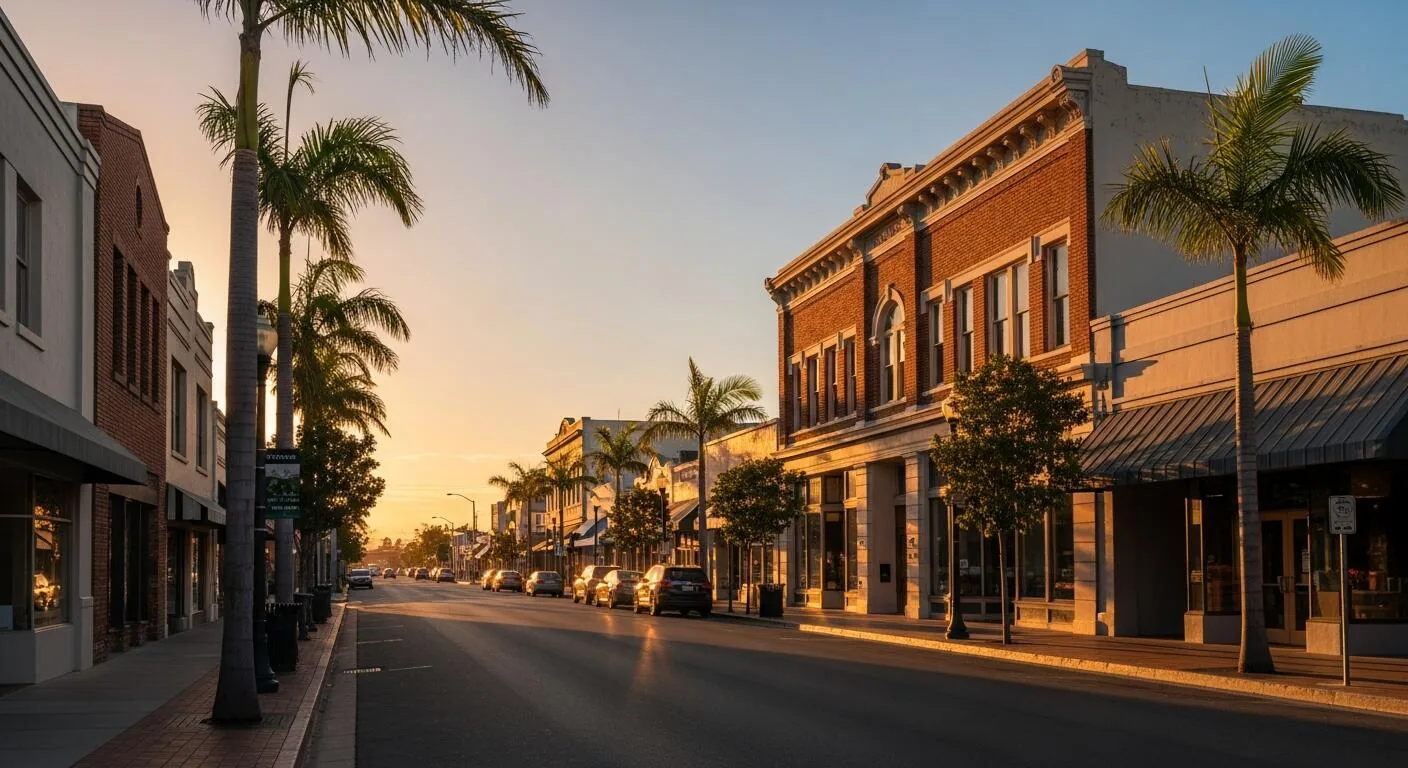
A maintenance visit should answer a property question, not repeat a generic checklist. We start with the roof plan, prior repair records, reported interior conditions and any access limits, then inspect the field, transitions and drainage in that order. The manager receives a marked list of current conditions, work that can be handled during the visit and items that deserve a separate proposal. We check each roof's actual surface, system, and water path to set the work sequence. The condition inspection is the deeper option when several areas need capital planning.
Set the interval from what the roof is doing
A practical visit cycle follows the assembly, exposure and operating plan. A roof with recurring calls at one curb may need a focused return after the repair, while a stable surface with clear drains may need a less intensive review. We map the roof into zones so each visit can compare the same transitions, outlets and prior repairs. This gives facilities staff a usable record without claiming that a calendar alone predicts failure. The condition report can carry observations from one visit to the next. We also ask who controls roof access, which areas require an escort, and whether work must avoid deliveries or production hours. Those details determine what a crew can inspect safely and how much of the roof can be covered in one mobilization.
At the end of a visit, we can sort work into three practical groups: tasks completed during the service window, repairs that are ready to price, and conditions that need more access or testing. The manager can then align each item with the next tenant notice or planned equipment shutdown. A roof with several additions may need a separate walk with the mechanical contractor so supports and lines are not disturbed. We mark those interfaces on the plan and keep roofing work within the approved boundary. If access is restricted to selected zones, the report says which areas were seen and which remain outside the inspection. That prevents a partial visit from turning into a blanket condition statement. For multi-building ownership, each roof receives its own map, visit date and unresolved items; combining records too early can mix assets with different repair histories. The next service appointment can be scoped to revisit those exact open items instead of repeating all observations..
Service records can also identify who should receive the next alert, who approves a test opening and which contractor controls rooftop equipment. That contact list makes the following visit easier to schedule and keeps maintenance from becoming an unassigned task.
Keep water moving to the outlet
Drain maintenance means checking the assembly, not only lifting the strainer. We look at the bowl, clamping ring, nearby membrane, overflow route and visible slope, then record debris or damage separately from a drainage defect. If a low spot keeps water after the outlet is clear, the remedy may involve slope or outlet work rather than recurring cleaning. Santa Maria code calls for analysis and corrective measures where extensive ponding remains beyond 48 hours after rain. That local rule is a reason to document depth, extent and timing rather than guess from a photograph. The drain and scupper scope can price physical corrections when maintenance alone will not restore the intended path. We confirm that any temporary work leaves emergency overflow routes open.
Review seams and transitions by roof system
The maintenance scope changes with the membrane or metal assembly. On single-ply roofs, we inspect seams, patches, penetrations and flashing terminations for separation, contamination or movement. Modified-bitumen roofs call for attention to laps, surfacing and the condition of existing repairs. Metal panels need a look at fasteners, side laps and movement details. We do not cover a suspect area with sealant until the surface and compatible repair method are understood. At each location, the report separates a maintenance task from a condition that calls for an approved repair. The repair visit handles defined defects, while a coating or recovery discussion should wait until adhesion, moisture and code constraints are examined. Photos should show both the close detail and enough roof context to find it again.
Use local context without assuming a roof condition
NOAA's 1991-2020 normal for Santa Maria's KSMX station is 13.32 inches of precipitation per year. Its 42-year record averages 62.4 heavy-fog days annually. Before cleaning or bonding, we measure surface dryness and record the condition at the work zone. Before cleaning or bonding, we measure surface dryness and record the condition at the work zone. The City’s plan inventory spans Downtown, Airport Business Park, Rivergate-Roemer, West Main and West Stowell, each with its own standards. A maintenance plan can therefore flag different access questions by district, but the building contact still confirms tenant hours and roof controls. Delivery timing can affect staging, so we confirm the route and work window with the property contact. We put those property-specific details into the work plan instead of promising an identical visit for every site.
Give the manager a record that supports decisions
Before scheduling, we confirm ladder or hatch access, approved fall-protection tie-off points, restricted roof zones, utility clearances and any escort requirements. A visit that cannot reach a roof section should say so; an uninspected area must not appear as clear. We photograph conditions with a marked plan reference, list maintenance performed, and flag any test or repair that needs separate authorization. The report also records conditions that limited the work, such as a damp surface, active equipment or blocked access. A manager can then compare each recommendation with the same roof zone, check spending across a portfolio, and arrange tenant notice for the next visit. If conditions support a larger review, the asset management plan can organize roof age, repair history and budget timing without treating uncertain details as settled.
Decide what needs attention before the next cycle
Maintenance is useful when it leaves a specific next step. We identify immediate housekeeping, small compatible repairs, drainage questions and areas where additional testing may change the scope. If recurring leaks, wet insulation or widespread seam movement appear, the manager can decide whether to authorize an opening, a system-specific repair or a replacement study. We avoid broad labels such as good or failed when the record supports a narrower statement. That distinction protects the budget from unnecessary work and keeps unresolved conditions visible. Santa Maria requires a permit before a new roof covering is applied; pre-roof inspection and written approval also apply. A maintenance visit does not substitute for those steps if the project becomes a reroof. The Betteravia retail corridor visit follows the same property-first approach: confirm the building, identify the work area, and document the maintenance decision.
Commercial Roofing Questions
What is included in a maintenance visit?
We inspect accessible roof zones, drains, seams, transitions and prior repair areas, then record completed tasks and recommended next steps. The written scope names exclusions and any area we could not reach.
How often should a commercial roof be checked?
The interval depends on the assembly, documented conditions, recent repairs and the property’s operating needs. We can recommend a cycle after seeing the roof rather than applying one schedule to every building.
Can maintenance stop a leak?
If the cause is a clear, compatible detail that fits the approved scope, a repair may be completed during the visit. A concealed path or wet assembly may require an authorized opening or separate repair plan.
Do you inspect every roof area?
Only areas that are safely accessible and included in the work authorization. The report identifies any excluded zone and explains what access or protection is needed for a later visit.
Plan the next roof visit
Tell us about the building and what you are seeing on the roof. Request a roof assessment and we will set up a time to look at it.