Commercial Roofing in Santa Maria Airport Business Park, Santa Maria, CA
Arrange a roof walk for your property
Share the building identifier, reported leak area, roof plans, access procedures, and operating limits. We will inspect the agreed sections, document seams, drains, curbs, and moisture concerns, then set out the repair boundary and any next test before pricing broader work.
Request a roof assessment or call 555-555-5555.
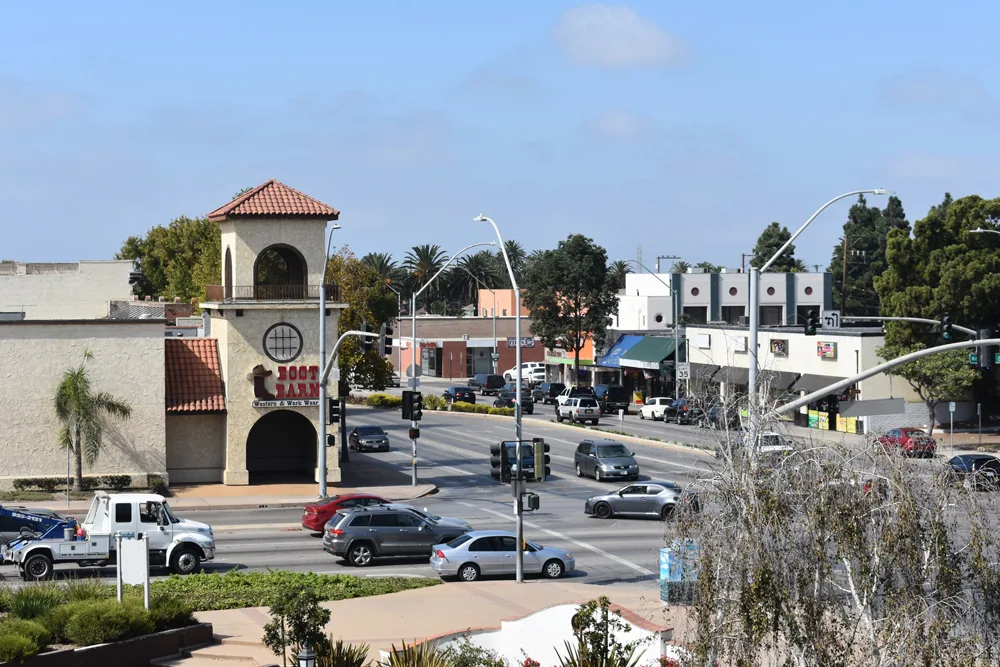
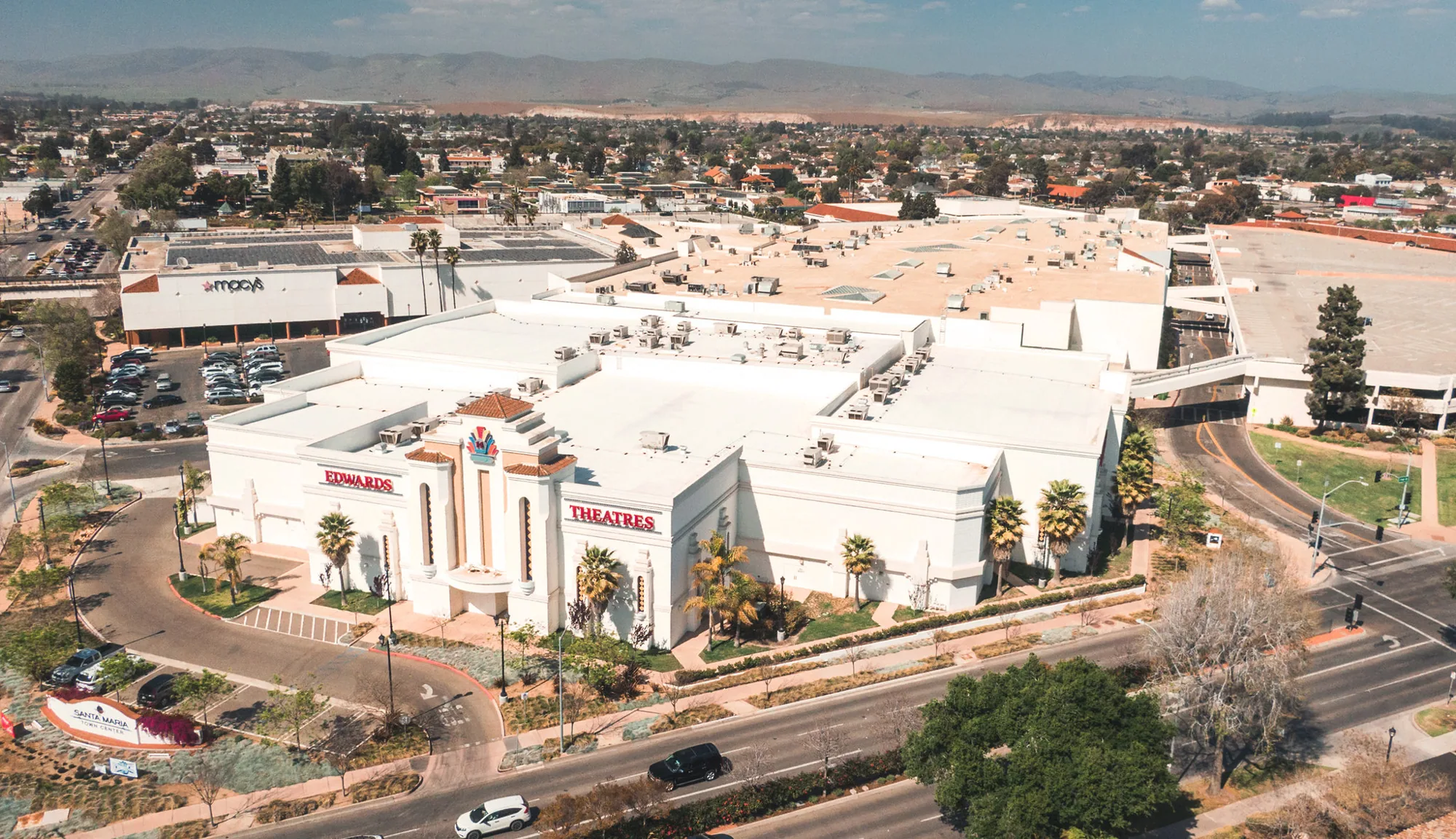
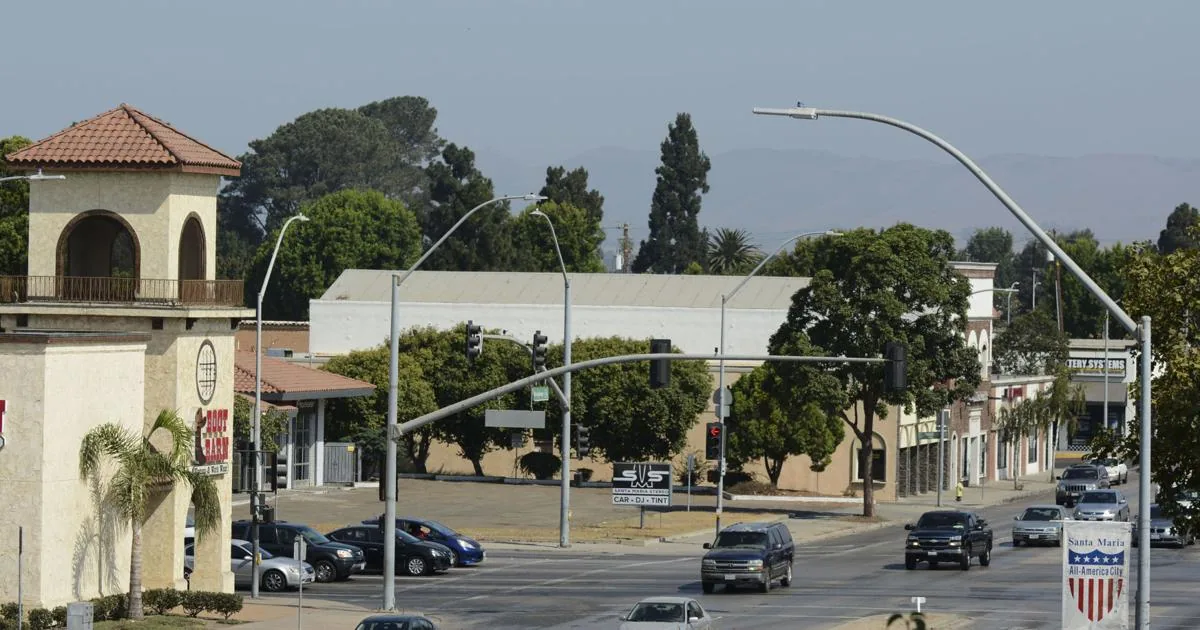
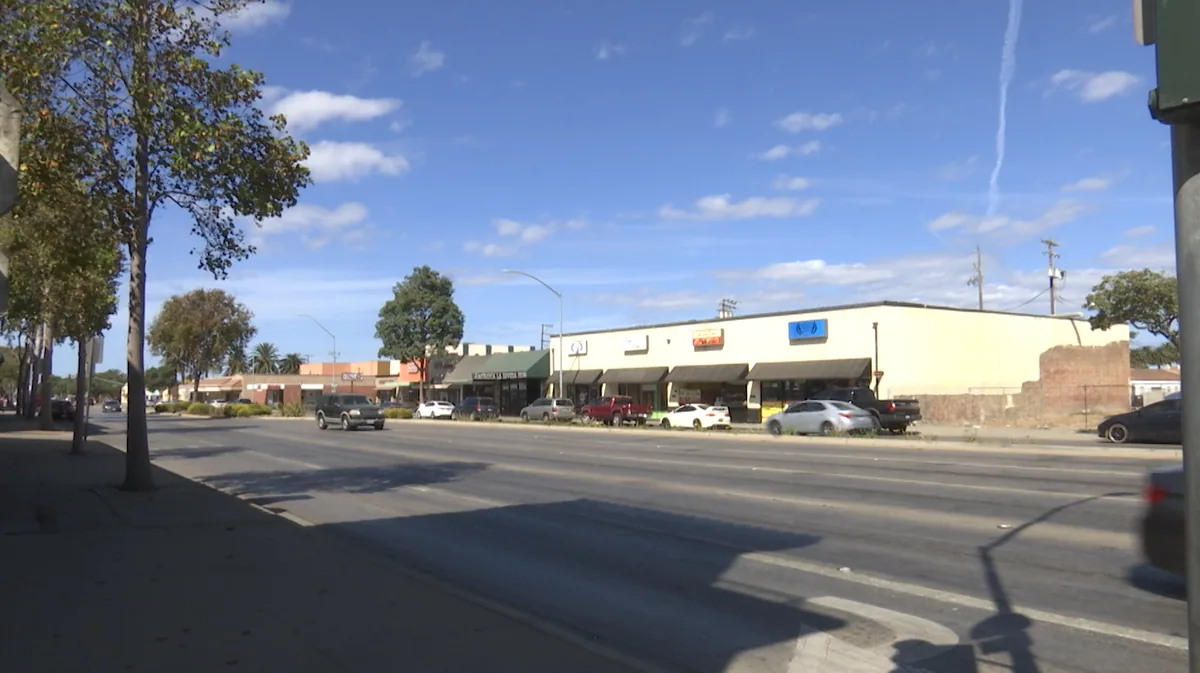
A curb beside an airside service area can set the order of a roof repair. We identify the building and roof zone, check the membrane termination, then note what equipment, access rules, and operating hours could change the sequence. Santa Maria Airport Business Park is a 740-acre plan area immediately south of the public airport. Its adopted plan allows airport services, light industrial, research, manufacturing, commercial, and public-facility uses, so a roof walk starts with the actual property use and assembly rather than a guess from the district name.
The plan also records airport-service businesses alongside cultivated agriculture, grazing, open space, and airport operations. A later amendment study evaluates office, medical office, storage, marketplace retail, restaurant, light-industrial, and public uses in part of the area. These planning categories do not establish what is built on a particular parcel. We confirm the building, roof system, tenant access, and equipment constraints with the manager before defining the inspection boundary. The same discipline applies when a portfolio includes Area 9 or Downtown Santa Maria: each roof gets its own record.
Building use: plan the roof walk around the work below
A manufacturing, research, office, or airport-service use can put different constraints on roof access, but the plan designation does not tell us which one applies to the building in front of us. We ask the manager where rooftop units are serviced, which doors and production areas must remain clear, and whether a tenant escort is required. That information sets the route from the access point to the inspection area and keeps the walk from interrupting work that does not need to stop.
Where the roof has multiple elevations or additions, we label each zone before comparing conditions. A seam repair on one section may be unrelated to a drain issue on another. We record visible membrane type when it can be identified, transitions between assemblies, and any detail hidden behind equipment. If the records show a past repair, we compare its boundary with current conditions instead of assuming the old patch is still the active leak path.
Inspection: trace moisture to a defensible boundary
At a drain, we check the bowl, clamping detail, field sheet, and the surface that feeds water toward the outlet. At a curb, we look at flashing height, corners, and the point where the membrane terminates. Those observations matter when fog or rain leaves a surface damp, because bonding and coating depend on preparation at the time of work. We record surface and substrate readings before specifying an adhesive or restoration method.
At KSMX, annual precipitation has a 13.32-inch normal for 1991-2020. Across its 42 years of observations, the station averages 62.4 heavy-fog days annually. These records describe the station, not this roof or conditions on a scheduled workday. They make drainage, lap condition, and surface readiness useful items to document. A commercial roof inspection can pair photographs with roof-zone notes; an infrared moisture survey can help identify suspect areas for follow-up testing.
Repair options: keep the scope tied to the roof
A local repair may be appropriate when the defect is confined to a seam, flashing, puncture, or termination and the surrounding materials can support a compatible tie-in. We mark the boundary, name preparation and materials, and note the closeout check. A broader moisture pattern or repeated failure across connected details may call for a wider opening or condition survey. We show those as separate choices so the owner can see what is confirmed and what remains conditional.
For water entering during active operations, a crew can be dispatched day or night, on weekends and holidays. We first shield the interior and create a temporary dry-in. Permanent work follows after the roof is dry enough for specified preparation and the damaged assembly edge is known. A leak repair plan can identify the immediate measure, while a seam failure assessment can address a recurring lap problem. Neither replaces inspection of the surrounding roof zone.
Timing: stage access, preparation, and approval
Equipment service, tenant activity, deliveries, and access limits can all shape the work sequence. Before dispatch, we agree on a drop point, a worker route, drain access, and the method for protecting an opened section at shift end. The manager should flag airside or security procedures early so the visit accounts for those steps.
A replacement covering requires a Santa Maria permit and written approval after the pre-roof inspection. Reviewers consider roof support and deck, water flow, current-cover attachment, damp insulation, and fire-retardant rules. Broad ponded areas that remain two days after rainfall require a drainage assessment and corrective work. We document observed water locations and duration so the manager can determine whether that review changes the project path. A drainage repair scope can be separated from membrane replacement when the evidence supports that distinction.
Closeout: leave a roof record that supports the next decision
After repair or replacement, we leave the manager with roof-zone photographs, the work boundary, materials used, and details that remain open. A closeout note should say whether the repair was permanent or temporary, what was inaccessible, and whether a recommended test is still pending. These records help a later technician distinguish a new condition from the seam, curb, or drain already addressed. Where an equipment trade may return, the file should identify the affected assembly and tie-in.
Before pricing broader work, share the building identifier, existing roof plans, leak history, and access limits. We will walk the identified sections, note observed conditions and any testing needed, then describe repair boundaries and schedule constraints. A maintenance visit can update the record after the immediate issue is resolved. When the roof reaches a larger capital decision, the manager can compare findings with a separate Area 9 service-area record and a West Main roof assessment.
Commercial Roofing Questions
What should the first roof walk cover in the business park?
Start with the roof section tied to the reported issue, then include nearby seams, curbs, edge details, and drains that can affect the repair boundary. We also confirm building access, tenant limits, rooftop equipment, and the person authorized to approve testing. The plan designation gives context for possible uses; the actual roof walk establishes assembly and condition.
Can airport or security procedures change the repair schedule?
Access rules can affect the route, escort, staging point, and time available on the roof. The manager should identify any property-specific procedure before we schedule. We can then build those limits into the inspection window, delivery plan, and temporary dry-in sequence instead of discovering them after material is on site.
Does fog mean the roof cannot be repaired that day?
A station statistic cannot answer that for a particular roof. We check the surface, substrate, and product requirements at the work area. If preparation is not ready, we document the condition and adjust the sequence; if it is ready, the planned repair can proceed subject to the approved scope and access.
When does a leak need testing beyond a visual inspection?
A visible opening with a sound surrounding assembly may support a defined repair. Repeated leakage, uncertain attachment, or moisture readings extending beyond the apparent defect can justify approved test openings or additional survey work. We explain what question the test will answer before it is added to the scope.
What changes when a project applies a new roof covering?
A new covering requires a City permit and review before installation. The inspection considers support, roof deck, drainage, attachment of the current assembly, wet insulation, and fire-retardant conditions; written approval is required before application. We place that hold point in the schedule and document any drainage question raised by the walk.
Plan the next roof visit
Tell us about the building and what you are seeing on the roof. Request a roof assessment and we will set up a time to look at it.