KEE Commercial Roofing in Santa Maria, CA
Review a KEE roof assembly
Arrange access and share any membrane submittals or prior repairs. We will inspect the field, welds and transitions, then document a compatible repair or replacement scope for the property.
Request a roof assessment or call 555-555-5555.
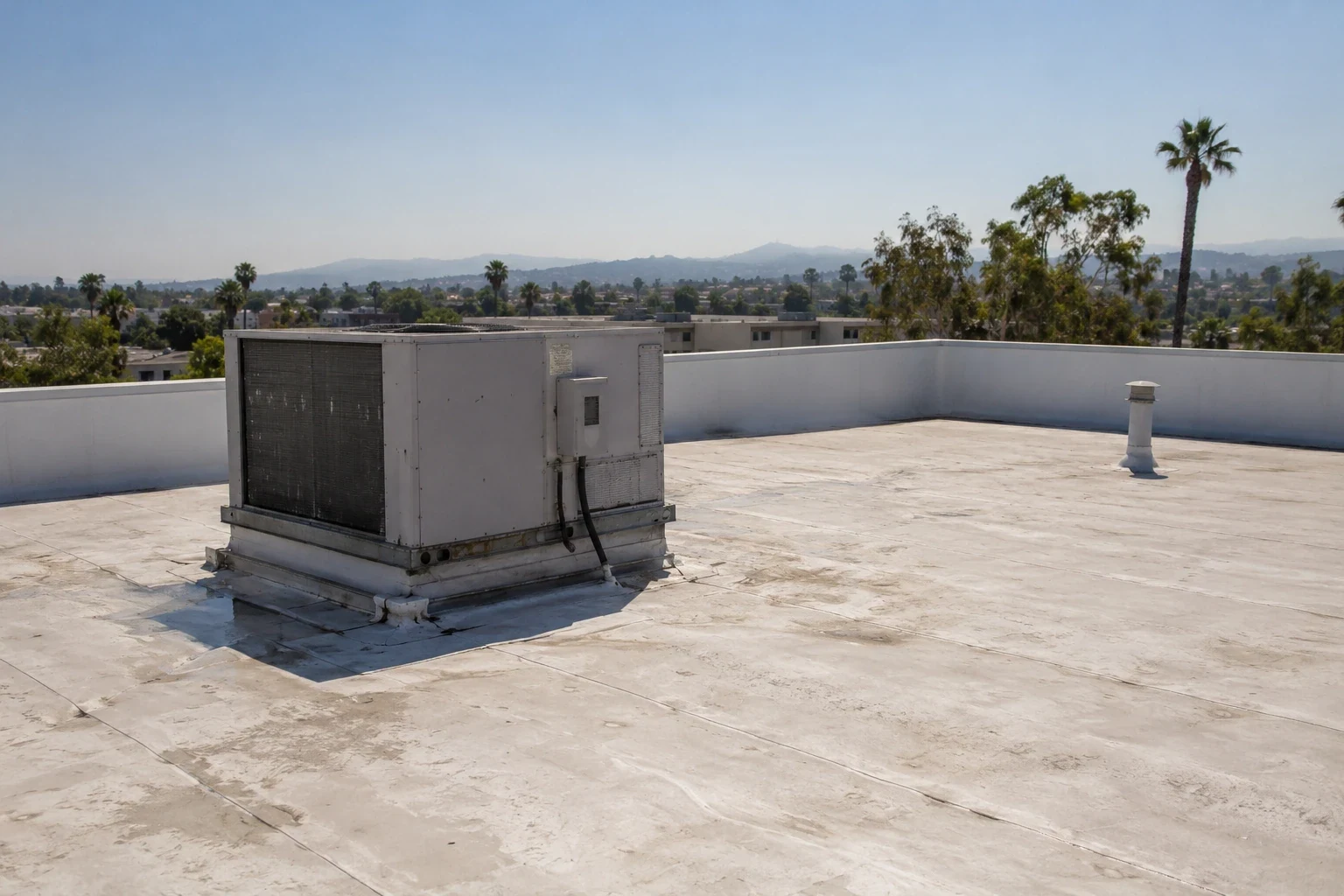

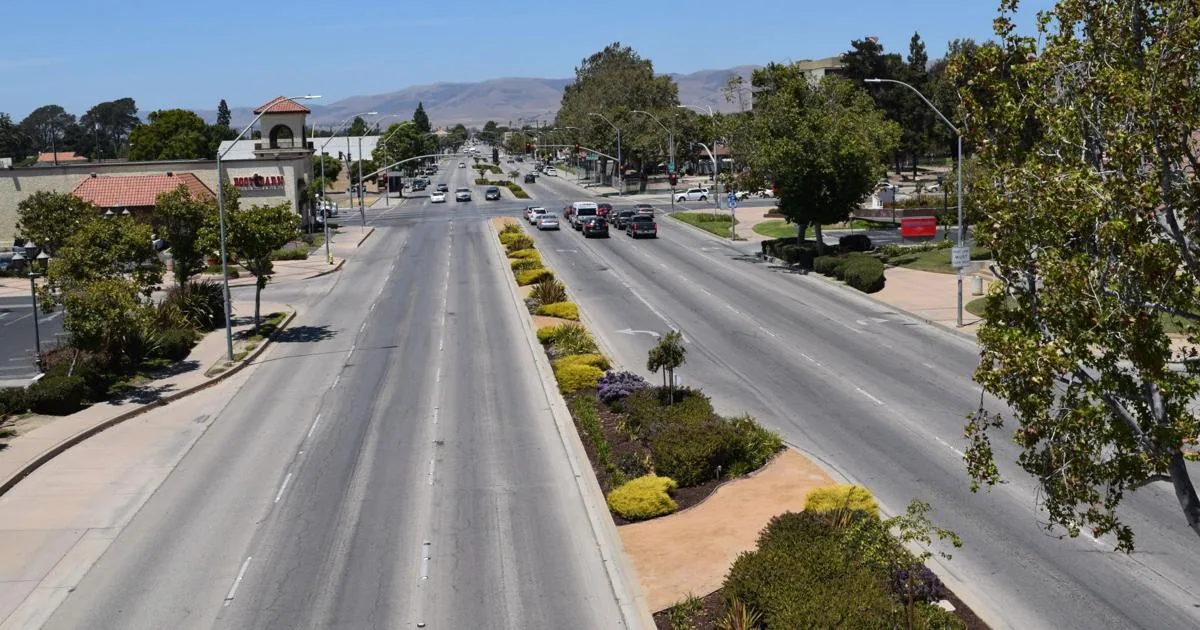
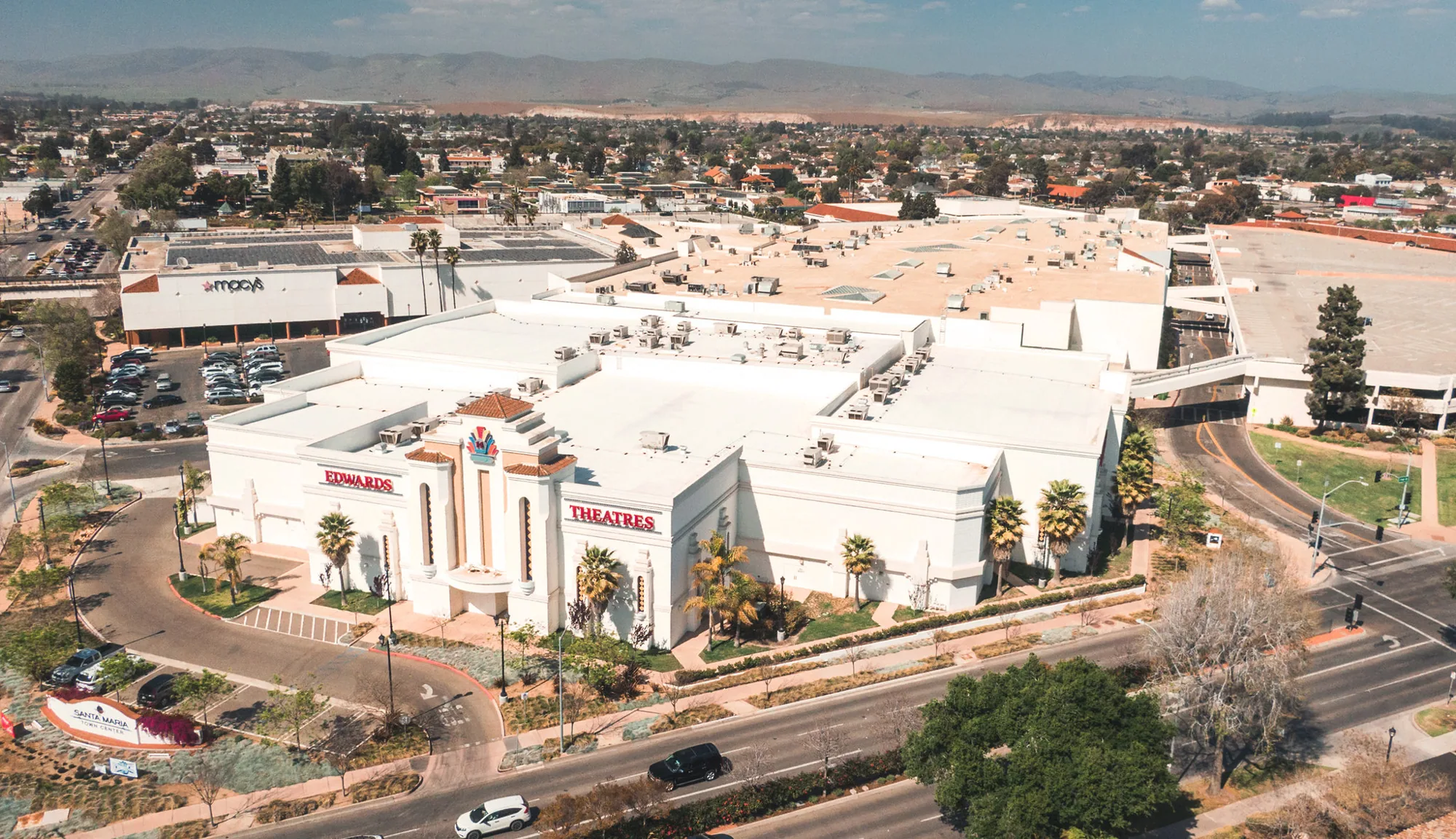
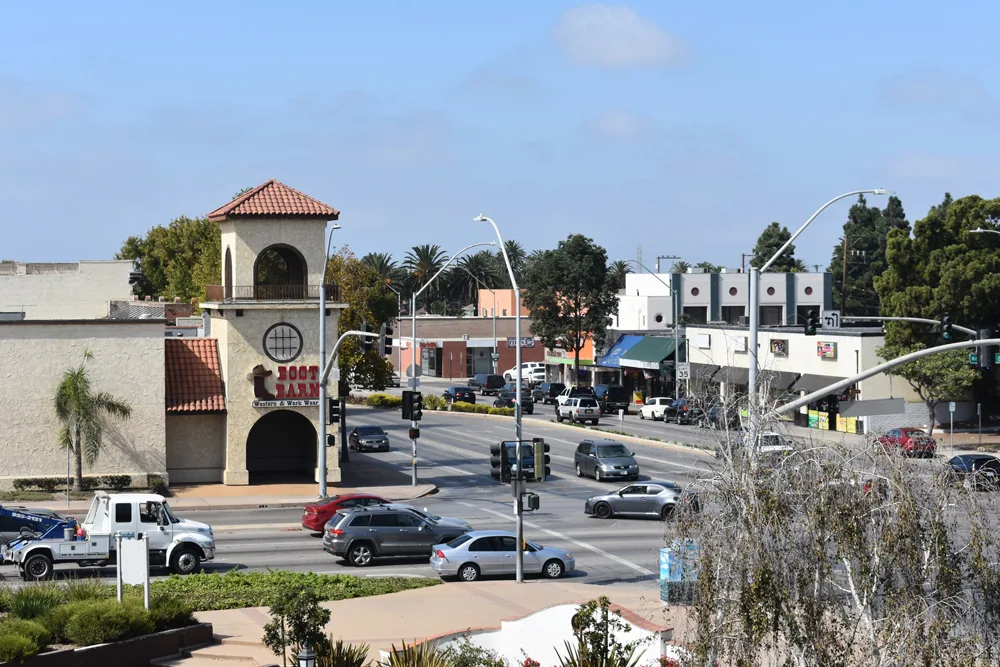
A reinforced KEE membrane still depends on a sound weld, dry substrate and well-formed flashing. In Santa Maria, CA, we inspect those details before recommending a repair or replacement. The Airport Business Park and the Orcutt Community Planning Area are distinct places in the local planning record, but neither indicates which roof system sits on a particular building. We confirm the membrane through available records and field observation, then record any uncertainty before selecting a compatible material or heat-weld procedure. A record of membrane make, installed details and repair products helps prevent an incompatible patch at the next service call. We photograph visible markings and identify when the material name comes from owner files rather than direct inspection. If records conflict, the scope states what needs confirmation. We keep those open items in the property record.
Some PVC membranes use an additive abbreviated KEE, a ketone ethylene ester component. The exact product formulation still matters for repair compatibility. The system may be heat-welded at seams and flashed with compatible sheet goods, but product formulation and installation requirements vary. We check the identified product data, sheet condition, attachment and repair history before writing the scope. If the exact membrane is not established, we avoid guessing from color and may recommend a test or documentation review.
Confirm the sheet and the weld
We examine lap edges, T-joints, corners and flashing transitions for gaps, wrinkles, surface contamination or movement. A seam may appear intact at one point while separating farther down its length, so we check an accessible run rather than relying on a single photo. At curbs, pipes and drains, the field membrane must connect to details that are compatible with the identified assembly. We record the repair limit and the next sound boundary.
Older patches can complicate identification. We inspect the repair material, primer marks, fasteners and nearby sheet, then compare those clues with roof records when available. If a sample or test opening is needed, the manager receives the reason before that work is priced. A condition inspection can document the current roof, while a coating evaluation checks whether any surface restoration is appropriate for the confirmed system.
Make a repair that reaches sound membrane
Before welding, the crew cleans and prepares the surface under the product requirements. The repair piece needs enough sound material around the defect to form a continuous weld. Corners and irregular penetrations may need shaped flashing rather than a flat patch. We test the equipment setup, weld the detail, allow it to cool and inspect the edge for skips or voids. If the membrane is too degraded or the surface contaminated, we expand the boundary or evaluate another repair plan. We pay particular attention to welds near dissimilar metal and old repair materials, where heat transfer and surface preparation can vary. Test welds on prepared material confirm the setup before a longer seam is completed. The closeout records the completed boundary and any remaining surface condition.
A repeated leak can come from a curb, drain clamp or rooftop service cut rather than the broad field sheet. We trace the water path and avoid treating a stain below as proof of one seam failure. When equipment service disturbed the roof, we coordinate disconnection and access with the mechanical contact. A curb repair or drain detail may be scoped separately from the KEE field weld.
Compare the assembly before choosing replacement
When several zones show open welds, old repairs or wet insulation, a roof-wide review can be more useful than pricing a string of individual patches. We inspect the deck, attachment, existing layers and drainage, then describe whether a recover or tear-off can be considered. The scope identifies insulation, cover board, membrane, edge metal and flashing separately so the manager can compare the actual work rather than a generic membrane name.
Other single-ply systems may also suit a property. We can compare a PVC membrane or TPO membrane based on product requirements, roof exposure and operating needs. A replacement proposal names the selected assembly, attachment method and transitions. It also lists the areas that need a test opening or structural review, so uncertainty does not disappear inside the installation price.
Allow for inspection and permit steps
Before a new roof covering is applied in Santa Maria, the city requires a pre-roof inspection and written approval; the review includes structure, deck, drainage, attachment of the current covering, wet insulation and fire-retardant considerations. A building permit is required before the new covering goes on. We account for those steps in the sequence and keep the inspection record with the roof zones and assembly details it covers.
The city lists Downtown Santa Maria, West Main and Airport Business Park among its specific plan areas, each with area-specific standards. The West Main Specific Plan Area is a broad designation, not a single property; our work plan remains tied to the building access and roof conditions confirmed during the visit. These designations do not make nearby roofs interchangeable. On a property in the Airport Business Park area, we confirm actual access routes, equipment shutdown needs and the surface condition with the manager. A phased reroof plan can keep the daily opening boundary clear when operations continue below.
Keep the roof history tied to locations
After repair, we photograph the finished weld and the surrounding roof area, then label the location by zone or nearby penetration. On a return visit, we line up the new seam photo with the prior one and identify any change after mechanical or tenant access. A manager tracking several roof zones can then budget from located conditions, instead of carrying a building-wide label with no supporting work list.
NOAA's Santa Maria KSMX report lists 13.32 inches as the 1991-2020 normal annual precipitation at that station. Santa Maria's KSMX station records a 13.32-inch annual precipitation normal for 1991-2020. After wet periods, we inspect drainage paths and membrane transitions before setting the repair boundary. A condition report can preserve repair photos, and maintenance visits can recheck laps, drains and curbs. We record limitations where an area is blocked or unsafe to access. The manager can use that detail to arrange an escort, move stored material or schedule a return visit, instead of assuming the hidden area passed inspection.
Commercial Roofing Questions
How should an installed KEE product be identified?
In certain PVC formulations, KEE names the ketone ethylene ester component added to the membrane. We identify the exact product from submittals or markings before choosing a repair sheet, primer or weld method. If the product name cannot be established, the manager receives that limitation and we confirm compatibility before pricing material.
Can a KEE membrane be welded after it has aged?
A weld may be possible if the sheet can be cleaned and prepared to meet the product requirements. We test the surface and inspect the nearby membrane before extending a repair. Age, contamination, old coatings and prior patches can change the repair boundary.
How do you distinguish a KEE roof from standard PVC?
Color is not enough to identify a formulation. We review the original submittal or product marking when available, then compare the membrane and repair history. If identification remains uncertain, we document that limit and confirm compatibility before work proceeds.
When should a property manager consider replacement instead of repairs?
Our replacement review maps each failed weld by zone, tests suspect insulation and checks the deck and past patch pattern. If problems cross several roof zones, a replacement evaluation can compare the full assembly with continuing patches. The report separates confirmed damage from areas needing further testing.
Plan the next roof visit
Tell us about the building and what you are seeing on the roof. Request a roof assessment and we will set up a time to look at it.