About Commercial Roofing Santa Maria
Commercial Roofing Built Around the Building
A lap that turns upward at a drain can redirect water toward a seam instead of the outlet. Commercial Roofing Santa Maria works with building owners, property managers, facility teams, and general contractors who need a clear roof decision. We inspect the affected zone, record what is visible, and explain whether the next step is a repair, a test, maintenance, restoration, or replacement. The scope stays tied to the conditions found at the property.
Santa Maria station records list an annual precipitation normal of 13.32 inches and an average of 62.4 heavy-fog days across the station's 42-year record. At the building, we check the actual drain path, membrane, edge metal, and substrate rather than treating a station reading as a roof diagnosis. That distinction matters when timing depends on surface preparation or a bond that needs to cure correctly.
Inspection: trace the condition through the roof
Our inspection starts with the reported leak, the roof plan if available, and the access limits for the building. We walk the connected details: seams, curbs, penetrations, drains, wall turns, and metal terminations. Photos and notes identify the roof zone, the visible opening, and any location that could not be reached. If moisture readings are useful, we compare them with the assembly and surrounding conditions; if a concealed layer remains uncertain, we identify the test opening that would answer a specific question.
A roof record should show why the recommendation follows from what was found. We distinguish a confirmed split from staining, a wet reading from a surface temperature pattern, and temporary protection from permanent repair. That helps the owner decide what to authorize now and what needs a separate review. A roof condition report can retain the marked sections, photographs, readings, and open decisions for a later visit or portfolio discussion.
Repair options: price a boundary the owner can see
A local repair can be appropriate when the defect has a clear edge and surrounding material will accept a compatible tie-in. We remove failed material, prepare the substrate, rebuild flashing or seam details, and document the closeout. If the opening reaches brittle sheet, wet insulation, or a damaged deck, the manager sees that condition before the scope widens. We price the confirmed area separately from testing or added work that still needs approval.
An urgent water-entry call can reach us at any hour, holidays included. We begin by shielding the interior and installing temporary dry-in. Permanent repair follows when the surface and substrate are ready for the specified material and the repair limit is known. When repeated failures, broad moisture, weak attachment, or drainage problems appear, we compare a defined repair with recover, coating, or replacement. The owner receives the conditions that support each choice rather than a blanket recommendation.
Cost and schedule follow the same observations. Removal depth, roof access, staging, equipment shutdowns, protection below, and concealed conditions can change the work. We identify those drivers in the proposal so a manager can compare scope and timing. An estimate should state which roof zone is included, what detail is being rebuilt, and which discovery would require a change before material is installed.
Roof systems: match the repair to the installed assembly
We repair and install low-slope membranes, built-up and modified bitumen assemblies, standing seam and retrofit metal, spray foam, and silicone or acrylic coatings. The material name is only the starting point. A new flashing must connect to a compatible field sheet, terminate cleanly at the wall or curb, and send water toward a working drain. Surface preparation, attachment, insulation condition, and the roof's existing transitions determine the method and how much material must be removed.
Santa Maria's Airport Business Park plan includes airport service, research, laboratory, office, and manufacturing uses. We inspect each building's roof assembly and access conditions before defining a repair or replacement scope. We coordinate around equipment and operations that the manager confirms at the site. We compare compatible membrane and metal assemblies alongside repair, recover, coating, and replacement work based on the roof condition and service need. The estimate remains specific to the assembly that inspection identifies.
Work planning: keep access, dry-in, and approval together
Occupied buildings require a sequence that accounts for the people and systems below. Before opening the roof, we agree on the ladder route, staging area, work window, interior protection, and equipment that must remain active. We also identify the inspection hold and the person who can review a finding if removal exposes a different deck or wet insulation. A dry-in plan protects the building if the crew must pause while the owner considers an added repair.
For a full roof covering change in Santa Maria, the permit file and City's pre-roof clearance sit ahead of installation. The review reaches structural support, deck condition, water flow, existing layer bond, trapped moisture, and fire protection. We keep that checkpoint visible, coordinate the roof work around it, and document findings before they are covered. Routine maintenance or a small repair does not replace that project review.
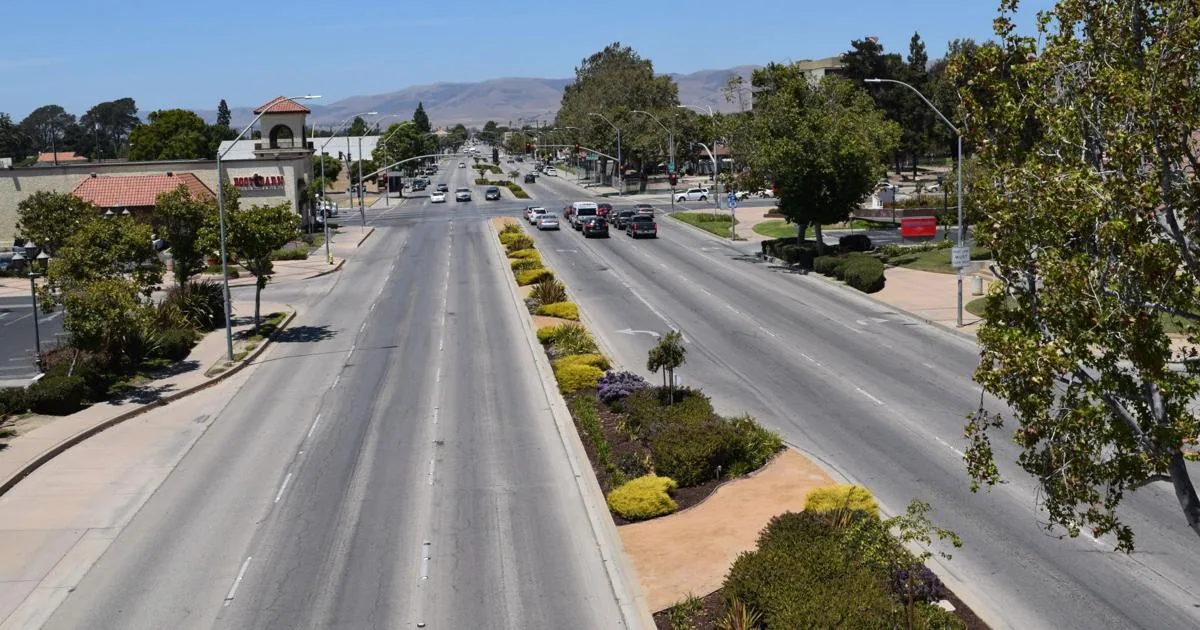
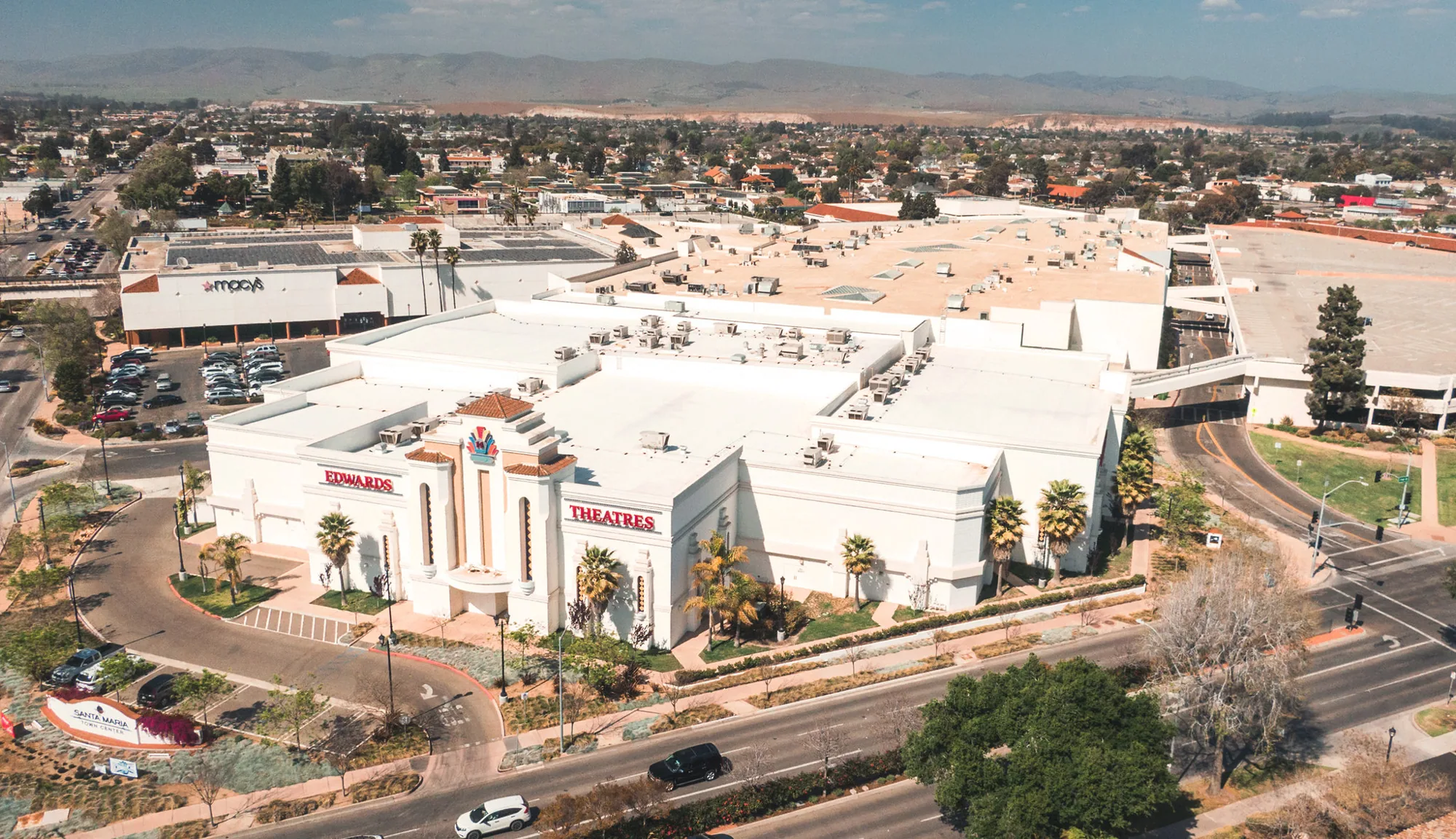
Local work also varies by property and planning context. Downtown Santa Maria's plan includes retail, food, service, entertainment, hotel, public, and mixed-use categories. Area 9 has manufacturing, commercial, office, and open-space designations; Rivergate-Roemer has a separate mix of residential, commercial, open space, and community uses. During the roof walk, we document the installed assembly, access route, and repair boundary for the property. A Downtown roof inspection and a review in Area 9 both begin with property-specific access, drawings, and roof conditions.
Maintenance: carry the roof record forward
A maintenance visit revisits seams, drains, wall flashing, edge metal, and rooftop equipment before a small defect becomes a larger interruption. We photograph the conditions and note whether an item was repaired, left for monitoring, or requires testing. If another trade changes a curb or adds a penetration, the manager can update the roof file and schedule a compatible tie-in. That record also helps compare recurring conditions without assuming the same detail failed in every zone.
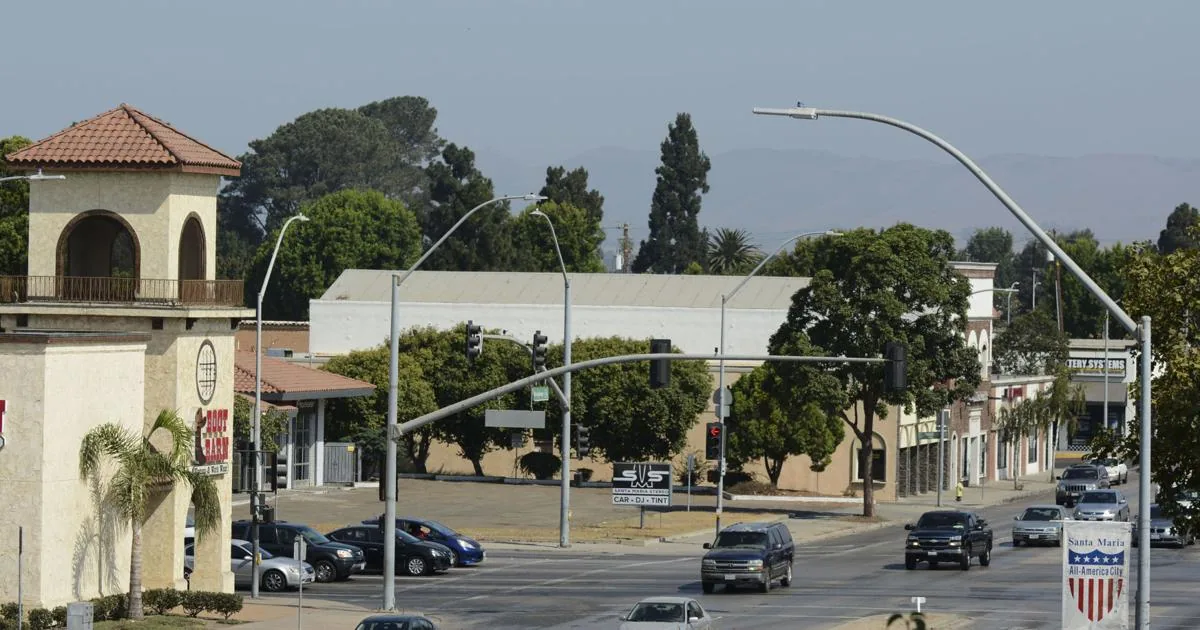
Commercial Roofing Santa Maria works with individual buildings and portfolios. A retail manager may need a work window outside business hours; a warehouse may need a clear delivery path; a facility team may need equipment kept live. We confirm those limits rather than guessing from the building's name. For a property in Airport Business Park or another local area, the inspection record names the actual roof section and access route so the next maintenance visit can start in the right place.
Records: leave a useful closeout
After work, we provide the roof-zone identifier, repair material, dated photographs, visible tie-in, and any open question or excluded condition. The closeout lists completed work and any remaining decision. A roof asset record can keep those details with the property, while a roof walk request starts with the reported concern and access instructions. Clear records support practical maintenance and budget planning without overstating what one visit confirms.
Questions from Santa Maria Building Owners
What does Commercial Roofing Santa Maria handle?
We inspect, repair, maintain, restore, recover, and replace commercial low-slope and metal roofs. Work can include moisture surveys, written condition reports, flashing and drain repairs, coating systems, and planning around occupied buildings.
How do you decide whether to repair or replace a roof?
The decision follows attachment, moisture, substrate, drainage, repair history, and available tie-in areas. The report separates a confirmed local defect from conditions that call for further testing. Then we compare a defined repair with broader recover or replacement work and explain what drives timing and cost.
Can your crew respond to a leak after hours?
Emergency response is available around the clock, including holidays. We shield the occupied space and place temporary weather protection at the opening. Permanent repair follows when conditions and the repair boundary allow the specified material to be installed.
How do you work around tenants or facility operations?
We coordinate access, staging, protection below, equipment limits, and the work window with the manager. Before an opening is made, the dry-in plan and inspection hold are clear. If removal shows a different condition, we document it before extending the scope.
What should I share before scheduling a roof walk?
Provide the property identifier, available roof plan, leak location, repair history, access rules, and operating limits. We use those details to plan the inspection route and identify who can approve a test opening or scope change.