
Commercial Roof Coating Restoration in Santa Maria, CA
Check coating eligibility
Send the roof type, prior repair history and any leak locations. We will inspect the surface, drainage and details, then prepare a restoration scope with its boundaries and limitations.
Request a roof assessment or call 555-555-5555.
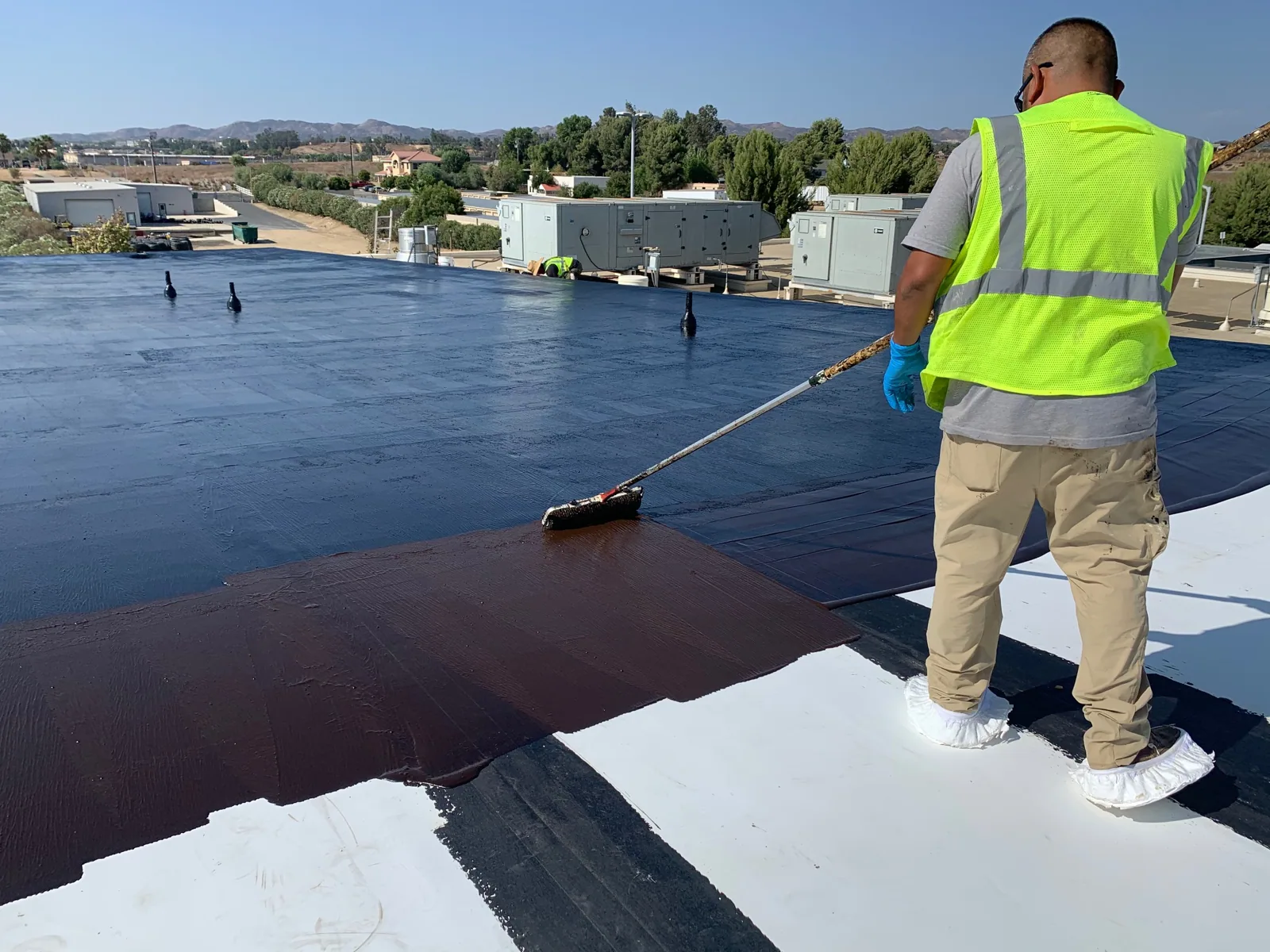
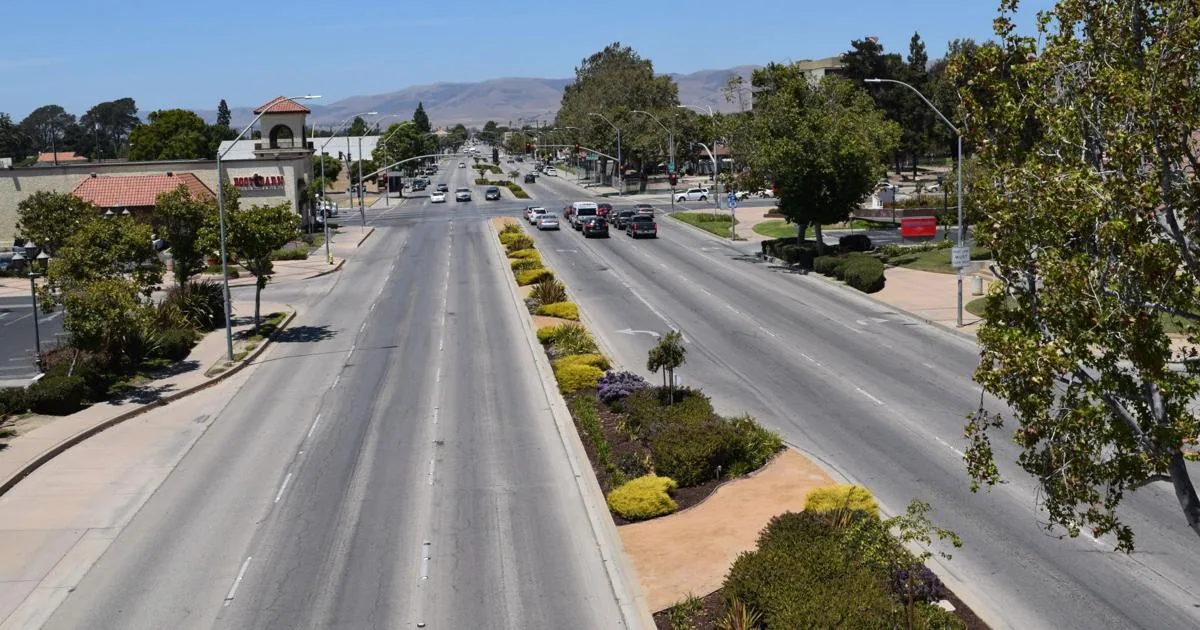
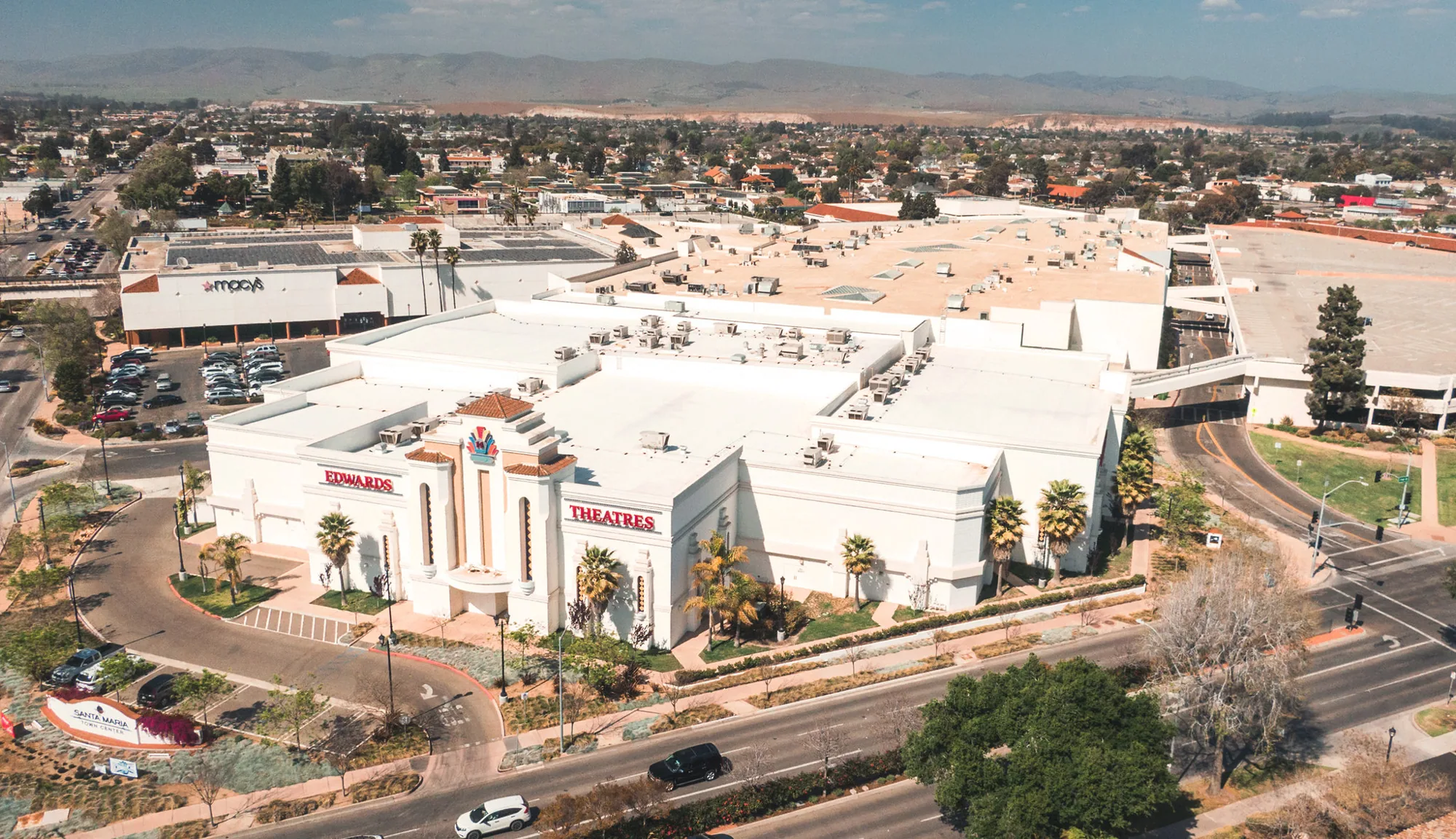
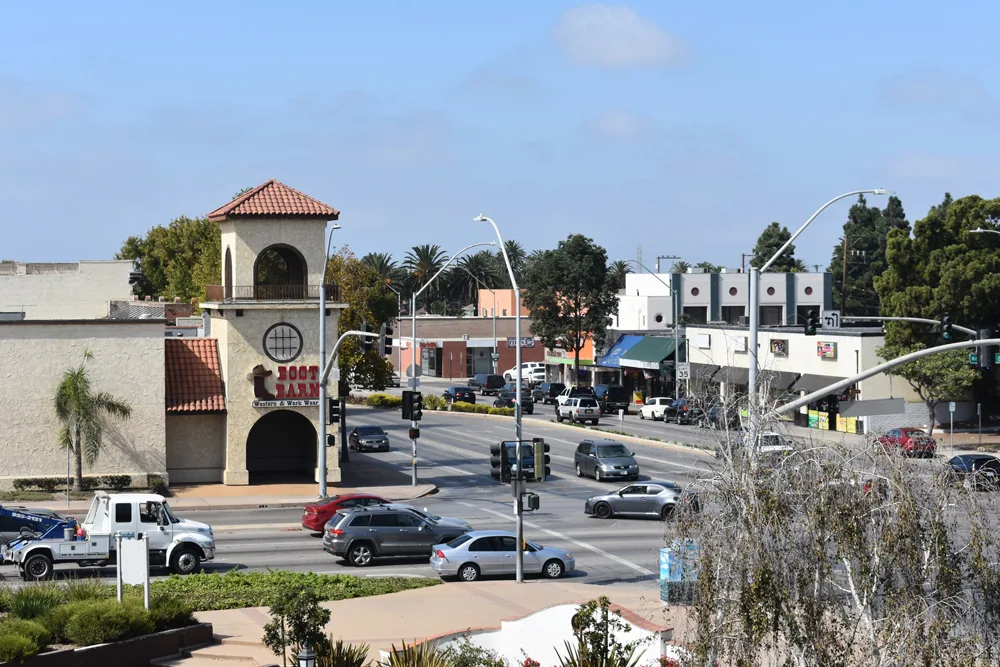
A coating can renew a suitable roof surface, but it cannot make a loose, wet or poorly drained assembly sound by itself. We begin by identifying the existing membrane or metal, checking repair history, looking for trapped moisture and testing whether the surface can accept the proposed material. The property manager receives a written map of preparation, repairs, coating areas, exclusions and the limits of the evaluation. Santa Maria’s airport station has recorded distinct precipitation and temperature values, but those records are context rather than a forecast for the work day. The crew checks the actual roof before cleaning or application. A broader roof inspection is appropriate when the existing layer or deck condition is unclear.
Start with the assembly and its limits
Restoration planning begins with questions about what is already installed, how many layers exist, and whether the roof holds water or has recurring leaks. We inspect seams, penetrations, flashings, metal edges and previous patches. A surface coating is considered only where the substrate is stable and compatible with the selected system. Wet insulation, open seams, loose material, active leaks or blocked drains need attention before a coating decision. Santa Maria code requires a permit before a new roof covering is applied, and local reroof review includes deck, drainage, attachment and wet insulation. The silicone coating system or acrylic system should be compared against the existing surface and water exposure, not chosen from color or advertised life alone.
Prepare for adhesion, not appearance
Cleaning removes dirt and material that interferes with bonding, but preparation must also preserve seams and details. We identify whether the surface needs washing, controlled scraping, rust treatment, patching or a primer. Test areas can show how the coating wets the existing material, but a small test cannot prove that the entire roof is sound. Metal, single-ply membrane and modified bitumen each have different preparation limits. We keep the substrate dry enough for the product requirements and avoid coating over contamination or residual standing water. When repair work is needed first, the repair scope names the patch and tie-in. The estimate should state preparation quantities, coating thickness or application requirements, edge terminations, and how many passes are included. If concealed layers remain unknown, that uncertainty belongs in the proposal rather than buried in a broad allowance.
Resolve water paths before covering them
Drainage affects both coating performance and the choice to restore. We examine low points, drain bowls, scuppers and overflow routes, then distinguish debris removal from a height or slope correction. A recurring pool that remains two days after rainfall calls for drainage analysis and corrective work under the local code. If the proposed coating will leave a recurring pool untouched, the scope should identify that limitation and the separate correction needed. A coating can follow the existing roof profile; it is not a substitute for a designed slope change. The outlet correction scope can address drain transitions, while a targeted moisture survey can help decide whether an opening is warranted. We photograph outlets before and after prep so debris or temporary protection does not obscure the result.
Set the work window from the roof itself
For 1991 to 2020, annual precipitation at Santa Maria's KSMX station averaged 13.32 inches. Its long-term observations also average 62.4 heavy-fog days per year across a 42-year period. Before staging primers or coating, the foreman checks the roof surface, temperature and forecast at the property. If an area is damp or weather threatens a clean cure window, that section waits. The City’s adopted plan areas include Airport Business Park, West Stowell, Downtown and other districts with area-specific land-use standards. That does not change coating chemistry, but it can affect access, tenant coordination, vehicle movement and work hours. We confirm those details with management before equipment and materials arrive.
The Area 9 Industrial and Commercial Plan Area and West Stowell Industrial Corridor are distinct planning contexts, not roof-condition labels. A manager in either area still confirms access, tenant hours and any environmental controls with the property contact.
Break the roof into controllable zones
A coating project needs a sequence that protects open edges, drains and occupied space. We divide the roof into work areas, complete repairs and preparation, then apply the system under the product's installation requirements. The scope identifies when a zone can be reopened, what cure or protection period applies, and how the crew will keep runoff moving during work. Around skylights, curbs and conduit supports, the coating must terminate cleanly without concealing a weak flashing detail. We coordinate rooftop equipment shutdowns only where the owner authorizes them; the roofing crew does not assume another trade can be moved. A marked work plan lets the manager notify affected tenants and keep access clear. For older roofs that do not meet restoration criteria, the recover review compares another covering layer with removal, while replacement planning addresses a wider assembly failure.
Before production starts, the crew should confirm the selected product, surface-preparation method, estimated coverage and weather window with the owner. We identify a small test area where adhesion or compatibility is uncertain and allow the required evaluation period before expanding. During application, the work record lists each completed zone, material batch, approximate coverage and any interruption caused by weather or access. The manager can compare that record with the proposal without relying on a single finished photograph. At penetrations and changes in plane, a coating transition should be inspected while details remain visible. If a crew discovers blistering, soft material or an open seam during preparation, that condition pauses the coating plan until its repair is authorized. A written change order identifies the added location and material rather than silently widening the original footprint. These checks help keep the finished work tied to the roof areas that passed the initial review. The existing membrane type remains important when choosing the tie-in..
Define what the restored roof does and does not include
At closeout, the record identifies products applied, repaired details, coating areas, surface conditions and any limits that remain. The manager should be able to match a photo to a roof zone and understand which details were part of the work. We avoid describing a coating as a blanket fix for concealed moisture, deck movement or poor drainage. If testing was declined, the report keeps that question open. Maintenance after restoration should check drains, edges, penetrations and any traffic paths that can abrade the surface. Santa Maria’s 2045 planning materials describe commercial corridors and centers throughout the city; the actual roof still needs its own maintenance schedule. The condition report can hold future observations, and Industrial Parkway planning can coordinate access for properties in that broad commercial area.
Commercial Roofing Questions
Can a coating fix a leaking roof?
It can seal compatible surface defects after the roof is prepared, but an active leak may come from failed flashing, wet insulation, deck movement or drainage. We locate the cause and price repairs before coating the surrounding field.
How do you choose between silicone and acrylic?
The existing surface, drainage, ponding exposure, product compatibility and project conditions guide that choice. We inspect and document those factors before recommending either material.
Do you test adhesion before coating?
A test area can show how a product bonds to a prepared sample of the existing roof. It does not certify every zone, so we pair it with inspection, moisture questions and clear exclusions.
Can tenants stay in the building?
Often the building can remain in use, but odor, access, staging, equipment and noise vary by project. We confirm the actual operations and agree on work zones and notice before scheduling.
Plan the next roof visit
Tell us about the building and what you are seeing on the roof. Request a roof assessment and we will set up a time to look at it.