
Silicone Roof Coatings in Santa Maria, CA
Schedule a coating assessment
Arrange roof access and share operating constraints. We will inspect the membrane, seams, drains and substrate, then document preparation and repair limits before pricing a coating scope.
Request a roof assessment or call 555-555-5555.
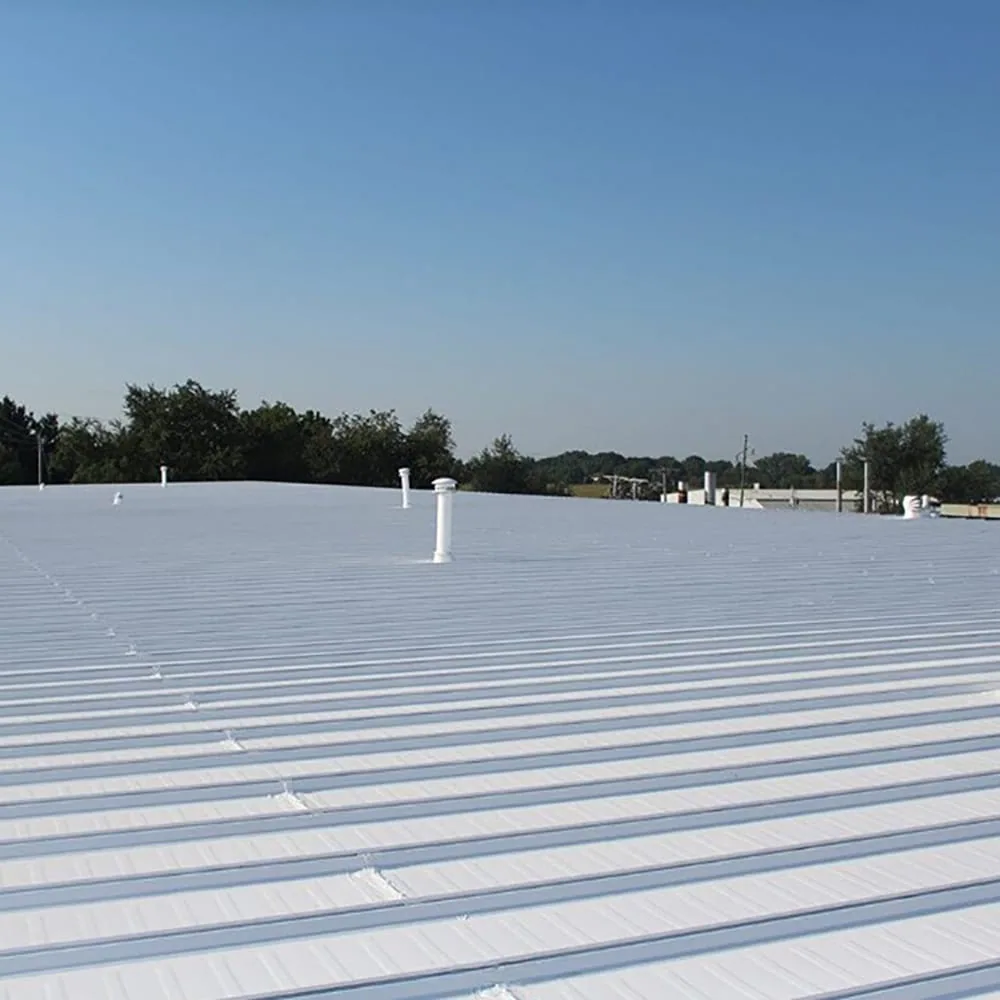
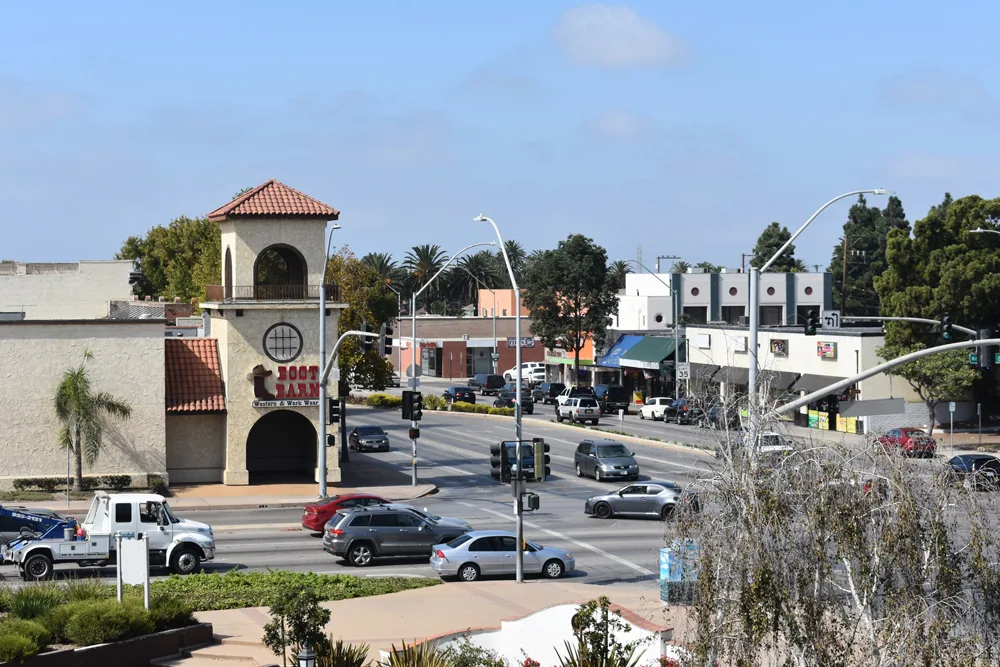
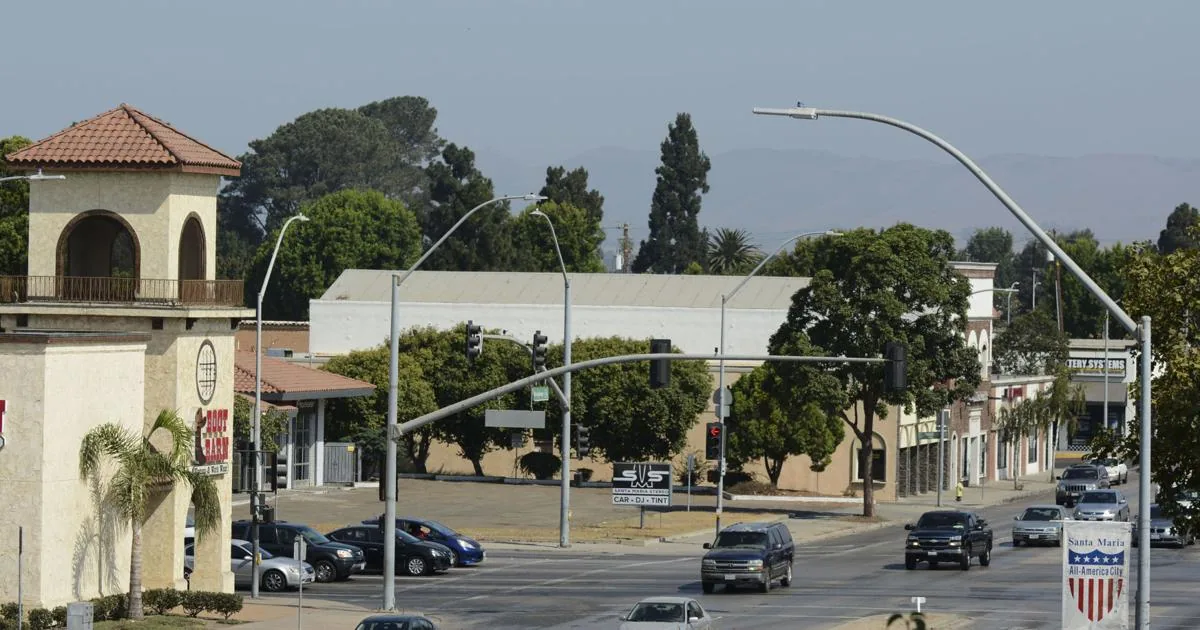
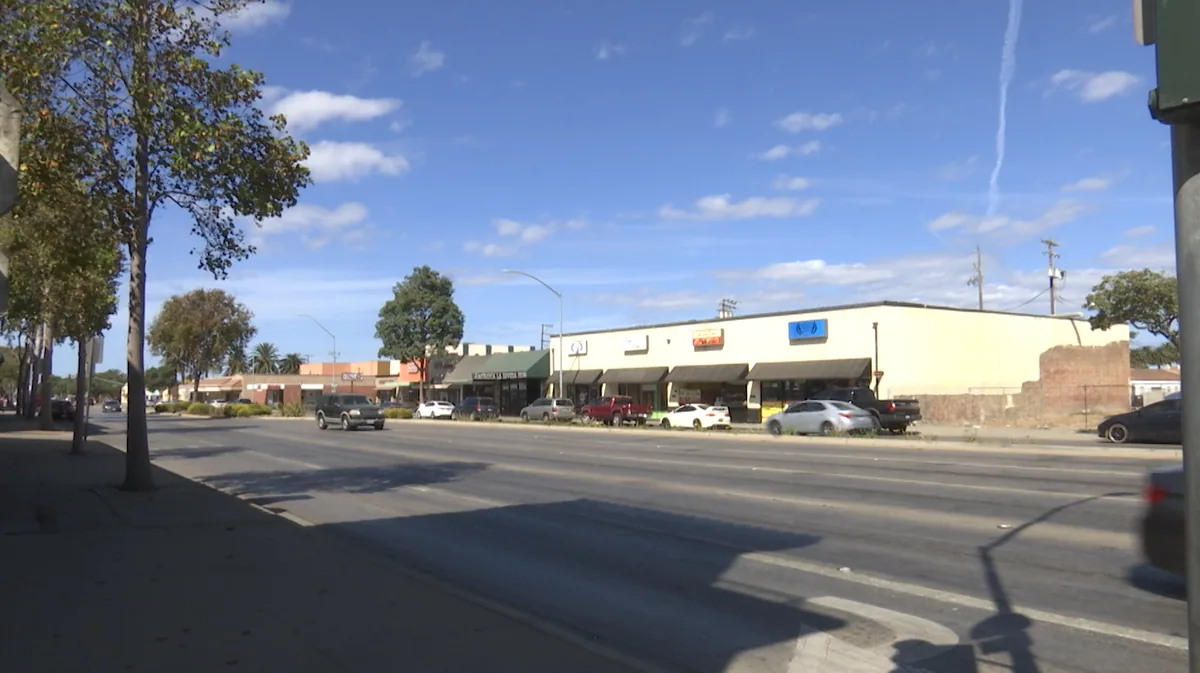
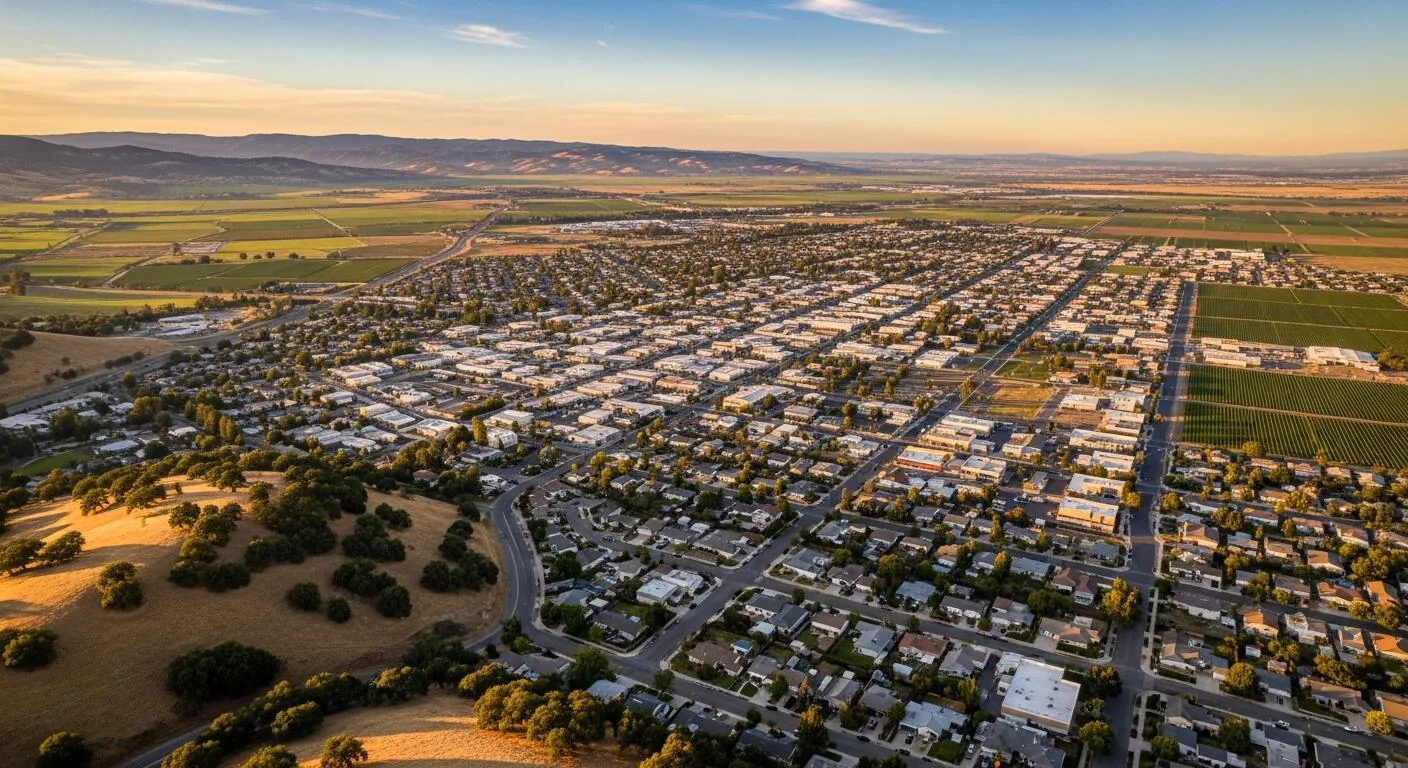
A coating that pulls away at a drain bowl leaves a narrow edge where water can work beneath the film. In Santa Maria, CA, we inspect adhesion, seam transitions and low points before calling a roof ready for silicone. City records for the North Broadway Commercial Corridor document hotel, retail, commercial shell, medical-office and small-retail projects. Downtown Santa Maria excludes industrial and several vehicle-oriented uses from its specific plan, a distinct access context. The plan areas do not identify an individual roof, so we check the installed surface and how the property operates before defining preparation and access.
Silicone is a liquid-applied coating used to restore a compatible roof surface. It must bond to a prepared assembly and tie into drains, curbs, walls and edges. A condition inspection identifies whether the membrane and substrate are sound enough to retain, or whether repair is needed before coating.
Adhesion: test before full application
We look for loose coating, blisters, exposed membrane, prior patches, surface contamination and moisture concerns. At seams and penetrations, we check whether the existing flashing is secure and whether a reinforced detail is required. A small test area can help confirm compatibility and adhesion when the assembly is suitable for that review. We mark what was tested and what remains uncertain rather than treating a clean surface as proof of sound material below.
Drain bowls, scuppers and overflows need a coating termination that does not obstruct flow. We inspect low points, ponding marks and edges where water can collect, then determine whether the roof needs a drainage correction instead of another layer. A drain and scupper check can document the outlets separately. Photographs in a roof condition record help tie each observation to a location on the building.
Preparation: remove what will not bond
Preparation can include washing, removal of loose material, drying, surface repair and primer where the system requires it. We identify the existing membrane or coating and check which cleaning method will not damage it. A silicone layer cannot correct a split seam or weak flashing by itself. The scope should state which repairs are completed first, where fabric reinforcement is used and how the coating connects to stable material at each edge.
We check the selected system's application rate, substrate moisture limits, reinforcement and cure conditions before work begins. Compare acrylic coating options with silicone only after drainage, surface compatibility and the planned maintenance approach are understood. If the assembly is a single-ply membrane, its EPDM seam and flashing details or TPO welds may need a repair method specific to the membrane rather than a coating choice alone.
Repair: keep coating out of open defects
Open seams, punctures, loose flashings and failed penetrations need repair before coating crosses them. We prepare the defect, install compatible repair materials and extend reinforcement as specified. The surrounding membrane must be dry and sound enough to accept the tie-in. A roof repair scope can separate those corrections from the coating area, giving the owner a clear record of what is being sealed and what is being renewed.
If the substrate is wet, insulation is unstable or the membrane has lost attachment, coating over it can conceal rather than correct the condition. We compare localized repairs, recover and replacement based on the assembly. A Santa Maria reroof needs a permit, pre-roof inspection, and written clearance before the covering is installed; review checks the structure, deck, drainage, existing attachment, and wet insulation. A replacement option should identify those layers and any required inspection hold.
Cure: sequence application by roof zone
Santa Maria KSMX averages 62.4 heavy-fog days per year over its listed 42-year period of record. The 42-year KSMX average makes dew and surface dryness useful checks before coating; we follow the product's exposure and cure limits. We set work zones around the product's application limits, allow the prepared surface to dry, and plan how the crew will protect drains and temporary openings.
A roof that still holds extensive water two days after rainfall enters the City drainage-analysis and correction requirement. We inspect low points and outlets, then keep slope correction separate from coating quantities. Access to equipment, roof traffic, inspection holds and ventilation can also affect timing. Where an occupied building remains in service, a phased work sequence defines which zones are available and when they can return to normal access.
Local context: confirm use and roof access
North Broadway Commercial Corridor records include hotel and retail projects, commercial shells, medical-office and small retail work. The City also notes upgraded transit shelters along Broadway. Those facts can frame public access questions, but they do not identify a roof coating or prove suitability. We inspect the actual membrane, drains and penetrations before selecting a restoration path.
A roof serving a kitchen, office, community building or equipment room may have different access and exhaust conditions. We ask the manager what needs to remain available, then map staging, drain protection and routes around rooftop units. A North Broadway roof walk starts with the property's real assembly and operating schedule. We identify who can release access and whether any work zone lies above a room that needs additional protection.
Closeout: record coverage and open items
The closeout record should show surface preparation, repaired seams, reinforced details, coated zones and any area left outside the scope. We list drain bowls and roof edges checked so the next visit can compare the same locations. A maintenance review can look for wear, impact damage, peeling at terminations and changes to drainage before water reaches the underlying assembly.
Arrange roof access and share operating limits before the inspection. We will check adhesion, seam condition, low points and flashing, then document what must be repaired before coating and what can remain. The estimate can separate prep, detail repairs, coating and any drainage work, with test areas or excluded conditions stated clearly. That gives the property manager a reviewable scope before surface preparation starts.
Commercial Roofing Questions
When is a roof ready for silicone coating?
The membrane or existing coating must be sound, clean and compatible with the selected system. We check adhesion, moisture, seams, flashing and drainage, then use a test area when needed to confirm the proposed preparation. Unsound substrate or wet insulation must be addressed before a coating layer is priced.
Can silicone correct ponding water?
A coating is not a substitute for drainage correction. We check low points, bowls and overflow routes and note whether ponding persists. If extensive ponding remains longer than 48 hours after rain, Santa Maria requires a drainage study and corrective action. We can price that work apart from the coating system.
What happens to open seams before coating?
We repair them with materials compatible with the existing roof and the specified coating system. The work boundary includes sound material beyond the defect and any required reinforcement at transitions. We document those details before coating so the new layer is not used to hide an open joint.
How does fog affect application timing?
Surface dryness and the product's temperature, dew and cure limits guide the work window. The KSMX 42-year record provides long-run context. We plan application by roof zone and check actual surface conditions against the product's dew and cure limits before coating.
What should a coating proposal separate?
Preparation, seam and flashing repairs, reinforcement, coating areas, drainage correction and excluded conditions should be visible as separate scope items. We also record test results and access limits that affect the work. The property manager can then review the system and sequence before crews mobilize.
Plan the next roof visit
Tell us about the building and what you are seeing on the roof. Request a roof assessment and we will set up a time to look at it.