Commercial Roof Condition Reports in Santa Maria, CA
Get a useful roof record for your Santa Maria property
Arrange a roof walk and share leak reports, access limits, and prior repair records. We will document the visible conditions, map the proposed repair boundary, and identify any test or approval step needed before the work is priced.
Request a roof assessment or call 555-555-5555.


A photograph of a split seam tells little if the reader cannot find the same spot on the roof. In Santa Maria, CA, our condition reports pair the image with a roof-zone label, nearby reference detail, and the observation that led to it. We note whether water entry was reported inside, what the exterior inspection showed, and which part of the path remains unconfirmed. The manager can use that record to choose a repair, request a test, or keep the item open for review.
A commercial roof inspection is the walk that gathers those observations. The report is the handoff: it carries the evidence, the proposed boundary, and the next decision to the person who controls access or budget. That matters when facilities, ownership, and contractors each hold a different piece of the roof history. We keep the language concrete enough that the next reader can return to the same drain, curb, edge, or lap without guessing.
Diligence Notes: show where each finding sits
We divide the roof into sections that can be recognized in the field, using transitions, equipment groups, drains, or other stable reference points. A photo set records the view and the close detail. Notes distinguish a lifted seam from a surface mark, a wet interior report from a confirmed roof opening, and a suspected path from one we have traced. If an opening or moisture survey is appropriate, the report states the question it should answer and the limit of that check.
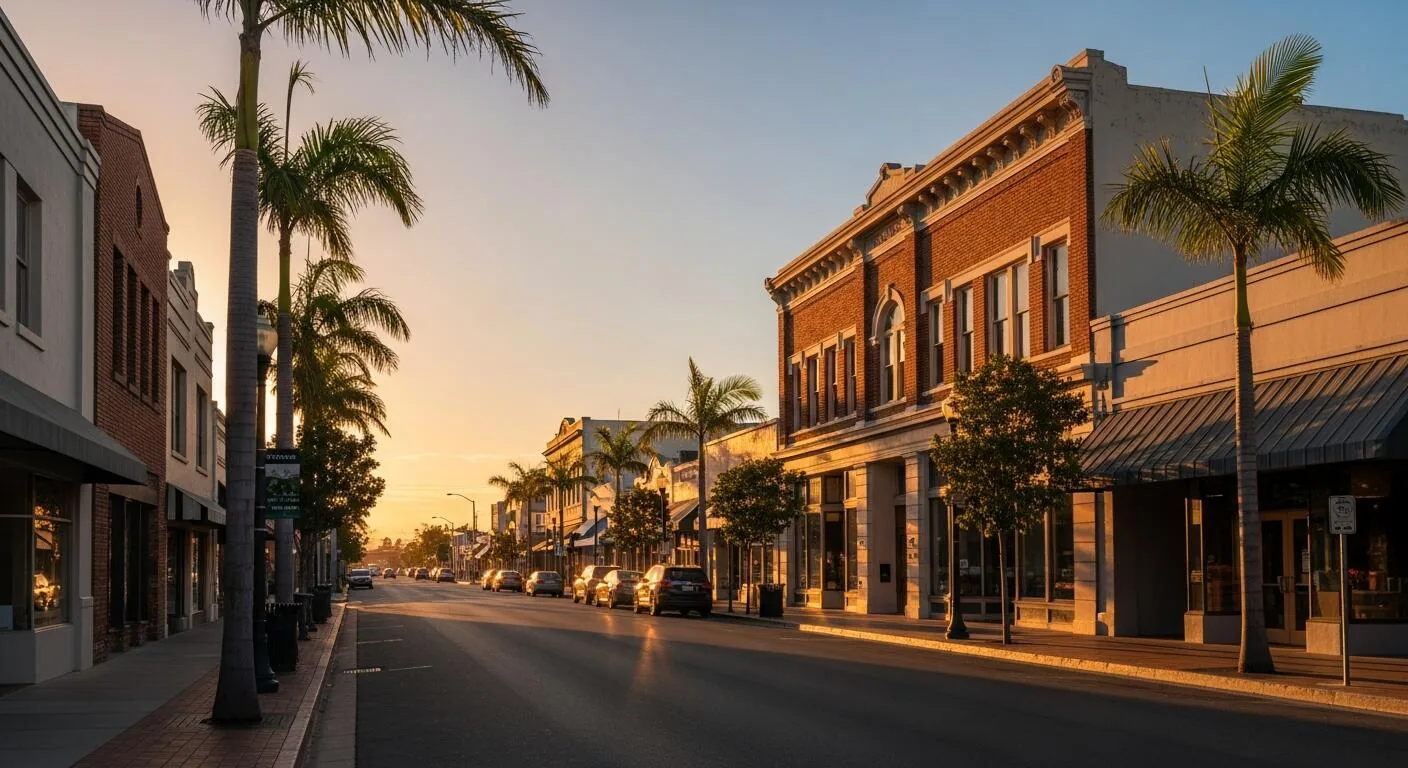
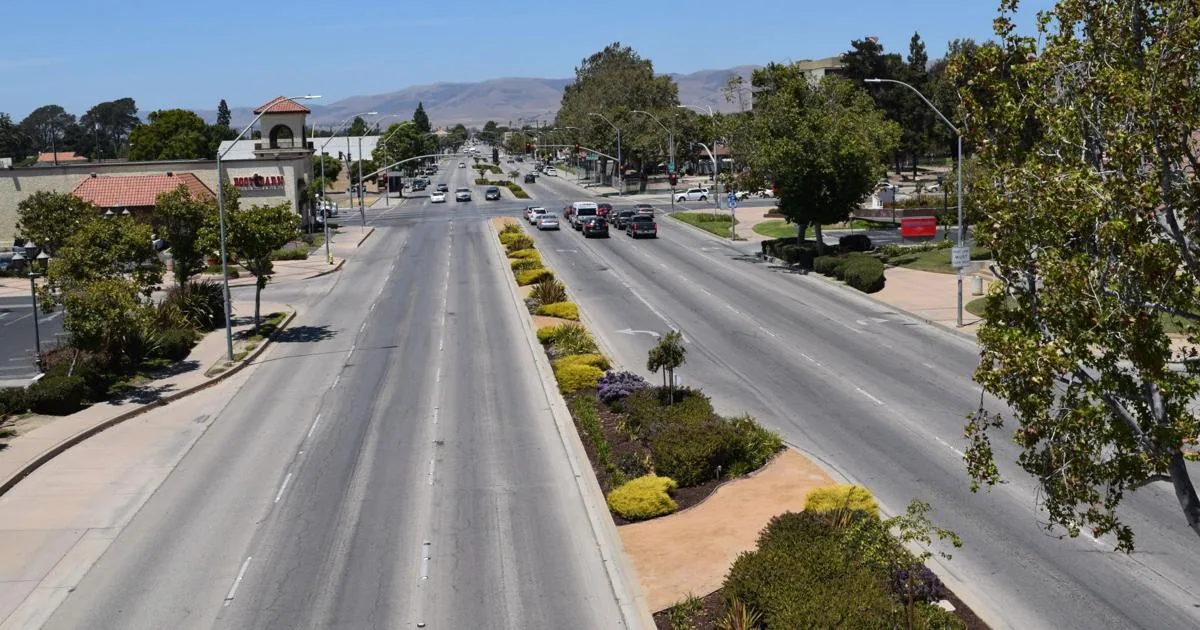
Downtown Santa Maria and North Broadway have distinct commercial settings. the North Broadway Commercial Corridor includes hotel, retail, medical-office, and commercial-shell projects, so each report should map the actual roof zone and access route at its own property. That mix makes roof access and interior coordination property-specific. A report for a North Broadway property should identify its own entry route and roof zone, not borrow a diagram from another building. For moisture questions, we can add a separate layer of observations when the surface and assembly permit a useful reading.
Repair limits: make the proposed work inspectable
A repair recommendation should show where the crew will begin, what detail will be corrected, and where the tie-in will end. We note the seam, curb, penetration, wall termination, or drain area involved, then identify the neighboring conditions that could change the limit. If the substrate or insulation needs confirmation, we keep that question visible instead of pricing a broader repair as if the hidden condition were already known. That gives the owner a scope that can be checked after the work is complete.
When the same issue appears in several zones, the report can compare their locations and conditions without assuming one cause. A failed curb flashing may need different work than a split lap or a blocked drainage path. A repair scope can address the confirmed defect; a roof survey for due diligence may answer a wider acquisition question. The report keeps those purposes separate so an immediate leak response does not get confused with a portfolio-wide condition review.
Property context: separate records across the portfolio
One report can include several roofs, but each property needs its own assembly notes, access constraints, interior contacts, and findings. A record for a retail roof should not imply the same membrane or drainage layout at a warehouse or office. We mark an assembly as unconfirmed when the available evidence does not identify it. This avoids sending the next contractor to prepare a material or repair method on a system that has not been established.
Downtown Santa Maria and North Broadway have separate commercial areas, and each property needs its own roof record. A report for a Downtown property and one on the North Broadway corridor should remain separate even when the same manager reviews both. We document the actual building and use local context only where it changes access, inspection timing, or coordination. A Downtown Santa Maria roof visit can sit beside a roof asset record that carries each property's distinct observations forward.
Approvals and follow-up: record what happens next
Santa Maria requires a permit before a new roof covering is applied, along with a pre-roof inspection and written approval. The inspection includes roof structure, deck, drainage, existing attachment, wet insulation, and fire-retardant requirements. A condition report for planned reroofing should identify the areas that may need review and the point at which covering work must wait for approval. It should also record which person will coordinate access and how the project team will keep the inspection result with the final scope.
Santa Maria's KSMX station recorded 21.52 inches of precipitation during 2023. A wet-weather report should record the roof and interior conditions observed on the inspection date. We record roof and interior conditions at the property so the manager can connect the finding to a repair, test, or follow-up visit. We add a follow-up when a repair needs a later check or when a test result may change the work. A capital planning review can use those open items to distinguish a scheduled project from a question that needs a site visit first.
Closeout: leave the next reader a useful trail
After a repair, we can update the report with the completed area, the tie-in detail, and photographs that show the finished boundary. Any unresolved observation stays separate from the completed work. The next inspector can see whether the original condition was corrected and which nearby detail still needs attention. This is especially useful after rooftop equipment changes, when later service work can disturb a curb or membrane transition that had been sound at the earlier visit.
The report should also name a practical next action: inspect after a rain event, confirm a test result, schedule a drain review, or prepare a defined repair. We keep that action tied to the roof area and the person who can arrange access. A maintenance visit can check listed conditions, while a replacement review can consider larger work only when the field record supports that discussion. The property team receives a record that helps the next decision without implying more certainty than the inspection established.
Commercial Roofing Questions
What should a commercial roof condition report include?
It should identify roof zones, visible conditions, dated photographs, reported interior symptoms, repair limits, and questions that need testing. We also note access or scheduling constraints when they affect the next inspection or repair. Each observation should make clear what is confirmed and what remains open.
Can the report confirm the source of an interior leak?
Sometimes the roof path is visible during the inspection; other leaks need additional testing or an opening. We compare the interior report with seams, curbs, drains, walls, and penetrations, then mark the likely path and the evidence behind it. The report identifies the next check when the source remains uncertain.
Will you include repair pricing in the condition report?
We can price a defined repair after documenting its boundary and the materials or access it requires. If testing may change the scope, that condition should be stated before pricing a larger area. A report can therefore support an estimate while preserving the distinction between observed damage and a possible hidden condition.
How do I use the report when comparing contractors?
Compare whether each proposal addresses the same roof zone, tie-in points, substrate questions, and access limits. Photos and clear repair boundaries help the owner see when bids cover different work. If an option includes broader replacement, ask which report findings support that extent and what remains outside the scope.
Can you update an older roof report after repairs?
Yes. We can return to the recorded zones, inspect completed tie-ins, photograph changed conditions, and close or revise follow-up items. The updated record should retain the earlier observation and make the new visit date clear, so a manager can follow the roof's condition without treating old findings as current.
Related
Plan the next roof visit
Tell us about the building and what you are seeing on the roof. Request a roof assessment and we will set up a time to look at it.