
Commercial Roofing in Blosser Southeast Specific Plan Area, Santa Maria, CA
Set a roof walk in Blosser Southeast
Share access requirements, leak locations, and available roof records. We will map the assembly and drainage, photograph the details, and separate a defined repair from any test or permit hold needed before pricing the next step.
Request a roof assessment or call 555-555-5555.
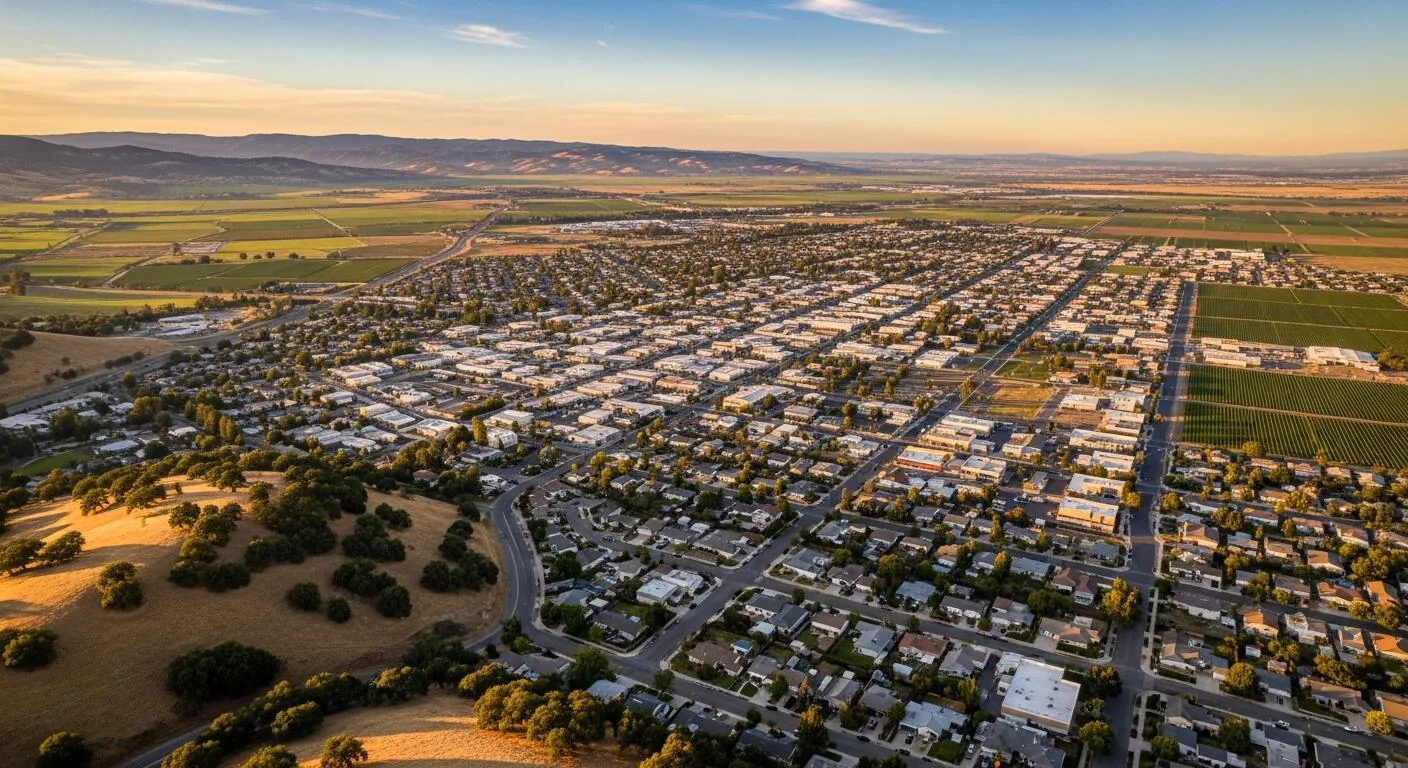
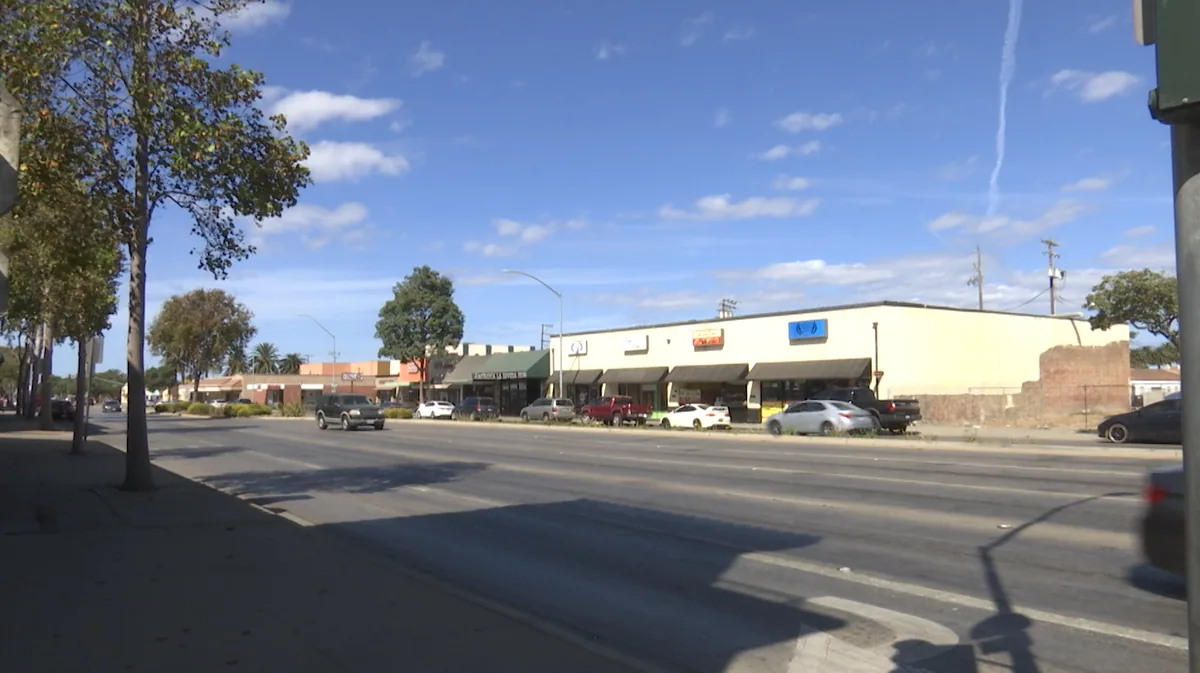
A drain line that crosses a landscaped swale needs a closer look before roof work is priced in the Blosser Southeast Specific Plan Area. The adopted plan describes an area of about 315 acres that was largely undeveloped when the plan was prepared, with commercial opportunity alongside housing. Planning records do not establish a property's roof system. We begin at the roof: membrane, slope, drain path, curbs, and the access needed to inspect them.
The plan integrates storm drainage with an open-space system across its development area. For a commercial building, that makes the connection between roof outlets and the site's drainage route a practical coordination question. We document the roof condition we can see, identify a blocked or damaged component, and note where a separate civil or site review may be needed. The result is a repair scope that follows an observed roof condition instead of assuming a sitewide cause.
Drainage: follow the route to the outlet
Water can collect at a low point even when the drain bowl looks clear. We check the surrounding sheet, clamping ring, strainer, overflow, and the slope feeding the outlet. If runoff slows before it leaves the roof, we record debris, deformation, standing water, and nearby seam or flashing conditions. Santa Maria calls for an analysis and corrective work if a broad roof area still holds standing water after the 48-hour post-rain period. We document the observed duration and location, then separate routine cleaning from a repair or design question.
At the ground level, a roof drain may connect to a site system that also handles paved and landscaped areas. The specific plan's integrated storm-drainage and open-space approach is a reason to coordinate the outlet route, not proof of a roof defect. We note whether water is reaching the intended discharge point and leave broader grading questions for the appropriate site review. A roof-drain and scupper repair can address the roof component after its condition is confirmed.
The Santa Maria Airport station's 1991-2020 yearly precipitation normal is 13.32 inches. We use actual drain performance and roof conditions. A ponding-water repair review can distinguish an outlet obstruction from a broader slope question.
Inspection: map each building before scoping
On each roof, we identify the visible membrane or metal system, note changes in elevation, and mark where additions or replacement layers meet. We photograph laps, terminations, walls, skylights, curbs, and drains that may relate to a reported interior stain. If a hidden layer or substrate condition could change the work, we name the test that would answer the question rather than treating the unknown as established.
We inspect each building and create its own current record, whether it is newer work or an existing structure. We ask the manager for prior repair notes and the locations of interior reports, then compare them with current roof observations. A commercial roof inspection produces a marked map that can connect a leak report to the roof zone, nearby detail, and next action.
The KSMX period of record spans 42 years; its listed annual average is 62.4 heavy-fog days. Before preparation and bonding, we check the roof surface and substrate.
Repair choices: match the system and the evidence
A small opening may be a local flashing failure, but the repair still has to reach material that will hold a tie-in. We remove loose material, prepare the surface, and use a detail compatible with the existing roof. A membrane lap, a metal panel seam, and a coated surface do not take the same repair. We also look at the surrounding substrate and prior patches so a new repair does not bridge a wet or unstable area.
When leak reports recur in separate zones, we compare them with the roof map and maintenance history. A repair can address a confirmed seam or penetration defect; broader moisture or attachment questions may require an infrared survey, test opening, or assembly review. The roof repair scope can identify the known work and its boundary. If the building may be a candidate for recovery, we first check layers, fastening, and moisture before considering a recover.
Stowell Road and Depot Street are named in the City's description of the separate Area 5B plan area. A roof walk near those corridors should document its own assembly and access limits. The separate West Stowell corridor also includes planned warehousing and repair uses; its industrial roof service area needs property-specific inspection.
Timing: hold the cover until inspection
Replacement has a sequence that begins before the old roof is removed. We review access, staging, daily dry-in, disposal route, and any operating limit below the work zone. For a reroof, the City's permit and written pre-roof approval come before the replacement covering. Reviewers may need to see structural support, the roof deck, water flow, the attachment of existing layers, damp insulation, and fire safeguards. We state the hold point in the work plan so the crew does not cover a condition awaiting review.
Rain readiness is decided on site. We check the substrate and surface, protect open areas, and set the amount of roof that can be removed while maintaining dry-in. A damp deck or hidden wet insulation can change the daily sequence or require an owner decision. If the inspection exposes a condition that changes the assembly, we stop at the agreed hold, document it, and explain the available repair or replacement path before continuing.
For active water entry, our emergency response is available day and night, including holidays. We focus first on limiting entry and protecting the occupied area, then document the temporary measure and permanent repair still required. That gives the manager a clear separation between immediate control and the work that needs access, testing, or permit review. We can start that sequence when a leak cannot wait for a routine visit.
Maintenance: keep a record that travels with the roof
After the repair, we record the location, material, tie-in, photographs, and remaining open question. On a later visit, the manager can direct us back to the same drain or seam and see whether it changed. A maintenance walk can clear debris, inspect terminations, check curbs and edges, and identify traffic wear before it becomes an opening. The preventive roof maintenance visit can be scheduled around the building's access and operating hours.
A plan does not reveal the completed property mix. Each record should identify the roof assembly, drainage, access, and repair history for that building. A condition report with photos gives ownership a dated map for setting priorities without suggesting every roof has the same need.
Cost and timing change with roof area, system, access equipment, tear-off layers, moisture, edge details, and inspection holds. We price what the field evidence supports and list the test or authorization that could change scope. When repair is no longer the sensible path, the replacement review compares the documented condition with recovery and replacement options. That leaves the manager with a decision tied to the observed roof, rather than a broad district description.
Commercial Roofing Questions
Does the area's storm-drainage plan mean a roof has adequate drainage?
A plan designation cannot confirm a roof's slope, outlet, or condition. We inspect the drain path and discharge point, record standing water and nearby details, then identify whether cleaning, repair, or a separate drainage review is needed.
What should I have ready for a roof walk in Blosser Southeast?
A roof plan, access rules, leak locations, and prior repair records help us move efficiently. We still verify each assembly and detail in the field. If access or roof drawings are limited, we note the gap and map the areas we can inspect.
Can a roof be coated instead of replaced?
A coating may suit a sound, dry assembly with a surface that can accept preparation and adhesion. We inspect those conditions before pricing. It cannot correct a saturated or unstable roof by covering it.
How do fog and rain affect repair timing?
The work window follows surface and substrate conditions. Santa Maria station records are regional context; we check whether this roof is dry enough for preparation and bonding. The daily plan also includes protection and dry-in.
Related
Plan the next roof visit
Tell us about the building and what you are seeing on the roof. Request a roof assessment and we will set up a time to look at it.