Solar-Ready Commercial Roofing in Santa Maria, CA
Schedule a roof review before solar design closes
Share the proposed array layout and arrange roof access. We will map the current assembly, repairs, drains and access limits, then provide a roof scope for coordination with the project team.
Request a roof assessment or call 555-555-5555.
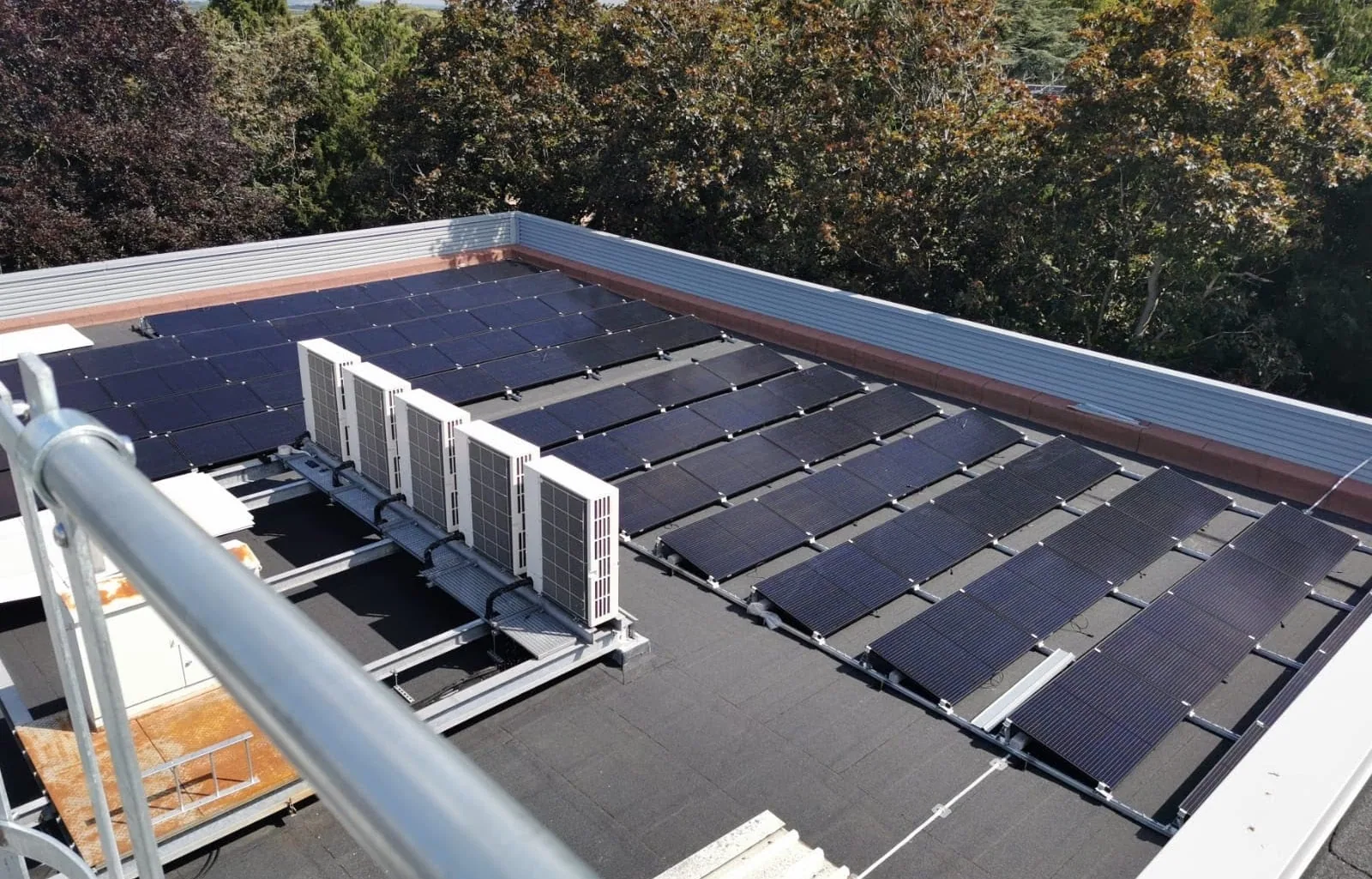
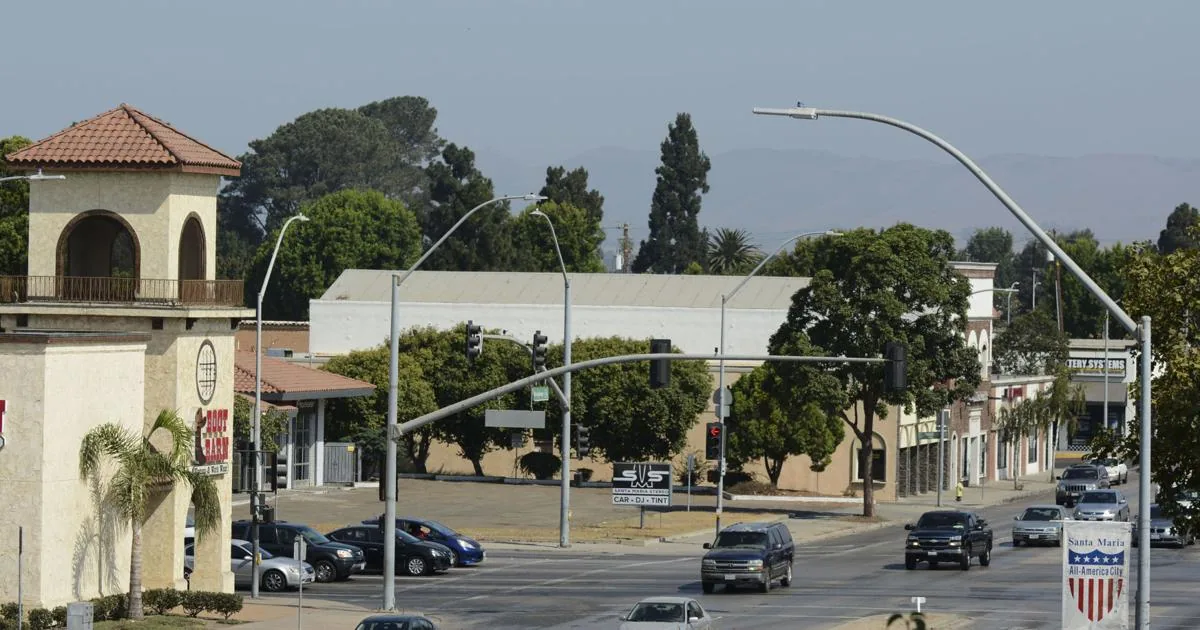
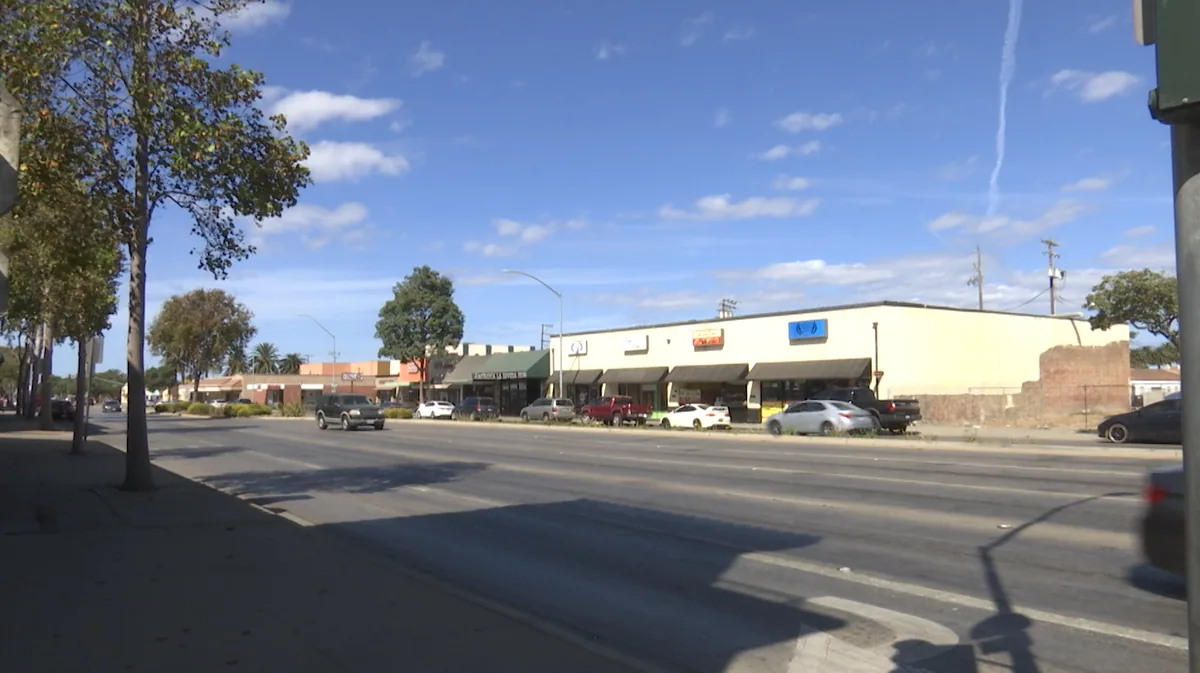
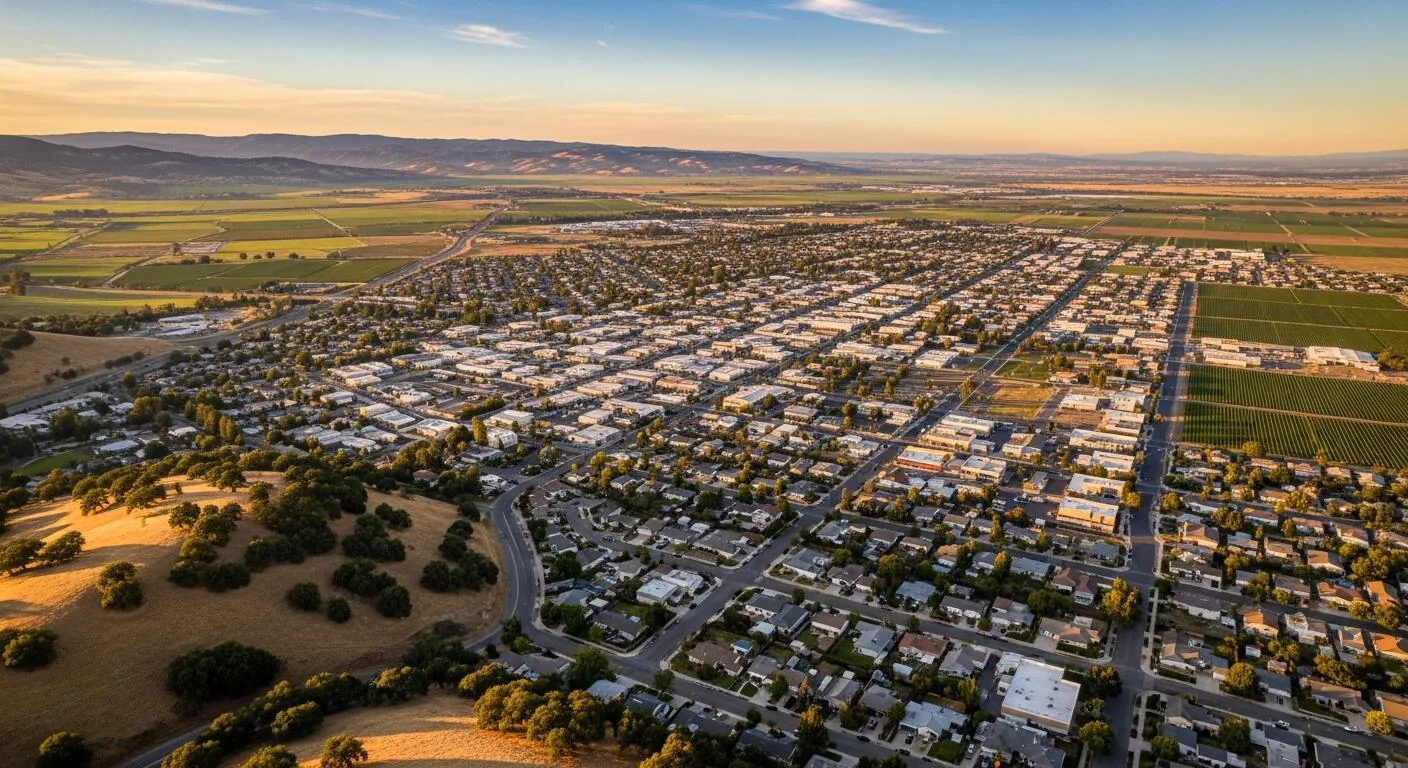

A solar layout can add dozens of supports, conduit routes and service paths to a roof that already has seams, drains and equipment curbs to protect. In Santa Maria, CA, we inspect the roof first and mark where new penetrations or ballast could conflict with the assembly. The Santa Maria Airport Business Park plan includes laboratories, technical development, specialized manufacturing and office uses, while the North Broadway Commercial Corridor serves a different mix of building activity. We document the deck, insulation and existing system alongside the proposed equipment footprint before the structural review and array layout are finalized.
Roofing and solar scopes need one coordinated drawing. We identify membrane type, seam locations, drains, edge zones, existing repairs and access paths, then compare those conditions with the proposed equipment footprint. A roof inspection can establish the current condition, while a structural professional or solar designer addresses loading and system design. Our report states what the roof observations support and what requires review by another discipline.
Map the roof before hardware is placed
We walk accessible zones and locate roof drains, curbs, expansion joints, perimeter metal and existing penetrations. On a membrane assembly, the panel or sheet seams may limit where a support can be attached without compromising the field. On a metal roof, rib geometry and clips affect the attachment method. We mark these features on a roof plan and photograph details at a useful scale, so the project team can compare the proposed array with the actual surface.
Moisture and deck conditions matter beneath future equipment. If insulation is wet or the deck needs repair, installing solar supports first can make that work harder and more costly. We use visible observations and appropriate testing to describe suspect areas, then identify whether repairs or replacement should precede solar work. An infrared moisture survey can help target follow-up openings, but findings still need field confirmation before a final repair boundary is set.
Keep access and drainage in the array plan
Panels and their service paths must leave roof drains reachable. We record the water route from each roof zone toward its outlets, then flag layouts that place rails, conduit or walk pads across a drain path. Santa Maria requires a drainage review and corrective action when widespread roof water remains beyond 48 hours after rainfall. This drainage review can affect the sequence when a new covering or corrective work is part of the solar project.
Before recommending a work window, we ask the property manager about operating hours, delivery routes, security limits and roof escorts. The area designation does not set those property-specific access rules. At a roof in the North Broadway commercial corridor, we record the building's entrance, equipment, and access limits before setting the solar-work window. The field plan records the actual building conditions and keeps tenant, mechanical and solar access clear during work.
Decide what the roof needs before solar
A serviceable roof may need local seam repairs and flashing work before equipment is installed. A roof near the end of its useful life may be a stronger candidate for replacement first, because completing tear-off below an array later means disconnecting, storing and resetting equipment. We compare the roof condition with the project schedule, then show the roofing scope separately from the solar contractor's work.
The replacement sequence can include planned attachment zones and protected service routes. We record which areas must stay open for membrane repair after the array is in place. That access record can influence rail spacing, walk-pad location and the route a technician uses to reach an outlet without stepping on a seam or wiring run.
Where restoration is considered, the coating or membrane must be compatible with the existing substrate and future attachment method. The proposal names roofing repairs, exclusions and coordination points for solar installation. A restoration option may preserve a sound assembly, while a cover-board scope can address a different insulation or substrate need before arrays are set.
Before array hardware is placed, the roofing scope identifies what is inspected, repaired or replaced and which zones are reserved for attachment or access. The solar layout can then be checked against documented roof areas instead of routing across drains, seams or service clearances. Any loading calculation remains with the responsible design professional.
Coordinate the reroof and solar calendar
If a new covering is part of the solar project, Santa Maria requires a permit and a pre-roof review with written approval before installation. The city examines whether the roof can support the proposal, how water exits, how the current layers are secured, and whether concealed moisture or fire-related requirements change the assembly. We map those checkpoints before the array design is final, so the array is not designed over a surface scheduled for removal.
The review record can list drawing revisions and the roof observations used, allowing the manager to route changed panel counts or support locations back to the designer while the assembly remains accessible. Fog and rain also affect surface preparation. KSMX climate records show an annual average of 62.4 heavy-fog days over the station's listed period of record. Before bonding or flashing, the crew checks the actual surface and substrate at the work area. We sequence tear-off, dry-in, inspection holds and equipment installation so each trade knows when the roof can carry the next phase.
Preserve a usable record after installation
Once the array is installed, roof access changes. A closeout map should show supports, conduit routes, drains, walk paths and repaired areas. We recommend documenting attachment details and keeping them with the roof system records, so future leak work can be planned without guessing where a fastener or support enters the assembly. The manager should also retain the solar contractor's layout and service instructions alongside the roofing report.
Maintenance visits can then inspect the accessible membrane, flashings and drainage while avoiding damage to solar wiring or equipment. We record where panels block direct inspection and identify the access required for a closer look. A condition report can preserve these limits for budget and warranty administration. If the property has more than one roof zone, a roof asset record can distinguish the assembly, installation date and remaining repair actions by area.
Commercial Roofing Questions
Can a roof inspection approve the roof for solar loading?
Our inspection documents roof condition, visible components and repair needs. Structural capacity and solar attachment design require review by the project engineer and solar designer. We coordinate our roofing findings with their layout, but a roofing report is not a structural approval. Before array placement, the owner can compare support rows with drains, expansion joints, service paths, and any roof section scheduled for repair.
Does the reroof need to precede the array installation?
We compare the membrane, prior patches and replacement horizon with the array calendar. If broad roof work is due, completing it before rails and modules are installed can avoid a later disconnect and reset. Where the assembly remains serviceable, we price the repairs needed to prepare it for the solar contractor.
Can panels cover drains or roof access paths?
The layout should preserve access to outlets, seams and equipment routes. We mark drainage paths and service areas during the roof walk, then share conflicts with the design team. The array contractor confirms final panel and conduit placement.
Who repairs the roof if a solar support begins leaking?
We inspect the support flashing, nearby membrane and water path, then define the roofing repair. The solar contractor may need to disconnect or lift equipment for access. We write each trade's responsibility into the sequence and have the manager approve the access window before either crew starts.
Plan the next roof visit
Tell us about the building and what you are seeing on the roof. Request a roof assessment and we will set up a time to look at it.