Commercial Roofing in the North Broadway Commercial Corridor, Santa Maria, CA
Schedule a roof walk for the affected property
Share the building identifier, access limits, leak history, and any roof plans or service records. We will inspect the identified sections, document visible conditions and repair boundaries, and outline the next information needed before pricing or scheduling broader work.
Request a roof assessment or call 555-555-5555.
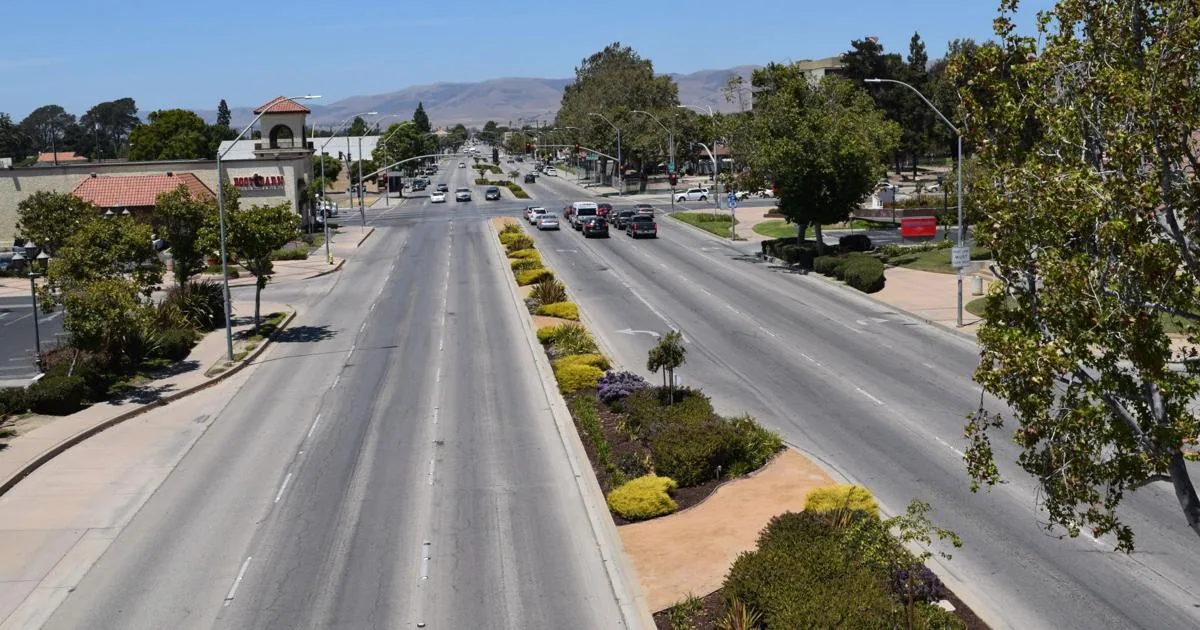
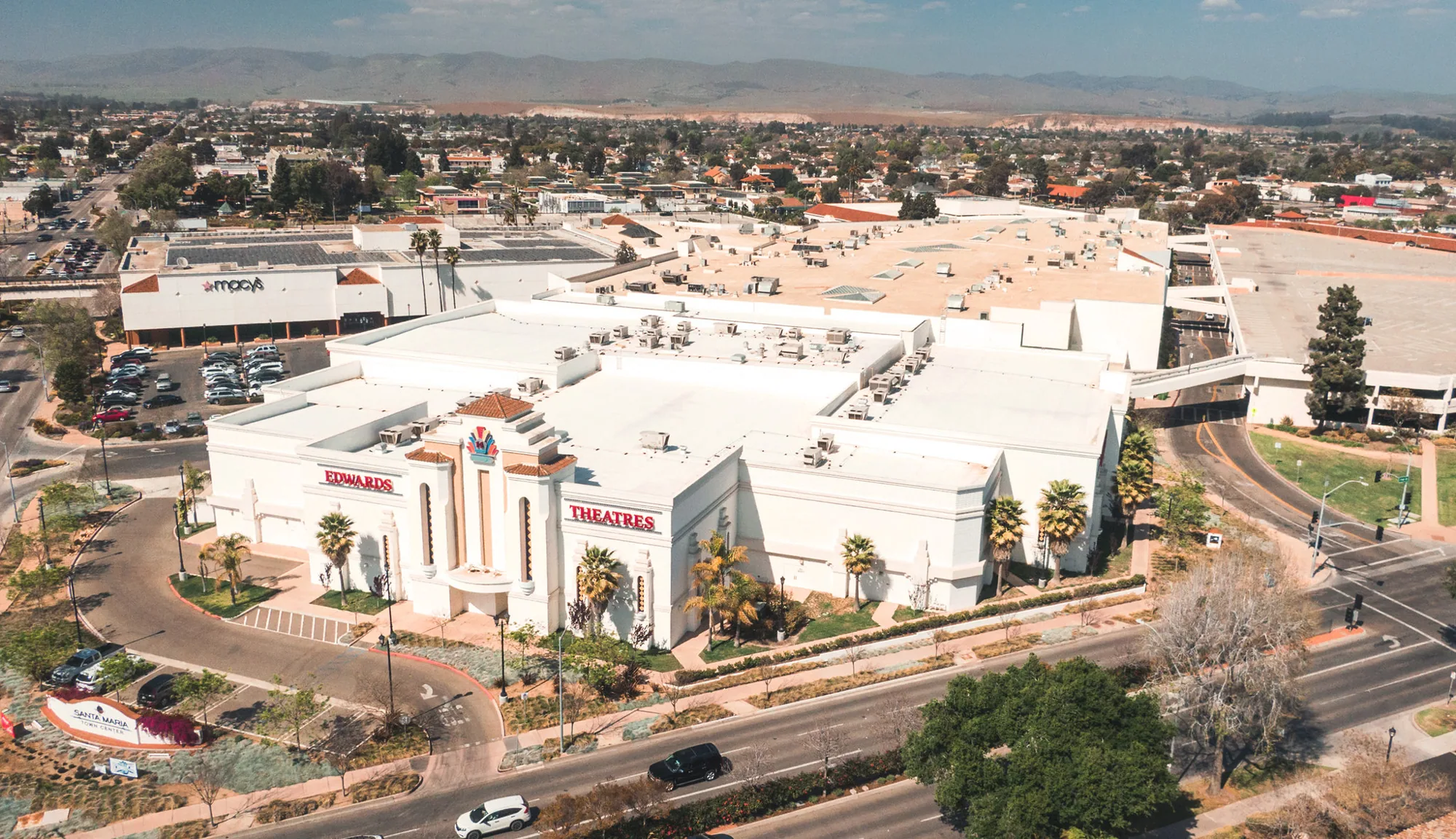
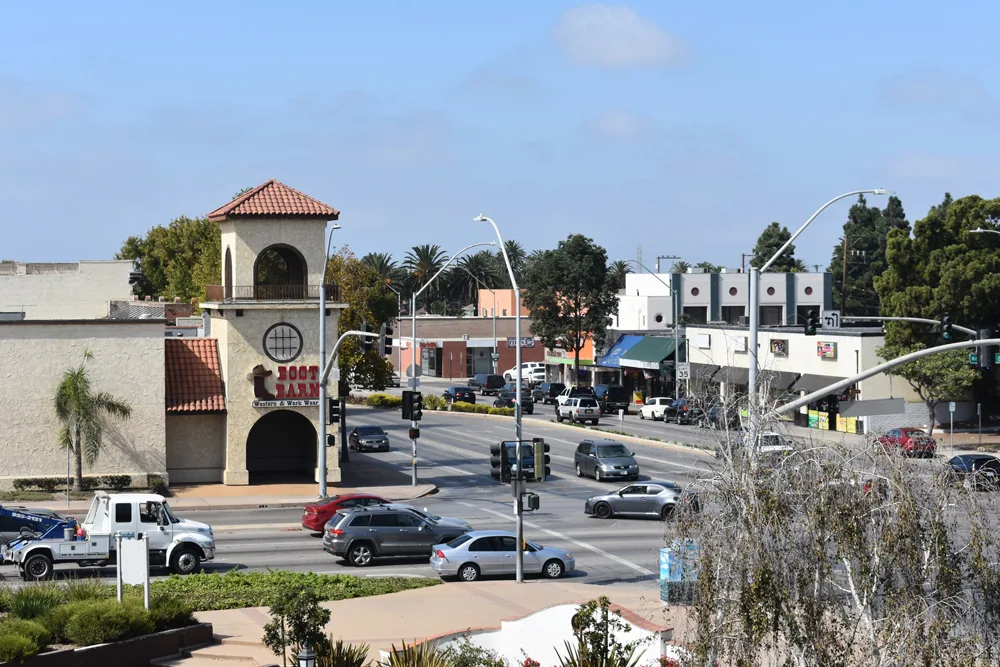
An edge-metal joint at a rooftop curb can decide whether repair starts with flashing or drainage. In North Broadway, Santa Maria, I identify the property and roof section, then follow the lap, curb, drain route, and nearby edge before marking the work boundary. City records list hotel and retail, commercial shell, medical-office, and small-retail projects in this corridor. That mix gives context, but it does not describe any individual roof's assembly or condition.
We confirm the building with the manager, mark visible areas, and identify where a closer look is needed. A photo of an open lap needs a roof-zone label and a view that shows its position. If a penetration, parapet, or drain is involved, we follow the tie-in to see whether the defect stays local or continues beyond it. We separate an observed condition from a suspected cause until evidence supports the conclusion.
Broadway is one commercial context within Santa Maria. Downtown Santa Maria and Betteravia have separate planning records, so a portfolio can group places without blending property histories. Before work, we confirm the property and section, then keep its roof map, access permissions, prior repairs, and inspection results in that property's file.
Inspection: follow the water path and the repair edge
At the first walk, we look for the detail that changes the next step. A stain below an opening may point toward a curb, seam, or drain, but it does not establish the entry point. We trace likely paths, inspect nearby laps and terminations, and check whether the surface is dry enough for a reliable reading. If a condition is concealed, we identify the test or opening needed before recommending it.
Access matters in a corridor with several commercial uses. The manager may need to coordinate keys, escorts, tenant notice, service hours, or rooftop equipment rules. Before walking the roof, we agree on the sections to inspect and the person who can approve testing. If a roof area cannot be reached safely or an operating constraint prevents a closer review, the report states that limit rather than filling the gap with an assumption.
NOAA's 1991-2020 KSMX precipitation normal is 13.32 inches per year. I use that figure as Santa Maria context for runoff; the roof walk still determines whether a North Broadway drain is blocked, a low spot retains water, or a stain has a connected path. We mark those observations on the property's plan instead of deriving a drainage condition from a station record.
The field record includes visible defects, dated images, access limits, and an assigned follow-up. If water is entering now, we first protect the affected area and trace the likely path. That response stays separate from a broader assessment until the roof walk shows what else needs review. The manager can then approve the next test or repair boundary with the limits clear.
Repair options: size the work to what the roof shows
A repair scope defines the work edge instead of repeating the indoor symptom. We identify the field sheet, lap, curb, or termination involved; mark nearby details that could change the boundary; and explain what remains unconfirmed. For a supported local repair, the scope names preparation, materials, tie-in, and follow-up. Suspected wet insulation or loose attachment may call for added investigation before work expands.
Repeated leakage or connected roof areas may call for a targeted test or broader review. Repair, recover, and replacement carry different access, preparation, and disruption. We can compare a defined repair with a recover evaluation or replacement scope when inspection supports those options. The price should expose assumptions about deck, insulation, drainage, and existing attachment.
When applying a new covering, Santa Maria requires a permit, an inspection before roofing, and written clearance before work proceeds. Reviewers may consider framing, deck, drainage, attachment of the prior layer, insulation moisture, and fire-retardant details. We schedule those decisions for the actual assembly; a leak repair does not become a new-covering project merely because roofing material is used.
For an owner comparing several buildings, a condition report keeps each property's observations, photos, and open questions together. A manager weighing near-term repairs against later funding can use capital planning separately. Each recommendation still follows the roof and scope at hand, so portfolio comparisons do not merge repair boundaries or hide unresolved assumptions.
Timing: coordinate access, preparation, and dry-in
Schedule depends on more than crew availability. We confirm roof access, the material route, equipment or customer limits on staging, and protection if repair takes more than one shift. Before preparation, we check substrate moisture and the existing tie-in. Fog or damp surfaces can affect bonding and coating, so the crew tests the actual condition before proceeding.
At KSMX, NOAA's 42-year record averages 62.4 heavy-fog days annually. Before a North Broadway mobilization, I check the substrate and record conditions for the planned preparation. Before adhesive, sealant, or coating is applied, we record the substrate condition and confirm that the planned preparation is suitable for it.
Santa Maria's drainage threshold focuses on extensive water that remains on a roof beyond two days after rain; that condition calls for analysis and corrective steps. On a North Broadway property, we would map the affected section and confirm the observation period first. A photo of a damp area cannot establish that the code trigger has been met.
Closeout: leave a record another manager can use
After work, we document the property, roof section, repair boundary, materials, visible tie-ins, and any area that could not be inspected. Dated photos tied to a zone let a later visit compare the same details. If a recommended test did not happen, the file identifies the next decision and who can authorize it. This helps separate completed work from temporary protection or an unresolved condition.
Routine maintenance can revisit drains, laps, penetrations, edge metal, and prior repair boundaries. The interval follows the roof and the owner's operating needs, not the corridor name. A maintenance visit can update the record in North Broadway or the Betteravia corridor. Keep applicable manufacturer papers with the property and use their stated service path; a warranty file records events without deciding coverage.
Commercial Roofing Questions
What should I share before a roof inspection in the North Broadway corridor?
Start with the site name, a roof sketch or plans, the reported leak location, prior work records, and the person who can authorize a test. Flag access limits to specific wings or roof zones in advance. We will identify which areas were inspected and which remain unchecked, so the manager can plan a follow-up without assuming the entire roof was covered.
Can one leak report show where water entered the roof?
Not by itself. An interior stain shows where water became visible; the entry path may involve a nearby lap, curb, drain, or another detail. We compare it with roof conditions, document evidence, and identify any test needed before setting a repair boundary. That gives the owner a defined next decision instead of treating the stain as proof of a particular leak path.
When might a corridor property need drainage analysis?
When extensive roof water remains more than 48 hours after rain, Santa Maria requires drainage analysis and corrective measures. We map the affected section, record the observation time, and separate a code-triggering condition from an ordinary wet surface. The manager can then decide how review fits with a North Broadway repair or new-covering scope.
Does an inspection include a replacement recommendation?
An inspection records visible conditions and may identify questions that need testing. Replacement should follow evidence for that roof, including deck, insulation, drainage, and attachment. A supported repair remains a separate option. We explain which findings justify a larger scope, which sections were inspected, and what information an owner needs before comparing choices.
How do you keep repair work from disrupting commercial operations?
We coordinate access, escorts, tenant notice, deliveries, and equipment limits before staging. The work plan identifies the roof section, dry-in sequence, and space that must remain clear. The manager can see where crews will move and what operations may be affected. If field conditions change the sequence, we explain why before extending the work boundary.
Plan the next roof visit
Tell us about the building and what you are seeing on the roof. Request a roof assessment and we will set up a time to look at it.