Commercial Roof Asset Management in Santa Maria, CA
Set a clear baseline for your Santa Maria roofs
Arrange a roof walk and share access limits, active leak reports, and the records you already have. We will inspect the roof zones, document what is visible, and identify the next test or repair decision before pricing the work.
Request a roof assessment or call 555-555-5555.
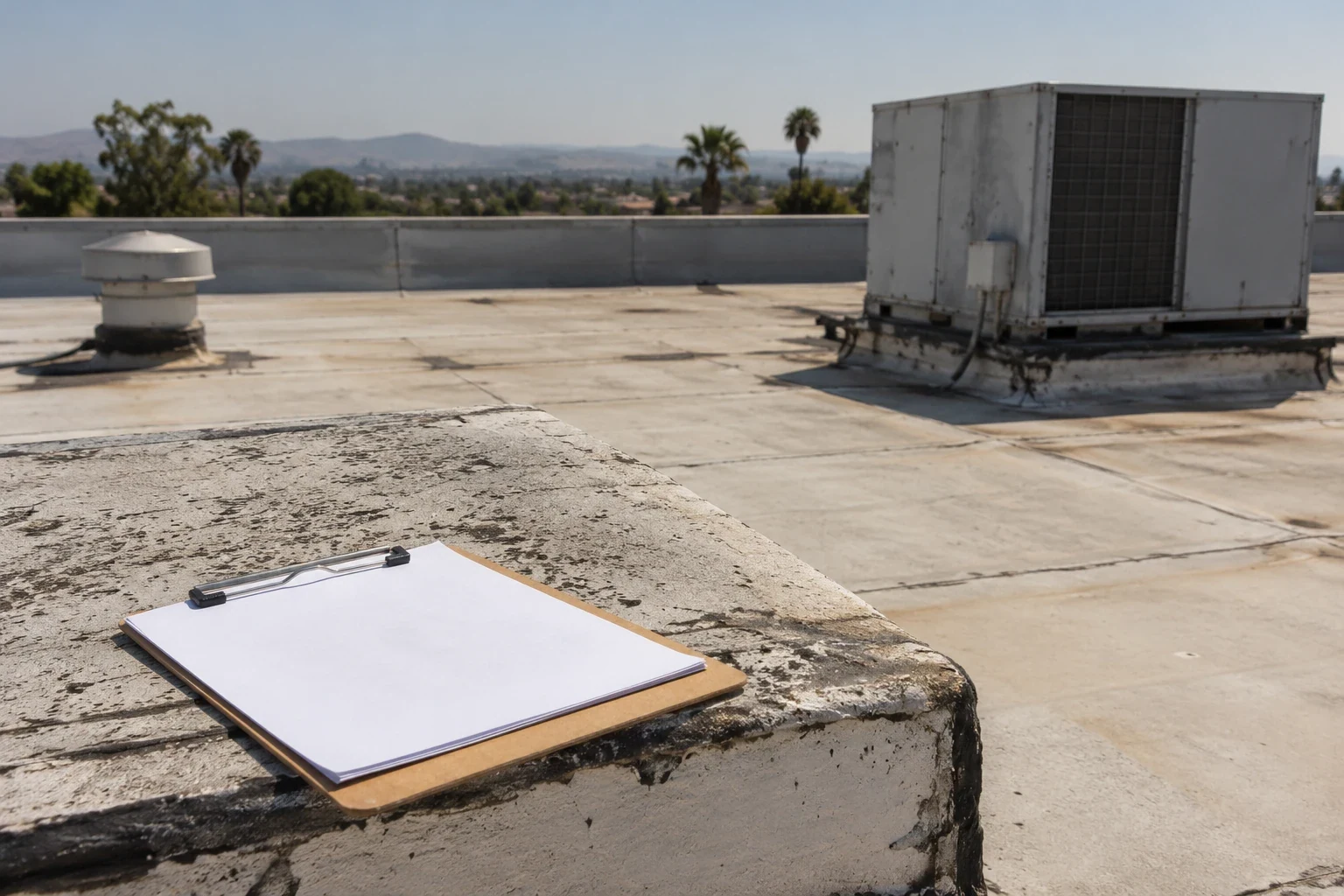
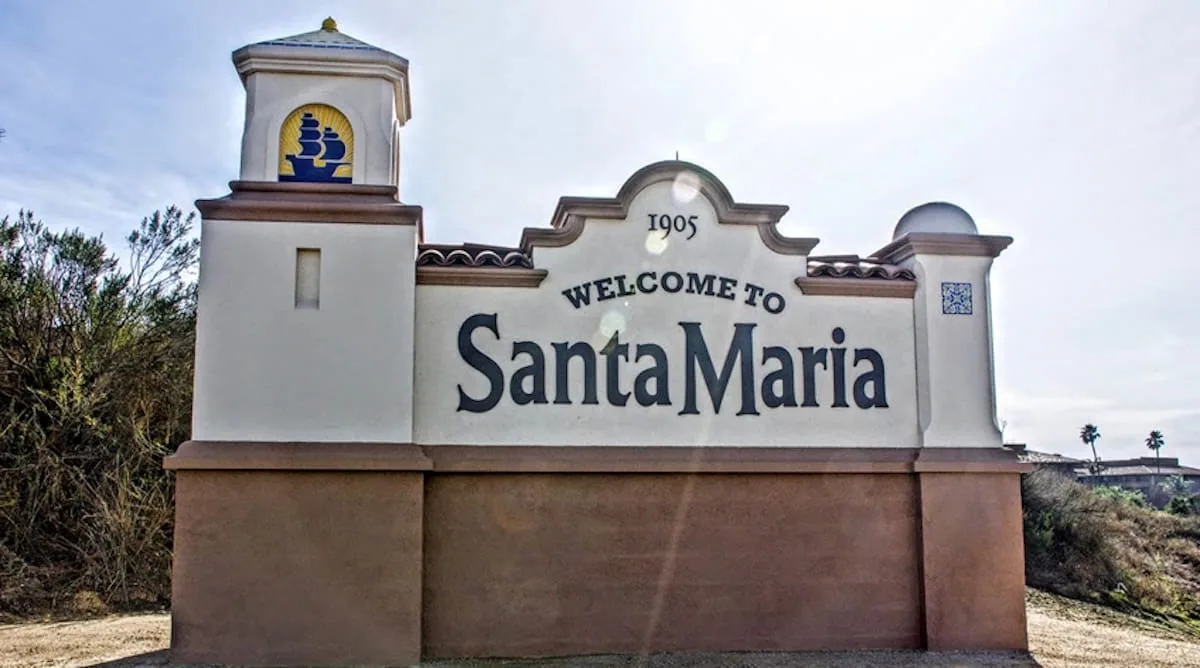
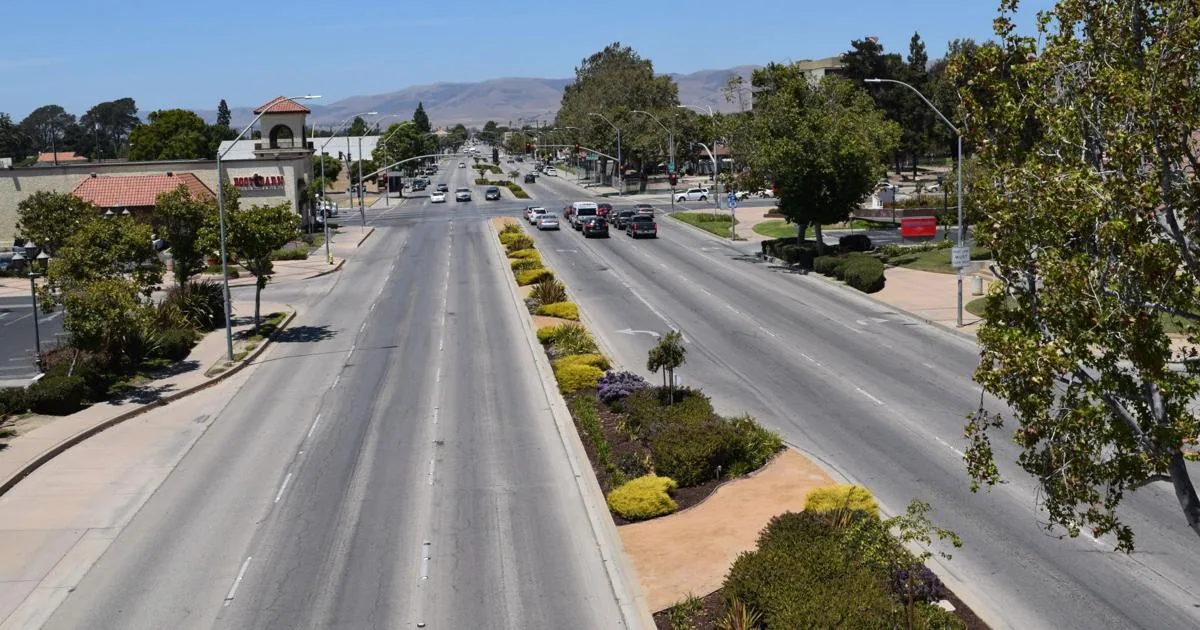
A seam that opens beside a rooftop curb can turn one repair into a decision about several buildings. In Santa Maria, CA, we start a roof asset record with the membrane, drain path, equipment details, and the interior report for each property. That gives a manager a place to separate a confirmed defect from a condition that still needs testing. A commercial roof inspection can establish the first condition record before repair options or capital timing are compared.
The record should answer an operating question, not just store photographs. Which area needs a short-term dry-in? Which roof can wait for a planned visit? Which curb, lap, or termination should be checked again after other work? We tie each observation to a roof zone and an access plan. A roof condition report can preserve that baseline for the facilities team and the next inspector. The result is useful to an owner who manages a single complex and to a portfolio team deciding where inspection time should go next.
Portfolio record: keep each property distinct
A portfolio dashboard becomes misleading when it treats every roof as the same assembly. We identify the membrane or metal system, roof section, access point, drainage features, penetrations, and visible repair history at each property. When the existing construction cannot be confirmed from the records or roof surface, we mark it as unconfirmed rather than assigning a system by guess. That distinction matters before a coating, recover, or replacement is considered.
Santa Maria planning materials describe different growth areas, including Downtown, Airport Business Park, and West Stowell. The Airport Business Park plan describes airport-service, light-manufacturing, research, laboratory, and administrative uses, while Betteravia Industrial Park planning covers multiple industrial lots. Those are different property contexts, not proof of a particular roof assembly. A roof review in the Airport Business Park and a visit in the Betteravia industrial area should therefore carry their own access notes and roof-zone maps.
Inspection: build a repeatable baseline
We walk each accessible section and record the details that help the next person understand what changed. The baseline can include open or lifted seams, patches, edge metal, wall terminations, penetrations, equipment curbs, drains, and areas where the surface or substrate needs closer review. Photographs should show location as well as condition. A close image of a split lap has more value when the record also identifies the roof section and nearby reference point.
KSMX logged an annual average of 62.4 heavy-fog days through its 42-year record. Before bonding a repair, we check moisture on that property. On each property, we check surface moisture before preparation and bonding. We note the observed condition and the inspection timing instead of treating the climate record as a diagnosis. An infrared moisture survey or a focused opening may be appropriate when visual inspection leaves a question about concealed insulation. The manager receives the observation, the limit of the test, and the next decision it supports.
Maintenance: connect findings to the next visit
A useful asset record distinguishes work that is complete from work that remains open. We list the repair boundary, material or assembly involved, access limits, and any follow-up check that should occur after a repair or equipment change. If a drain bowl was cleared, for example, the note should identify the outlet and the low area feeding it. If a curb was reflashed, the record should point to the perimeter and the tie-in that was inspected. This makes the next roof walk more precise.
For a manager with properties near Downtown and along the West Stowell industrial corridor, access can differ by tenant schedule, delivery pattern, and roof equipment. We confirm those details with the site contact rather than copying one property's plan to another. A preventive maintenance visit can revisit open items, photograph changed conditions, and separate routine upkeep from a repair that needs a defined scope. Records remain tied to the property and roof zone where the observation was made.
Repair boundary: separate urgent work from planning
Portfolio reports need to distinguish active water entry, a vulnerable detail, and an aging surface that has not yet failed. We mark the visible extent, trace likely paths toward drains or wall transitions, and compare the roof condition with the interior report. If concealed moisture is suspected, the record identifies what inspection or test could confirm it. That keeps a localized repair from quietly expanding into work that the roof evidence does not support.
When findings show a repairable seam, curb, or penetration, we document the proposed limit and the tie-in points. If insulation, attachment, drainage, or repeated failures suggest broader work, we set out the reasons for comparing a recover or replacement. A commercial roof repair scope and a replacement review should be compared against the same zone record, so the owner can see what each option addresses, what remains, and what access or dry-in sequence affects the schedule.
Timing: rank work without hiding risk
Condition notes become useful for budgeting when they describe consequence and timing. A loose edge above an occupied area may need a nearer inspection than a surface blemish away from a seam or drain. We identify what is exposed, whether temporary protection is needed, and what could change the recommendation. The owner can then sort work into immediate protection, planned repair, and monitoring, with the reason for each category attached to the roof area.
City rules place reroofing behind a permit and a pre-roof review that must receive written clearance. They also require drainage analysis and corrective action when broad areas of standing water remain beyond 48 hours after rainfall. Those requirements affect how a capital plan sequences reroofing and drainage decisions. We record the permit and inspection hold points alongside the scope rather than burying them in a general project note. For a larger option, roof capital planning can compare timing by building, while the inspection hold points remain attached to each property record.
Commercial Roofing Questions
What belongs in a commercial roof asset record?
Start with the roof zones, system where confirmed, access points, drains, curbs, edges, prior repairs, and dated photographs. Add open questions and the inspection or test that could answer them. The record should show which findings support a repair, which require monitoring, and which need a closer look before a budget is set.
Can a portfolio report rank roofs by replacement priority?
It can organize decisions by observed condition, water-entry risk, repair history, and planning constraints. We identify the reason for each priority and what could change it. A ranking is a working tool, not a substitute for inspecting the roof before a specific repair or replacement scope is approved.
How often should the same roof be revisited?
The interval depends on active leaks, prior repairs, exposure, access, and changes to rooftop equipment. We can set a follow-up date when the inspection finds a detail that needs observation after rain or after trade work. The next visit should answer a defined question rather than repeat a walk without updating the record.
Will one report cover roofs with different systems?
A single package can compare several buildings, but each roof needs its own assembly notes and condition map. We keep observations separate and flag any system that could not be confirmed. That prevents a finding on one membrane or metal section from being treated as a condition across the whole portfolio.
How do you keep a roof record useful after a repair?
We close the note with the completed boundary, the detail that was repaired, and photographs of the tie-in or termination. If a follow-up check remains, it stays open with a date or trigger. The manager can then give a future inspector a clear starting point instead of relying on an old work order alone.
Related
Plan the next roof visit
Tell us about the building and what you are seeing on the roof. Request a roof assessment and we will set up a time to look at it.