Soprema Commercial Roofing in Santa Maria, CA
Review a Soprema roof assembly
Arrange a roof walk and share records, leak locations, and work-hour limits. We will inspect the surface, seams, flashing, drainage, and substrate, then document the repair boundary and preparation steps before pricing.
Request a roof assessment or call 555-555-5555.
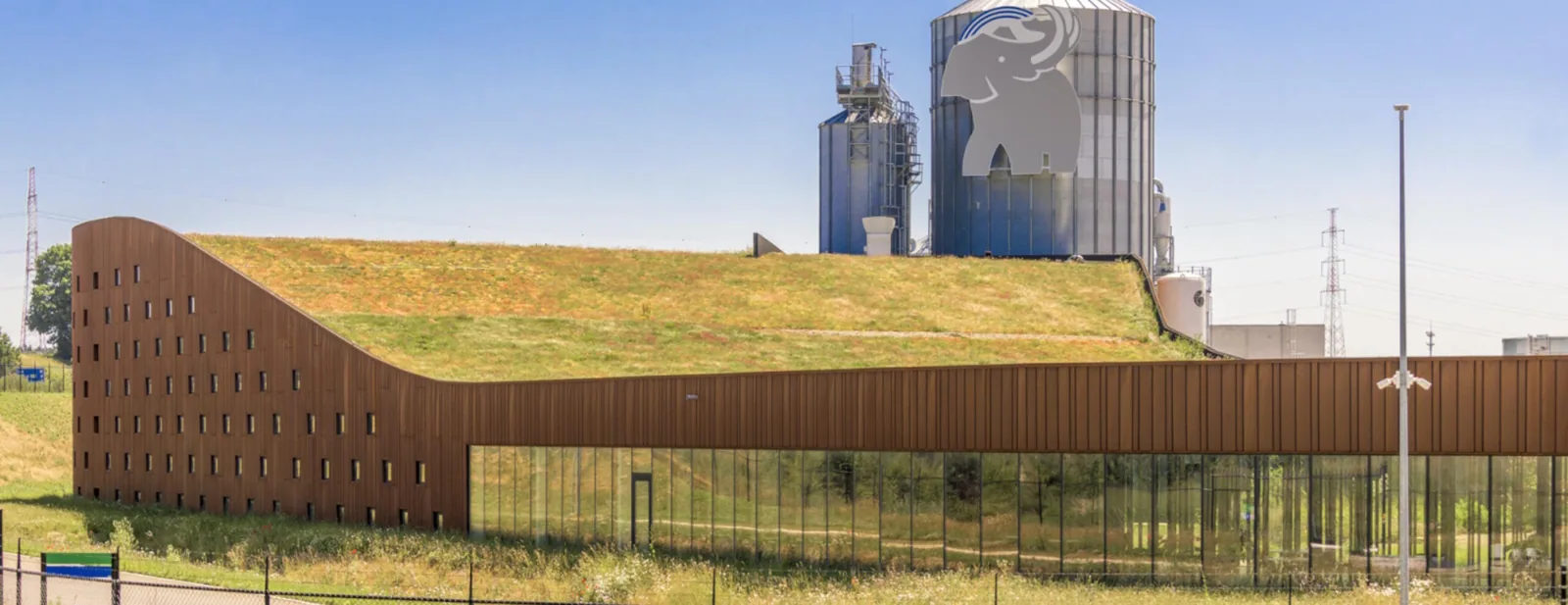
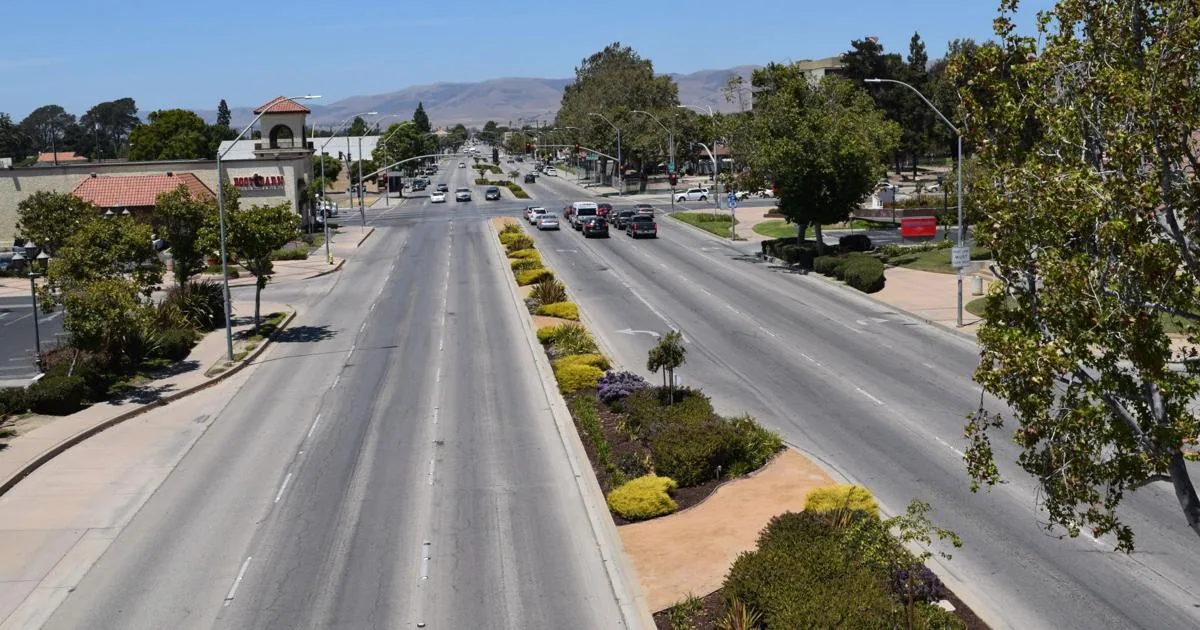
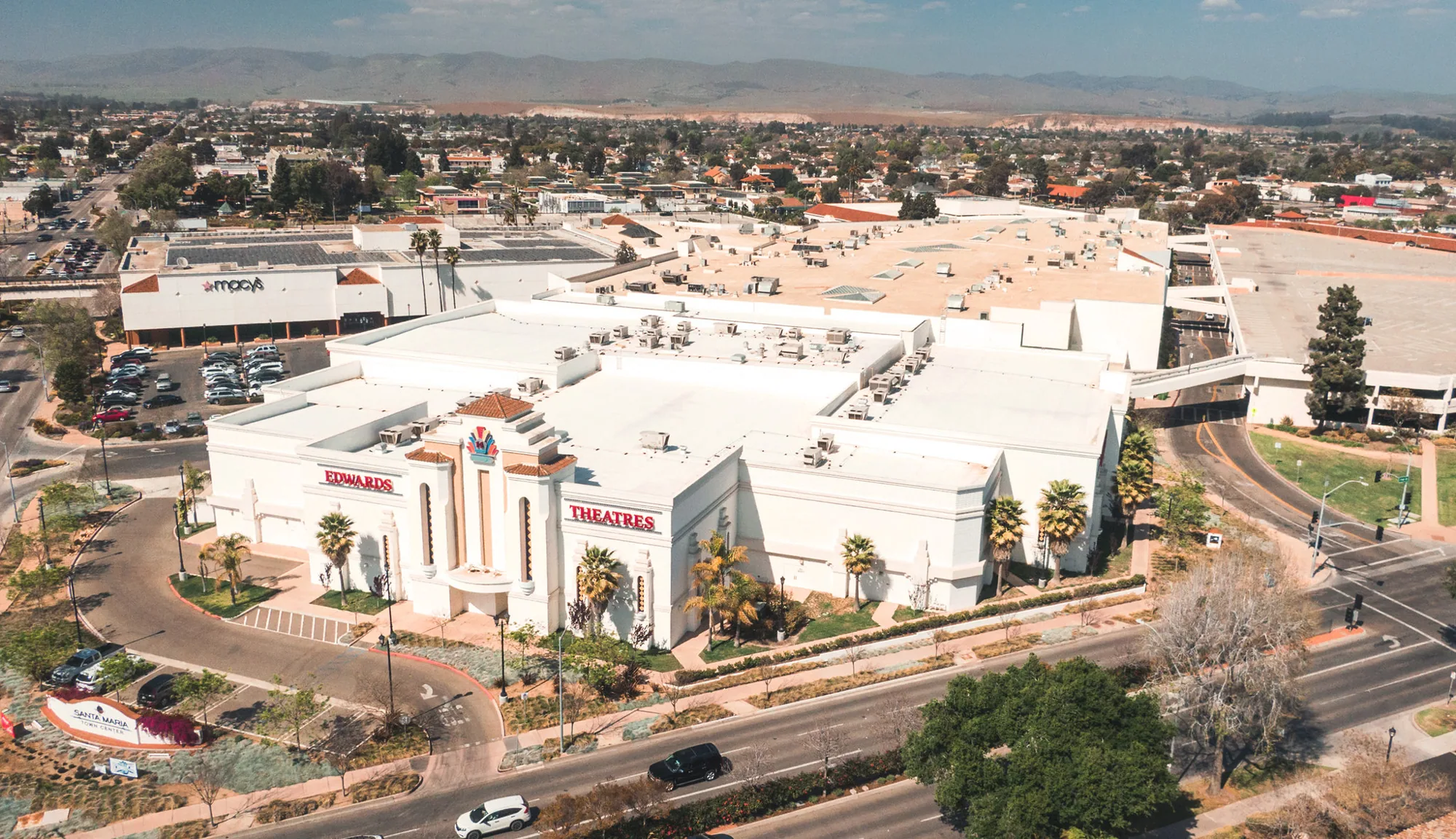
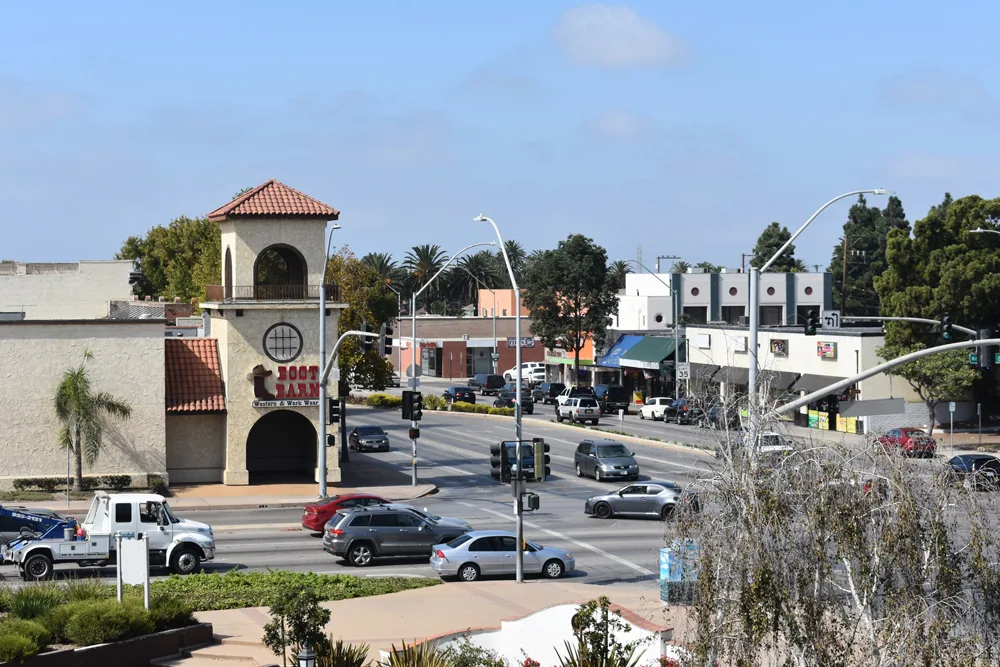
A granulated cap sheet meeting a pipe support needs a different repair sequence than a welded sheet at the same curb. We inspect the surface, lap, and termination before scoping a Soprema roof in Santa Maria, CA. The Betteravia Retail Corridor includes retail and office centers along a commercial route, while the South Blosser Food-Processing and Logistics Area has processing, greenhouse, and industrial uses. Those contexts affect access and staging; the roof's actual system still needs field confirmation.
Soprema makes commercial roofing systems that include modified bitumen, single-ply membranes, and liquid-applied materials for certain details. Each assembly has its own surface preparation and joint method. We identify the visible layer, look for compatible product records, and inspect where the roof meets parapets, drains, curbs, and metal edges. If an old coating or patch obscures the original membrane, we record what can be confirmed before recommending a repair product.
Inspection: trace water through the assembly
A blister, split lap, or soft surface can point to a repair area, but the boundary needs more than a close view of one spot. We inspect the sheet or cap layer, adjoining laps, penetrations, and low points that share the drainage route. Where moisture could extend below the surface, a test opening can distinguish a surface repair from work that includes insulation or deck. We photograph each finding and note which sections were visible from the available access.
KSMX's 2023 observation set lists 21.52 inches of precipitation and a 101°F highest daily maximum. Roof slope, outlet condition, and water marks determine where we inspect for a drainage issue. On the roof, we look at outlet conditions, water marks, seam direction, and the membrane where standing water has remained. A roof inspection records the route we checked, and a roof visit along the Betteravia Retail Corridor can be planned around tenant and service access at the property.
Timing: allow for dry substrate and preparation
Modified bitumen repairs need a sound surface and a suitable tie-in at the lap. Liquid-applied details also depend on clean, prepared material and the specified conditions for application. We check the substrate and existing coating before staging products. KSMX logged 62.4 heavy-fog days a year on average across its 42-year period; the actual roof surface and substrate determine whether products can be staged. We check each work area's surface and substrate before preparation begins.
A damp surface, wet insulation, or a roof area that cannot be secured before a shift ends can change the day's sequence. We define the opening limit, protection below, and dry-in method in the work plan. For a replacement, Santa Maria requires a permit and pre-roof inspection with written approval before the new covering proceeds. A phased installation sequence can keep work within access windows, while the manager sees which areas are available for tenants, equipment service, and deliveries.
Materials: distinguish sheet, cap, and liquid details
Soprema assemblies can use SBS modified bitumen, thermoplastic membranes, or other specified roof components. A modified-bitumen lap is joined differently from a TPO or PVC seam; a liquid-applied flashing system follows its own reinforcement and curing requirements. We identify what the roof already has before describing a compatible repair. When the evidence is incomplete, the scope names the test area rather than choosing a material by appearance alone.
At the drain, the membrane must connect to the outlet assembly without leaving an open path at the clamping ring. At a curb, the detail turns up and terminates above the field sheet. We inspect both because a system repair can fail at the transition even when the central field looks intact. A modified-bitumen system may suit a roof with that existing construction; a coating restoration scope needs a separate compatibility and adhesion review before material is specified. The proposal identifies surface preparation, reinforced areas, and edges included in the scope.
At an older cap sheet, we look for loose granules, open laps, wrinkles, and a soft or brittle area before describing a repair. A liquid flashing needs a sound transition and enough time to cure before foot traffic or equipment access resumes. If the building needs access during that period, we mark the protected route and state when the area can reopen. Those steps affect labor planning and the manager's schedule as much as the material selection.
Repair options: preserve the sound area around the defect
A localized repair is possible when the defect is bounded by secure, compatible material and the substrate is suitable for the repair. We remove loose or failed material, prepare the surrounding surface, restore the lap or flashing, and check the finished edge. If a blister contains moisture or the surface has separated across a larger area, we record that condition rather than cover it with a patch that cannot correct the layer below.
Repeated repairs at drains, seams, and curbs can be compared with a recover or replacement. We review layers, attachment, insulation, drainage, roof edge height, and access to equipment before choosing an assembly. A GAF system option or a Johns Manville assembly can be compared with Soprema after those facts are established. For every option, the scope distinguishes removal, substrate repair, new surface, and transition metal, so the manager can compare the work sequence and building impact as well as material.
Maintenance: retain the repair map with the roof file
We leave a record of the repaired area, material used, seam or cap-sheet detail, photographs, and remaining open items. Later rooftop service may move a pipe, add a support, or disturb a reinforced corner. The facility file should show those changes so a future leak visit does not treat an old repair as a complete replacement. We also mark any roof section that was blocked or could not be tested during the service call.
The Betteravia Retail Corridor has a mix of retail and office centers, so a visit may need coordination with deliveries, tenant doors, and mechanical access. South Blosser planning records identify separate processing and industrial activity, where staging and keeping drainage open can matter during the work shift. A planned maintenance walk can revisit the actual repair points, clear accessible drains, and check for new openings. A photo condition report keeps those observations with the dated roof map and supports the next budget decision.
Commercial Roofing Questions
How can you tell if a Soprema cap sheet repair is holding?
We inspect the lap, granule loss, edge condition, nearby penetrations, and the surface beneath the repair. A patched cap sheet should not hide a blister or wet layer that remains active. We photograph the repair and note whether the surrounding material is secure enough to remain in service.
Can a liquid-applied Soprema detail go over an old patch?
The patch material, surface preparation, reinforcement, and adhesion all need review first. We remove loose material and identify a test area if compatibility is uncertain. The scope states where the liquid detail ends and whether a separate sheet or metal repair is needed at the same transition.
What changes the cost of a Soprema roof replacement?
Removal depth, insulation and deck condition, perimeter metal, curb count, drainage work, access, and required dry-in all affect the scope. We document test openings and permit holds that may change quantities. The proposal connects those conditions to the actual assembly rather than pricing by membrane name alone.
How does fog affect roof coating or flashing preparation?
Fog can leave moisture on the surface, so we check the substrate and prepared area before applying a specified product. If the conditions are unsuitable, that work waits while dry-in and drainage remain protected. The station record gives local context; the measured roof condition controls the work window.
Related
Plan the next roof visit
Tell us about the building and what you are seeing on the roof. Request a roof assessment and we will set up a time to look at it.