Commercial Roofing in the Betteravia Retail Corridor, Santa Maria, CA
Arrange an inspection for the identified property
Send the property identifier, roof plan if available, leak history, and access limits. We will confirm the roof sections, inspect the drains and tie-ins related to the concern, and document the next decision needed before pricing or staging work.
Request a roof assessment or call 555-555-5555.
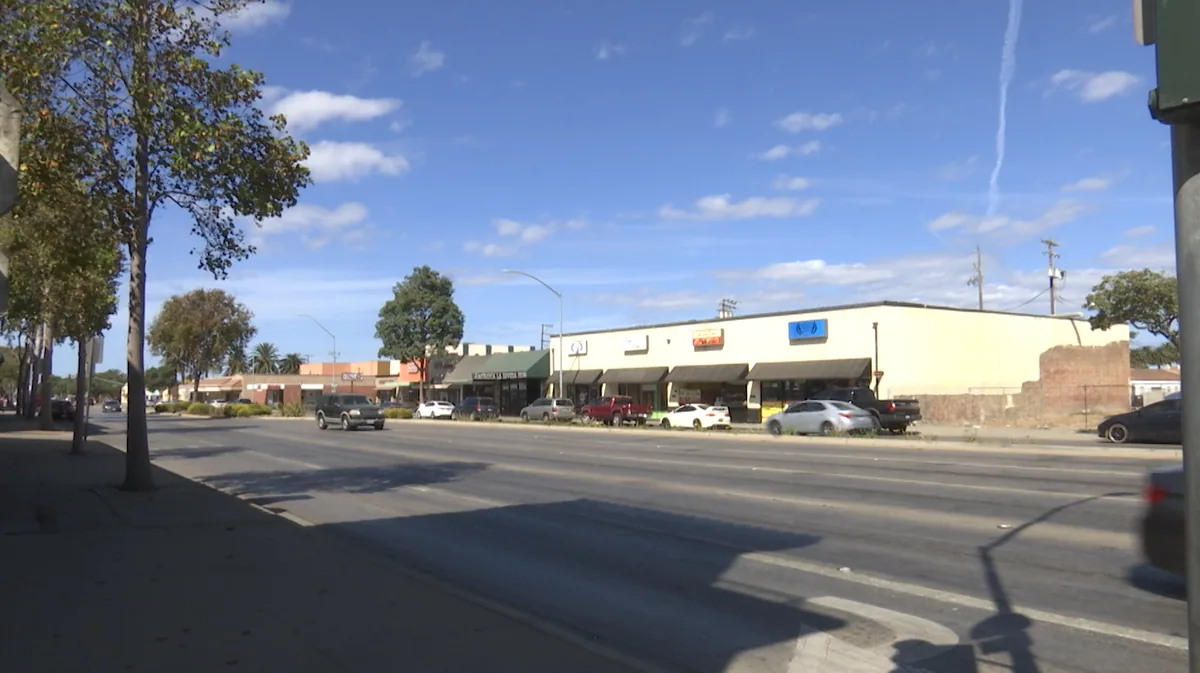
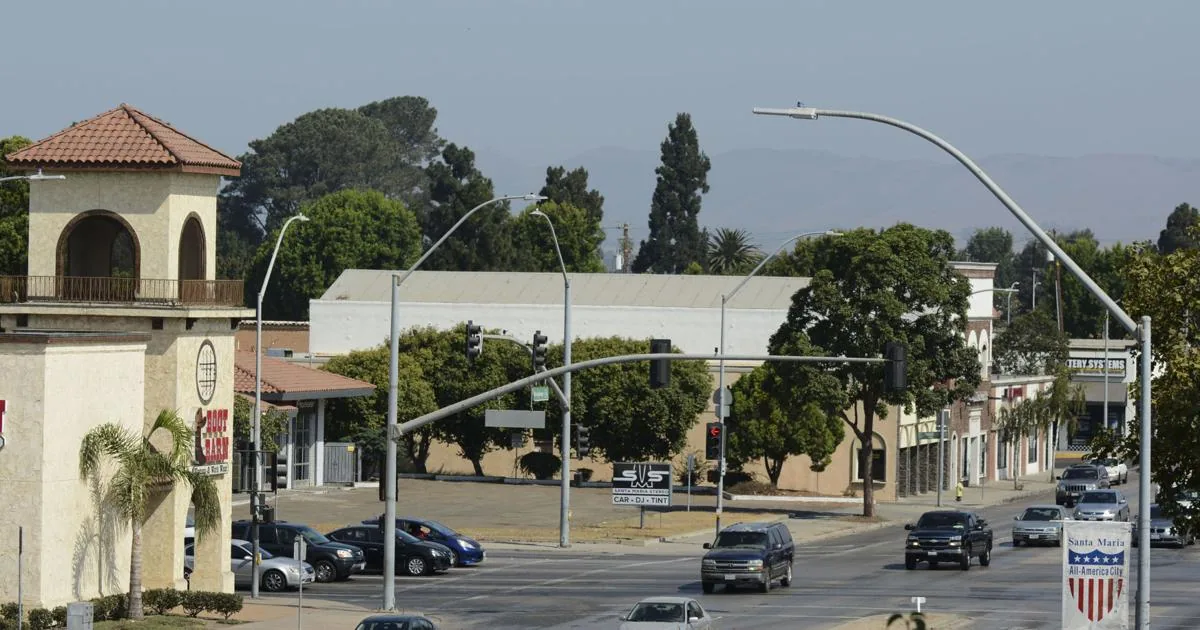
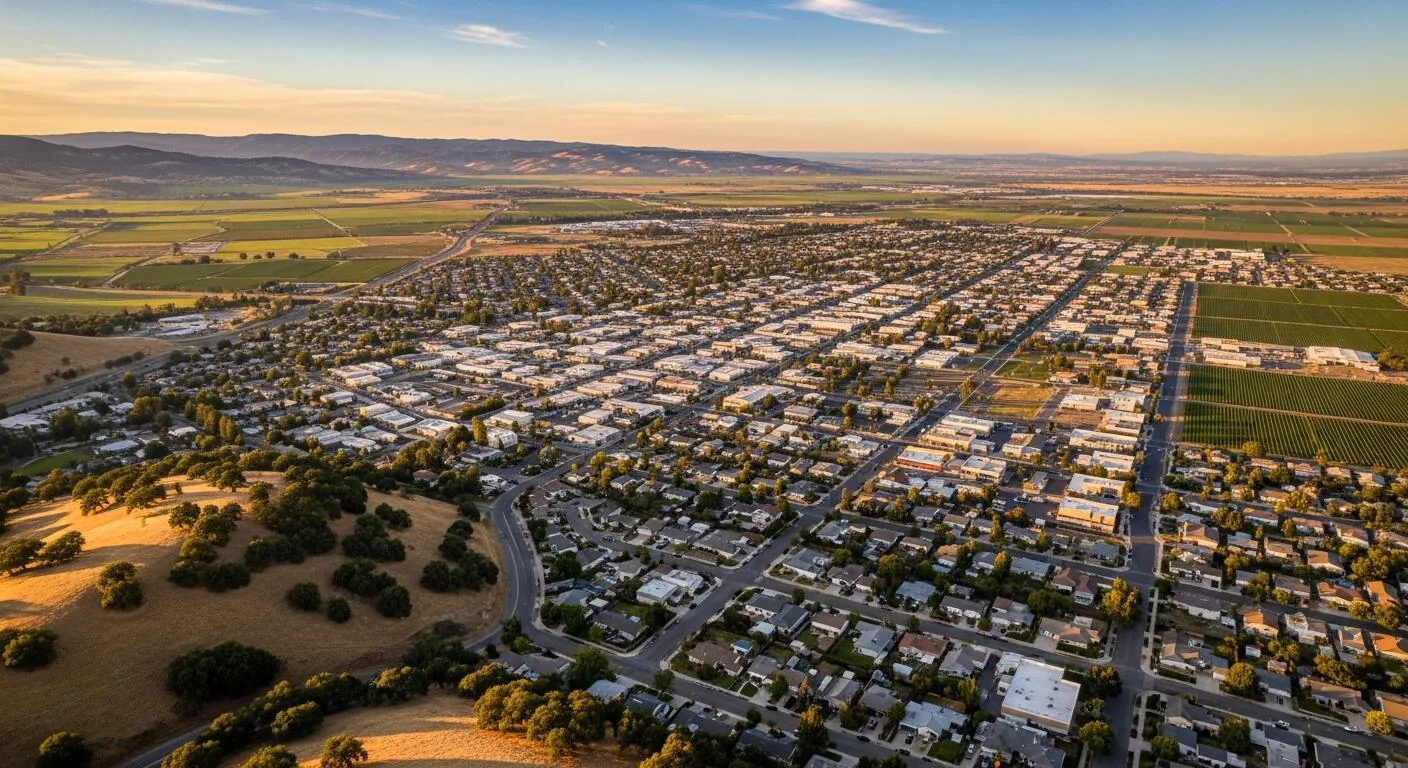
A drain bowl near a tenant improvement can reveal where water is traveling, but not whether the reported interior stain began at that drain. In Santa Maria's Betteravia Retail Corridor, we locate the roof section and trace the field laps, penetration details, and drainage path before describing a repair. City records show retail and office centers along Betteravia Road and commercial projects on both sides of the corridor. That area-level record does not establish a particular building's roof type or condition.
For the first walk, we confirm the property identifier, access point, and manager's concern. We mark which drains are open, whether water marks appear at seams or curbs, and whether a damp surface could delay testing or preparation. Each photograph should show a roof zone and useful scale. A close view records a defect; a wider view lets the next person locate it and understand the repair boundary.
Betteravia is one of Santa Maria's commercial contexts, distinct from planning areas such as Downtown Santa Maria and West Main. A portfolio can group locations for scheduling while keeping each property's assembly, access details, service history, and approvals in its own roof file. That separation helps the manager compare work without combining different buildings.
Inspection: check the paths that connect roof details
For a reported drip near a storefront or office, we inspect beyond the ceiling mark. Water may travel along a deck, insulation joint, or membrane lap before reaching an interior finish. We check nearby terminations, penetrations, drain bowls, and material transitions. The field record identifies a compromised detail, any uncertain path, and whether a moisture reading or controlled opening could resolve it.
Betteravia's retail and office setting can bring deliveries, occupant access, and work-window limits into an inspection. We ask about escorts, customer areas, rooftop equipment, and lift or storage restrictions. The access route matters as much as the entry point. If a section cannot be reached on the first visit, we identify the limit and who can arrange another review.
Over 1991 to 2020, the KSMX station in Santa Maria averaged 13.32 inches of precipitation per year; we trace the actual roof's outlet path. We inspect the Betteravia roof's slope and outlet route before recommending drainage work. We still follow each roof's slope and outlets, record the area inspected, and check what water does after a particular storm before recommending a drainage response.
A commercial roof inspection can document the visible assembly and open questions. When water is active, we protect the area first, then trace likely routes before choosing a leak repair. The report distinguishes temporary control from permanent work and states what still needs review, giving the manager a clear next decision.
Repair options: choose a boundary the crew can verify
A repair boundary should include the defect and the tie-in needed to leave the assembly intact. We describe the affected lap, curb, edge, or drain, then identify preparation and materials appropriate to the existing roof. If a coating, sealant, or patch will meet older material, the scope should state how the surface will be cleaned and what adhesion or compatibility check is needed. We do not call an unknown assembly ready for a method before identifying it.
A new covering is a City-reviewed project: Santa Maria requires a building permit, pre-roof inspection, and written approval before installation. Review may address structural support, deck and water flow, attachment of the current assembly, damp insulation, and fire protection. Extensive water remaining beyond two days after rain also calls for drainage analysis and corrective measures. We separate that sequence from a local service repair.
When the condition is local and surrounding material is sound, a repair scope may fit the evidence. Broader deterioration, trapped moisture, or uncertain attachment can justify additional evaluation before comparing repair with recover or replacement. A drainage review can document flow and low points; a condition report can retain photos and unresolved questions by roof section. The manager should receive the reason for each option, including what a scope leaves untouched.
Timing: protect occupancy while the roof is open
We plan a sequence that accounts for access, staging, weather exposure, and interior protection. Before work starts, the manager confirms who can release the roof area and who should be notified if a detail changes the plan. Deliveries, occupant schedules, and rooftop service can affect where materials sit and how a crew reaches the repair. A dry-in method should be clear before a surface is opened, especially when the work crosses a drain path or curb.
Santa Maria KSMX recorded an average 62.4 heavy-fog days per year during a 42-year span. We test Betteravia's surface and substrate before bonding or coating. We check the Betteravia roof's surface and substrate before bonding or coating. We examine the actual surface and substrate before bonding or coating, document a hold if preparation conditions are unsuitable, and reset the work window with the manager.
Before installation begins on a covering project, we reserve a decision point for Santa Maria's pre-roof review and written approval. The manager can then address findings while the roof build-up is still visible, including any question about the deck, wet material, or water flow. A needed drainage evaluation should be resolved before the planned close-in date.
Maintenance: make the service record useful next season
After the crew leaves, the manager should be able to locate the repaired zone, see its tie-in, and know whether follow-up remains. We retain dated photos, materials, drainage observations, and access limits with the property. If a roof area was outside scope, closeout identifies it. A completed ticket should not be mistaken for a full roof review.
Routine observation can revisit the same drain, seam, and curb after service work. A maintenance visit can record changes and assign follow-up. For a property in another adopted plan area, such as Rivergate-Roemer, its file stays separate even when one manager coordinates both visits. Keep plans, approvals, warranty papers, and repair history with the roof they describe.
Share current leak reports, roof plans, and access limits when arranging an inspection. We will confirm the building and section included, document the visible boundary, and identify testing or approval needed before work is priced. If access changes the scope, we will record which area remains to be inspected and who can arrange the next visit.
Commercial Roofing Questions
What should I provide before a Betteravia roof inspection?
Share the property name, access entrance, roof plan, leak location, prior service records, and delivery or tenant-hour limits. Include the person who can authorize testing. We will outline the route for accessible sections and identify any area that needs another visit. That lets the manager confirm coverage before authorizing a wider inspection.
Can a drain near a leak be the entry point?
Not necessarily. Water may travel along a lap or deck before appearing indoors. We inspect the drain, nearby seams, penetrations, and surrounding roof zone, then record which details support the likely path. If testing is needed, the report keeps that step open rather than assuming the drain caused the leak. The manager can approve a focused follow-up.
What can delay roof repair work along a retail corridor?
Access windows, deliveries, occupant protection, damp surfaces, or an inspection hold can alter the sequence. We identify those constraints before staging and check the substrate before bonding or coating. If the specified preparation conditions are absent, the manager receives a revised work window and the reason for it. We keep the change tied to the affected roof zone.
When does local code require a drainage review?
If extensive roof water remains more than two days after rainfall, Santa Maria requires drainage review and corrective work. A Betteravia closeout identifies the affected zone and when it was observed relative to rain. The owner can use that record to decide what analysis belongs in the project sequence before a covering is selected.
Will the closeout cover every roof on the property?
Only approved roof zones and tasks are included. We identify the repair boundary, attach dated views, list materials, and call out open questions. Nearby roofs outside the scope or inaccessible during the visit remain separate. This lets the manager assign follow-up without assuming that one closeout covers the entire property.
Plan the next roof visit
Tell us about the building and what you are seeing on the roof. Request a roof assessment and we will set up a time to look at it.