GAF Commercial Roofing in Santa Maria, CA
Review a GAF roof assembly
Arrange roof access and share prior system records, leak locations, and equipment service limits. We will inspect the membrane, details, drainage, and substrate evidence, then document the repair or replacement boundary before pricing.
Request a roof assessment or call 555-555-5555.
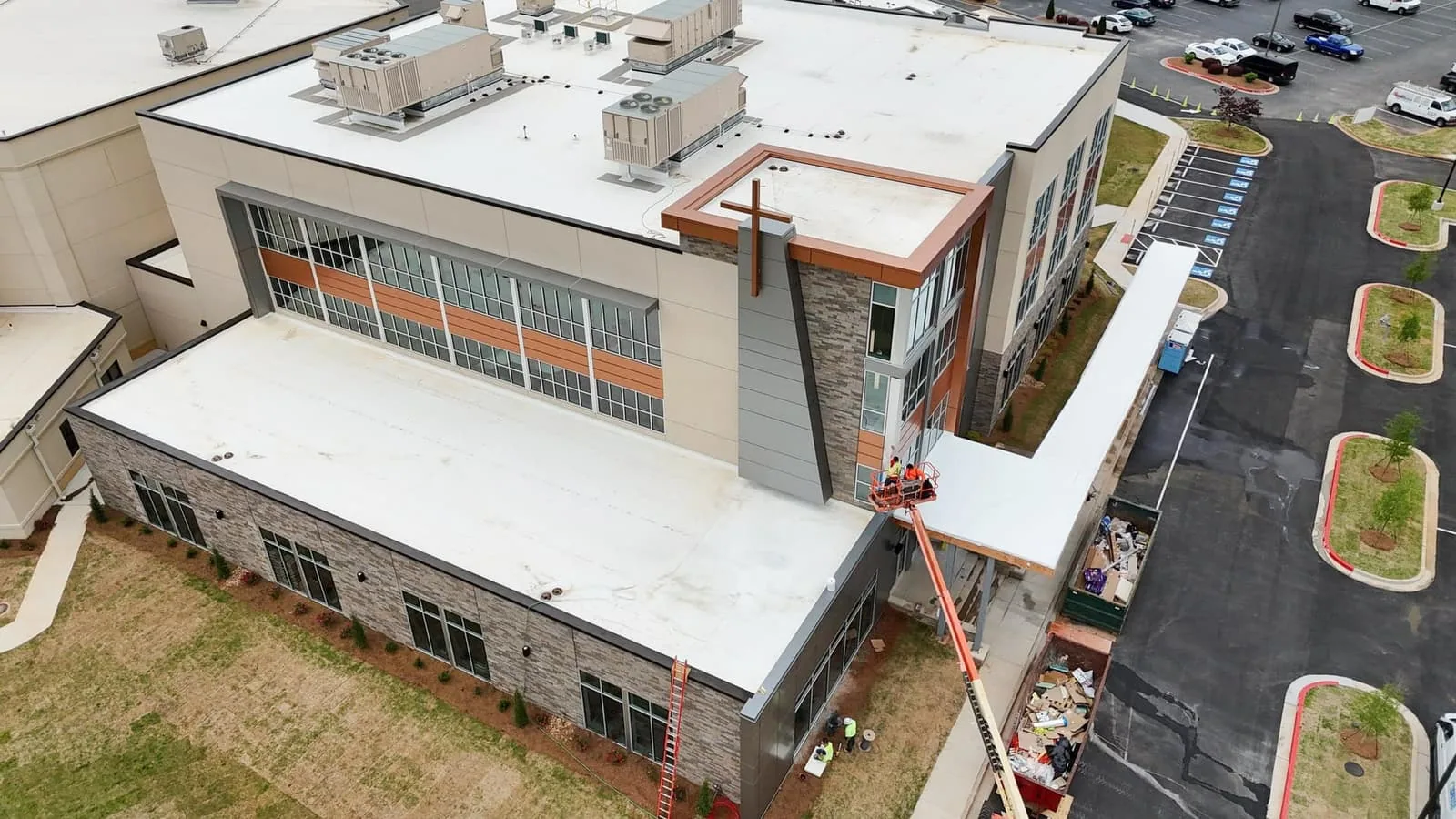
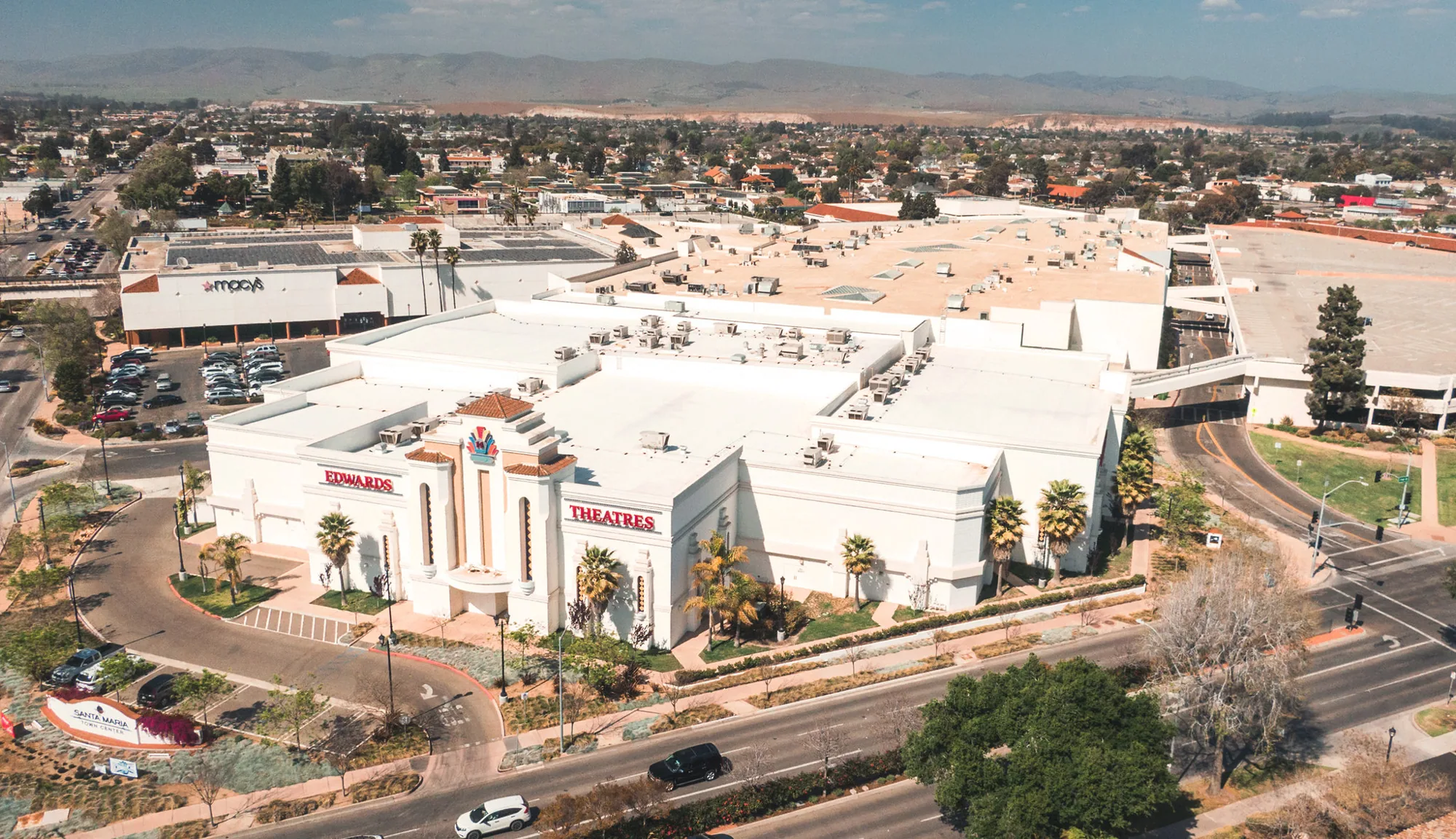
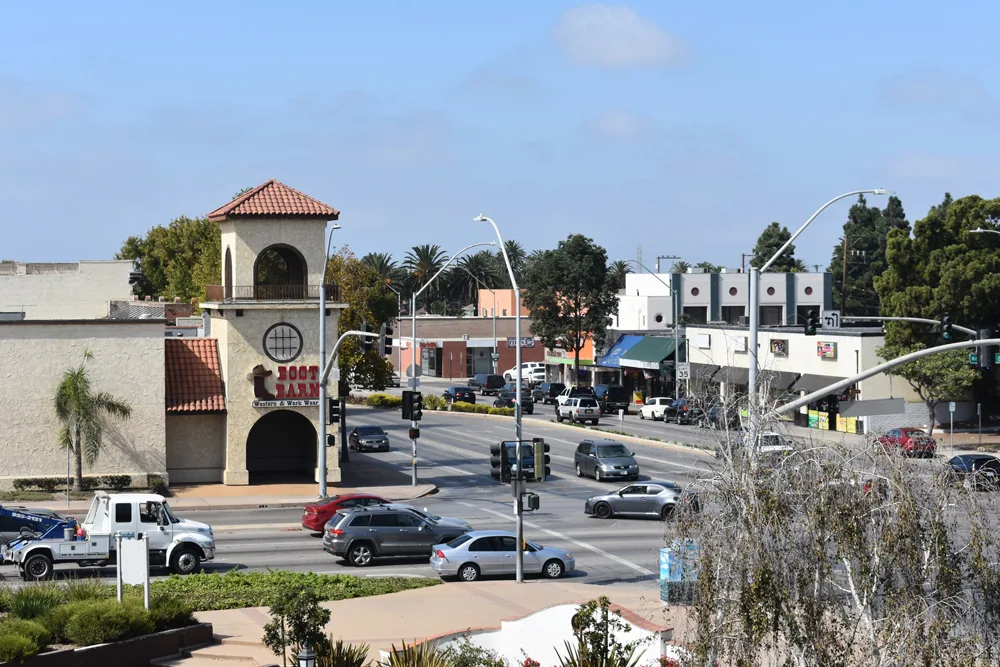
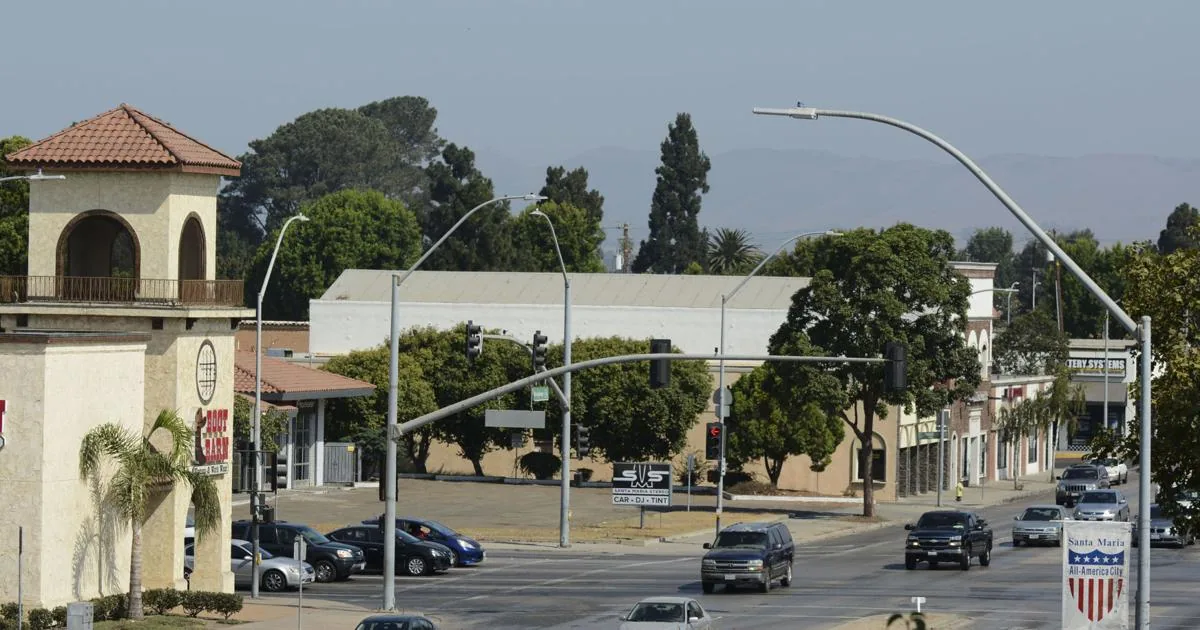
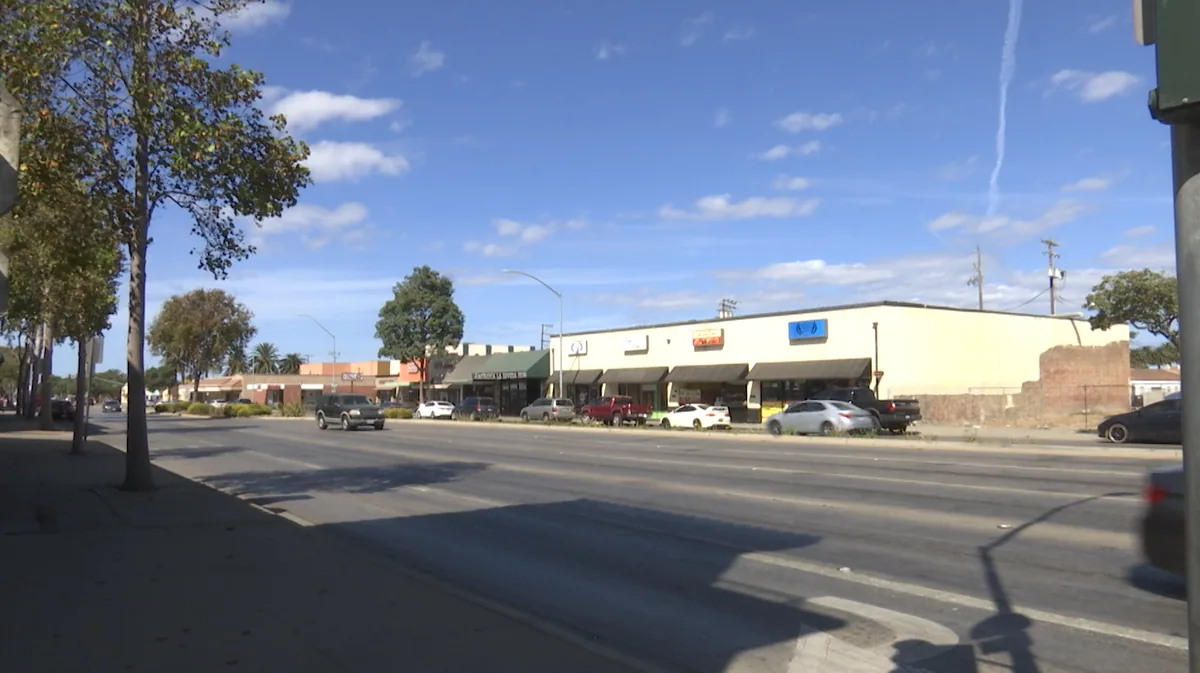
A GAF membrane can look uniform across the field while a curb corner or perimeter termination sets the real repair limit. In Santa Maria, CA, we inspect the sheet, edge metal, drainage path, and substrate before deciding how much roof to open. The Airport Business Park plan includes manufacturing and research uses; Betteravia Industrial Park is a separate light-manufacturing area. Neither planning area identifies the roof installed on an individual building, so we confirm the assembly from records and field details.
GAF makes commercial roofing products for low-slope assemblies, including thermoplastic membranes and related system components. A membrane name alone does not settle attachment, insulation, cover board, edge treatment, or flashing compatibility. We document those layers where they can be seen or confirmed, then connect the observed condition to a repair, recover, or replacement scope. The property manager can review the affected zones and the access sequence before a crew stages material.
Inspection: find the limit beyond the visible defect
A loose lap, open corner, or pulled termination can admit water at a point well away from the interior stain. We follow the membrane toward the nearest sound seam, then check penetrations, wall turns, drains, and metal transitions that share the same roof zone. Moisture readings and a test opening can help establish whether the insulation is dry. That evidence determines whether a local patch stays local or needs a larger boundary.
For the 1991-2020 reference period, KSMX's yearly precipitation baseline is 13.32 inches. On the roof walk, we trace where the building collects and releases water. We note blocked strainers, low areas, and laps where runoff slows, then separate a drainage correction from a membrane repair. A roof condition inspection records the observations; a separate drainage scope can address the outlet if it is part of the problem.
Materials: match the repair to the GAF assembly
GAF commercial systems can include TPO or PVC membranes, insulation, cover board, attachment components, flashing materials, and perimeter details. We identify which layer is exposed and which is concealed before selecting a repair material. A patch must be compatible with the existing sheet and prepared surface; heat, adhesive, primer, and reinforcement requirements vary by system. The field record should state the confirmed membrane type and any product identification that came from owner files.
We also check how the assembly meets rooftop equipment, pipes, skylights, and parapet walls. A new piece of membrane cannot correct a moving curb or a loose edge termination by itself. Where a curb has shifted, we coordinate the flashing boundary with the mechanical contact and show the work that remains outside the roofing scope. A TPO roof assembly and a PVC roof assembly have different material and welding requirements, so field confirmation matters before ordering sheet or detail stock.
Repair options: keep a sound field in service
A repair can make sense when the surrounding membrane remains secure, the substrate can accept the detail, and the defect has a clear boundary. We remove or prepare failed material, extend the patch onto sound sheet, restore corners or laps, and inspect the finished termination. If several seams or penetrations have opened in different zones, the repair map may point to a wider condition review instead of repeated isolated visits.
GAF assemblies may also be considered for a recover or replacement when existing layers, deck, drainage, and attachment support that choice. We identify what can remain and what must be removed, then account for roof edge height, equipment access, and daily dry-in. The City records industrial development on multiple lots and buildings in the Industrial Parkway area, while the West Stowell corridor permits manufacturing and storage uses. Work in those settings can require distinct staging plans. A targeted repair visit should follow observed conditions, not the brand name on an old invoice.
Timing: set dry-in and access before material arrives
Santa Maria station records average 62.4 heavy-fog days across the listed 42-year period of record. That statistic does not forecast a shift, but it makes surface condition a practical scheduling check for work that requires washing, bonding, or coating preparation. We verify the substrate and repair surface on the roof, stage only what can be protected, and maintain a dry-in boundary if work is interrupted. A damp surface can change the sequence even when the repair itself is small.
For an occupied plant or office, we map roof access, tenant routes, equipment service windows, and areas below the work. Removal proceeds only as far as the crew can secure before the workday closes. A permit and any required inspection hold belong on the schedule before a new roof covering is applied. Where the job spans several roof zones, a phased roof replacement can keep the active work area defined while the building continues operating.
Maintenance: keep the assembly record current
After a GAF repair or installation, we map completed seams, corners, penetrations, and edge transitions with dated photographs. Later HVAC service, sign work, or a new conduit route can disturb those details, so the roof file should show both the original work and changes made afterward. We record open items as well as completed repairs, including any area that could not be reached during the visit. This gives the next inspection a usable boundary instead of a vague note that a leak was fixed.
Rain and fog make drainage and drying worth checking at different points in the season. We clear accessible drain bowls, inspect laps feeding low points, and note whether the surface is suitable for the specified repair material. A photo condition report can group findings by roof zone, while scheduled maintenance revisits details before a small opening affects interior operations. If an owner is comparing manufacturers, the relevant question is how each proposed assembly fits the actual deck, use, and repair history. Carlisle SynTec systems and Johns Manville systems may offer different component choices, but the field conditions should lead the comparison. We list the condition that supports each option and identify details that need confirmation before purchase. This keeps a product discussion tied to the building rather than a catalog description.
Where a manufacturer change is proposed during a recover, we also check height at perimeter metal, door thresholds, and rooftop equipment curbs. Added insulation or cover board can alter those transitions. A field sheet that notes existing and proposed elevations helps the manager resolve edge-metal work before installation day.
Commercial Roofing Questions
How do you confirm that an existing membrane is a GAF system?
A label in an owner file is useful, but we compare it with visible markings, exposed edges, and the membrane details at a safe inspection point. If evidence conflicts, the report states what is confirmed and what needs a test opening before we specify compatible repair materials.
What decides whether a damaged seam can be patched?
Sound sheet beyond the defect, a prepared surface, stable attachment, and dry substrate define a workable boundary. We check the nearby curb and termination too, since a patch cannot hold if the surrounding detail keeps moving. The scope records any separate metal or drainage repair.
Can an existing GAF roof be recovered with another assembly?
The deck, moisture, existing layers, attachment, edge height, and drainage all affect that decision. We review available records and identify test cuts when concealed conditions matter. If a recover is suitable, the proposal states what stays, what is added, and how each perimeter transition will be finished.
What should the facility team plan around a GAF reroof?
Share gate and roof access limits, equipment outages, tenant routes, and any sensitive areas below. We use those details to set staging, daily removal limits, and the dry-in plan. Santa Maria fog and rain records inform our timing checks, while the actual surface condition controls each work window.
Plan the next roof visit
Tell us about the building and what you are seeing on the roof. Request a roof assessment and we will set up a time to look at it.