Multi-Site Commercial Roof Programs in Santa Maria, CA
Set up a roof walk for the properties that need attention
Share the property list, access limits, current leak reports, and any roof plans or service records. We will inspect the identified roof sections, document visible conditions and repair boundaries, and outline the next information needed before pricing or scheduling broader work.
Request a roof assessment or call 555-555-5555.
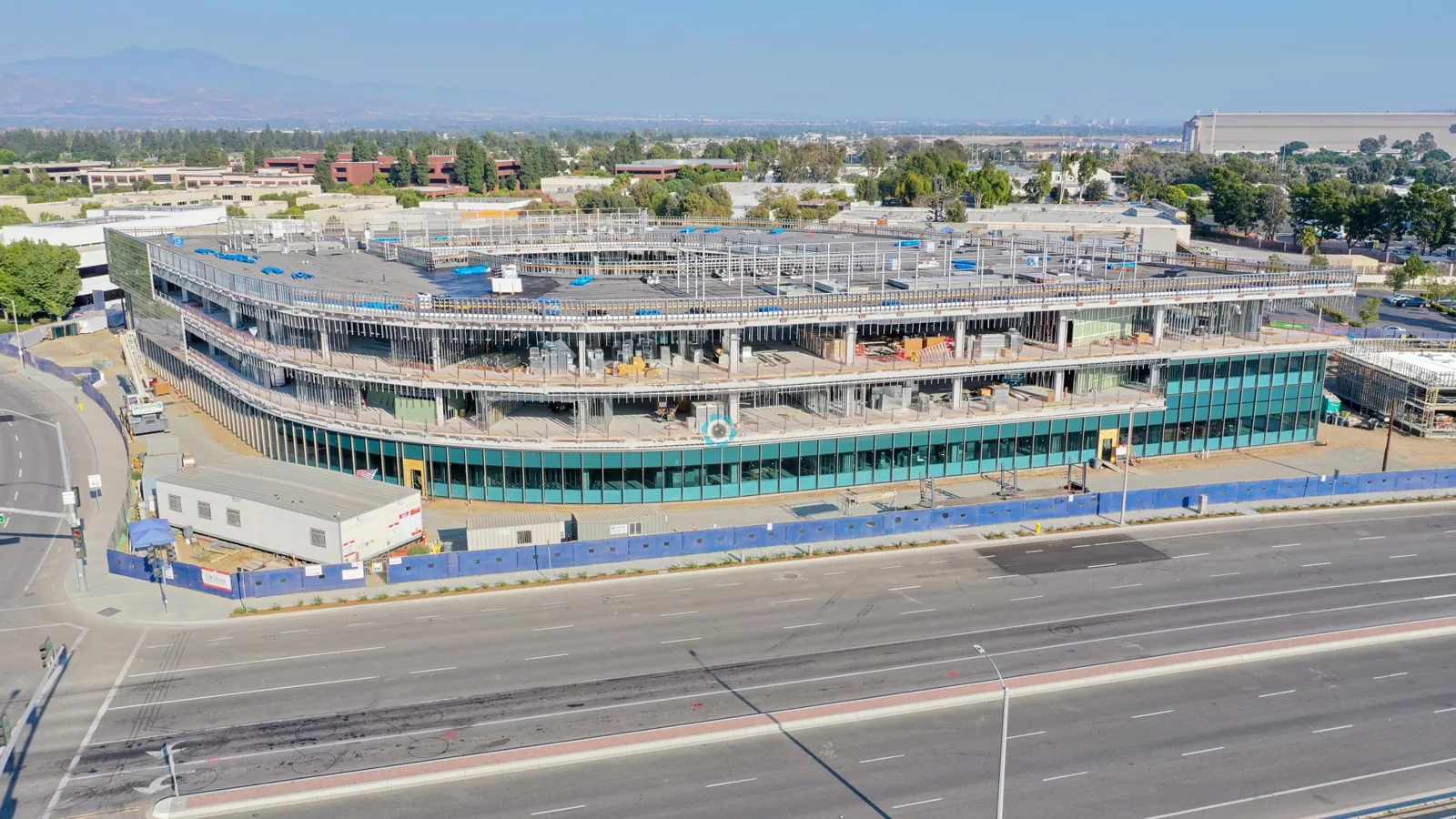
A drain, curb, or open lap at one property can change that building's work sequence without saying much about the next roof in the portfolio. I begin a multi-site program by giving every roof its own identity: property, roof section, assembly when known, access rules, reported condition, and last documented work. The register allows comparison without treating different roofs or schedules as interchangeable.
For each visit, we mark the roof zones, field seams, penetrations, edges, drains, and transitions that affect the current question. Photos need a roof-zone location and viewing direction. We note what was visible, what was inaccessible, and what would need testing before a repair boundary or replacement scope is priced. The record keeps an observation separate from a diagnosis that the inspection did not establish.
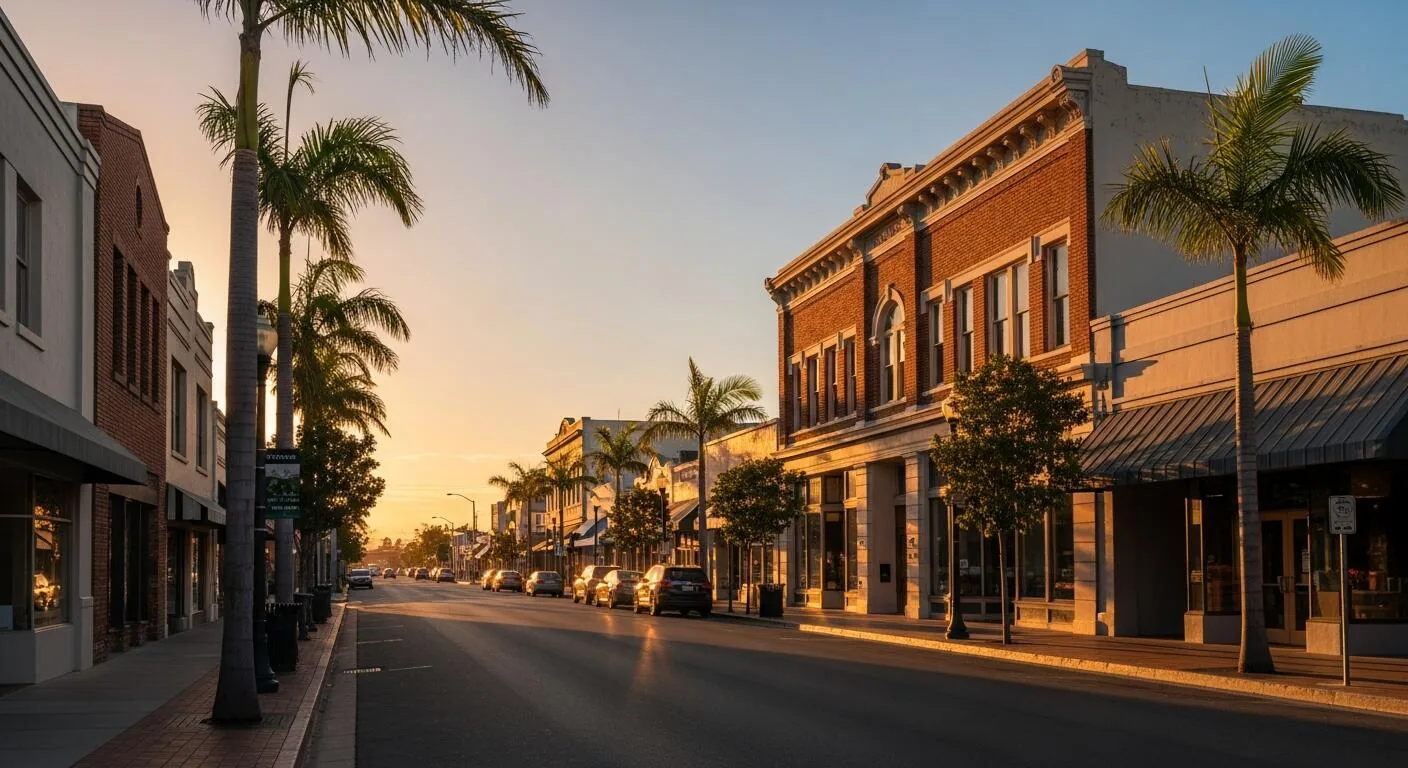
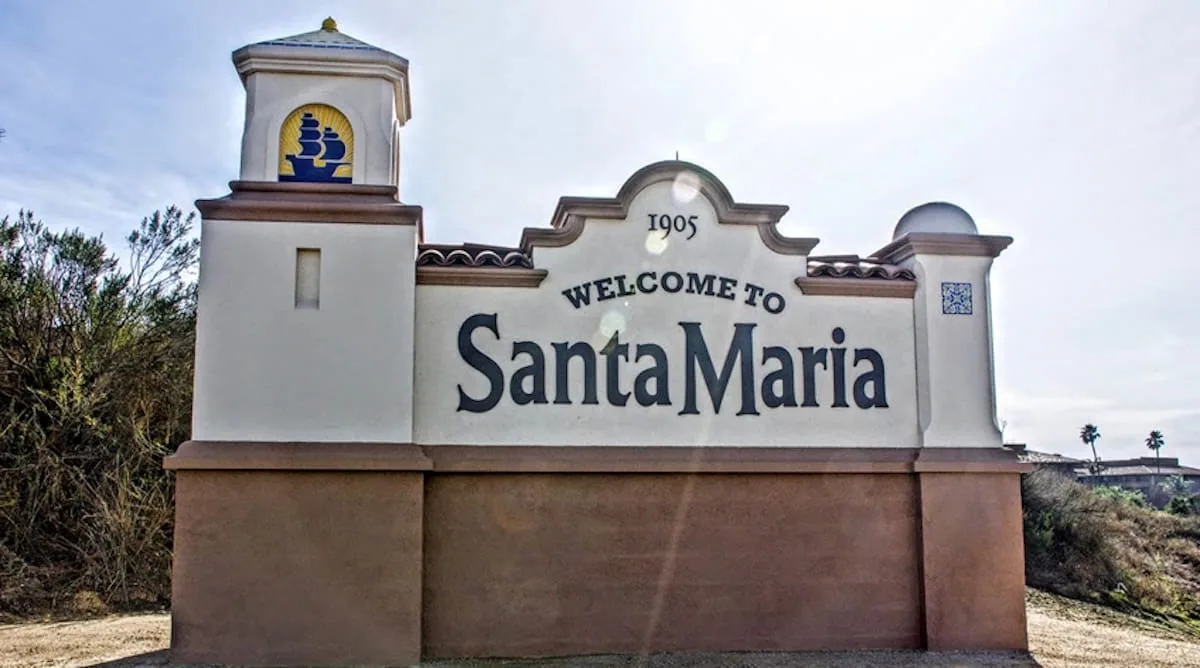
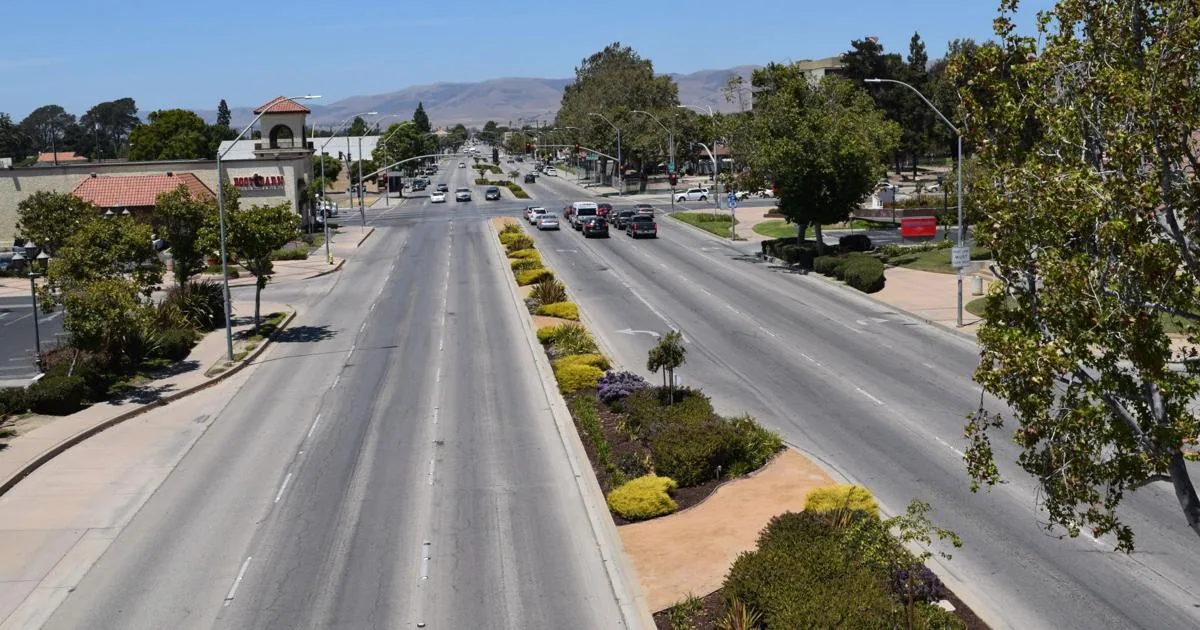
Santa Maria's planning materials describe an economy that spans agriculture, commercial activity, manufacturing, education, health care, tourism, oil production, and government. A portfolio may therefore bring together different building uses and operating constraints. We use that context to ask the right access and continuity questions, not to assume a particular roof design. Downtown Santa Maria and other adopted plan areas have distinct planning contexts; the site record still has to identify the actual roof before work is scoped.
Keep the local record attached to each property
A portfolio view is useful only when a manager can move from a summary back to the roof that supports it. The City lists separate specific plans for Downtown, Airport Business Park, Rivergate-Roemer, West Main, West Stowell, Entrada, and other growth areas. We verify each property's use, access, and roof condition during the site review.
Santa Maria's Airport Business Park planning materials describe employment uses that include light manufacturing, research and development, laboratories, administrative centers, and specialized manufacturing. Where a roof record concerns a property in that planning area, we still confirm the building, access point, operating hours, and any equipment restrictions with the owner. A field inspection identifies the installed assembly before we select a repair method. A roof asset register can carry those verified identifiers, while an individual condition report holds the observations for one roof visit.
For a group of properties, one schedule can show which sites need an immediate weather-tightness response, which need another inspection, and which have enough information for planned work. It should not flatten uncertainty into a red-yellow-green label without showing the reason. A suspected wet area, a blocked access route, an unverified seam, and a documented open lap are different conditions. We label the evidence and next action so a facilities lead can explain why one roof appears ahead of another.
Separate urgent work from capital decisions
A multi-site program usually has more than one clock running. An active leak can require prompt isolation and a defined repair boundary. A roof with aging coating or recurring ponding may need investigation before the owner decides whether to repair, recover, or replace. We record the immediate control separately from the longer-range option, then list what could change the recommendation: deck condition, wet insulation, attachment, drainage, access, occupied-space protection, or a manufacturer's requirements.
That distinction helps a manager avoid turning one urgent work order into a portfolio-wide replacement assumption. It also prevents a small patch from being presented as a capital plan. If testing or opening a roof area is needed, the proposed location and approval should be documented first. We can compare the confirmed repair boundary with a defined repair scope, or discuss a recover evaluation and replacement planning as separate choices when inspection evidence supports them.
Budget timing is more useful when its assumptions are visible. For each property, we can identify the observed issue, a working priority, the next investigation, and the decisions that remain with the owner. A capital planning review can group those items by timing while retaining a separate record for every building. It is a planning aid, not a bid.
Build a repeatable inspection and approval sequence
A calendar should make field work easier to coordinate, not force every site into the same visit. We confirm roof access, escort requirements, tenant notice, equipment shutdown limits, fall-protection arrangements, and the person authorized to approve testing. If a facility cannot stop production or close a customer area, the visit can document that constraint and stage the work around it. Name the property and roof section on every work order.
Under Santa Maria municipal rules, a proposed new covering stays off the schedule until the permit and pre-roof review are in place. The City’s review covers structural soundness and deck, water flow, fastening of the roof already in place, damp insulation, and fire-safety provisions before written approval. We file each decision under the property it concerns. A repair work order follows a different path.
KSMX, the Santa Maria airport station, has a 13.32-inch yearly precipitation normal for 1991 to 2020. Across 42 years in a separate record, the yearly heavy-fog average is 62.4 days. Before bonding or coating at any property, the crew records the surface and substrate conditions actually present.
Close the loop after each site visit
After work, the file should answer what was accessed, what was repaired, what remains open, and who owns the next decision. We attach dated photographs to a roof zone, describe the repair boundary, list materials and visible tie-ins, and note whether follow-up inspection is needed. If the crew could not inspect a section, that limitation stays visible rather than disappearing into a completed status. That file gives the next manager a usable starting point.
We attach permit records, inspection notes, drainage decisions, and closeout photographs to the building that received the work. One property's approval says nothing about another roof.
A repeat visit should compare the present roof with its own earlier notes. The questions may be whether a lap opened again, whether the repair edge remains secure, whether a drain path is clear, or whether a planned test was completed. A warranty file can preserve applicable terms and service history, while a maintenance visit can address routine observations. We report what the inspection supports and leave unverified conditions clearly marked.
Commercial Roofing Questions
How do you prioritize roofs across several properties?
We rank the documented condition and the consequence of delay for each roof, then show the evidence and remaining questions behind the priority. An active leak, a verified open seam, and an area that needs testing should not be collapsed into one label. The owner can weigh operating impact, access, budget timing, and the next inspection before authorizing work.
Can every property use the same inspection checklist?
A shared checklist can keep records consistent, but the roof sections, access controls, equipment, and owner concerns still need property-specific notes. We use common fields for location, condition, photos, and follow-up while preserving the actual assembly and repair boundary for each building. Record any inaccessible area.
Will a portfolio inspection determine which roofs need replacement?
Not by itself. A visual inspection may document visible conditions and identify areas that need testing or a closer assembly review. A replacement decision should follow the evidence for that roof, including deck and insulation conditions, drainage, attachment, and the owner's operating limits. We keep repair, recover, and replacement options distinct.
How can managers coordinate work without disrupting operations?
Before scheduling, identify escorts, occupied areas, shutdown limits, deliveries, and who can approve access or testing. We can sequence visits around those constraints and document the agreed roof section and work window. If findings change the plan, explain the reason before expanding scope.
What belongs in the closeout record for each building?
Keep the property and roof-zone identifier with dated photos, inspection observations, work scope, materials, repair boundaries, approvals, and unresolved items. Include the next action and its owner. Portfolio summaries can point to that record, but should not replace it or imply that one site's permit or inspection applies to another property.
Plan the next roof visit
Tell us about the building and what you are seeing on the roof. Request a roof assessment and we will set up a time to look at it.