Cool Roof Installation for Commercial Buildings in Santa Maria, CA
Plan a reflective roof evaluation
Arrange roof access and share any energy or operating goals already established. We will inspect the assembly, drainage and preparation needs, then price the appropriate restoration or replacement scope.
Request a roof assessment or call 555-555-5555.
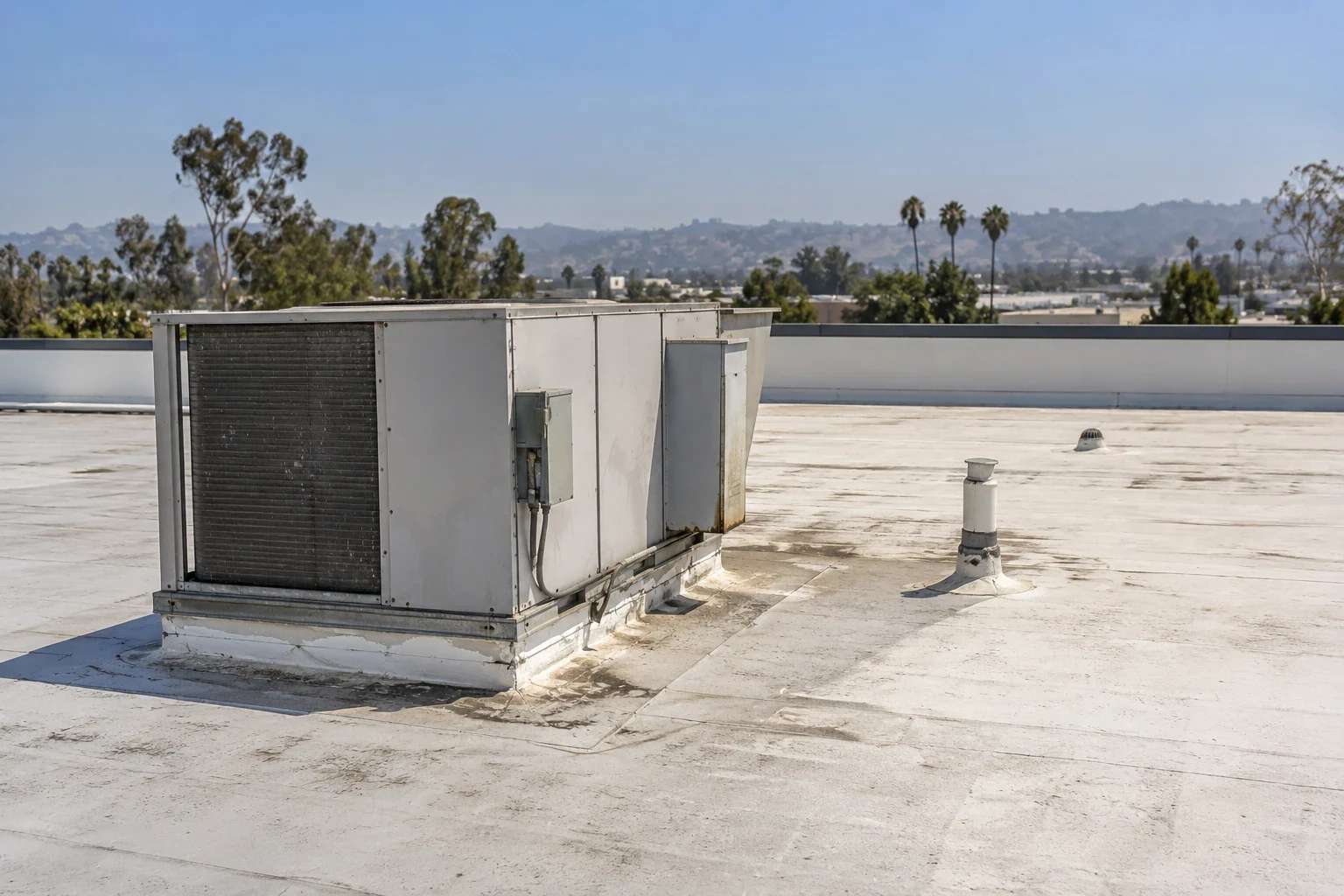
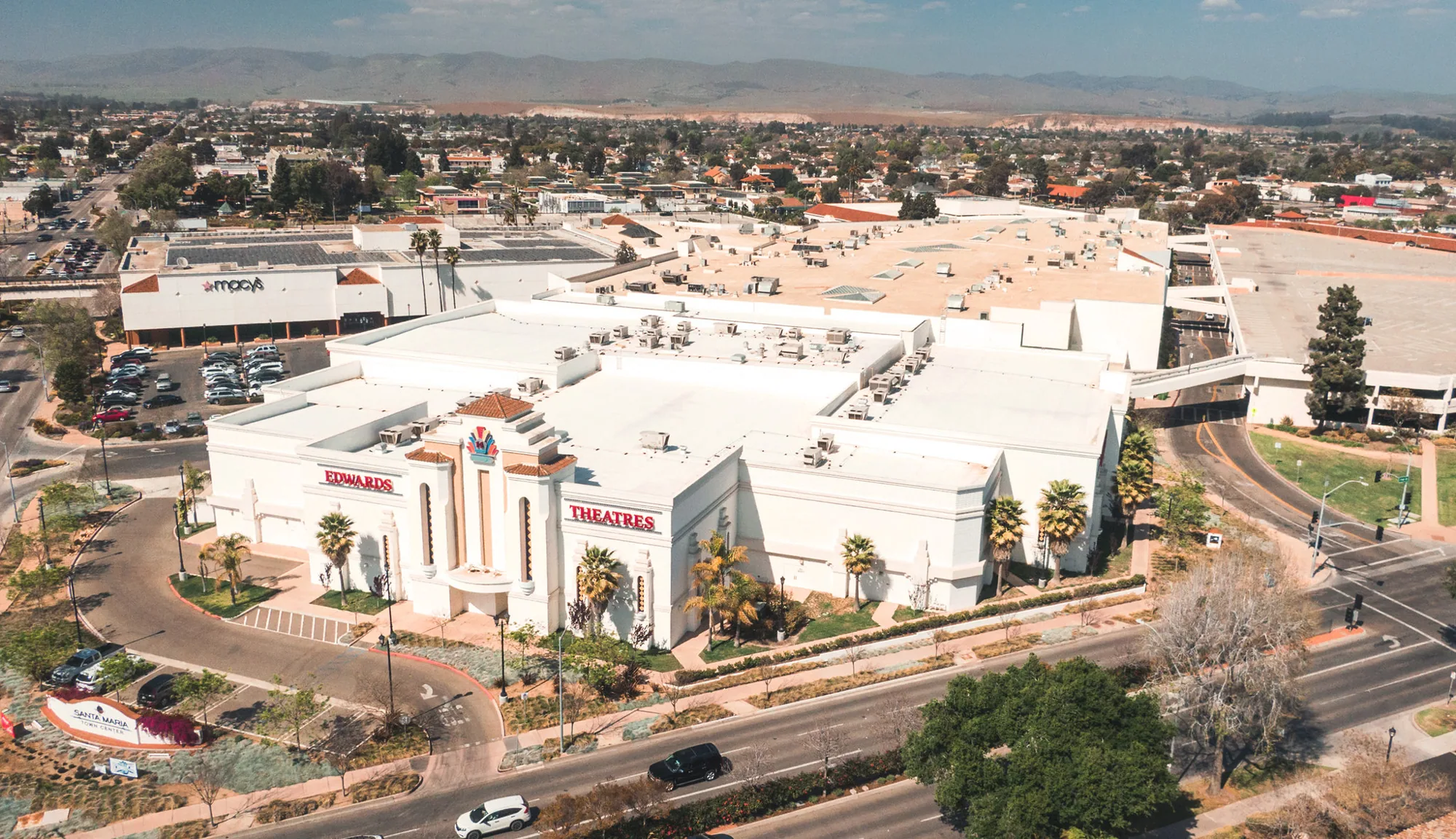
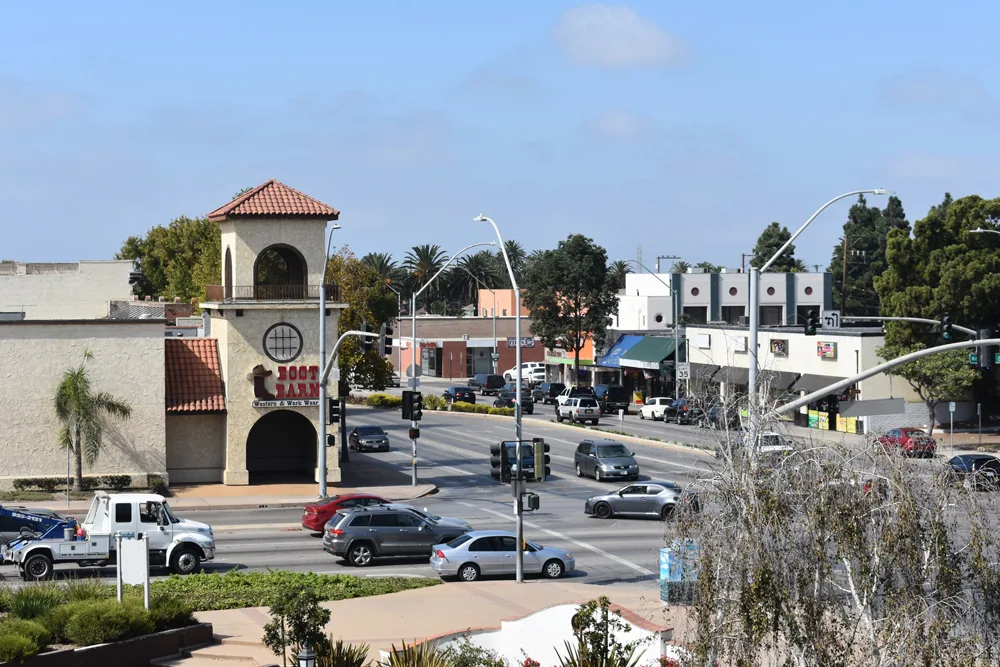
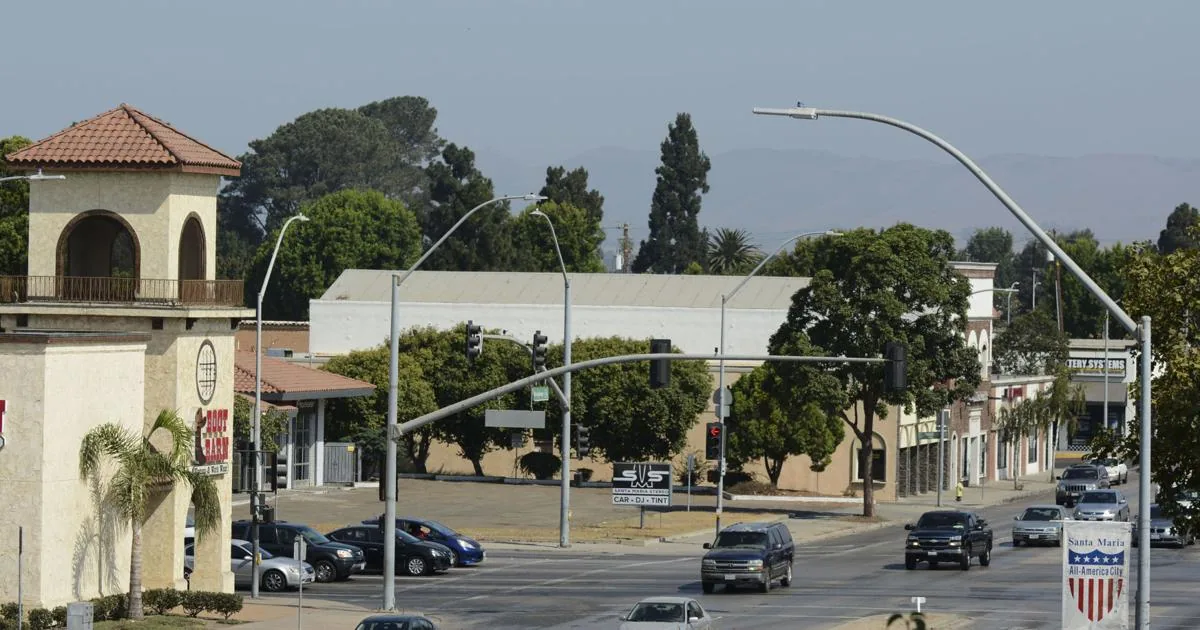
A reflective finish changes what the roof surface absorbs, but it does not correct a weak seam, wet insulation or a blocked drain. In Santa Maria, CA, we start a cool-roof proposal with the existing assembly and the rooms below it. A roof may be in Downtown Santa Maria or the Betteravia Retail Corridor, where tenant schedules and delivery routes affect staging. We measure the condition first, then compare a coating, recover or replacement approach against the building's actual needs. The proposal names the measured areas, the existing surface and any preparation that cannot be confirmed from the roof walk. That lets ownership compare work zones without assuming every elevation has the same exposure or assembly. We also record active leaks before any surface preparation begins.
Santa Maria's KSMX station recorded a highest daily maximum temperature of 101°F in 2023. Before coating, we check the roof surface and substrate at the work area. Still, solar exposure and surface temperature matter when selecting a reflective system. We look at the roof material, insulation, drainage and finish requirements, then explain which changes belong in the roof scope and which require energy or mechanical analysis beyond the roofing work.
Check the roof beneath the reflective finish
We inspect seams, penetrations, edge metal and low areas before discussing color or reflectance. A coating adheres only to a prepared, compatible surface. Loose granules, oxidation, incompatible repairs, trapped moisture and movement at transitions can shorten the useful life of a restoration if they remain in place. We map those conditions, probe suspect areas where appropriate and record the repair boundary before a product is selected.
Drain paths are part of the decision. A bright surface cannot move water to an outlet, and a finish can hide a shallow depression if the substrate is not evaluated first. A reflective finish does not alter the city's drainage rule: if widespread pooling remains for two days after a rain event, analysis and corrective work are called for. We distinguish a coating candidate from a roof that needs drainage correction, insulation replacement or deck work before any reflective layer is considered.
Choose a system that fits the substrate
Silicone and acrylic coatings have different properties, including how they handle standing water, temperature cycling and recoat preparation. The existing roof may be metal, modified bitumen, a single-ply membrane or an earlier coating, and each surface changes the preparation and primer questions. We review the system instructions and the condition of the substrate rather than treating reflectance as the only specification. A silicone coating assembly or acrylic coating assembly is considered only after adhesion and drainage concerns are resolved.
Where the field is serviceable but coating is not a fit, a compatible restoration scope may still be possible with a different repair sequence. If wet insulation, widespread seam failure or a deteriorated deck changes the assembly, coating over it would preserve the wrong condition. We can compare that result with a replacement option by showing the repair, preparation and tear-off assumptions side by side, including what remains outside the roofing scope.
Set the work window around preparation
Reflective work is sensitive to surface cleanliness and application conditions. We check the roof for residue, chalking, loose material and moisture, then define how each zone will be cleaned, repaired and primed. The work sequence must leave enough time for preparation and curing, and it should protect drains from wash water or coating materials. If a section cannot be made ready within the approved window, we record that limit instead of moving ahead onto a damp or contaminated surface.
Santa Maria's KSMX station averages 62.4 heavy-fog days annually across its 42-year record. We verify surface dryness before coating preparation. We plan a site check around the forecast, confirm access with the building contact and keep the crew sequence tied to the roof zone that is ready.
Account for local building use and review
The city describes Downtown Santa Maria and the Betteravia Retail Corridor among distinct planning areas. We confirm tenant schedules, delivery routes, and rooftop equipment with the property manager before setting the work sequence. A retail roof may need clear loading routes, while an office roof may have sensitive equipment zones. We confirm those needs with the manager and inspect the specific assembly before recommending a finish or setting a work schedule.
A Santa Maria reroof needs a permit and a documented city release before installation of a new covering. We set the work calendar around that review, which can examine the roof's support, water flow, current attachment and hidden layer condition. Fire-resistance items also enter the review. The scope distinguishes a restoration from a covering replacement so the manager knows which city steps apply. A Betteravia retail-area roof walk documents the actual property conditions, and a condition report can file those roof-zone images beside the specified preparation and repair scope for capital review.
Compare reflectance with the whole roof plan
A cool roof proposal should identify what the finish is expected to change and what it will leave alone. We do not assign energy savings from a roof inspection. Building orientation, insulation, HVAC condition, occupancy and controls affect energy use, so an energy model or utility analysis may be needed for a savings forecast. Our roofing scope focuses on assembly condition, finish selection, preparation and drainage so the property manager can make a separate decision about energy performance. After the work, we review the treated boundaries with the manager and confirm which penetrations, walk pads and equipment zones remain outside the coating area. That distinction keeps future maintenance from treating an uncoated transition as a missed application. We include the roof map with the closeout record.
We divide larger roofs into workable zones, list penetrations and transitions, and record where repairs must precede the coating. The finished record shows material, preparation steps, application area and any excluded surface. If there are multiple roof elevations, the plan should identify each one rather than combine different conditions into a single assumed system. That record gives the manager a basis to compare a reflective restoration with future replacement planning.
Commercial Roofing Questions
Does a reflective roof lower this building's cooling costs?
A roof surface can affect heat gain, but the result depends on insulation, HVAC performance, controls, building use and other conditions. We inspect and document the roof assembly. A project-specific energy analysis is needed for a savings estimate, which we do not substitute with a roofing inspection.
What roof condition rules out coating as the next step?
A field coating is not suitable when wet insulation, unstable attachment or widespread seam damage remains below it. We inspect the assembly, prepare a test area if needed and identify repairs before choosing a finish. When the substrate cannot support that work, we price replacement with its removal and drainage corrections listed separately.
What can delay cool-roof work after it is scheduled?
Surface moisture, fog, rain, contamination, access restrictions or incomplete repairs can change the application window. We confirm the actual roof conditions before preparing each zone and keep drains protected. The manager receives a revised sequence if a surface is not ready for coating.
Will a cool-roof installation fix ponding water?
Reflective material does not correct slope or outlet capacity. We map low areas and confirm whether water remains after rain, then identify drainage work separately. Where local code review applies to a new covering, drainage documentation can be part of the reroof sequence.
Plan the next roof visit
Tell us about the building and what you are seeing on the roof. Request a roof assessment and we will set up a time to look at it.