
Commercial Roofing in South Blosser Food-Processing and Logistics Area, Santa Maria, CA
Set a South Blosser roof inspection
Share the building list, reported leak zones, access route, and operating limits. We will inspect the agreed roofs, document drains and repair boundaries, and identify the preparation, approval, or staging steps that affect the work window.
Request a roof assessment or call 555-555-5555.
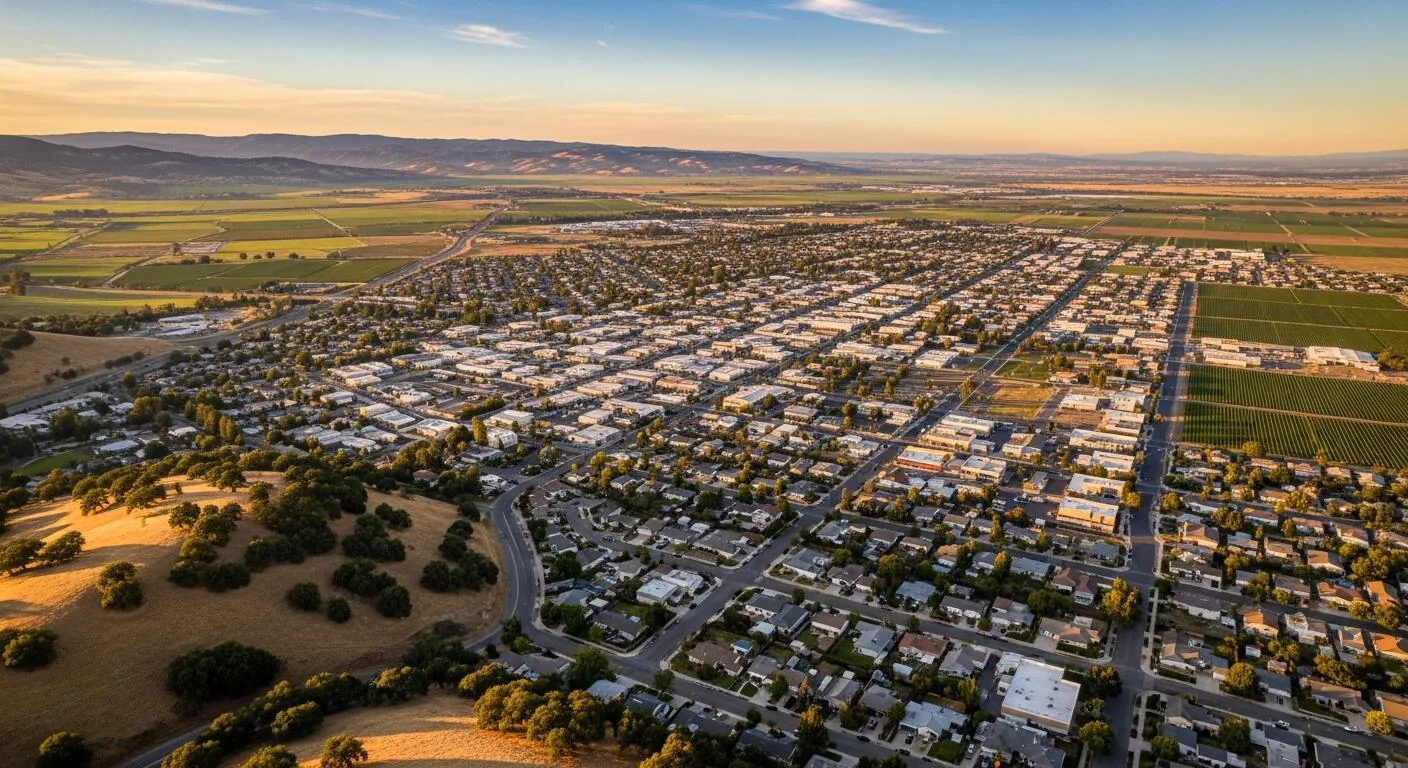
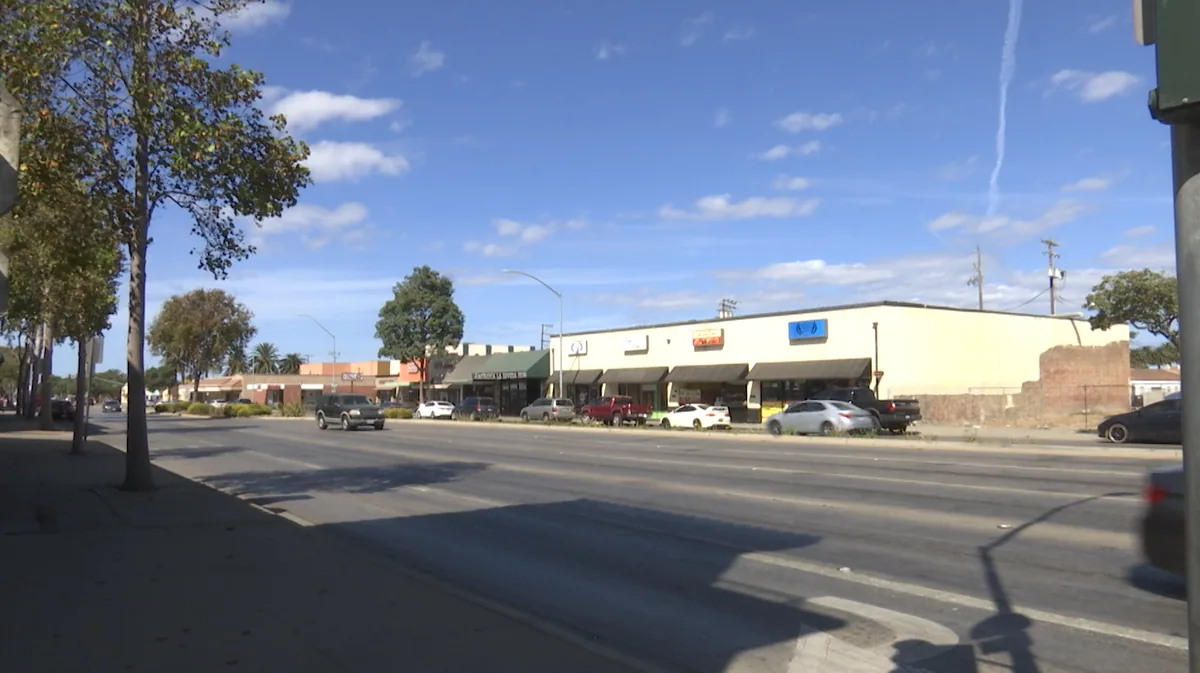
A roof drain beside a production area needs a clear route for inspection and a plan for keeping the outlet open during work. Around South Blosser, Santa Maria records identify food-processing, greenhouse, and industrial projects, including multi-building industrial and agricultural-processing activity distinct from retail centers. Those records describe a broad employment area. They do not tell us the roof system, operation, or condition at a particular property.
We start by confirming which building and roof zone are involved, how the manager wants access handled, and whether activity below can continue during the walk. We trace the drain path, seams, curbs, and edge details around the reported concern, then photograph and label the findings. That gives the owner a repair boundary tied to the actual roof and a work sequence that accounts for the building's operating limits.
Production: confirm access before tracing the roof
City records distinguish agricultural processing and industrial activity from retail in South Blosser. The Betteravia Industrial Park plan also uses light-manufacturing zoning and multi-lot review guidance. Neither planning description establishes a roof assembly. Access controls, equipment, and interior protection vary by property. We ask which doors, production zones, delivery times, or rooftop units affect the route. The manager identifies the contact who can release access and answer questions if the crew finds wet insulation, a loose deck edge, or a detail outside the approved scope.
Multiple buildings should be identified separately before we stage material. We note each roof's access point, visible assembly, reported leak location, and any restricted section. A shared work window still needs separate repair boundaries. If the project spans buildings, a multi-site roof program can keep property records and approvals organized while preserving a separate scope and closeout for each roof.
Drainage: trace water through the connected details
At the reported area, we check the drain bowl, clamping ring, field sheet, and low point feeding the outlet. We look for open seams, poorly bonded laps, punctures, and flashing edges that could interrupt the drainage path. A wet mark below the roof can be several details away from its entry point. We document the visible condition, compare it with the manager's leak history, and identify whether a moisture reading or controlled opening is needed to see below the membrane.
Santa Maria airport's KSMX weather file gives 13.32 inches as a yearly precipitation normal over 1991 through 2020. A different statistic counts heavy fog at 62.4 days per year when averaged across 42 years of station records. We base bonding or coating preparation on the substrate readings and product requirements at the work area. We still measure the actual substrate before bonding or coating and note any preparation hold.
Repair limits: separate a local defect from a larger question
A local seam opening or puncture can be repaired when the surrounding sheet and substrate support a compatible patch and sound tie-in. We state the preparation, repair material, boundary, and closeout check. If moisture readings extend under the adjacent field sheet, a small visible opening may not define the full work area. The owner can authorize a targeted test, receive a broader condition report, or compare repair with recover or replacement after the assembly is better understood.
For an active leak, emergency response is available at any hour, through weekends and holidays. We stabilize the opening, protect the space below, and set a temporary dry-in that remains safe until permanent work can proceed. The permanent repair begins after the surface and substrate meet the specified preparation needs. A commercial roof leak repair records the immediate boundary, while a moisture survey can help map suspect areas for follow-up testing. Neither step should be presented as a finding about concealed layers without supporting evidence.
Work window: protect the production sequence
Schedule depends on roof access, material staging, surface preparation, and what must remain operational below. Before mobilizing, we agree on the work area, delivery route, drain protection, and who can authorize a pause if an unexpected condition appears. If a roof section must be opened, we establish the dry-in sequence and interior protection before cutting. An inspection hold can affect progress when the deck, insulation, or attachment needs review before the crew covers the assembly.
Construction planning should identify who can approve a field change and which crew member receives that direction. Before a roof section closes, we record what the deck and insulation show, confirm the drain route, and leave a review hold where an owner decision is needed. The manager can then align delivery, interior protection, and the next work shift with an agreed scope. Those steps matter when several buildings share one operating calendar but have different roof conditions.
Materials: match the repair to the existing sheet
A patch is only as reliable as its contact with the existing roof. We identify the visible membrane when possible, remove loose material, clean the repair zone, and prepare a tie-in that is compatible with the assembly. If the material cannot be identified from the surface, we keep that question open until records or a test can establish the system. A coating or sealant does not correct trapped moisture or a failed substrate beneath it, so preparation and condition determine whether that option belongs in the scope.
Food-processing and greenhouse projects appear in City records around South Blosser, but those uses do not establish a particular building's roof or equipment. We ask the manager whether roof work can affect exhaust, intake, temperature control, or a process below, then plan protection and communication accordingly. For nearby retail properties, a separate South Blosser-Westgate commercial area is associated in City records with retail and industrial projects along South Blosser. Each building still receives its own assembly review and repair notes.
Closeout: leave clear limits for the next visit
The closeout should identify the building, roof zone, repair edge, materials, photos, and remaining questions. We note which drains were checked, whether any area was inaccessible, and whether the work was temporary or permanent. If one building in a multi-building group remains outside scope, it stays visible in the record. A later inspection can return to the same location and compare the seam, curb, or drain with the prior condition instead of guessing from an invoice alone.
Send the building list, available plans, operating constraints, leak history, and approved access route before the walk. We will inspect the agreed sections, mark the repair boundary, and explain any testing or approval needed before broader pricing. A preventive maintenance visit can update the record after the repair, and a roof condition report can retain findings by zone for a future capital decision.
Commercial Roofing Questions
How should a roof walk be arranged around food-processing work?
Begin with the building identifier, access route, operating window, and person authorized to release the roof area. Include any restrictions on staging, exhaust, or protection below the work. We confirm the accessible sections and sequence the inspection so the manager knows where a pause or added test could affect operations.
Does a clogged drain explain a leak in a processing building?
A blocked bowl can affect drainage, but it does not prove the entry point for water inside. We check the bowl, low point, seams, nearby curbs, and the membrane around the outlet. We separate debris and ponding from a leak path that still needs testing.
What if the roof has multiple buildings with different conditions?
Treat each roof as its own inspection record, even when the access and work windows are coordinated. We label the building, assembly, reported issue, repair boundary, and unresolved condition. That lets an owner compare options without carrying a defect or approval assumption from one roof to another.
Can roof work proceed while a process stays in operation?
The work plan follows access, interior protection, equipment limits, and the dry-in method for the opening. We identify the steps that can proceed and the conditions that require a hold before mobilization. The manager receives the sequence and the decision point before a finding changes the scope.
When is a new covering subject to drainage review?
When extensive ponding lasts past 48 hours after rain, Santa Maria calls for drainage analysis and measures to correct it. We record the roof zone and observed duration, then place that review in a new-covering schedule. A single drain photo cannot establish how long the water remained.
Plan the next roof visit
Tell us about the building and what you are seeing on the roof. Request a roof assessment and we will set up a time to look at it.