
Commercial Roofing in the North Preisker Commercial and Industrial Area, Santa Maria, CA
Set a Preisker Lane roof walk
Send the access window, equipment changes, and roof-zone locations. We will map each penetration and drain, photograph the repair limit, and identify any inspection or testing hold before we price the scope.
Request a roof assessment or call 555-555-5555.
A roof penetration above an equipment service bay needs a repair plan that accounts for the unit, the curb, and the route below. City records describe commercial and industrial projects along Preisker Lane, including equipment, tire service, storage, and commercial uses. The North Broadway and Preisker Lane area also includes a recorded commercial center and industrial activity. At each property, we verify the roof assembly and equipment before setting the inspection route.
We inspect what is present, trace any water report to the roof details, and note access limits before pricing. A property may have membrane, metal, or more than one roof section, so we map the visible systems and mark where each repair would begin and end. If service work has changed a curb or conduit, we record the tie-in and coordinate with the equipment contractor before closing the detail.
Inspection: start at the penetration
A leak near a service area can enter at a curb corner, abandoned fastener, wall termination, or lap beside the equipment. We check the flashing, membrane turn-up, fasteners, sealant, and surrounding sheet for movement or contamination. The interior mark helps orient the inspection but does not by itself define the repair boundary. Photos and a roof-zone map connect the observed detail to the manager's report.
City development records also mention truck-service and vocational-training proposals in the north-side area, along with retail uses. We distinguish proposed work from the installed roof details recorded during inspection. If a property has service vehicles, training, or storage operations, the manager can identify vehicle paths, overhead-sensitive work, and restricted hours before access is planned. We inspect the actual roof and keep the operating notes attached to that property rather than transferring assumptions from another use.
We inspect drains, scuppers, seams, edges, and transitions for a source of standing water. Under City code, an extensive ponding condition still present after the two-day period from rainfall requires analysis and corrective measures. We note the outlet, field slope, and reported duration, then separate a cleaning need from a repair or broader drainage question. The commercial roof inspection can organize those findings on a marked plan with photographs.
Repair options: correct the source and tie-in
A repair has to meet sound, prepared material. We remove loose or incompatible patches, clean the area, and connect the new work to the existing system. For a membrane, we inspect the lap and nearby sheet; for metal, the joint, fastener line, and flashing control the repair. If moisture or substrate movement could affect adhesion, we identify the needed check before setting a final limit.
At an equipment curb, more sealant is not a substitute for a secure flashing turn. We check whether the curb is sound, whether the membrane reaches the correct height, and whether service access has disturbed the detail. If the equipment contractor must finish a change, we schedule the roof tie-in after that work. The curb and equipment flashing scope can address the roof connection, while a flashing repair can set a clear boundary around a failed transition.
Repeated reports across different roof zones call for a broader comparison of repair history, moisture evidence, attachment, and drain performance. A localized defect may be repaired in place; wet insulation or widespread movement may change the choice to recovery or replacement. We separate findings that can be priced from concealed conditions needing an authorized opening. The recover assessment checks layers, attachment, and moisture before a new covering is considered.
Building context: coordinate routes and work below
Equipment, tire service, storage, and truck activity call for an access plan that protects both the roof and the operation. We ask which drive paths, doors, work bays, and delivery windows must remain available. Then we select a staging area, control overhead exposure, and set a dry-in limit for each shift. If the roof is occupied by HVAC or service equipment, we also identify which units require shutdown or trade coordination before flashing work begins.
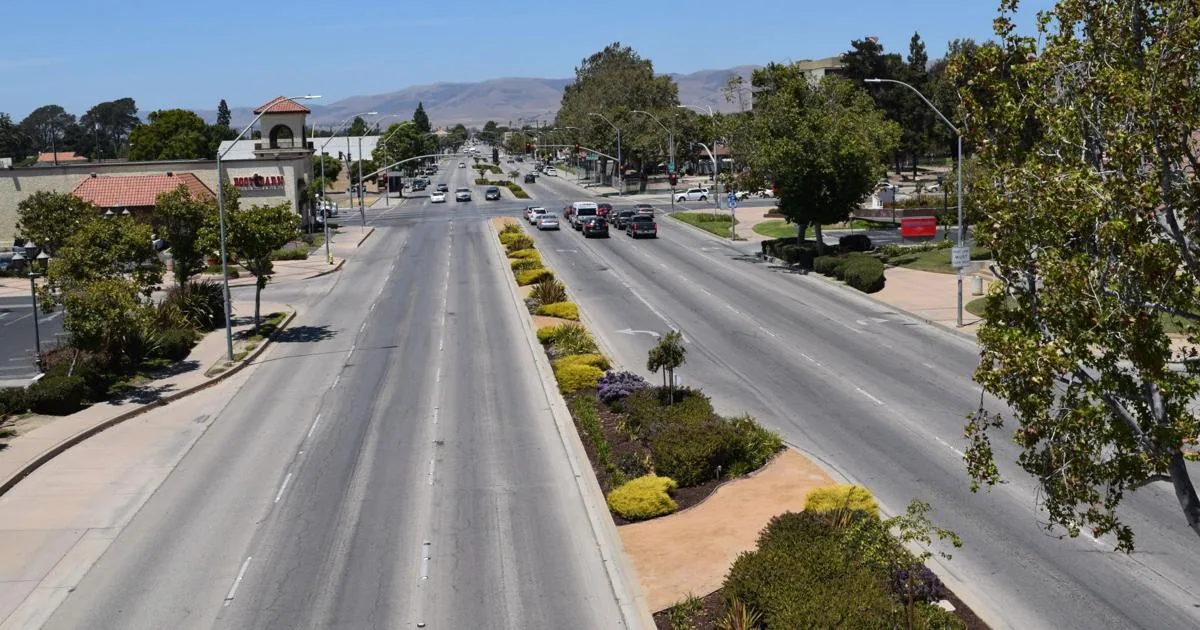
City records identify a commercial center near North Broadway and Preisker Lane, with industrial activity along Preisker Lane. We map the roof zone, access point, and repair boundary at the property before pricing work. A roof walk in Betteravia Industrial Park has separate site conditions, even though that area also has light-manufacturing planning. A manager with several nearby assets can use the same report format while keeping assembly and repair findings distinct.
Timing: preserve the inspection point
Repair timing starts with access, weather, and the surface condition. A roof needs to be dry enough for the specified preparation and bonding, and an opening must be small enough to protect before the crew leaves. We set a staging route and end-of-shift dry-in target in advance. If testing or another trade affects the repair, we include that coordination in the schedule instead of closing over an unfinished detail.
The permit comes first for a new covering, followed by Santa Maria's pre-roof inspection and written clearance before installation. Review can include building support and deck, roof runoff, the way existing layers are fastened, damp insulation, and fire safeguards. We identify that hold before removal begins and keep the work visible until the required approval is complete. If hidden conditions change the scope, the owner receives a documented choice before the next layer is installed.
When water enters after hours or on a holiday, our emergency line remains open; response is available day and night. We first limit water entry and protect the area below, then document temporary dry-in and the permanent correction still required. That measure can protect the space while the manager arranges full repair access. A commercial emergency response can begin with a roof walk and a safe temporary measure where conditions permit.
Maintenance: keep the equipment detail in view
After a repair or equipment change, we record the curb, flashing, materials, photos, and any open question in the building's roof file. On a later visit, we can return to the same reference point and inspect the surrounding laps, fasteners, and drainage. A service visit also checks for debris, disturbed sealant, and new penetrations made by other trades. The preventive maintenance program can carry those items forward on an agreed route.
For 1991-2020, the Santa Maria Public Airport station averaged 13.32 inches of precipitation each year. At the property, we check the actual roof surface and drainage path before setting the preparation schedule. We use local context to plan observation timing, then record the roof condition we actually see. A photo-based condition report can help ownership compare the current assembly with earlier repairs and set a budget priority.
Cost depends on the roof type, number and condition of penetrations, repair perimeter, access equipment, preparation, moisture, and any permit or inspection hold. We state what the visible conditions support and where testing may alter the scope. For a roof in the West Stowell industrial corridor or along Preisker Lane, we document that building's access, drainage, and repair limits before wider work is priced.
Commercial Roofing Questions
What should be checked after equipment service on a roof?
We inspect the curb, flashing turn, nearby membrane or panel, fasteners, and any sealant disturbed during the service. We compare those details with the interior report and record what must be completed by the equipment contractor before the roof tie-in is closed.
Can truck or tire service keep operating during roof repairs?
The manager can identify drive lanes, work bays, deliveries, and overhead limits. We stage outside required routes where possible and set a daily dry-in boundary. The plan also notes any temporary barrier or interior protection needed below the repair.
What should I do when a low area keeps water after a storm?
Mark the spot and arrange a roof check. We inspect where water sits, how it exits, and whether nearby seams are involved. A broad area still holding water into the second day after rainfall calls for Santa Maria drainage analysis and corrective work.
What will delay a replacement schedule?
Access windows, weather, concealed wet material, permit review, and the pre-roof inspection can change the sequence. We identify the inspection hold before work begins and document any condition that requires an owner decision after removal.
Related
Plan the next roof visit
Tell us about the building and what you are seeing on the roof. Request a roof assessment and we will set up a time to look at it.