Commercial Rooftop Equipment Curbs and Supports in Santa Maria, CA
Schedule a curb and penetration roof walk
Arrange roof access and share equipment shutdown limits. We will inspect the curbs, supports and surrounding membrane, then document the repair boundary and any separate trade work before pricing.
Request a roof assessment or call 555-555-5555.
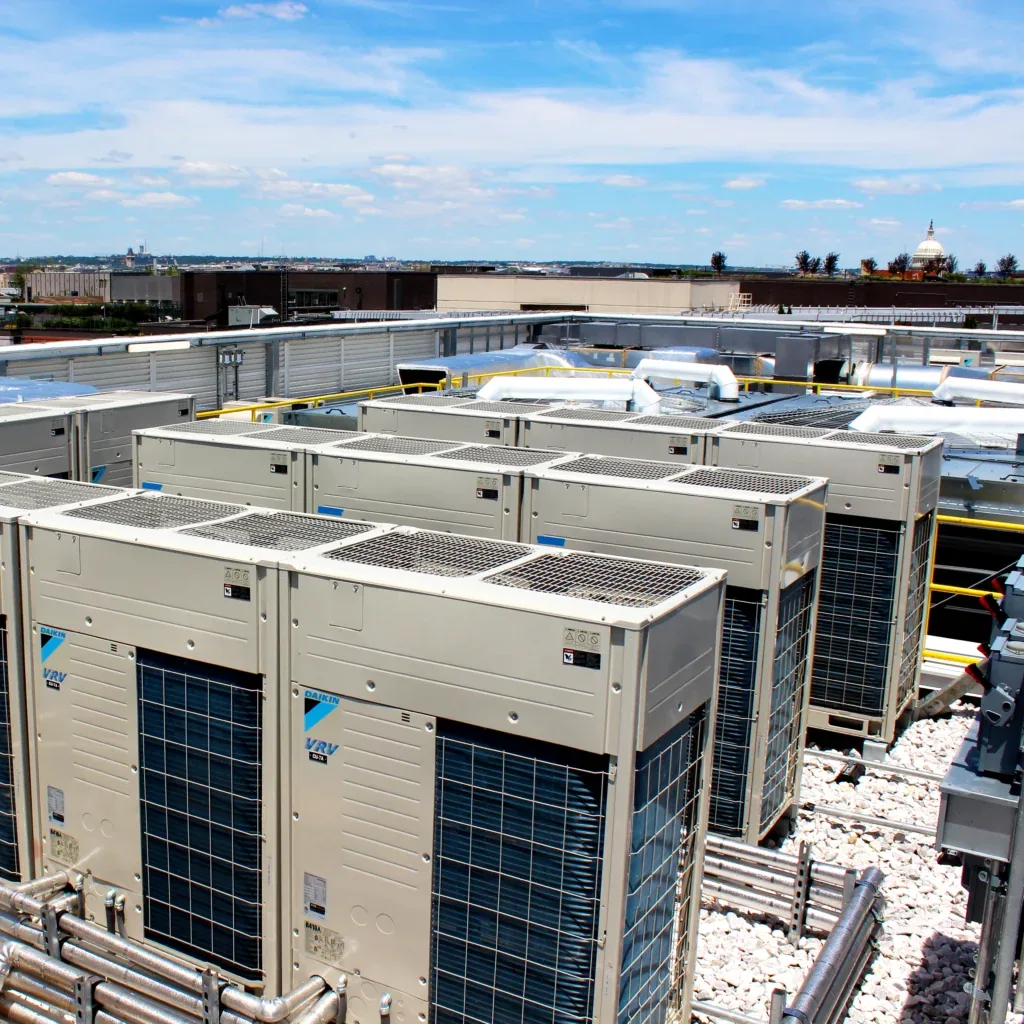

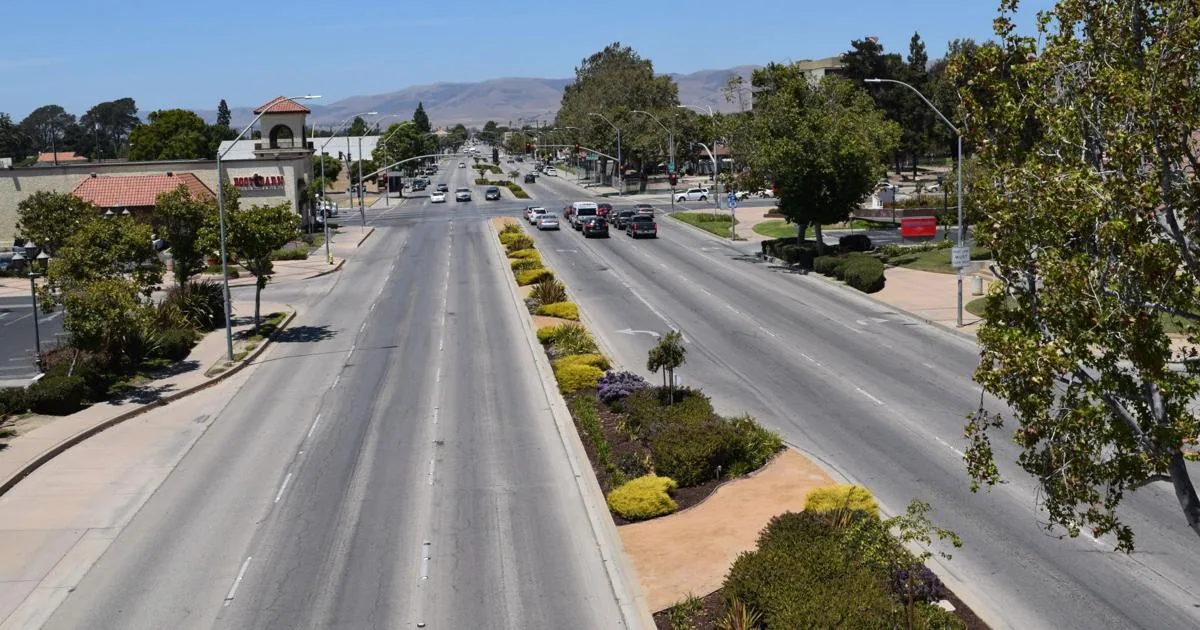
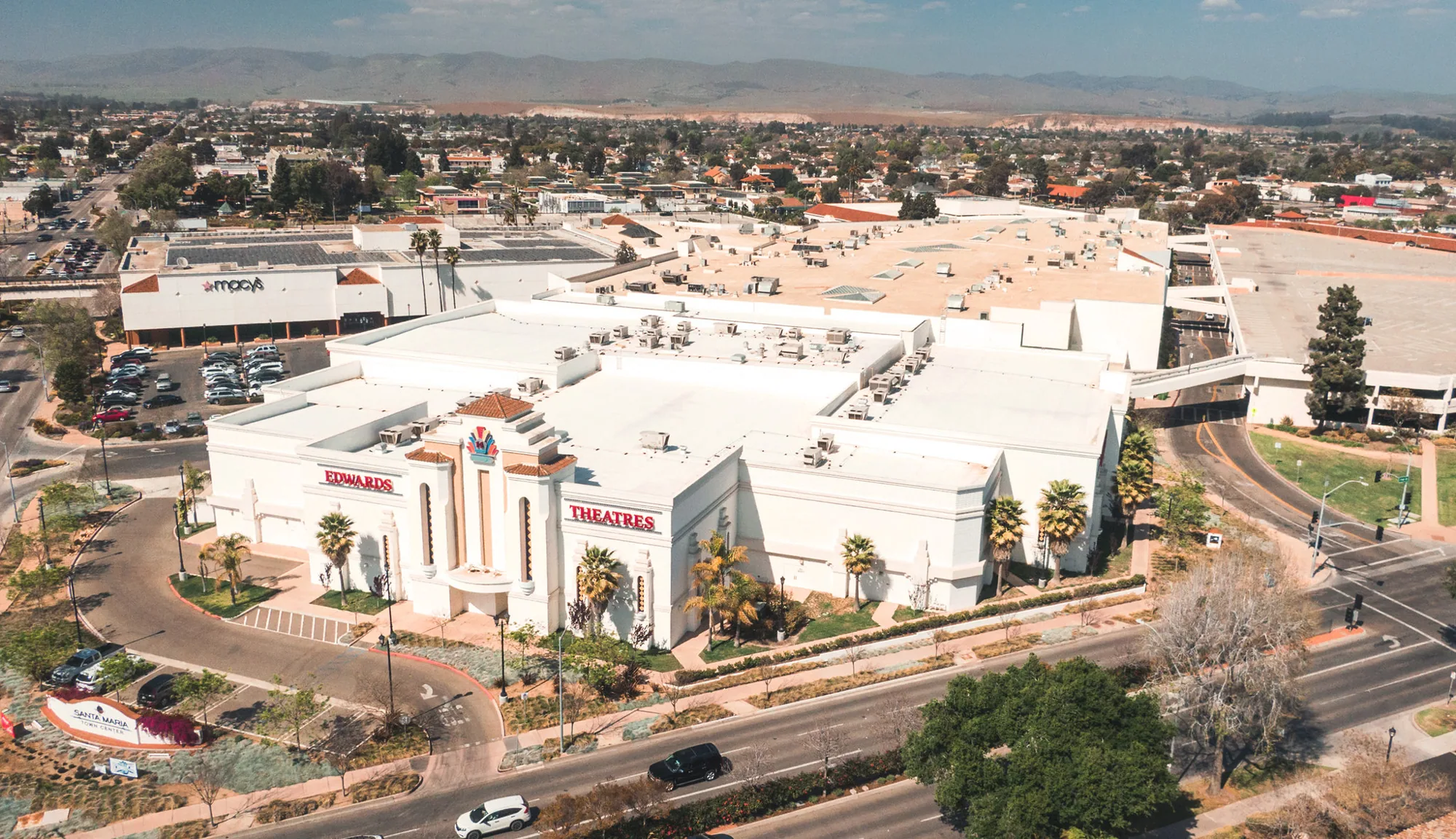
A curb that rocks under a service technician can loosen its flashing long before a ceiling stain appears. In Santa Maria, CA, we inspect the curb, membrane turn-up, counterflashing and nearby field sheet as one assembly, then mark where water can pass. The Airport Business Park plan includes airport-service, office, light-manufacturing, and research uses. West Stowell planning allows manufacturing, processing, and equipment service. We confirm the property's access route and work schedule with its manager before opening the curb.
Heating and cooling equipment brings recurring service visits to a roof. Each visit can put weight on a support, shift a conduit, or disturb a seam if the walking route is unclear. We record the unit and its curb, check the fasteners and flashing condition, and coordinate a safe approach with the property manager. The written scope separates a roof repair from mechanical work, so neither trade assumes the other will reconnect equipment or alter its support.
Read the curb before opening the roof
We begin at the metal-to-membrane transition. A sound curb has a stable base, secure corners and flashing that rises above the roof field without pulling away at the top. We look for splits at the corners, loose counterflashing, exposed fasteners, sealant gaps and a membrane turn-up that has lost adhesion. A moisture reading can help define the affected area, but it does not replace checking the visible lap and the condition of the substrate.
Equipment vibration can fatigue a connection even when the unit still runs normally. We compare the curb movement with the nearby sheet, inspect for scuffing or repeated foot traffic, and look for a repair boundary that can be welded, adhered or mechanically attached as the assembly requires. If the support frame itself is bent or loose, we record that condition and identify the mechanical scope separately. Roof work should not conceal a structural or equipment issue inside a new flashing patch.
Keep the flashing and the equipment in sequence
On a membrane roof, the repair method depends on membrane type, surface condition and access to a sound tie-in. A compatible flashing piece can be fitted around the curb, with corners formed so water has a continuous route over the roof surface. For metal roof details, we examine the panel ribs, closure pieces and movement at the penetration before choosing a boot or transition. We link the curb repair to the broader commercial roof repair scope only when the field membrane also needs work.
Some repairs require the equipment to be shut down, lifted or temporarily supported by another trade. We confirm that boundary before scheduling roof work and record which party disconnects and resets the unit. A planned occupied-building work sequence can keep tenant routes clear while the curb is opened, dried and re-flashed. If moisture extends beyond the penetration, the repair should include that area rather than close a clean-looking curb over wet insulation.
Plan for Santa Maria roof access
Santa Maria Airport Business Park planning materials describe a mix of airport services, light manufacturing, laboratories, technical development and administrative uses. We confirm equipment access controls and operating hours with the property manager before planning the roof work. At the property, we identify each unit, curb, and support before preparing the repair scope. We ask the manager for roof access rules, equipment contacts and any area that must remain in service, then document the actual curb arrangement before making a work plan.
West Stowell planning permits manufacturing, processing, and equipment-service uses; we inspect each property's actual roof assembly and equipment details. On properties there, the practical concern may be keeping deliveries, production or office use clear while equipment work is underway. We establish the staging zone, protect the roof surface and keep tools away from drains. A West Stowell industrial-area roof visit is scoped around the building and access information provided by its manager, not assumptions about neighboring properties.
Separate roof repair from mechanical work
Before the visit, we need to know which units can be accessed, whether a lift or escort is required, and which mechanical contact can approve a shutdown. A curb that needs only new flashing may fit a short work window; a corroded frame, wet insulation or damaged deck changes both the scope and the time needed. We photograph each detail, identify any area we could not reach, and give the property manager a clear record for maintenance planning.
For Santa Maria reroofing, the city reviews the proposed covering before installation. We allow for a permit submittal, a pre-roof visit and written clearance in the schedule. The review reaches the supporting structure, deck, water route, present attachment and concealed material conditions. A curb repair alone may not trigger the same scope, but a roof-wide replacement must be planned against those city steps. When the scope grows beyond the penetration, our replacement planning can map roof zones, equipment curbs and trade coordination before work is priced.
Record each penetration for the next visit
A useful roof record identifies the unit, curb, adjacent seams and the repair made, not just a general item that flashing was checked. We mark repeat problem areas and photograph the surrounding field sheet so a later technician can recognize the same detail. If the building has several curbs, grouping them by roof zone helps a manager assign access and avoid sending a trade across a wet or newly repaired area.
Routine checks can catch a raised corner, loose fastener or displaced boot before water reaches insulation. The manager can keep the same curb identifier in the maintenance log, so a later visit compares the same transition instead of recording a new generic observation. A photo from the field edge and a close view of each corner help separate a recurring sealant failure from movement in the support frame. A roof inspection can include these details alongside drains, edge metal and prior repairs. We also document any blocked roof route or unsafe condition that prevents a full look. A related condition report can carry the curb identifier and repair photos into the property record. The manager receives observations tied to locations and recommended actions, with urgent roof work distinguished from items that can be scheduled during the next planned maintenance window.
Commercial Roofing Questions
Does a loose HVAC curb require a roofing repair or a mechanical repair?
We inspect the roof-to-curb transition and record movement, flashing gaps and visible damage. A roofer can repair the membrane and metal interface; a mechanical contractor handles equipment connections and a frame that needs structural correction. We state the boundary in the scope before scheduling both trades.
Can equipment stay on while curb flashing is replaced?
The answer depends on whether the curb can be opened without disturbing the unit or its connections. We review that sequence with the mechanical contact, then schedule any shutdown, lift or temporary support before roof work begins. The roof remains protected while the detail is open.
What changes the cost of a curb or pipe-support repair?
Membrane type, curb size, access, metal condition and the amount of wet insulation all affect the repair. We also account for equipment shutdown coordination and whether a separate trade must stabilize a support. After inspection, the price separates roof work from mechanical scope.
Will a new curb flashing solve water showing inside the building?
A ceiling mark may be several bays from the penetration above. We line up the reported room with roof slope, curb corners, sheet laps and the closest outlet. Photos of the actual transition help determine whether to repair the curb or investigate another route.
Plan the next roof visit
Tell us about the building and what you are seeing on the roof. Request a roof assessment and we will set up a time to look at it.