
Commercial Roofing in Lompoc H Street Corridor, Lompoc, CA
Arrange a roof walk on H Street
Share the building identifier, access limits, leak location, and any planned roof alteration. We will inspect the agreed zone, photograph the connected details, and outline the repair boundary, approvals, and staging steps that affect timing and price.
Request a roof assessment or call 555-555-5555.
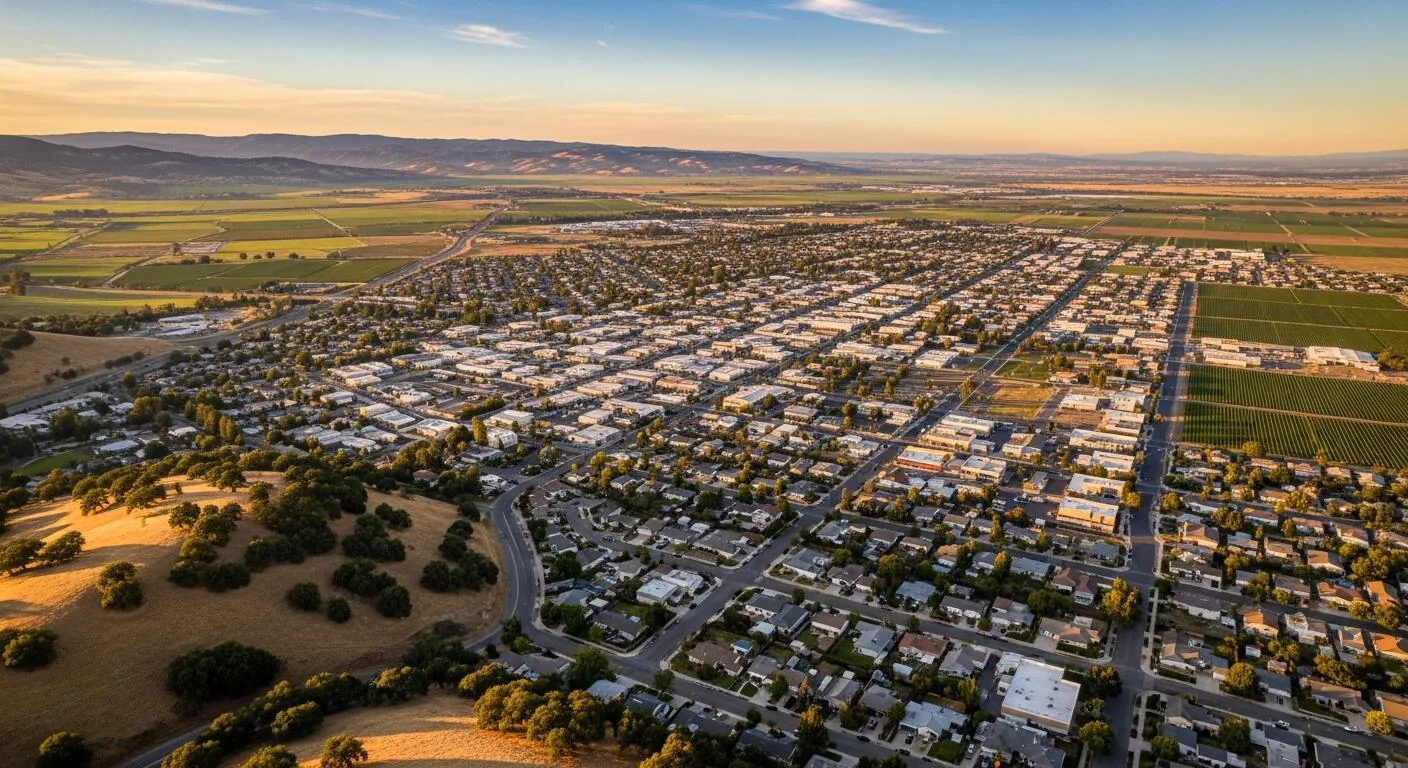
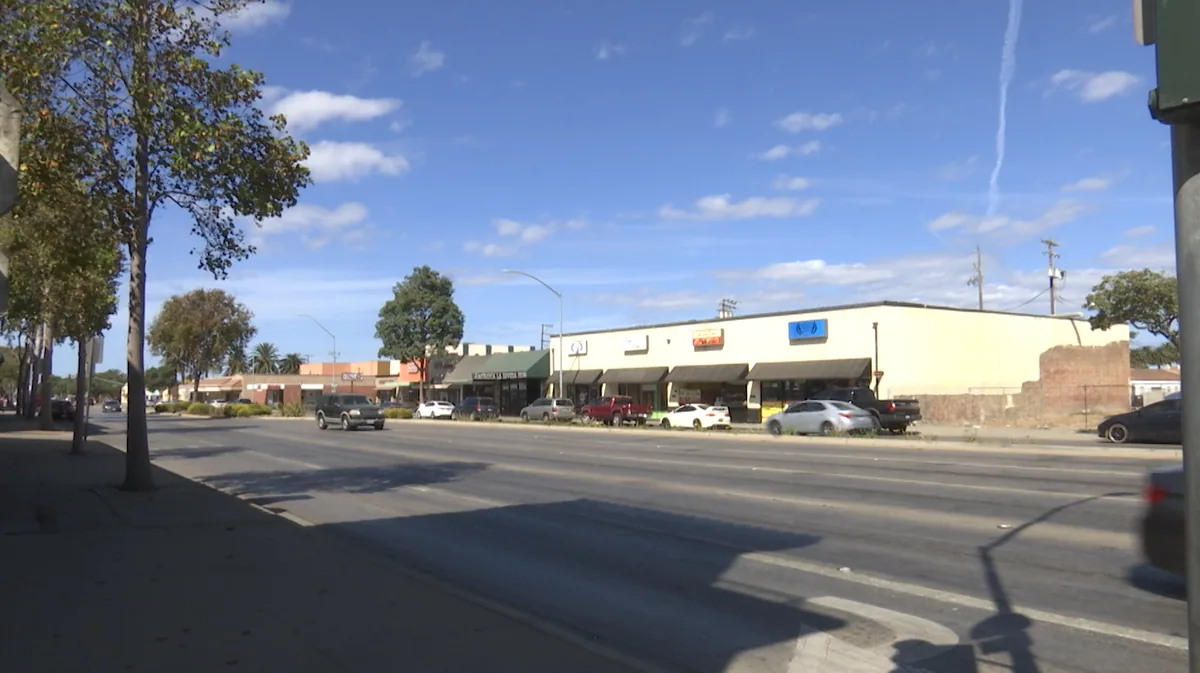


A curb flashing that meets a field seam can set the boundary for a roof repair before anyone moves material. Along Lompoc's H Street Corridor, that boundary matters when commercial or mixed-use infill is being considered and roof work must fit alongside an active property. We start by checking the membrane turn at the curb, the lap that carries water away, and the nearest drain or scupper. The first walk records what is sound, what has opened, and what access below will shape the sequence.
Lompoc's General Plan identifies H Street for commercial and mixed-use infill, with a broader mix of shopping, work, dining, and entertainment uses. The City identifies the H Street Corridor for commercial and mixed-use infill; we confirm each building's use, roof assembly, and access during the site review. We confirm the actual roof assembly, occupancy, and approval path with the manager. A commercial roof inspection in Lompoc can begin with the affected zone, while the Old Town commercial district remains a separate property context for portfolio planning.
Roof walk: trace the detail before setting a boundary
A roof walk follows the path water can take, not just the ceiling mark reported inside. We inspect the curb corners, sheet laps, wall terminations, pipe boots, and drain bowls connected to the reported area. At each detail, photographs show whether the surface is split, loose, blistered, or merely stained. We note what is visible and what sits below a cap or equipment base, because a repair price should not quietly assume that a concealed condition is sound.
From 1991 through 2020, the yearly precipitation normal at Santa Maria's KSMX station measured 13.32 inches. At an H Street property, we inspect the drain route and roof transitions before setting scope. At an H Street property, we inspect the actual drain path and roof transitions before setting scope. For the actual roof, the drain path, low points, and discharge condition matter more than a broad regional number. We mark ponding or debris that could affect preparation, then identify whether a moisture reading or a controlled opening would answer the question before a permanent repair is selected.
Infill: coordinate roof decisions with the property plan
Infill planning can put a repair beside tenant changes or a future alteration. We ask whether proposed work will disturb an existing curb, wall transition, or drain path. The report separates today's leak control from work that belongs in a later scope. When a new penetration is planned, resolve the curb height, membrane tie-in, and drainage route before opening the roof.
City implementation records describe focused review and updated design standards for H Street infill. Before work begins, we confirm the property and review requirements with the building contact and permitting authority. The manager can share drawings and review notes so we can flag roof details that need coordination. An occupied-building reroof plan can sequence protection and dry-in while business activity continues.
Repair line: compare a patch with a larger tie-in
A local repair fits when the defect has a clear edge and the surrounding membrane remains attached. We remove failed material, prepare the substrate, and tie new work into sound sheet using a method suited to the identified system. The scope names the boundary and included details. If the lap continues to release or curb flashing is brittle beyond the split, we map that wider area instead of hiding added work in a vague allowance.
Repeated wet areas can call for a broader review before a patch is chosen. We compare moisture readings with visible evidence and roof records. A roof asset review can retain findings by section for the next decision. For an urgent leak, response is available at any hour, holidays included; temporary protection and permanent repair remain separate steps.
Material choice: keep the new work compatible
Before selecting materials, we identify the membrane and surface condition. A patch needs a clean bond area; a coated surface may require different preparation. Metal edges, wall flashing, and curb corners need secure terminations so drainage does not work against the repair. The proposal lists included materials and preparation, plus any test or approval needed before installation.
For broader work, we compare repair, recover, restoration, or replacement against the assembly, moisture findings, attachment, and drainage. A commercial roof replacement may fit when existing layers cannot support local work. A TPO system review follows only after the roof type and project requirements are confirmed.
Work window: protect access and keep water moving
Timing follows access, roof condition, preparation, and protection needed below. We coordinate the ladder, staging area, occupied hours, and equipment that must stay active. Before removal, agree on the dry-in point and identify who can authorize a scope change if the substrate is wet or damaged. The schedule should show that inspection hold because it can affect the day's work and the next visit.
KSMX's archive records 62.4 annual days with heavy fog across a 42-year span for Santa Maria. We check the current surface and substrate at the work area before choosing a preparation window. At the property, we measure moisture in the work zone and hold bonding until the selected material can be applied to a suitable surface. If needed, we protect the area and set a new work window.
Closeout: keep the repair tied to its roof zone
Closeout records dated photos, the roof zone, materials, visible tie-in, and any item outside the repair. We note whether protection was temporary and whether nearby drains, curbs, or walls were inspected. A later visit can return to the seam and compare conditions without treating adjacent details as completed work. A maintenance visit can update the record after equipment or tenant work changes the roof.
H Street's planning context can organize property files, while each roof record stays building-specific. Send drawings, leak history, access limits, and the contact who can approve testing before a walk. We will inspect the agreed area, document the boundary, and identify follow-up needed to price broader work. A written condition report can retain photos and open questions by section.
Commercial Roofing Questions
What should be checked where a curb meets a roof seam?
The lap direction, curb corners, flashing height, and nearby drain path belong in the same inspection. We photograph each transition and check whether the membrane is attached to sound material. If a cap or equipment base hides the tie-in, the report identifies the limit and the test or access needed before pricing concealed work.
Does H Street infill planning determine the roof permit?
The corridor's planning review and design standards describe City review for infill. Roof permits and inspection requirements depend on the actual scope and applicable rules for the property. We identify the proposed work, note the roof conditions that affect it, and flag the approval step that should be confirmed before material is removed.
Can a leak repair proceed while a property stays occupied?
The work area, access route, noise, debris protection, and dry-in plan determine the sequence. We coordinate those limits with the manager and identify any short interruption needed at a doorway or room below. The estimate states how the affected area will be protected and what happens if removal exposes a larger repair boundary.
When should a property manager request moisture testing?
A reading is useful when visible staining, soft substrate, or repeated repairs leave uncertainty about wet material. We select a testing method that fits the roof and compare results with the visible assembly. The findings can support a focused patch, a larger repair, or a separate review before a recover or replacement decision.
What information helps price a roof repair accurately?
Send the roof plan if available, the reported leak location, prior repair notes, access rules, and any proposed infill work that may affect the roof. We inspect the connected details and state what is included in the repair line. Photos and a written scope make added conditions visible before they change the work.
Plan the next roof visit
Tell us about the building and what you are seeing on the roof. Request a roof assessment and we will set up a time to look at it.