Government Building Roofing in Santa Maria, CA
Review a public building roof
Share the affected rooms, public access hours, and prior repair records. We will inspect the roof zones and details, then document the permit holds, access plan, and repair or replacement scope.
Request a roof assessment or call 555-555-5555.
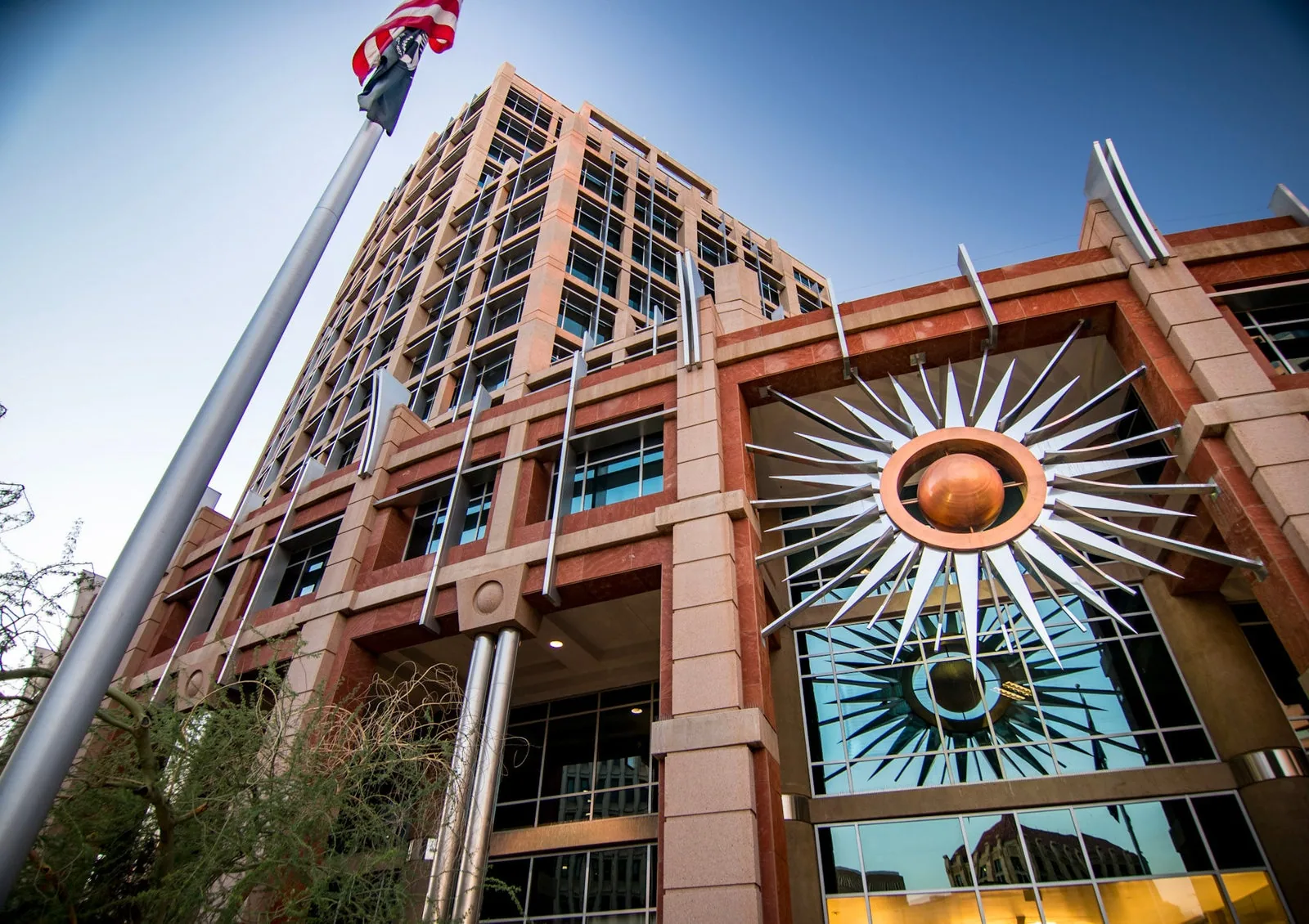
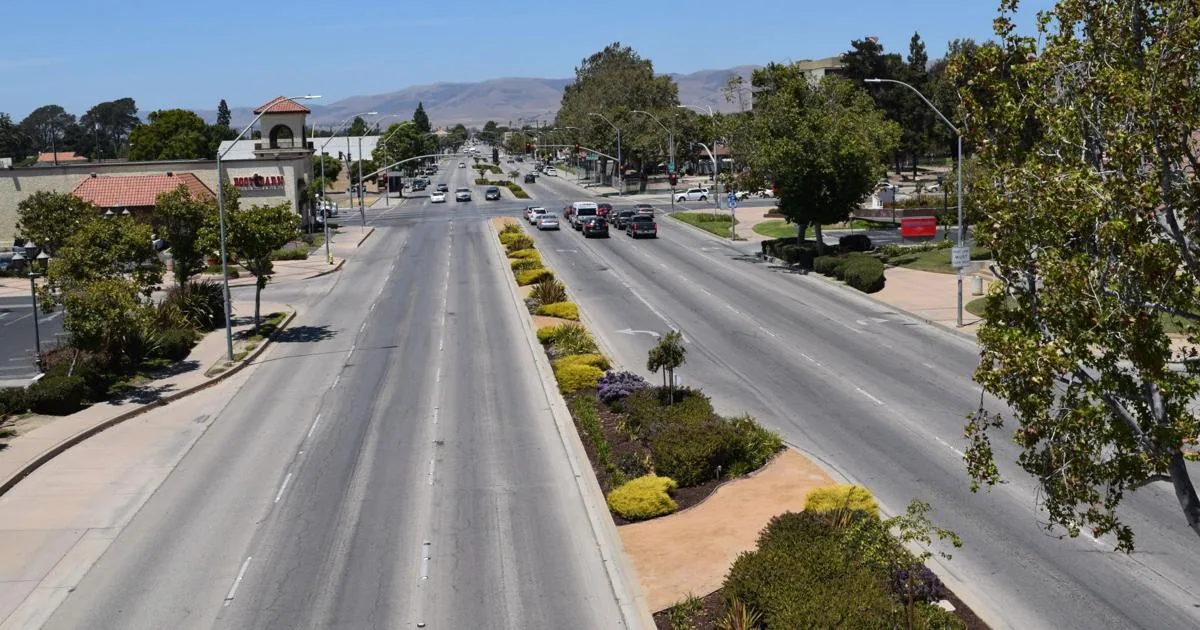
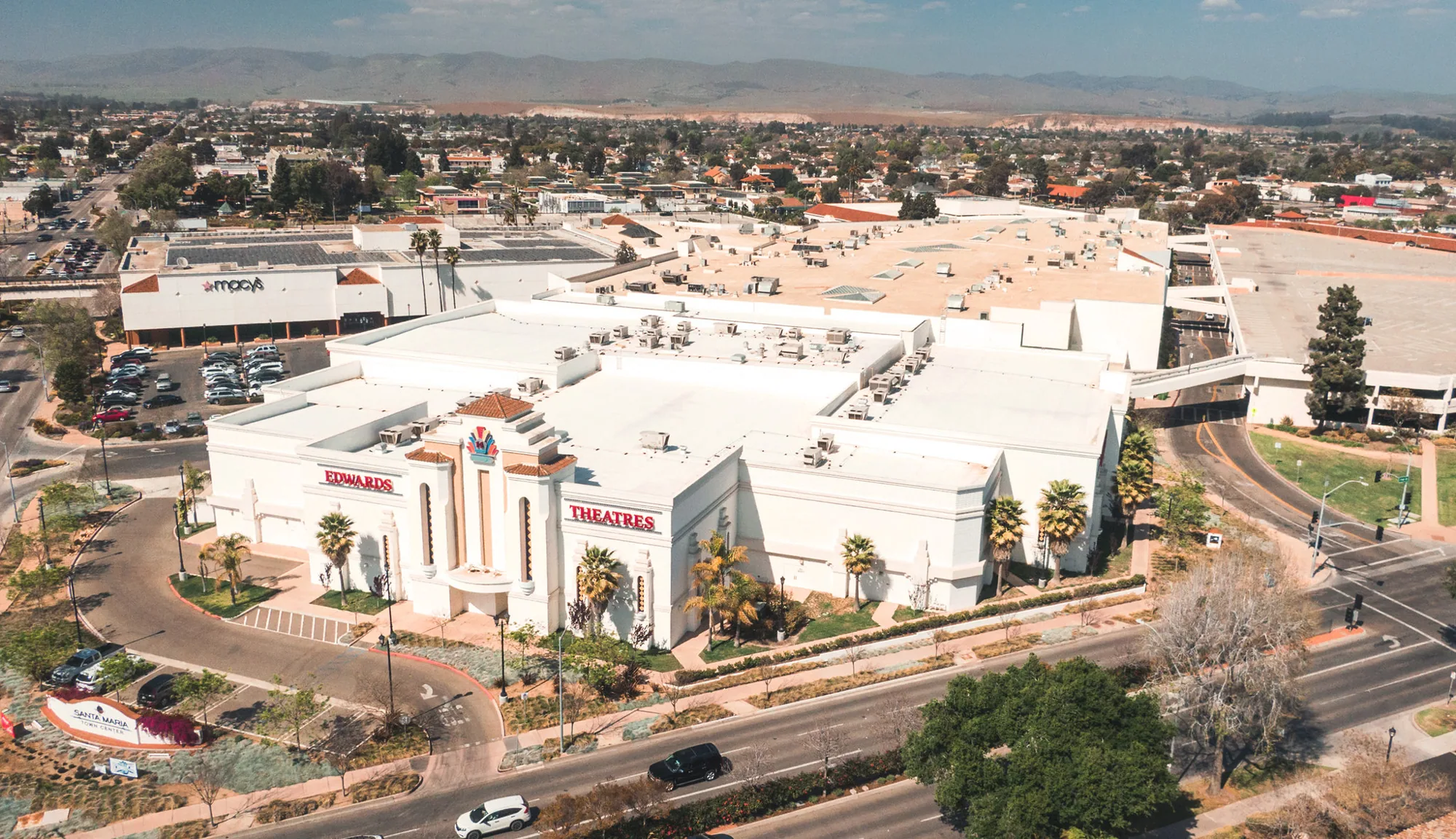
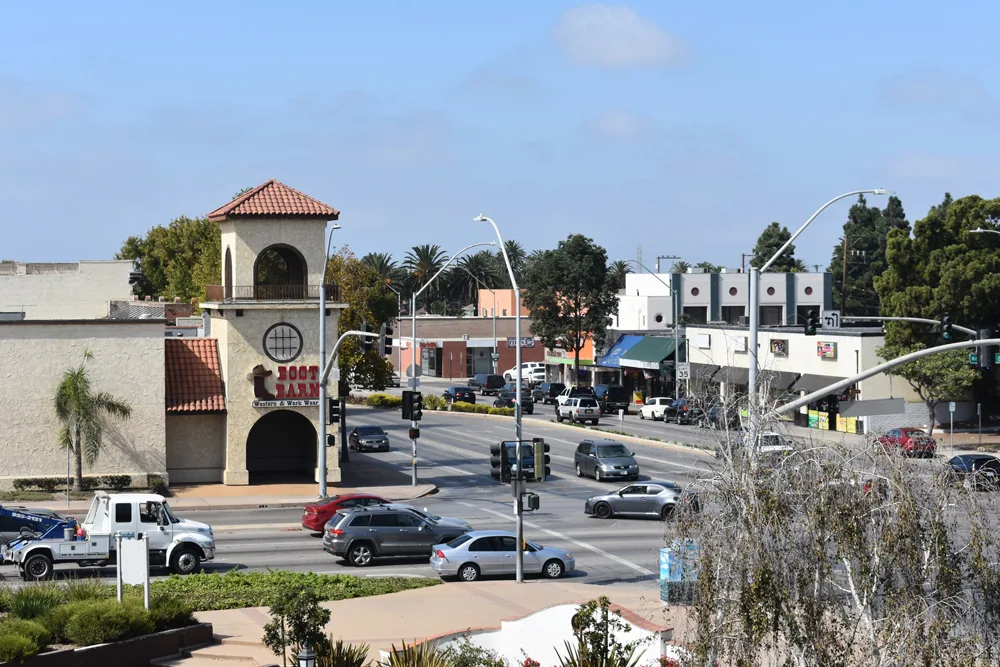
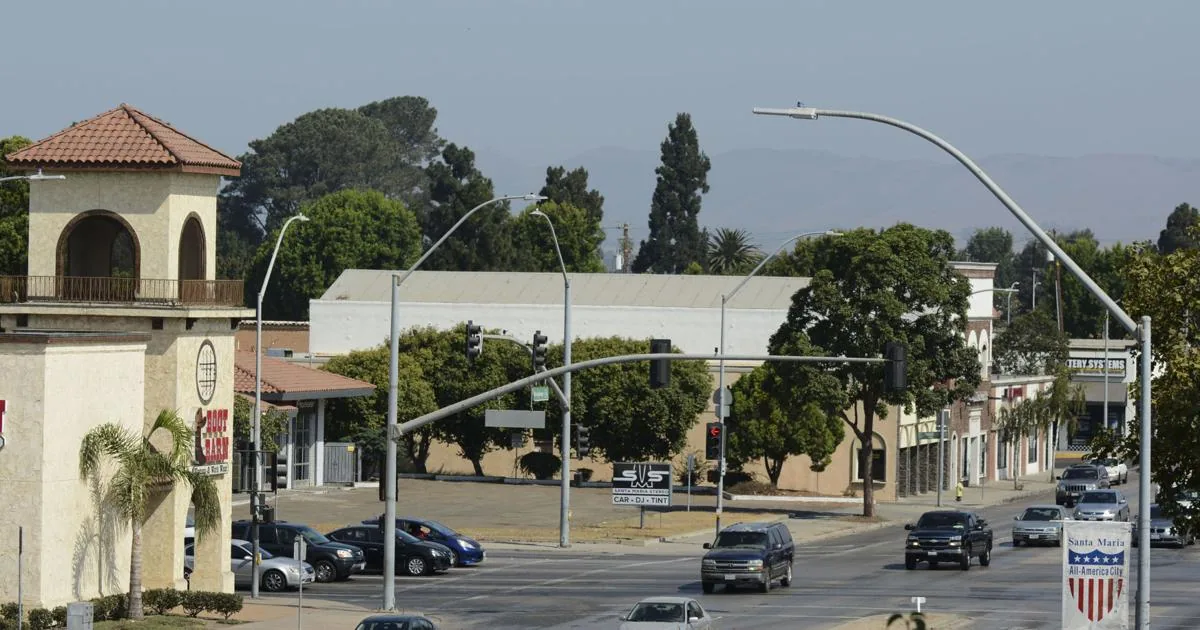
A split seal at a rooftop conduit can put a public counter or records room below the repair area. In Santa Maria, CA, we inspect the penetration, nearby seams, and drainage before setting the work boundary. The schedule must account for public entrances, staff routes, and any area that cannot be closed during service hours. We document the conditions we can see, then identify tests or access limits that could change the scope.
Government properties range from offices and meeting rooms to maintenance buildings and public-service spaces. We record the installed roof system, documented age, and observed condition as separate items. We verify the existing assembly and trace reports to the roof details that can move water, including drains, curbs, walls, and edges. A commercial roof inspection provides a roof-zone map and photographs that can support facilities planning before a repair or replacement is priced.
Inspection: connect the defect to the work area
A stain below a mechanical room can align with a curb, pipe boot, wall termination, or drain, but the closest roof detail is not always the entry point. We check the roof above and around the report, inspect accessible laps, and note where water could travel beneath the membrane. If a test cut is needed, the manager can arrange protection for the room and equipment below. The report separates observed damage from areas that were not opened.
We check the actual surface and roof layers before choosing a repair method. A moisture survey may help identify areas for follow-up testing, but a confirmed scope still depends on field inspection and any needed opening.
Drains, scuppers, overflow paths, edge metal, and expansion joints should be reviewed together where ponding or interior reports appear. For a new roof covering, city authorization includes a permit and an inspection before application; work advances after the written approval is issued. The drainage provision addresses water that remains for longer than 48 hours after rain; a site-specific review should connect the low area to the outlet and corrective scope. A drainage repair scope can be separated from a membrane patch when outlet capacity or slope affects the work.
Building context: preserve public access
We identify which entrances, counters, meeting rooms, loading doors, and accessible routes must remain open. The work zone may need a separate material route, barrier, or interior protection plan. If the roof is over a public lobby, staff can help select a period that limits disruption without assuming the building can close. We put those limits into the sequence so the crew knows where to stage and how much area can be opened safely.
At a civic facility around Downtown Santa Maria, we mark the entrance, public counter, loading point, and accessible path that must remain open through each phase. The Santa Maria Airport Business Park plan also allows public-facility uses among its employment designations. At the building, we confirm the roof detail and access limits before setting the work sequence. We confirm the actual building use, access restrictions, and security steps with the manager before the inspection or repair begins.
Public works and building operations may involve equipment, alarms, antennas, vents, and later trade visits. We check each curb and penetration for loose metal, split sealant, open laps, or movement at the base. If a mechanical or electrical crew needs roof access, we coordinate the timing before the flashing is closed. A roof visit in Downtown Santa Maria can record the surrounding access context, while the property representative confirms the building's own rules.
Repair options: document the boundary
A repair is suitable when sound membrane and substrate extend far enough to accept a compatible tie-in. The repair scope identifies the unsound area to remove, the verified tie-in boundary, and the detail that will restore continuity. If testing shows wet insulation or a weak deck beyond that area, we record what must be opened rather than cover it with a surface patch. The scope explains which finding supports the repair and which condition needs more investigation.
When several leaks recur in different roof zones, we compare repair history, moisture evidence, attachment, deck observations, and details that have moved. A replacement may be more appropriate when the existing layers cannot accept another durable tie-in or when wet materials are widespread. A replacement scope can define removal, dry-in limits, and access by section. A commercial office roof review may help compare occupied-space coordination. At another public facility, a school roof inspection also needs a clear entrance and work boundary.
For a public building, the written scope should identify staging, entrance protection, temporary cover, inspection holds, and the point where a work area returns to staff. We photograph concealed details before they are covered and mark repairs on the roof plan. If an allowance or test is required for a concealed condition, it remains separate from confirmed visible work. That gives the facilities team a clear basis for scheduling and records.
Timing: coordinate permit and occupancy holds
Do not release the covering stage until the required city permit is in place. At the pre-roof hold, the reviewer may assess structural condition, deck, drainage, existing layers, moisture evidence, and fire-retardant provisions. We place this hold in the project sequence before covering work starts. The facilities contact can align the inspection window with public hours, equipment access, and any interior area that requires protection.
Fog and rain affect surface preparation, adhesive work, and how much roof can be left open. We check roof conditions on the workday and set a dry-in boundary that can be secured before the crew leaves. If the surface is not ready, the area and sequence change.
Emergency calls can be answered around the clock, including holidays. We first limit active water entry, protect critical rooms, and record the temporary measure. Permanent repair follows after the roof detail and access route can be inspected. For scheduled work, a phased occupied-building plan can sequence sections around public service hours, while the manager keeps the entrance and work zone clear for each shift.
Maintenance: keep an accountable roof record
After repair, the facilities file should show the roof zone, photographs, materials, drain condition, and access limits that affected the work. We distinguish completed repairs from nearby details that were inspected but left closed. If a later report appears in the same room, the manager can compare its location with the prior map and ask for a focused check rather than assume the old repair failed.
Maintenance walks can review drain bowls, overflow paths, exposed seams, wall flashings, and curbs that receive trade traffic. New equipment work may disturb a roof detail, so the access record should include who needs to cross the roof and where protection is required. A roof condition report can help organize those observations for budgeting, permit files, or a future replacement decision without assigning an unsupported service life.
Commercial Roofing Questions
Can roof work proceed while a public counter stays open?
The entrance, roof zone, and interior room below determine the sequence. We coordinate barriers, material staging, noise periods, and daily dry-in with the facilities contact, then separate sections that can be secured independently.
What records should accompany a public building roof repair?
We provide a marked roof zone, photographs, the work performed, and any condition left for follow-up. The facilities team can keep those items with permit and maintenance records, along with access limits that affected the inspection.
When does a leak report justify a test opening?
A test is useful when concealed insulation, attachment, or deck condition could change the repair choice. We first inspect accessible edges and transitions, then identify the opening location and room protection needed before the manager authorizes that part of the scope.
How is a new roof covering scheduled in Santa Maria?
The project needs its building permit and the required pre-roof inspection with written approval before the new covering is applied. We include that review in the sequence, then coordinate staging, public access, and the daily dry-in boundary.
Related
Plan the next roof visit
Tell us about the building and what you are seeing on the roof. Request a roof assessment and we will set up a time to look at it.