Auto Dealership Roofing in Santa Maria, CA
Set a dealership roof inspection
Share the affected bays, customer routes, equipment access, and prior repair records. We will inspect the roof transitions and drainage, then document a repair or replacement scope around dealership operations.
Request a roof assessment or call 555-555-5555.
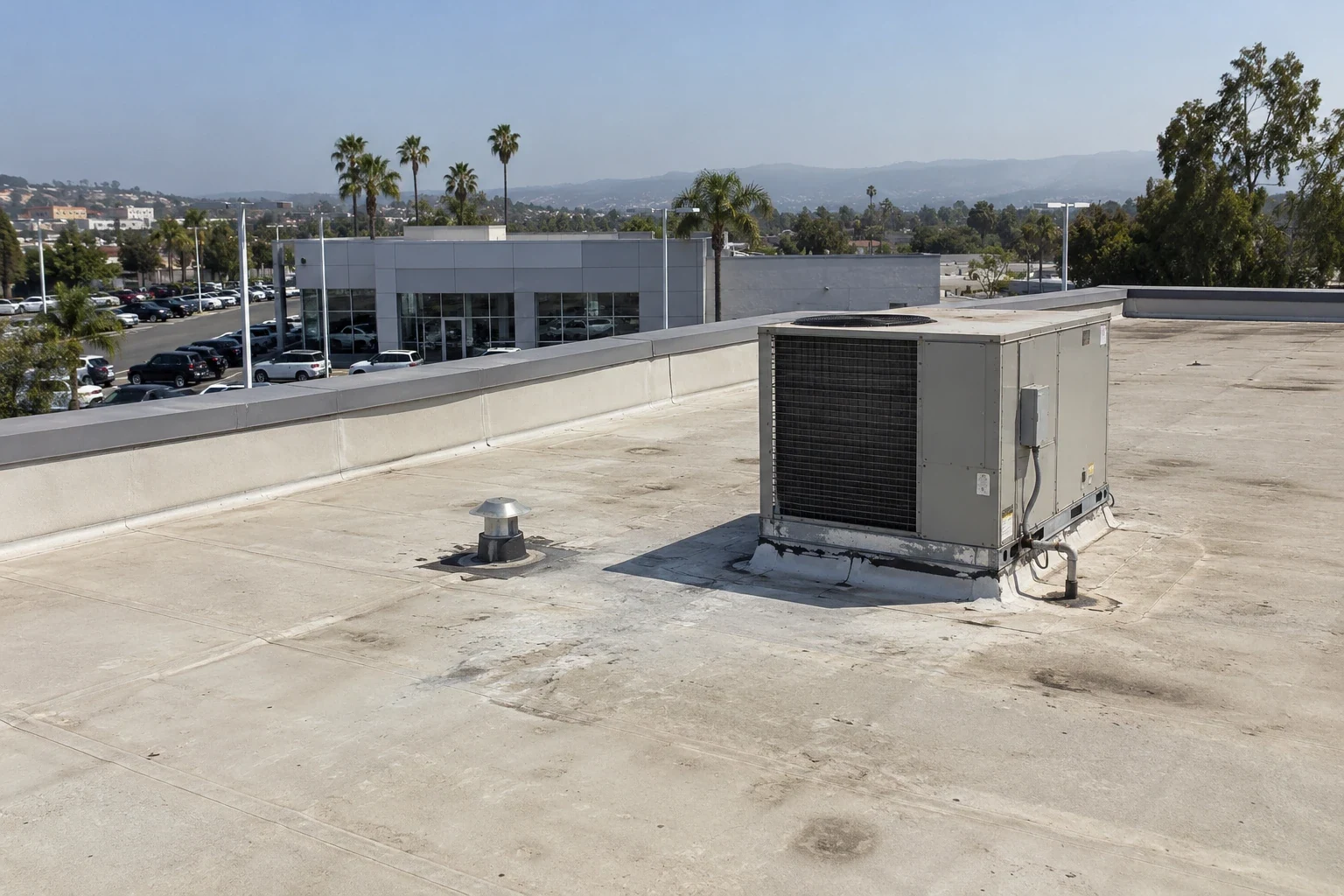
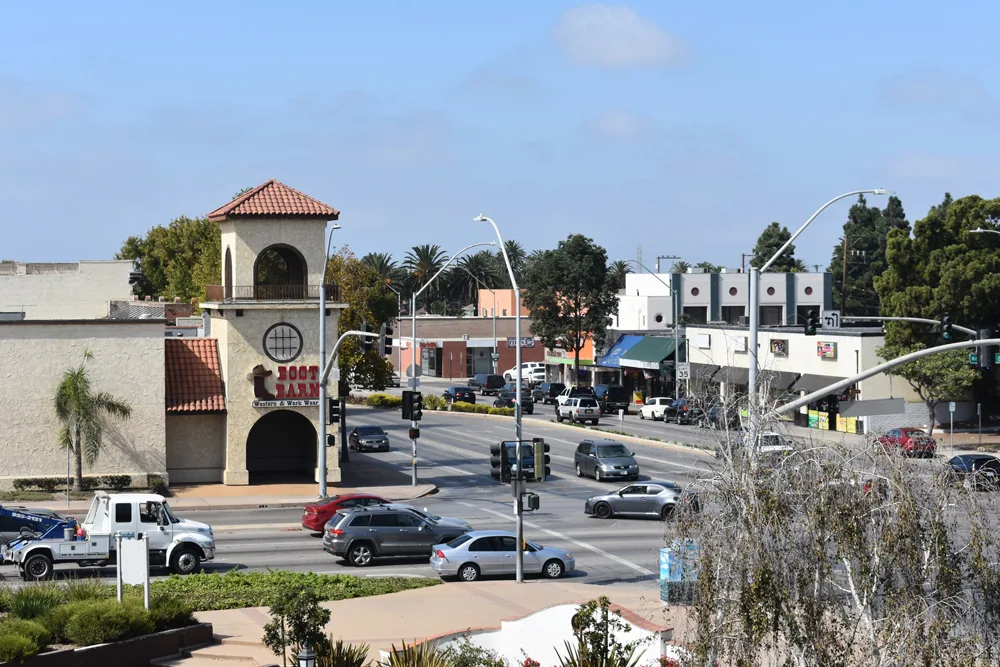
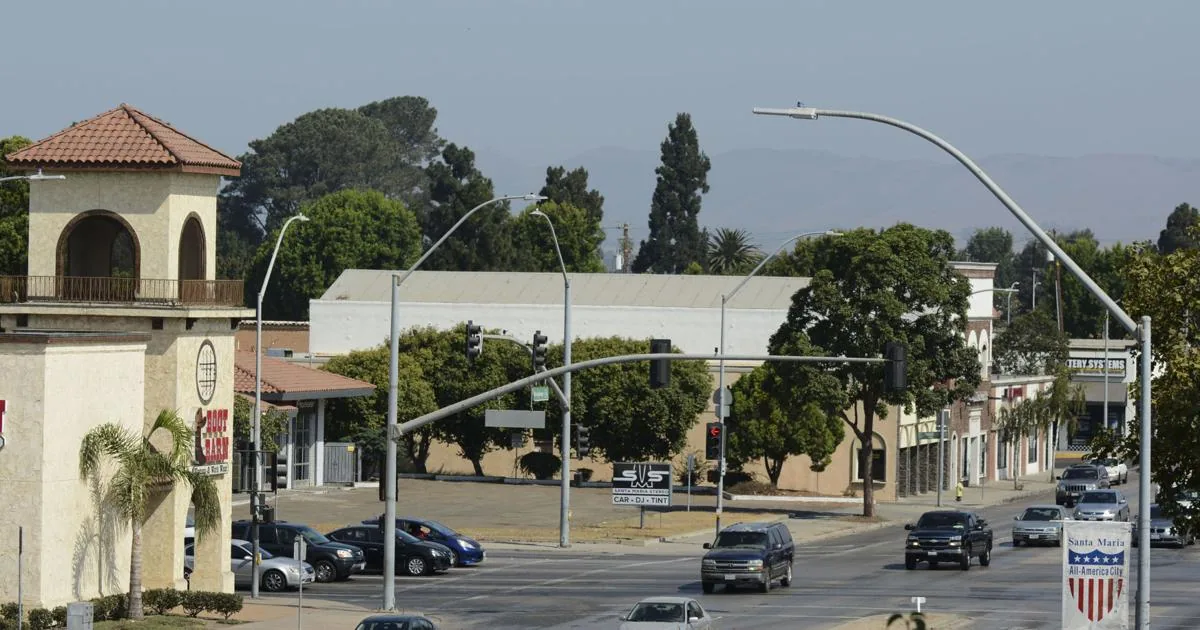
A lifted curb flashing above a parts counter can send water across a roof before it reaches a ceiling. In Santa Maria, CA, we inspect the penetration, nearby seams, drains, and wall edges before setting the repair boundary. A dealership may have a showroom, service bays, offices, and vehicle storage under separate roof areas. We identify which functions sit below the work and sequence access so the repair does not block the service route.
We record the installed material and observed condition during the roof inspection. We verify the assembly, trace the leak report, and check how each transition moves water. The City describes Enos Ranchos as including auto-related commercial uses alongside retail and office development; at each property, we verify roof assembly and access during the inspection. A commercial roof inspection can map observed conditions by zone before a repair or replacement is priced.
Inspection: follow the curb and edge
Service bays often have exhaust equipment, conduit, and roof penetrations that can change after mechanical work. We check curb corners, pipe boots, fasteners, and flashing laps for movement or openings, then compare those details with the interior report. A stain near a service lane may trace to a distant seam or wall termination. The inspection marks the tested detail and any concealed area that still needs an opening.
Drains and scuppers affect the whole repair path. We look for debris, loose rings, failed sealant, and membrane laps that interrupt flow toward an outlet. If water remains at a low point beyond 48 hours after rain, the local drainage rule calls for analysis and a corrective measure; we relate that condition to the shop's actual outlets. We keep an outlet or slope issue separate from a surface patch when they need different work. A drain and scupper repair can address a confirmed drainage detail.
We use actual surface and substrate conditions to decide when an adhesive or coating can be applied. If the roof is damp, we identify the preparation or timing change needed rather than close a seam on a surface that cannot accept the specified work.
Building context: keep the service lane moving
Before staging, we ask which service bays, vehicle lanes, customer entrances, and delivery points need to stay clear. A lift can affect shop access even when the repair is above the showroom. We agree on a material route, set barriers where required, and identify any work needing an after-hours window. If a roof opening is planned above occupied space, the manager can arrange protection with the affected department.
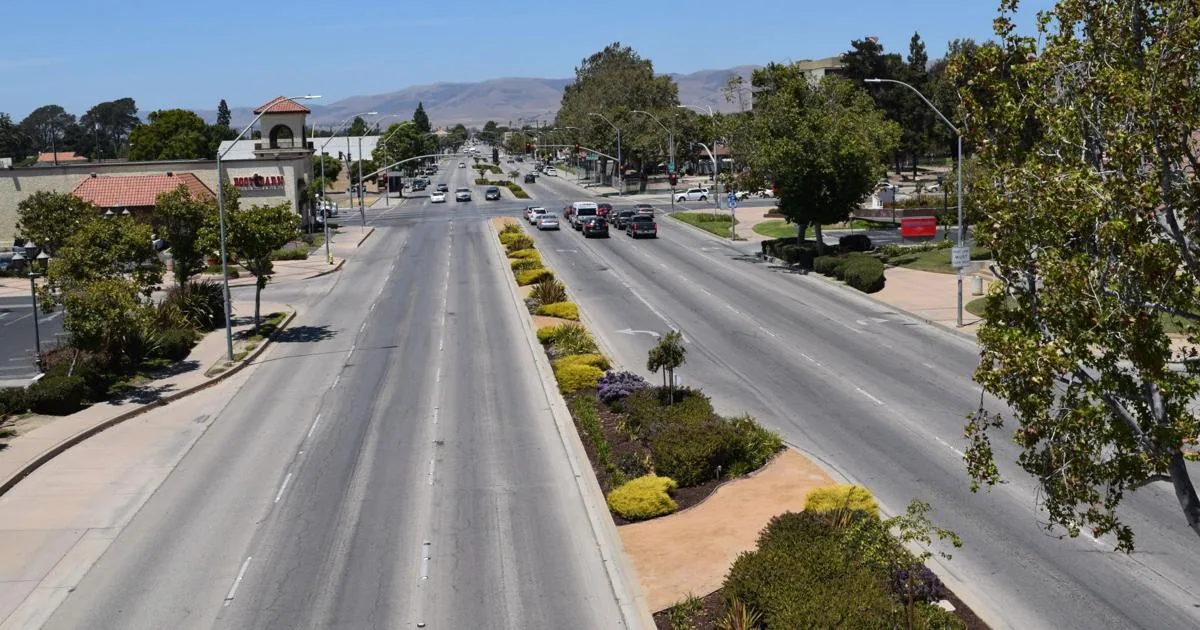
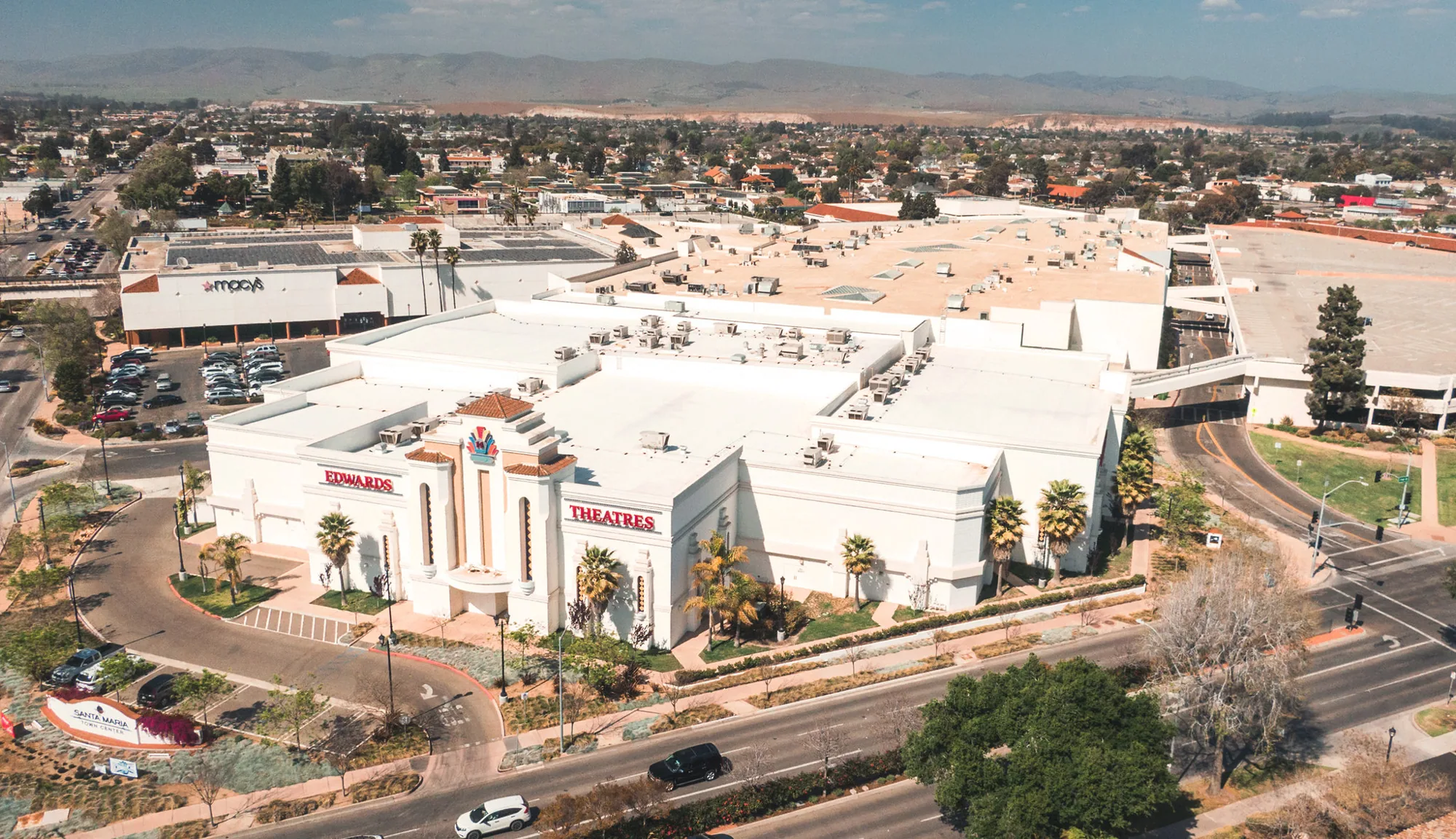
Enos Ranchos includes auto-related commercial, regional retail, and corporate office uses. Across Downtown Santa Maria and the city's industrial corridors, we coordinate service-lane access with the manager and keep customer routes separated from material moves. For each property, we confirm the operating route and roof access with its representative before staging material. We inspect the property to locate its actual service equipment, office transitions, and roof zones. A roof visit near College Drive and Battles Road can account for surrounding access, with site rules confirmed by the property representative.
Retail frontage can add canopies, parapets, glazing, and wall transitions that need different protection from the main roof field. We inspect edge metal, membrane turn-up, sealant, and drainage above the entrance. If a service door or showroom entry is below the work, debris control and overhead protection belong in the sequence. A retail roof assessment may address similar customer access, but each dealership scope follows its actual layout.
Repair options: keep unlike areas separate
A repair is limited to the area where sound membrane, metal, and substrate can accept the detail. We remove loose material as specified, prepare the surface, and tie new flashing into a stable edge. When a curb is moving or a deck is soft, a patch at the membrane alone may leave the cause in place. We document what requires correction and what needs further testing before those costs are included.
If leaks recur across a shop, office, and showroom section, we compare repair history and moisture findings before proposing replacement. A commercial office roof review can address tenant and staff scheduling in an adjacent section, while a roof-system choice depends on the actual deck, attachment, and existing layers. A PVC membrane review may be relevant around certain service conditions, but compatibility and project requirements determine whether it fits this roof.
Replacement planning identifies tear-off depth, temporary protection, material staging, dry-in limits, and any inspection hold. We divide work so the manager can keep the service lane or customer entrance open where practical. Each completed curb and wall transition is photographed before it is covered. A replacement scope can list separate roof sections and clarify where mechanical coordination or a test opening may change the sequence.
Timing: place the permit hold before covering
A permit must be in hand before the new covering phase begins in Santa Maria. City staff review the roof before application and issue written approval; their visit may consider the supporting structure, deck, drainage, existing assembly, moisture, and fire-resistance requirements. We put that inspection ahead of the covering stage. The property manager can coordinate the reviewer, shop operations, and access to roof areas without scheduling tear-off before the required hold is cleared.
Fog and rain affect surface preparation, seam welding, and temporary protection. We check the roof surface and substrate at the dealership before welding, coating, or applying adhesive. We choose a section the crew can dry in before leaving and keep customer routes away from the material path. When conditions shift, we adjust the size of the open area or move to a task that does not expose the roof.
Urgent leaks can be reported at any hour, including weekends and holidays. We first limit active water entry and protect the equipment, inventory, or interior area below. Then we photograph temporary measures and define the permanent repair. For an occupied property, a phased reroof plan can set daily limits and trade handoffs while the dealership remains in use.
Maintenance: record rooftop service changes
After a repair, we record the roof zone, curb or edge treated, materials used, photographs, and access restrictions. The manager can compare later service work against the same map. If a technician adds conduit, changes equipment, or opens flashing, we note whether the roof detail needs another inspection. A photo-based roof condition report keeps completed work separate from details that were visible but not opened.
Later walks can review drains, laps, fasteners, curb corners, and canopy transitions. Equipment service routes may concentrate foot traffic near one area, so walkway protection can be evaluated against observed wear. A maintenance visit should identify any water path or moving detail that warrants repair and leave unrelated roof areas out of the scope. We compare current photos with the prior repair map before setting the next work boundary.
Commercial Roofing Questions
Can roofing work continue while service bays remain open?
The manager and crew set the lift route, bay access, staging area, and dry-in boundary before work begins. We can divide the roof into sections and keep material or debris away from active vehicle lanes where the building layout allows.
How do you investigate a ceiling mark near a showroom?
We compare the interior location with roof edges, drains, penetrations, and wall transitions. Water can move beneath a membrane, so we inspect the likely path and identify a test opening only when it could change the repair scope.
What can change the price of a dealership reroof?
Tear-off depth, deck repairs, wet insulation, rooftop equipment, curb flashing, access, and required inspection holds can affect labor and sequencing. We separate observed work from concealed conditions that need testing so each change has a defined basis.
Does a curb leak always need mechanical shutdown?
Not every flashing repair requires equipment work, but a moving curb or active service connection may need coordination. We inspect the transition, identify which trade controls the equipment, and set a roof-work boundary that does not disturb connections outside our scope.
Related
Plan the next roof visit
Tell us about the building and what you are seeing on the roof. Request a roof assessment and we will set up a time to look at it.