
Commercial Roofing in the College Drive-Battles Road Commercial Area, Santa Maria, CA
Plan a roof walk around the building's operating hours
Provide the property identifier, access limits, current leak report, and available roof records. We will agree on the included sections, inspect the relevant transitions, and document the repair boundary and next approval needed before scheduling work.
Request a roof assessment or call 555-555-5555.
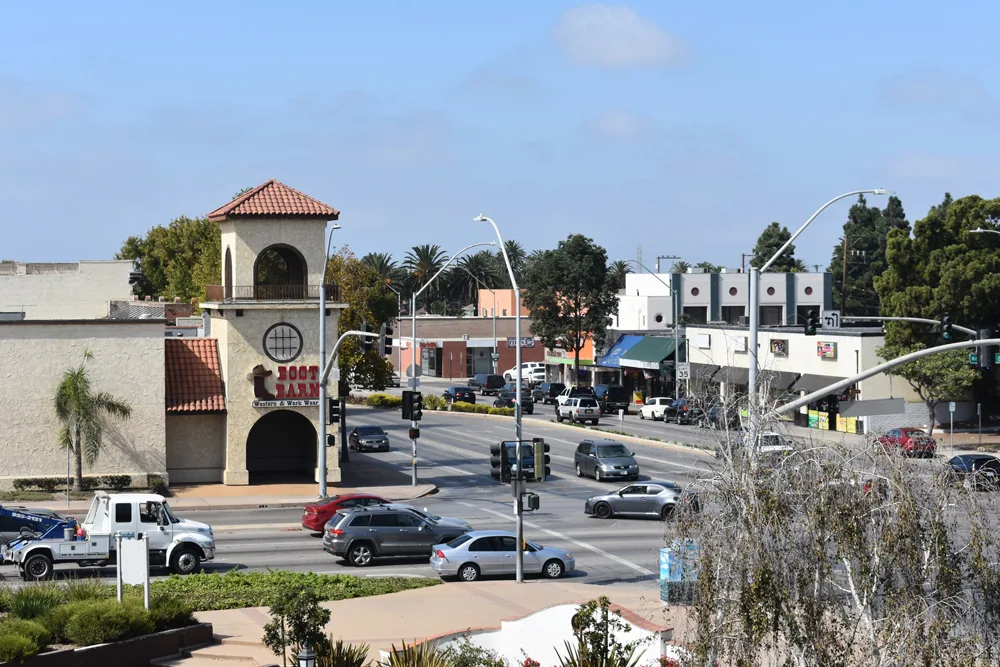
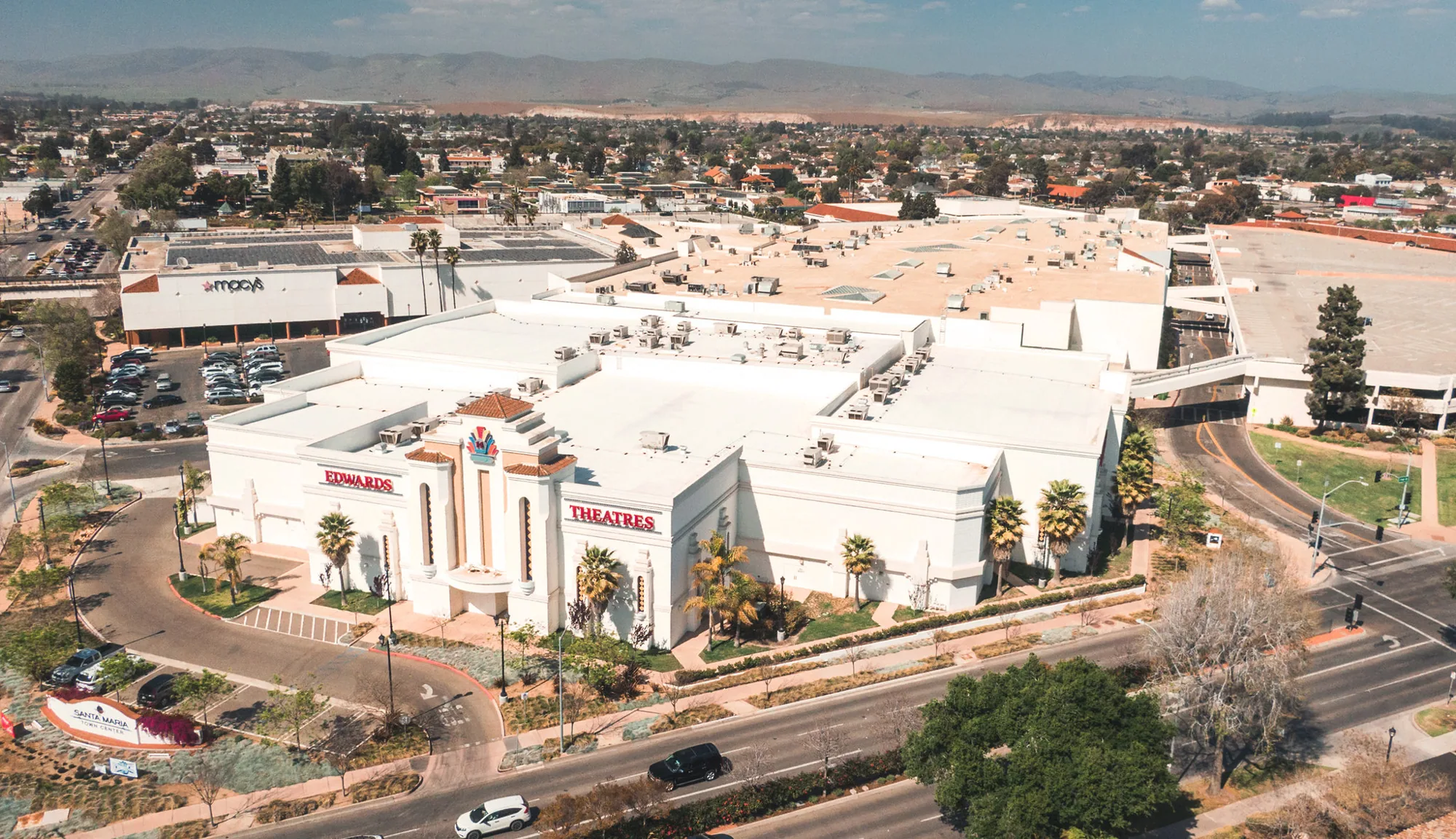
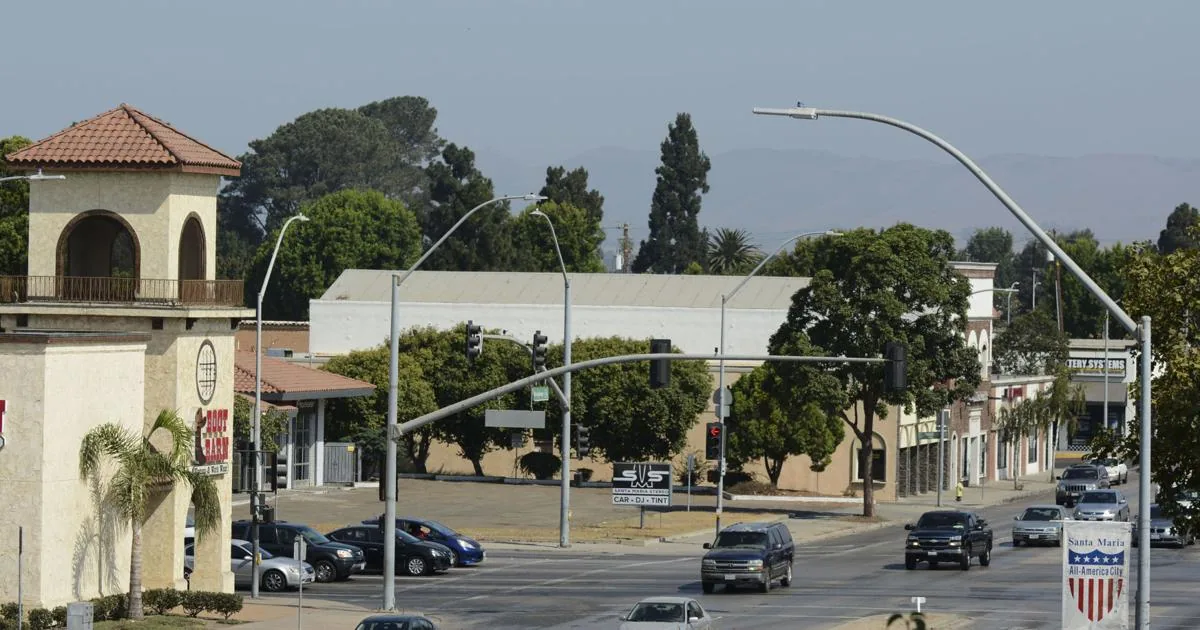
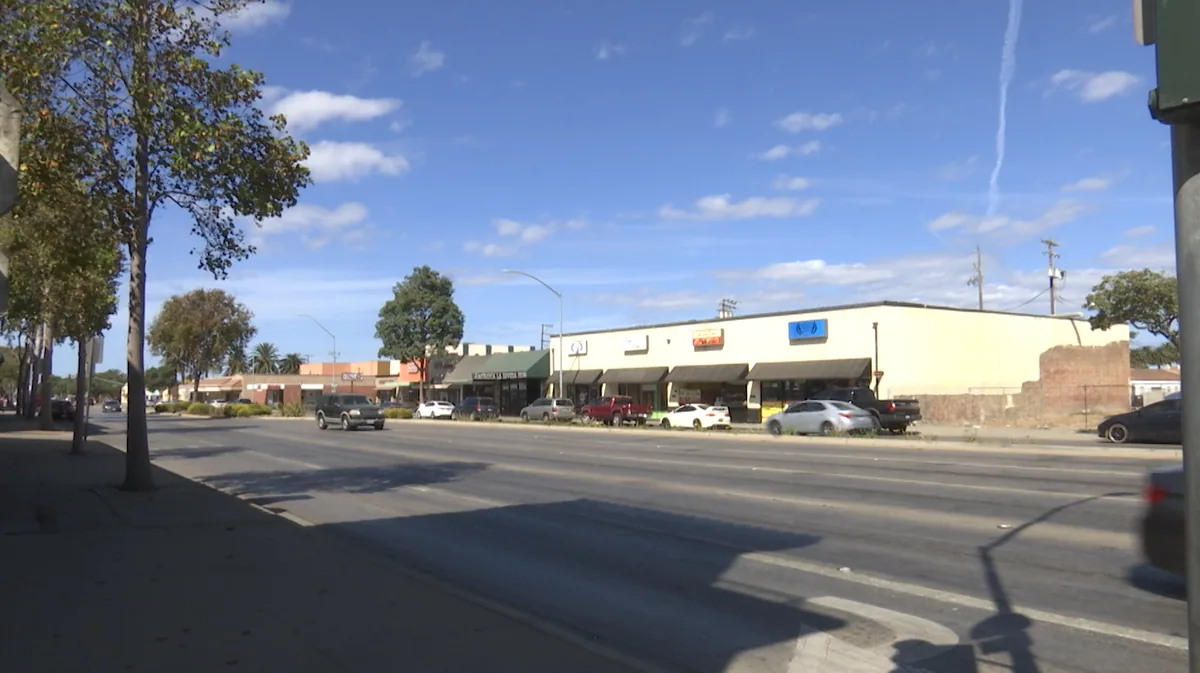
A curb flashing pulled from a wall can decide whether repair stays local or follows a parapet. Around College Drive and Battles Road in Santa Maria, we identify the property and roof section, then trace a leak through nearby flashings, laps, and drains. City records show commercial and auto-oriented projects near South College Drive and East Battles Road, distinguishing retail near College and Battles from nearby housing. At the property, we inspect the installed assembly and drainage before setting a repair boundary.
We ask the manager to show the interior concern and roof access. On the roof, we check the curb, wall termination, field sheet, and drainage, then mark what we saw. The work record names the roof section, includes wide and close views, and separates a confirmed defect from a suspected path. That helps a returning crew find the same spot without a verbal landmark.
The College-Battles commercial area fits within a wider Santa Maria service context. A roof in Enos Ranchos or Downtown Santa Maria needs an access map for its work zone. We keep those place files distinct and tie roof records to the specific property the manager identifies.
Inspection: trace the detail before setting the scope
We check the path that may connect defects. Near the report, we inspect wall flashings, equipment curbs, penetrations, laps, and drains. A split termination may be the entry point, or water could track from a higher detail. We record adjoining transitions and whether interior evidence aligns with the roof. If the path remains unclear, we identify what test would resolve it before setting the repair boundary.
Access and staging should fit the actual building. A manager may need to coordinate an escort, a tenant notice, a delivery window, or limits on equipment shutdown. Before bringing materials onto the roof, we confirm the approved route and the contact who can decide whether a test opening is allowed. If a roof section is outside the access plan, we document that gap so a limited inspection is not described as a complete survey.
NOAA's Santa Maria airport station sets its yearly rainfall normal at 13.32 inches for the 1991-through-2020 period. At the property, we inspect the actual drain route and roof surface before setting the repair boundary. When a manager reports water after rain, we pair the regional figure with a dated roof map and a fresh check of the drain route. A dark mark alone does not establish ponding, so we record the conditions needed for a follow-up decision.
A commercial roof inspection can organize photos, access limits, and follow-up. If a leak is active, a leak repair response can protect the affected interior and trace the likely entry path first. The visit record distinguishes temporary protection from completed work, then shows which roof areas need another review before a broader option is considered.
Repair options: define what gets opened and restored
Before repair, the manager should know what detail will be opened, how the tie-in will be restored, and what may change. We describe the membrane or metal, preparation, nearby conditions, and approved edge. If water may be beneath the surface, we identify whether a reading or opening is needed before selecting a method. The boundary follows roof evidence, not just the room where a stain appeared.
Santa Maria requires a permit for new roof-covering work and written approval after a pre-roof inspection. The municipal review can address the supporting structure, deck, drainage, how the existing covering is attached, wet insulation, and fire-retardant matters. We plan those steps with the manager when the proposed scope qualifies, and keep the record with that property rather than treating an inspection at another site as transferable.
Where the defect is limited and nearby materials support a tie-in, a defined repair may address it. Broader wear or uncertain attachment calls for a comparison of repair, recover, and replacement with the roof's evidence in view. A drainage review can record low points and flow paths, while a condition report keeps observations and unresolved questions together. We explain what each option includes and which roof sections remain outside the proposed work.
Timing: coordinate occupants and dry-in
We confirm the allowed hours, access route, staging location, and how the building will remain weather-tight if an unexpected condition extends the repair. The manager should identify any occupied room, process, or equipment below the work area and the person who can approve a revised sequence.
NOAA's KSMX record averages 62.4 heavy-fog days a year across 42 years. We check the roof surface on the scheduled workday before bonding or coating begins. Before bonding or coating, we check the roof surface and substrate and record conditions affecting preparation. If the method cannot proceed, we set a hold point and revise timing instead of rushing the application.
For a new covering, the permit, pre-roof inspection, written approval, and any required drainage review should be placed on the schedule before installation. We identify who will arrange each step and what information the owner needs from us. If wet insulation or a drainage concern appears, the sequence pauses at the decision point so the assembly is not closed before the scope is resolved.
Maintenance: retain the repair history by roof section
At closeout, we record the repaired detail, materials, visible tie-ins, dated photos, and any area outside the approved work. A later visit can compare the same termination or drain instead of repeating discovery. If the repair needs observation after rain or equipment service, the file states what to inspect and who will arrange it. The record keeps completed work separate from an open follow-up.
A maintenance visit can update the property file. For a roof in Rivergate-Roemer, we map its drains, access route, and repair boundary separately. Before scheduling, send the building identifier, leak report, access rules, and available plans. We will confirm included sections and identify any test or owner decision needed before broader work is priced.
Provide the property identifier, operating hours, access limits, current leak report, and available roof records. We will confirm the included sections, inspect the relevant transitions, and document the repair boundary. Closeout will identify the next approval or test needed before permanent work is scheduled, giving the manager a clear handoff for the crew.
Commercial Roofing Questions
What should I send before a roof walk near College and Battles?
Provide the site identifier, available roof drawing, leak area, repair history, access rules, and the person who can approve testing. Add occupant or equipment limits. We map the zones included in that visit and identify anything unreachable under the approved plan. The manager can then decide whether a second walk is needed before the repair scope is priced.
Can a curb flashing leak be repaired without replacing the roof?
It may be possible when inspection shows a localized defect and the surrounding assembly can take a sound tie-in. We check adjoining laps, substrate, and any recurring movement before setting the boundary. If evidence points wider, we describe the added review before comparing options, so a local curb repair is not priced as a full-roof solution without support.
What happens if wet insulation is found during reroofing?
The condition should be documented and reviewed before the assembly is covered. Santa Maria's pre-roof inspection considers wet insulation along with structure, deck, drainage, attachment, and fire protection. The manager needs a decision on the affected section and revised work sequence before installation continues. We keep unresolved areas visible until the owner approves how they will be handled.
Do weather statistics set the repair date?
No. Station records provide context, not a forecast for the workday. We check the roof surface and substrate before preparation or bonding. If conditions do not meet the specified method, work pauses until the manager and crew agree on a workable sequence. The timing record identifies what changed and when the roof can be checked again.
How do you document work on a multi-section roof?
The closeout names each included roof zone, repair boundary, materials, dated photos, and outstanding items. A section not accessed or authorized remains identified separately. A future inspection can use the same identifiers to compare conditions without assuming the earlier scope covered the entire building. That helps the manager assign follow-up to the correct roof area.
Plan the next roof visit
Tell us about the building and what you are seeing on the roof. Request a roof assessment and we will set up a time to look at it.