
Wind Damage Roof Repair in Santa Maria, CA
Set a wind-damage roof walk
Share the roof area, reported event, interior symptoms and access limits. We will inspect the affected edge or seam, photograph the condition and document the repair boundary before pricing permanent work.
Request a roof assessment or call 555-555-5555.
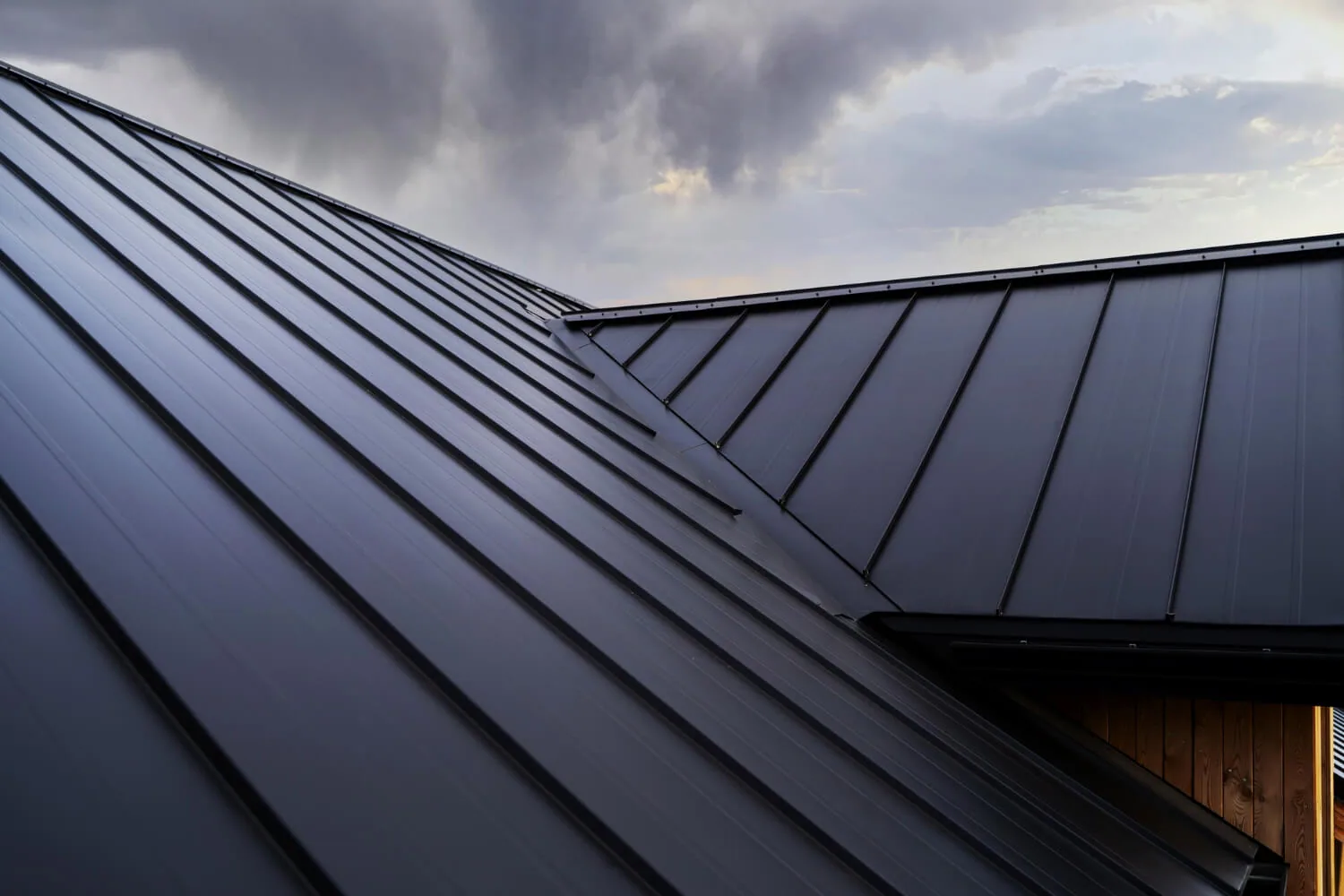
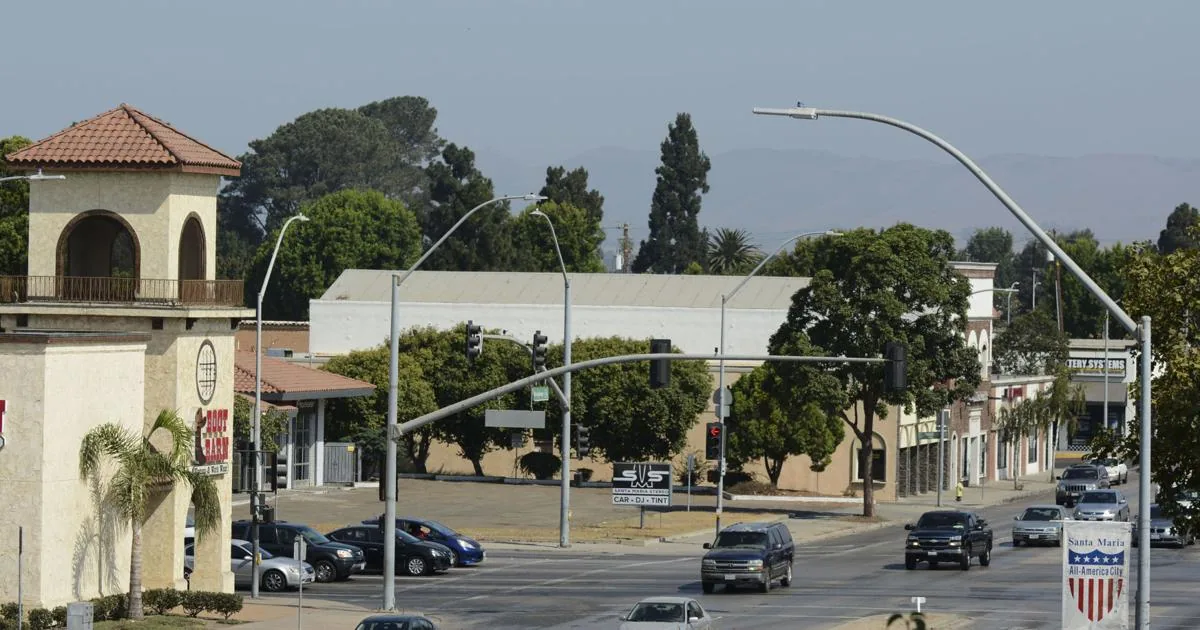
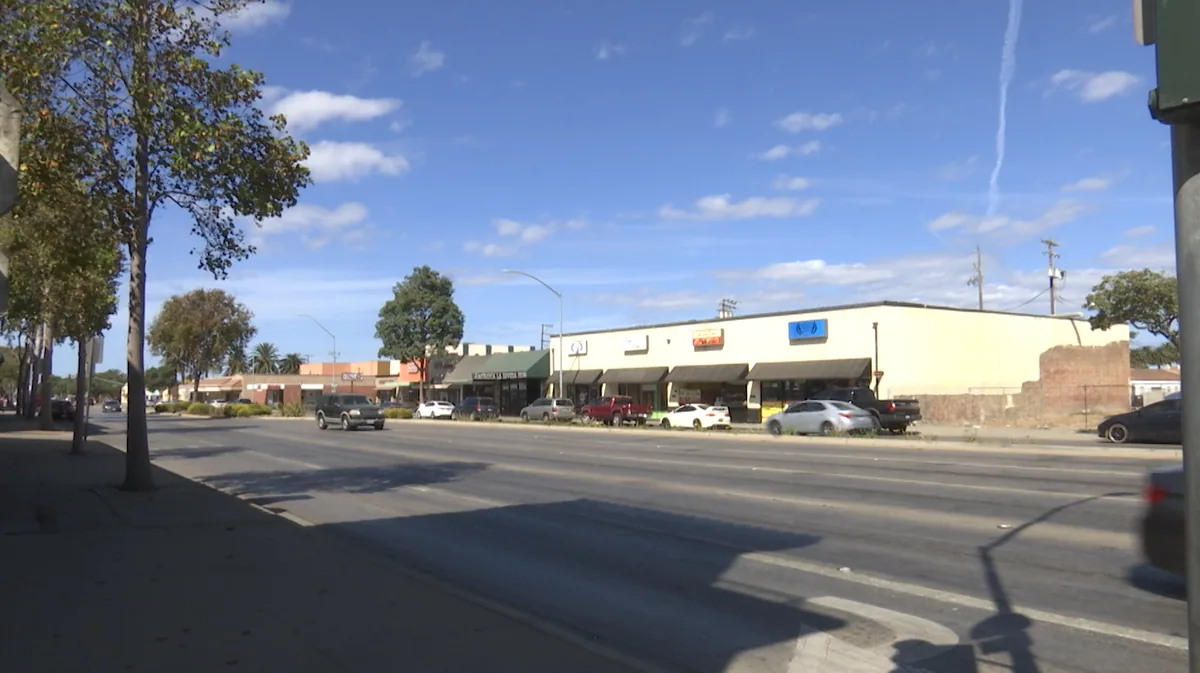
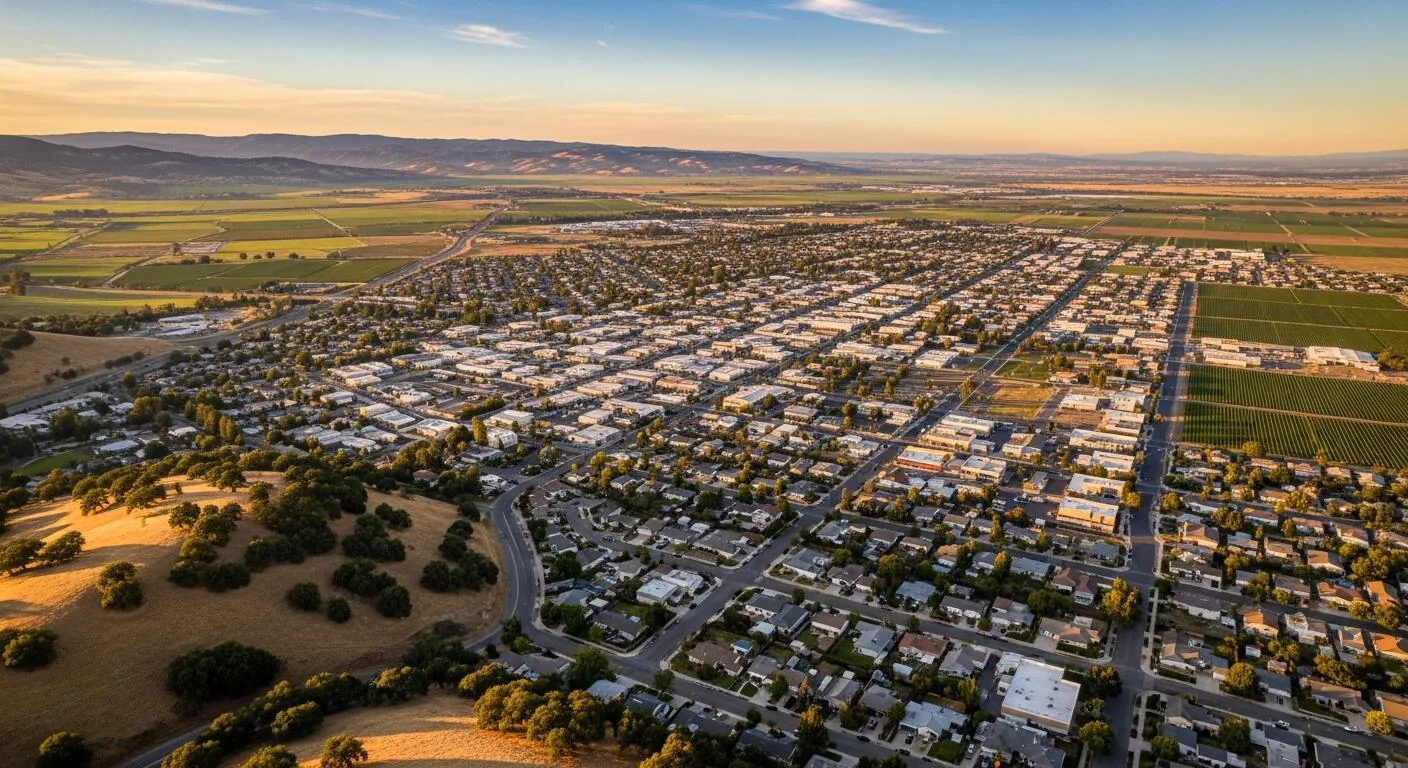
A metal edge pulled away from its fasteners changes the repair sequence. We check the perimeter, membrane termination and nearby seams before deciding where a wind repair can end. Wind can lift a loose section and leave the roof surface looking mostly intact, while the termination beneath it has lost its hold. A clear repair boundary keeps the scope on the affected assembly and shows the manager when a wider attachment review is needed.
For a Santa Maria property, the first visit records the reported event, roof area, exposed material and access limits. We photograph the edge and field sheet, note any interior leak or displaced rooftop item, then separate temporary dry-in from permanent work. A written scope identifies what needs immediate protection, what can wait for dry conditions, and what requires opening the assembly to check deck or insulation. Our storm damage inspection can document related roof conditions for the owner's records.
Inspection: follow the lifted detail
A wind-related opening often begins at a termination, corner, edge-metal joint, curb or seam that already had movement. We follow the loosened material back to a point that remains attached, checking fasteners, plates, welds, adhesive and substrate. If a sheet has folded or stretched, pressing it flat can hide a split. We mark the damaged area, compare it with adjacent details, and decide whether the repair needs a local patch, a new termination or broader attachment review.
Santa Maria's KSMX airport station lists a 1991 to 2020 annual precipitation normal of 13.32 inches, while its 2023 total was 21.52 inches. We log the manager's event timing beside the lifted edge, displaced material, and any interior report. Water entry after a wind event is a practical concern: a loosened edge can admit rain, and a leak may appear away from the opening. We inspect the interior report alongside the roof surface and note where the path remains uncertain. A flashing repair or seam repair may be needed when those transitions opened with the edge.
Repair options: restore the attachment
A sound repair depends on the roof type and how far the material has moved. On a single-ply membrane, we may remove a loose or distorted section, prepare the surface, and install a compatible patch with a continuous welded or bonded edge. Metal roofs call for inspection of clips, fasteners, panel laps and flashing. At a parapet, the repair may involve the termination bar, coping or counterflashing rather than the field membrane. The proposal states which layers are included and where a separate metal or carpentry trade may be needed.
We do not price an edge repair by length alone. Access, height, substrate condition, damaged insulation, replacement metal and protection of occupied space can change the work. If the same attachment detail repeats across a roof, we inspect enough representative locations to identify whether the problem stops at one corner or follows a broader pattern. Our edge-metal review helps define coping and perimeter work, while the installed TPO system or other assembly determines appropriate membrane preparation and tie-in.
Building context: keep operations in the sequence
At a manufacturing or airport-service building, roof-edge access can overlap with loading, equipment movement or controlled work zones. Santa Maria's Airport Business Park plan allows airport services, light industrial, research, manufacturing, commercial and public uses. Area 9's plan includes manufacturing, offices, warehouses, equipment repair and agricultural packing or processing. Those land-use records describe permitted and planned uses, not an individual building's roof. We confirm the actual work area, lift route, escort rules and operating schedule with the property contact.
A repair crew needs a stable staging location, safe roof access and a way to keep tools and removed material clear of operations. Enos Ranchos has retail and office uses, while the West Stowell plan allows warehousing and equipment service. We confirm each property's access limits and operating schedule before setting the repair date. If rooftop equipment is involved, our curb and support inspection can identify whether a shifted unit or loose service line contributed to the damage.
Timing: protect first, bond when ready
A temporary cover can limit water entry while a permanent repair waits for a dry, prepared surface. We identify how temporary material is secured, where water can drain and which area still needs a lasting tie-in. A cover that blocks a drain or hides another loose edge creates a new problem, so the work note identifies its limits and the return visit needed. Emergency response is available around the clock, including weekends and holidays, for conditions that need immediate attention.
NOAA's KSMX record averages 62.4 heavy-fog days in its listed period. We check the surface at the building, follow system requirements for preparation, and schedule bonding only when the substrate is ready. Emergency response can stabilize an opening, with permanent repair documented as its own scope.
Documentation: show what the repair covers
After the work, we photograph the repaired area, nearby attachment points and any condition outside the approved scope. Closeout records material, preparation, tie-in and inspection. If opening reveals wet insulation or a soft deck, we stop at the agreed boundary, document it and price added work for approval.
An insurance file can include dated photos, a roof-area mark-up, the repair scope and event details supplied by the owner. We distinguish observed damage from possible causes, since station records do not prove conditions at a particular building. The claim documentation package keeps findings clear for review.
Cost: identify the factors before mobilizing
Wind repair cost follows the work needed to restore a secure, compatible assembly. A reachable corner with sound substrate may need limited material and labor. A long loose termination, brittle sheet, damaged edge metal, wet insulation or restricted lift access changes the scope. Roof height, occupant protection, disposal, after-hours scheduling and trade coordination also affect time on site. We list those drivers in the proposal and separate urgent dry-in from permanent repair so the owner can authorize each step.
Near the Airport Business Park, pricing follows the assembly and the damaged area actually included. For travel planning, crews can use the airport-side route into central Santa Maria and onward toward Highway 1; the site contact still confirms the gate, staging point, and any controlled access. If one edge has failed more than once, we inspect related transitions before recommending a broader scope.
Commercial Roofing Questions
What should the first wind-damage visit establish?
The first visit should establish where material moved, how far sound attachment continues, and whether water entered the assembly. We photograph the exposed detail and mark the repair boundary. If the damaged edge repeats elsewhere, we identify the additional locations that need review before pricing a larger scope.
Can a loose perimeter be repaired without replacing the roof?
A local repair is appropriate when the surrounding membrane, fasteners and substrate remain serviceable. If the edge detail has failed across several runs or the sheet has become brittle, we document the broader condition and compare repair with replacement options.
How do you keep rain out before a permanent repair?
We can install temporary protection that sheds water without closing a drain path or covering a second defect. The work record identifies the temporary material and the condition that must be checked at the return visit. The permanent tie-in follows after the surface and substrate are ready.
What goes into a wind-damage claim file?
Dated photographs, a roof-area mark-up, observed damage, repair method and open questions make the file useful. We can organize those findings for review, while the owner supplies event and policy information. A weather station record is context and does not prove what occurred on a particular roof.
Will the repair include rooftop equipment that moved?
The scope includes roofing work at the equipment curb or flashing when that detail is part of the observed damage. Re-setting or reconnecting a unit may require its service contractor. We identify that boundary before mobilization so roof work and equipment work can be coordinated.
Plan the next roof visit
Tell us about the building and what you are seeing on the roof. Request a roof assessment and we will set up a time to look at it.