
Commercial Storm Damage Roof Repair in Santa Maria, CA
Request storm damage roof service
Tell us when the event occurred, where water entered and what temporary work is in place. We will coordinate safe access, record affected zones and define the permanent repair decision.
Request a roof assessment or call 555-555-5555.
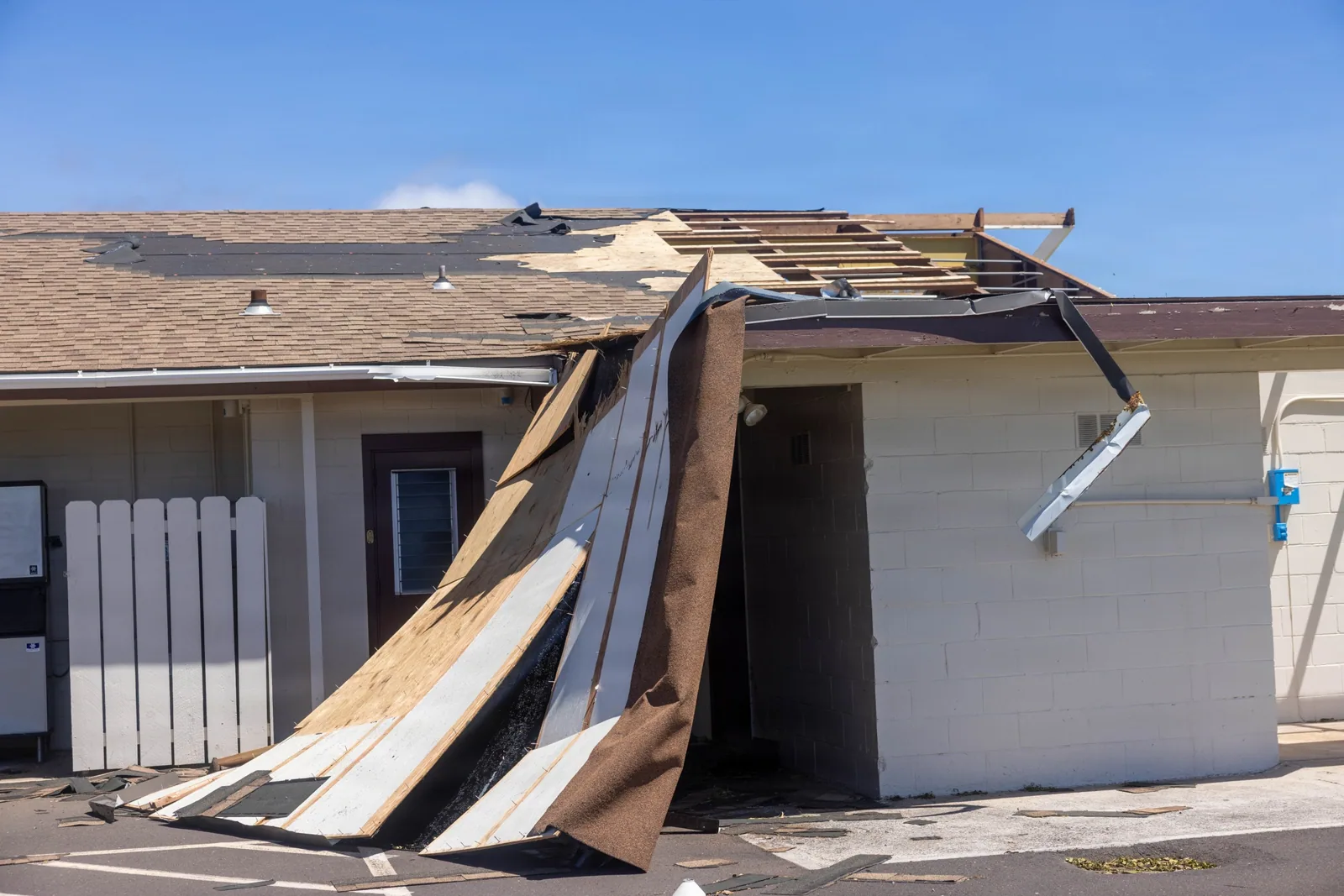

After wind or heavy rain, the first task is to protect people and contents while determining which roof areas are actually affected. We ask when the event occurred, what rooms or equipment are at risk, and whether any temporary cover or prior repair is already in place. From a safe access point, the crew checks roof edges, seams, penetrations, drains and visible impact areas, then records the condition before disturbing it. We record event timing, interior reports, and safe roof observations before deciding which areas need temporary protection. The emergency response covers immediate protection; a later inspection can define permanent work.
Make the area safe before opening the roof
A wet ceiling, falling material, energized equipment or exposed roof edge can change the order of work. We coordinate with the property manager to restrict the affected room, move stock if needed and identify an interior contact. The roofing crew does not enter a hazardous area until the owner confirms that building systems and access are safe. From the roof, we look for displaced metal, lifted membrane, punctures, loose coping, damaged flashing and blocked drainage. Photos include the wider roof zone and close detail so the owner can compare the initial report with later repairs. Once safe access is cleared, we compare the first roof photographs with the interior report and mark each affected zone on one map. Debris, punctures, displaced flashing, and lifted seams receive separate labels. If a source cannot be reached, the record states which access, weather, or electrical condition prevented inspection and when the manager can release a follow-up. That keeps temporary work and permanent pricing tied to evidence from the same location. If water is still entering, temporary material is installed only where it can be secured without trapping runoff. The wind damage scope separates observed roof conditions from what still needs testing.
Weather record: build a repair chronology
Across calendar 2023, precipitation at the KSMX airport station totaled 21.52 inches; its highest daily maximum reached 101°F. The station's 1991-2020 annual precipitation normal is 13.32 inches. We compare these climate records with the owner's event timing, photos, maintenance log, and roof inspection to build a dated repair chronology. Fog can also leave a surface damp during a repair window, so crews confirm actual dryness before applying a primer or adhesive. Any weather delay is documented by roof zone, allowing management to understand why permanent work must wait rather than assume an initial cover completes the repair.
Limit temporary protection to a defined area
A temporary patch should keep water away from the building without creating a second drainage problem. We identify the suspected opening, the nearest drain path and the direction of runoff before placing a cover. The repair record states what material was used, which seam or penetration remains exposed, and when a permanent detail should be installed. If the original defect is concealed or the deck condition is unknown, we explain what an approved opening can determine. A wide tarp may shift in wind or direct water under a nearby lap, so it needs a secure edge and an inspection plan. We document temporary stabilization separately and set the return conditions for permanent work. The leak tracing visit can follow the path when water appears far from its entry, and the drain review checks outlets that must remain open.
The owner can preserve a useful event record by keeping the first photos, noting when interior conditions changed and saving receipts for emergency protection. We add roof-side photographs after safe access is available, using a plan grid or clear location label. If debris is present, we photograph it before removal when safe, then document the cleared area and any puncture or displaced material beneath it. The dated construction record helps the owner and insurer compare what was observed at each visit. The roof plan should identify areas the crew could not reach because of standing water, electrical hazards or a closed tenant zone. A later inspection can then return to the same location instead of assuming the remaining roof was clear. If more than one contractor performed temporary work, each handoff should state the material installed and whether an exposed edge remains. We keep those facts in the construction record so permanent pricing can account for the current condition without assigning an unsupported cause..
Price the permanent repair by roof system
Once the assembly is identified, a permanent scope can name the appropriate repair. A punctured single-ply sheet may need compatible membrane and a sound welded or bonded perimeter. Metal panels require attention to fasteners, seams and movement; flashing around a curb cannot be treated like a flat field patch. Modified-bitumen repairs may require reinforcement and material compatible with the existing surfacing. We record visible wetness, displaced layers and any deck condition that needs a separate decision. The proposal should distinguish known work from any allowance for concealed damage. Santa Maria requires a permit before applying a new roof covering, and the City’s reroofing rules include a pre-roof inspection and written approval. If damage crosses several zones, replacement assessment can compare local repair with broader removal.
Coordinate with the business below
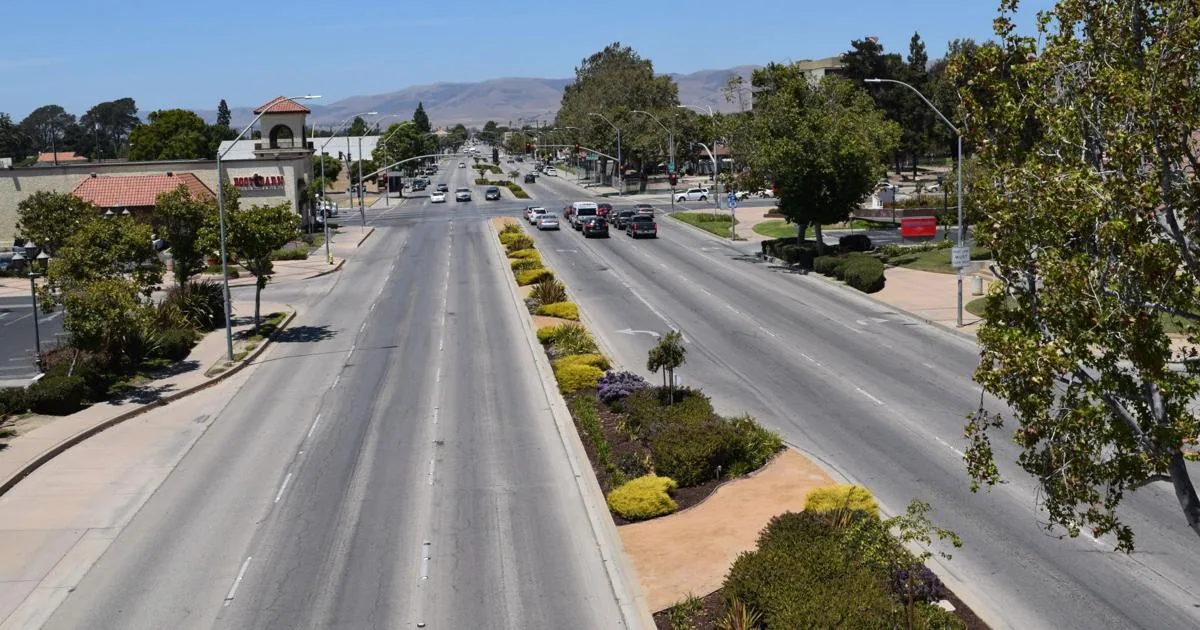
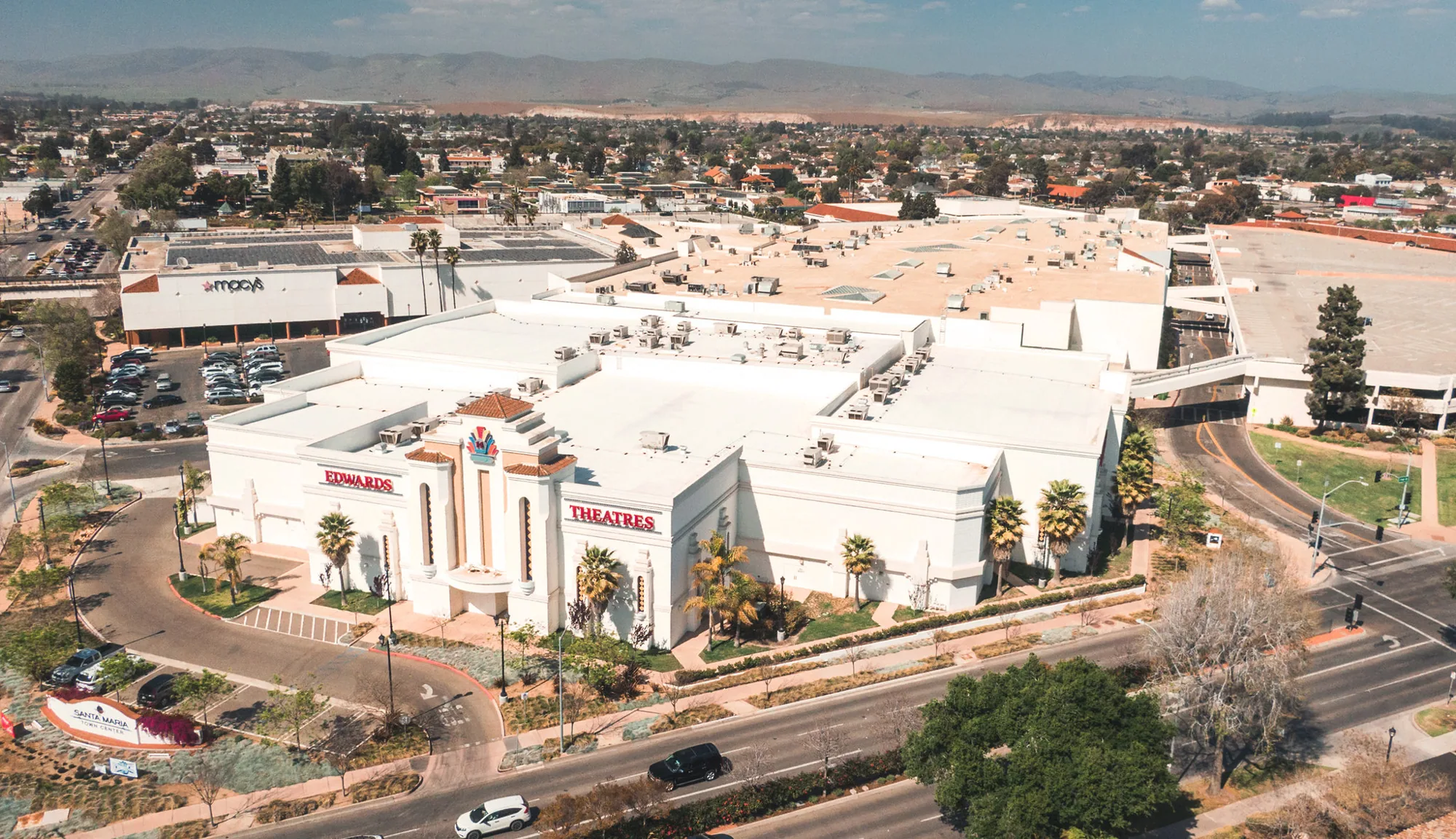
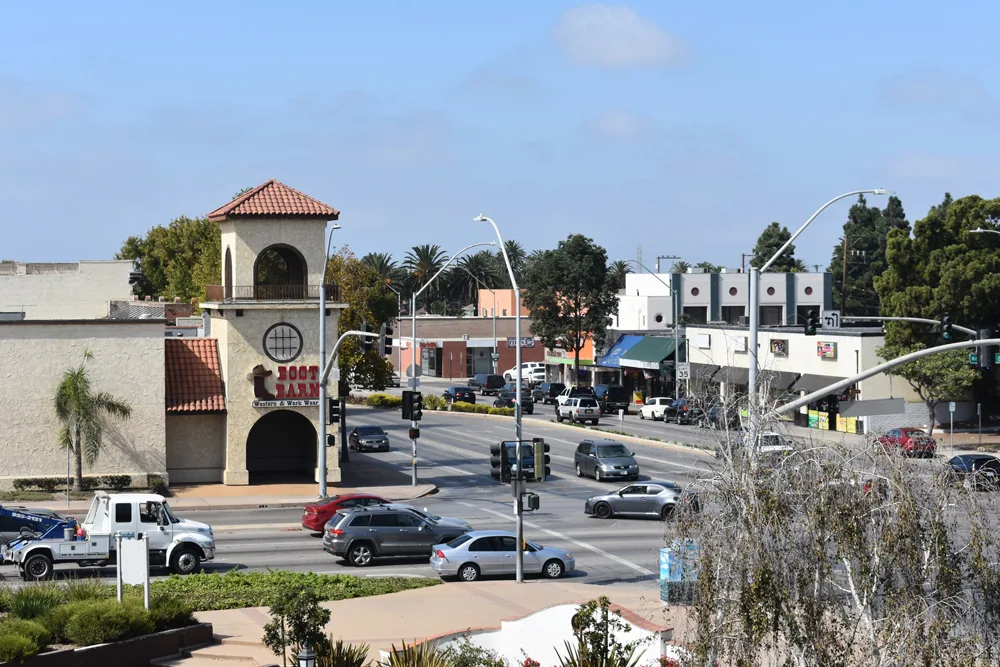
Storm work can interrupt shipping, production, patient care, retail hours, or public access. Santa Maria Airport Business Park planning includes airport service, research, administrative, and manufacturing uses; each operating schedule comes from its property contact. For mobilization, U.S. 101 is the principal north-south route; Broadway, also State Route 135, links the airport and central Santa Maria toward Highway 1. Before mobilization, we confirm tenant hours, loading routes, alarms, rooftop equipment, arrival windows, staging space, gate instructions, parking, and the interior protection the owner will provide.
Preserve the condition record
The closeout package should show the initial finding, temporary stabilization, permanent work and any unresolved area. We photograph repaired edges, laps and penetrations, record product and installation conditions, and identify any test that remains unauthorized. If interior staining continues, a roof repair does not establish that the water path is closed until the next weather event or controlled test confirms the result. The manager can compare the record with other roof zones and schedule follow-up before the next seasonal work window. If the assembly has widespread moisture or repeated failures, we can prepare a separate capital option rather than extend emergency work by assumption. The condition report gives future vendors a clear map, and the West Main commercial-area review starts with the property’s actual access and operating constraints.
For a multi-tenant building, the manager can attach the affected room or suite reference to the roof-grid location, giving each follow-up visit a clear point of comparison.
Commercial Roofing Questions
Can you inspect the roof during rain?
Safety and visibility control the timing. A crew may provide limited emergency stabilization when access is safe, then return for a full inspection after weather permits close examination of seams and flashings.
Will you tell us whether insurance covers the repair?
We can document observed roof conditions and prepare a construction scope. Coverage decisions, policy interpretation and claim approval belong to the insurer and the policyholder.
Does storm damage always require replacement?
No. A localized opening may be repairable, while widespread wet insulation, movement or repeated failures can justify broader testing. The recommendation follows the inspected roof and approved scope.
What should staff do before the crew arrives?
Keep people away from active drips or damaged materials, protect contents if safe, and share event timing, interior photos and prior roof records with the property contact.
Plan the next roof visit
Tell us about the building and what you are seeing on the roof. Request a roof assessment and we will set up a time to look at it.