Commercial Roof Insurance Claim Assistance in Santa Maria, CA
Request claim documentation support
Share the claim event date, roof plan, insurer request and any emergency repair record. We will document the roof condition and prepare a construction scope without making a coverage promise.
Request a roof assessment or call 555-555-5555.
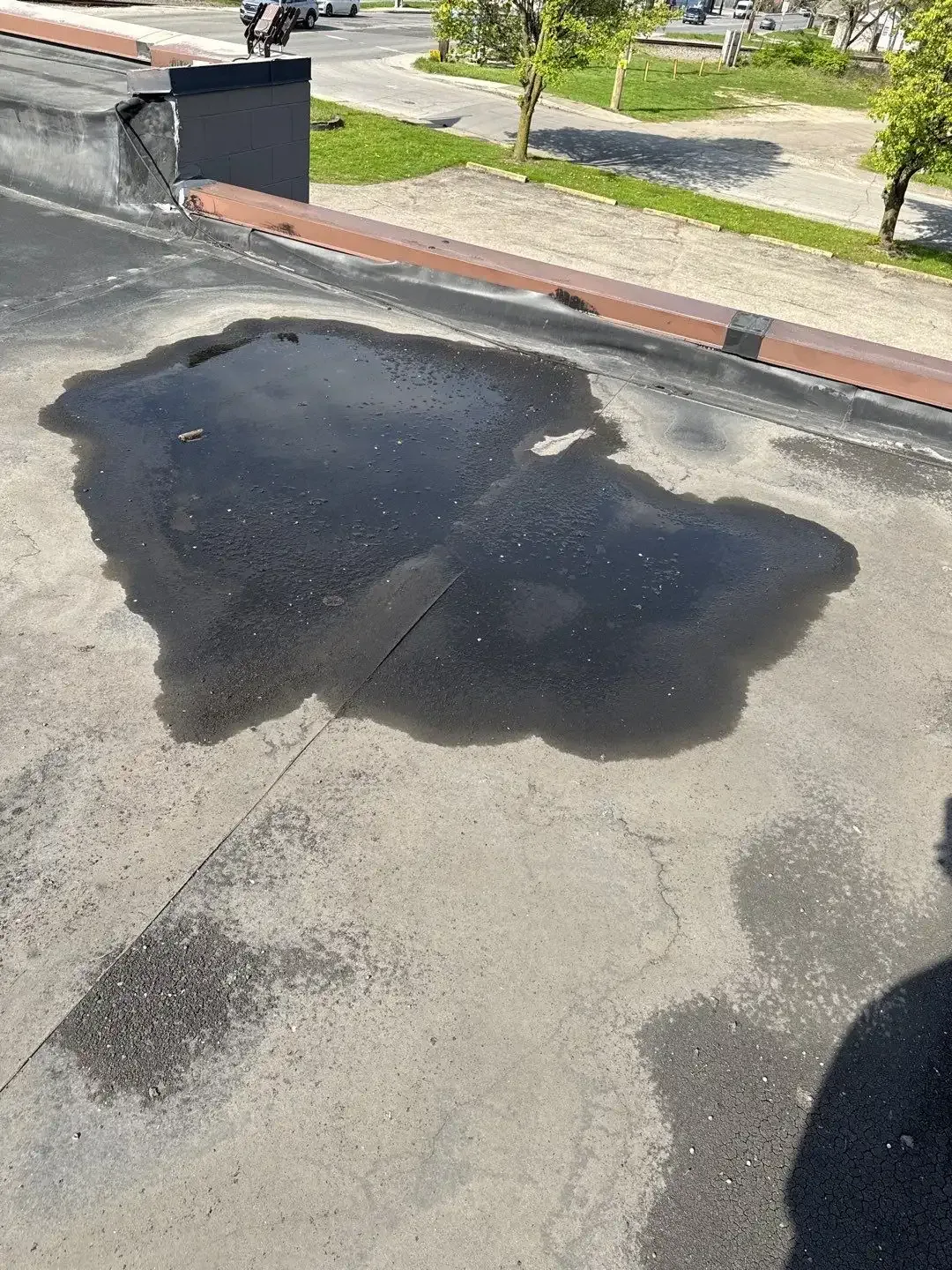
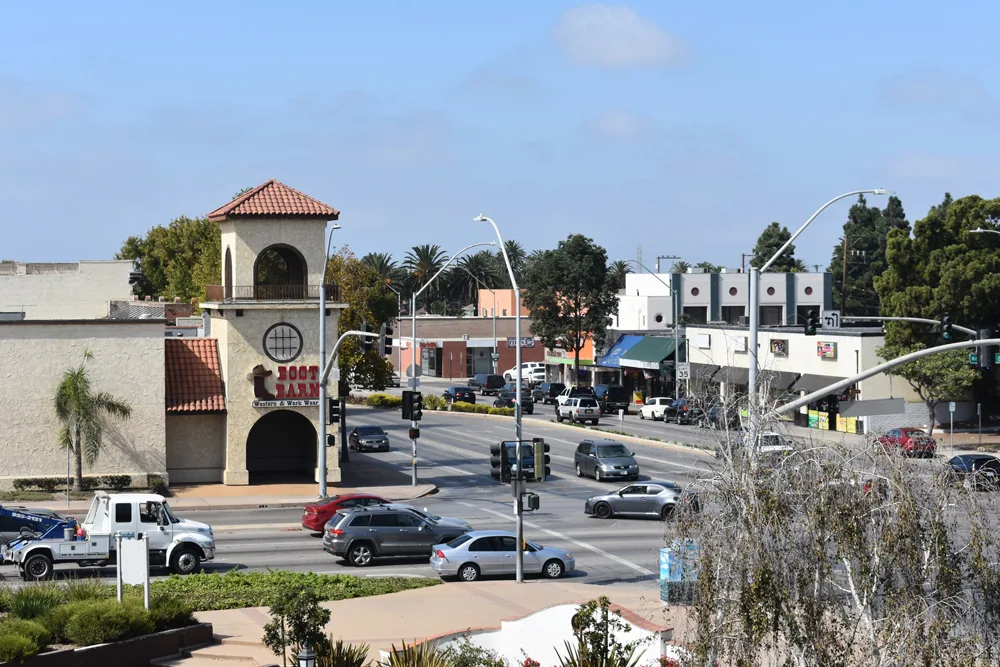
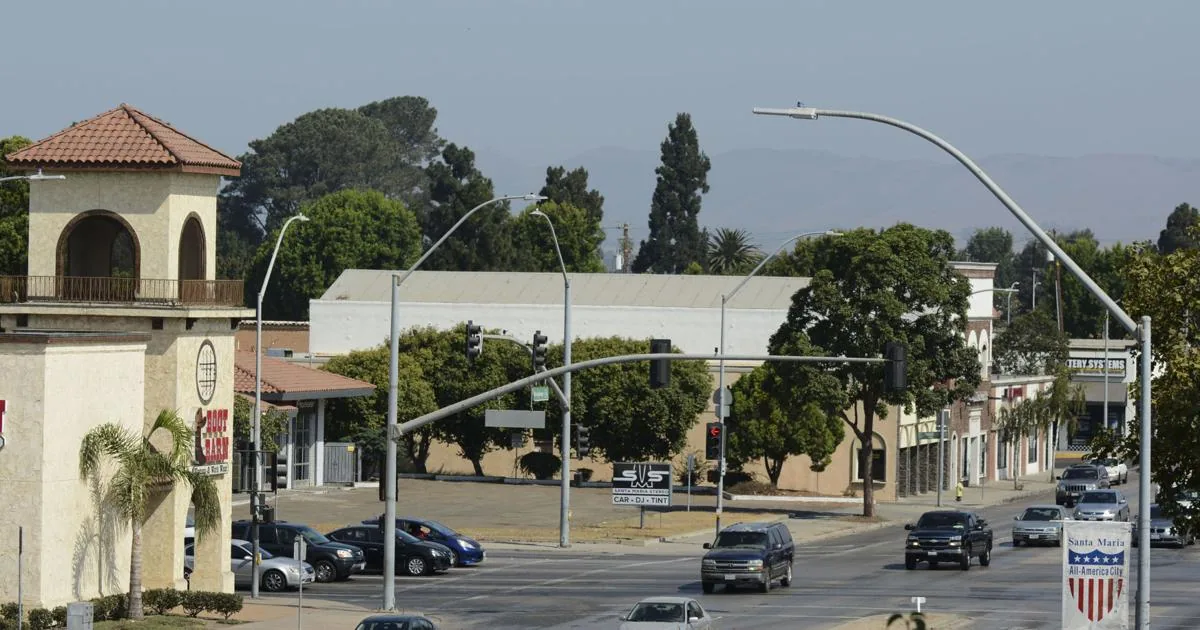
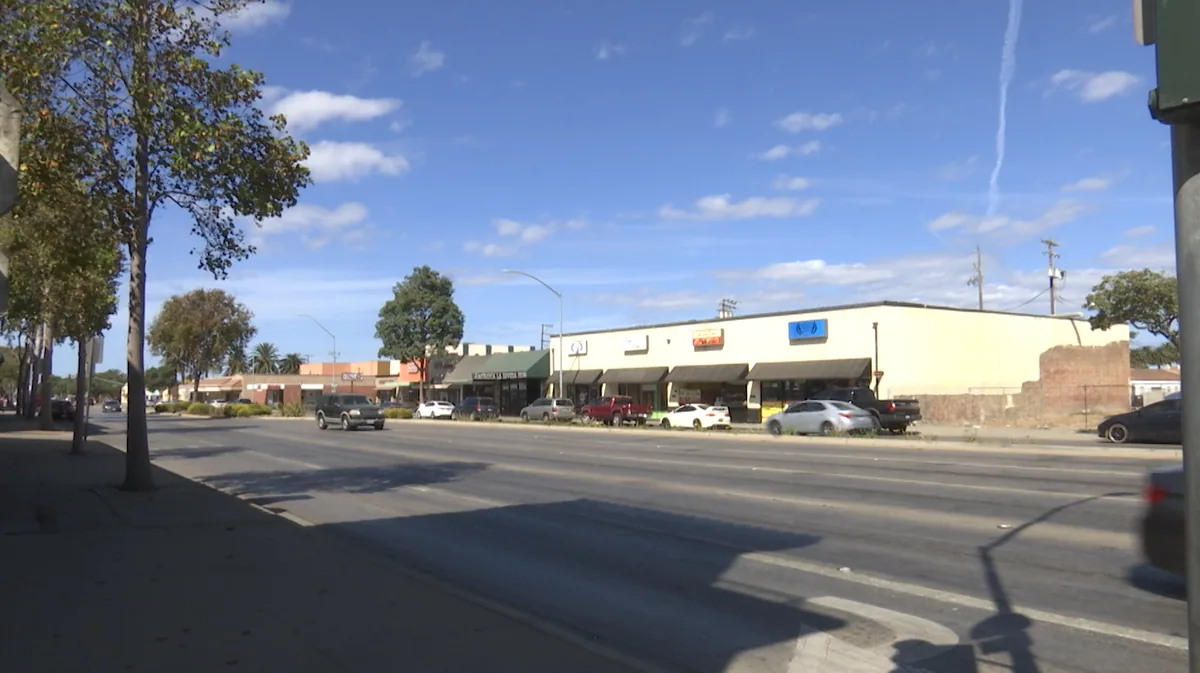
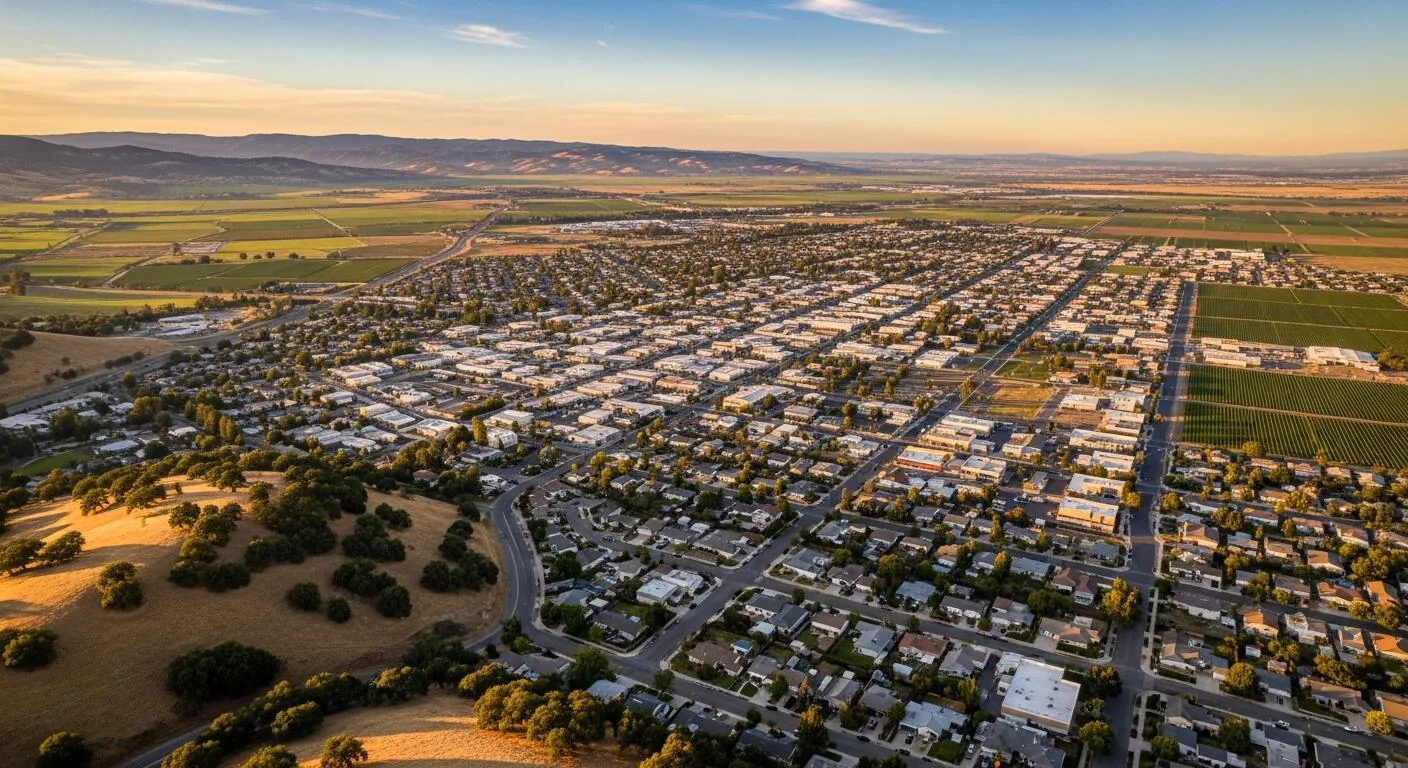
A roofing contractor can document conditions and price construction work, but the policyholder and insurer decide coverage. Our role is to inspect the roof, distinguish storm-related observations from older wear where the record permits, and give the property manager a scope that can be reviewed alongside the policy. We photograph affected areas, identify the roof system, record temporary stabilization and list questions that require further testing. At Santa Maria Public Airport's KSMX station, 2023 precipitation totaled 21.52 inches; the claim file separately records the reported event date and physical findings at the building. The storm repair visit focuses first on the physical condition and safe protection.
Keep the contractor and claim roles clear
The property owner or authorized representative submits the claim, provides policy documents and communicates coverage questions to the insurer. An adjuster evaluates the claim under that contract. Our scope can list roof observations, photos, measurements and construction quantities; only the insurer can decide coverage or give a binding policy interpretation. When the insurer requests access, the manager can coordinate a joint visit and share the same roof plan with all parties. The written estimate separates emergency work, permanent repair, code-driven requirements and optional improvements. If a document is missing or a fact remains uncertain, we identify what inspection or test would resolve it. A condition record keeps the physical findings distinct from claim correspondence.
Build a useful chronology
The claim file should connect event timing to observed roof conditions without overstating causation. We ask for the date the leak or impact was first noticed, available weather reports, interior photos, maintenance history and any temporary work already performed. On the roof, we photograph both close details and the surrounding zone, record displaced materials or open seams, and mark the location on the plan. Santa Maria Public Airport’s KSMX station logged 21.52 inches of precipitation in 2023 and a maximum daily temperature of 101°F. The claim chronology places the reported event date beside the dated roof inspection record. We avoid filling gaps in the chronology with assumptions. When the path is concealed, an authorized opening may be needed before a repair boundary can be priced.
Separate urgent work from full restoration
A claim estimate can become hard to compare if immediate protection and permanent work are bundled together. We list temporary covers, water removal, interior protection, material replacement and follow-up visits as distinct tasks. The permanent scope identifies the membrane or metal type, preparation, repair area, flashing tie-in and items excluded pending testing. If adjacent roof areas show ordinary deterioration, we record them separately from the reported event so the decision maker can review each condition. Santa Maria code requires a permit before applying a new roof covering; the reroof provisions also require pre-roof inspection and written approval. Those local requirements can affect project scope, but the insurer determines how policy terms apply. A replacement proposal can show a broader alternative without presenting it as automatically covered.
When comparing estimates, the policyholder can review whether both documents describe the same roof area, system, access method and repair boundary. Differences may reflect quantity assumptions, material selection, code items, test openings, tear-off layers or protection of occupied space. For our line items, we can explain the construction method and revise a measured quantity when inspection supports a different result. If a question concerns depreciation, deductible, exclusions, deadlines or the meaning of a policy term, the owner should obtain the insurer’s answer in writing. The contractor’s scope should not imply that those terms are resolved. For a concealed condition, we identify what an opening can establish and what additional work may follow. The owner can then authorize the test, decline it or ask the insurer for direction. A clear record of that decision helps prevent unapproved tear-off or repair from expanding beyond the agreed work. The capital review can separately track improvements that remain outside the claim estimate..
Prepare the roof for a joint inspection
Before a meeting, confirm safe ladder access, escort rules, roof hatch keys and any site-specific safety orientation. The property manager should identify active operations, sensitive areas and roof sections where equipment cannot be moved. We can lay out the roof plan, identify reported leak locations and explain which photos show each detail. If a test opening might be necessary, the owner can approve or decline it after the purpose, location and weather protection are clear. A joint inspection is more useful when the same zones are visible to the owner, contractor and adjuster, not when separate parties compare unrelated photographs. Along Highway 101 and Broadway, travel or staging needs vary by address; the property contact confirms loading and arrival rules. The inspection visit can prepare an updated roof map if the initial claim file lacks one.
Keep building requirements in a separate column
Effective January 1, 2026, Santa Maria's code uses the 2025 California Building Code with local changes. A reroof project includes a City visit before installation and written clearance; review covers structural support, deck, drainage, existing attachment, wet insulation and fire-retardant requirements. Santa Maria's reroof requirements belong in the project scope; the insurer separately decides whether the policy covers any related cost. We list code-driven work separately from like-for-like repair and from optional betterment, then provide the information the owner needs for review. If extensive ponding lasts beyond 48 hours after rain, City code calls for drainage analysis and correction. The drain scope can identify the physical work separately from claim questions.
Keep the decision trail readable
A practical closeout contains the inspection date, the conditions observed, the repair performed and any question still open. If the insurer accepts only part of a proposal, the owner can see which work remains unfunded or may need a different timing decision. If new damage is found after tear-off, the contractor documents it and requests direction before expanding the scope. The closeout ties each finding to the inspected property, roof zone, and approved repair boundary. Santa Maria’s economy spans agriculture, manufacturing, health care, education, tourism and government, and property needs vary accordingly. A manager can use a capital planning review to compare unfunded work with future budgets, while a roof inspection in Airport Business Park starts with that property's access and condition records.
Downtown Santa Maria and Rivergate-Roemer have separate plan standards, but neither changes the division of claim roles. A property contact may use those area names to coordinate access or permits, then confirm requirements for the actual address with the City. Our estimate stays tied to the inspected roof, while any land-use or building review proceeds through the proper office. That separation keeps a repair price from being read as a permit approval or a coverage ruling.
Commercial Roofing Questions
Can you meet with the insurance adjuster?
Yes, when the policyholder authorizes access and the visit can be scheduled safely. We can explain our roof observations and construction estimate; the adjuster and insurer determine coverage under the policy.
Will your estimate match the insurer's payment?
We cannot predict claim payment. Our estimate describes the work and quantities observed; the insurer may review different policy terms, pricing, depreciation or exclusions.
Can you help after emergency tarping?
After temporary protection, we can inspect the roof, photograph temporary work and prepare a permanent repair scope. The record will distinguish the cover already installed from the underlying condition that still needs evaluation.
Does a code upgrade belong in the claim?
For local project requirements, we can identify and price the construction tasks separately. The policyholder and insurer decide whether any item is covered under the contract.
Plan the next roof visit
Tell us about the building and what you are seeing on the roof. Request a roof assessment and we will set up a time to look at it.