
Commercial Roof Puncture Repair in Santa Maria, CA
Arrange a puncture and traffic review
Send the roof area, equipment or service route involved, and any interior leak symptoms. We will inspect the membrane and substrate, define a compatible patch and document traffic protection before pricing the work.
Request a roof assessment or call 555-555-5555.
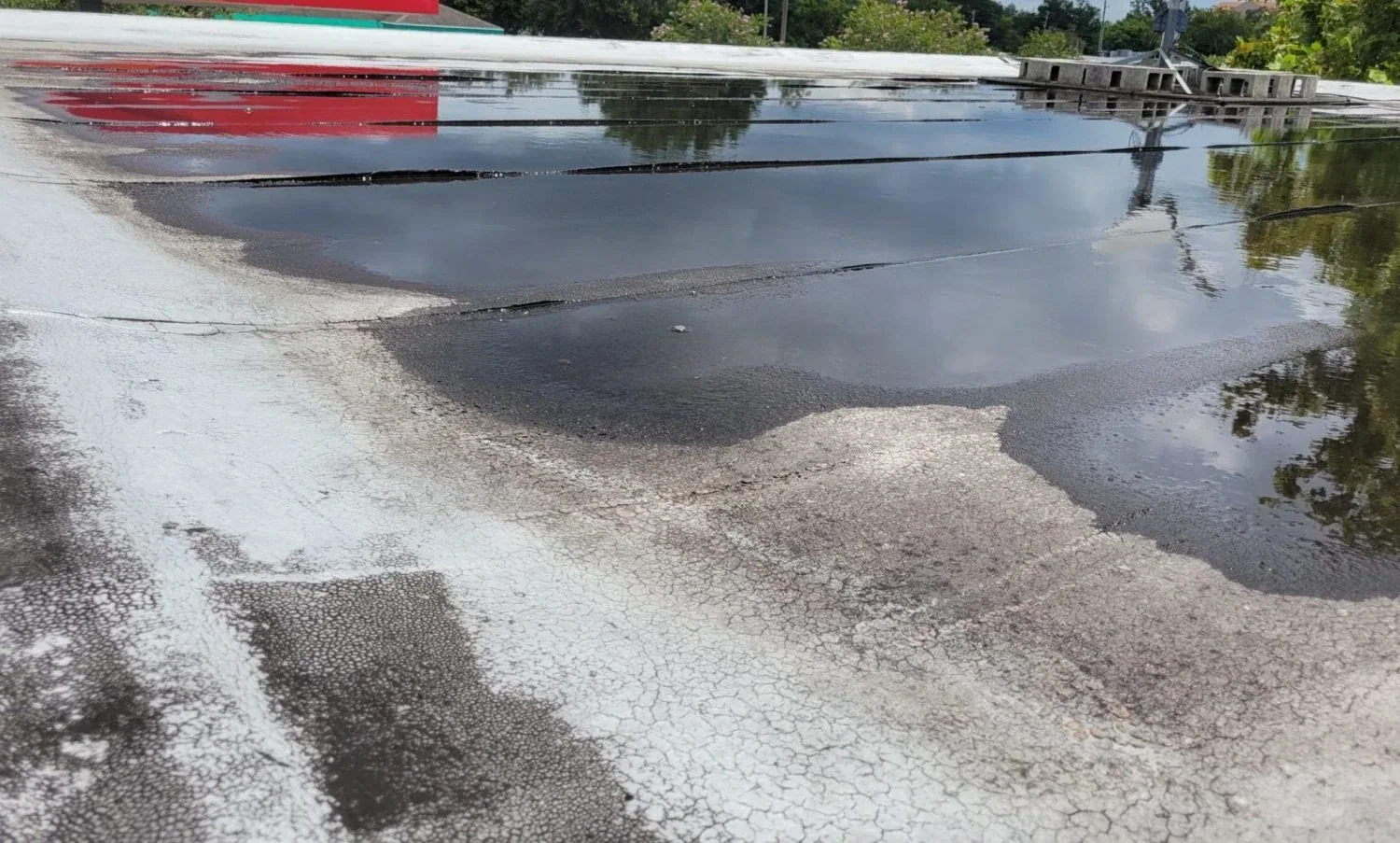


A crescent cut beside a service walkway may be small on the surface and wider below the sheet. We inspect the membrane, mark the puncture, check for trapped moisture and follow nearby traffic marks before setting the repair size. A patch needs sound material around its edge, with a clean surface and a compatible bond or weld. The boundary should also account for what caused the damage, so the same route does not create another opening after the crew leaves.
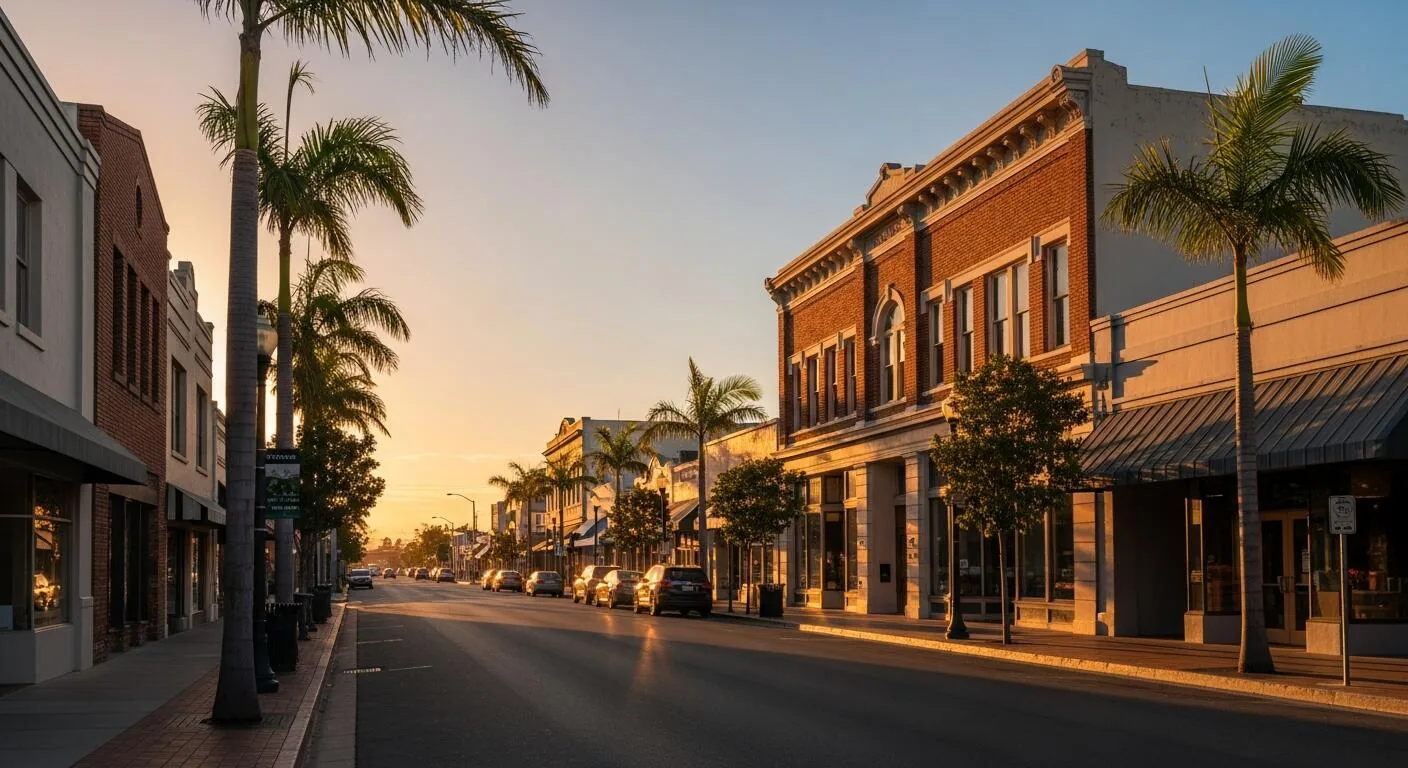
In Santa Maria, service visits, equipment work and material movement can bring foot traffic to roof areas that were not designed as walkways. We ask what work occurred near the damage, photograph the route and identify any protection that should be added. If the injury crosses a sheet lap, the seam repair may need its own inspection and tie-in. The repair record names the puncture, surrounding assembly and any separate area that remains untested.
Damage check: find the full cut and its path
We look for cuts, punctures, embedded screws, dropped tools, abrasion and crushed insulation. A narrow slit can close when the membrane relaxes, so we inspect the surface under light tension and look for a puncture through all layers. Nearby scuffs or repeated marks can point to a ladder, cart or service path. We photograph the defect with a roof-area reference, then check whether water entered through the opening or traveled from another detail.
If the sheet has been pressed against sharp substrate, the visible hole may not show the extent of the damage. We inspect for soft insulation, blistering, displaced cover board and water marks. The moisture survey can identify a test area when wet material is suspected beyond the patch. The written scope says whether a test opening, replacement insulation or deck repair is included before the membrane is cut back.
Traffic route: protect the way people reach equipment
Repeated foot traffic can wear a path from the roof hatch to an HVAC unit, service curb or antenna. We map the route and note where technicians turn, set tools or step across seams. A walkway pad can protect the field sheet, but it should not cover a drain, block an overflow or bridge a movement joint in a way that traps water. We set pads on a suitable surface and keep the repair edge accessible for later inspection.
Santa Maria's Airport Business Park plan includes airport service, light manufacturing, research and office uses. The South Blosser area has recorded food-processing, greenhouse and industrial activity. Those are planning and project records, not proof of use at a particular roof. They do remind us to coordinate with the actual equipment operator, identify delivery and service windows, and keep roof debris away from active work. When an equipment contractor caused or may have caused the puncture, we coordinate the roofing repair with its access plan and make the responsibility boundary clear.
Patch method: close the puncture with compatible material
For thermoplastic membrane, we clean and prepare the area, cut a patch with sound margins and weld it to the existing sheet. We test the perimeter after the weld cools. EPDM repairs use compatible flashing material and adhesive, while modified-bitumen roofs need a prepared overlap suited to that assembly. If the puncture reaches cover board or insulation, we remove damaged material only to the agreed boundary, replace it as scoped and restore the membrane tie-in. The material and preparation are listed in the closeout.
A sealant dab over a puncture may not provide a durable repair where the membrane is moving, contaminated or wet underneath. We confirm the assembly first, then choose a method that can be inspected. A EPDM repair differs from a TPO patch; the seam edge, surface preparation and verification differ as well. If movement or wind pulled the sheet, a wind-damage check can inspect connected edges before the repair boundary is approved.
Weather window: keep moisture out of the bond
Santa Maria's KSMX station recorded 21.52 inches of precipitation and a daily high of 101 degrees Fahrenheit in 2023. Before patching, we check the actual membrane and substrate conditions that affect preparation. KSMX averages 62.4 heavy-fog days per year across the listed 42-year period. Field moisture checks still set the patching window. Before patching, we check the actual membrane and substrate for moisture, dirt and temperature conditions that affect preparation. If the surface is not ready, we secure temporary protection and schedule the permanent repair for a suitable window.
Emergency response runs at any hour, all week and on holidays when an opening needs immediate attention. A temporary cover is noted separately from the permanent patch, including how runoff remains available and what needs to be checked on the return visit. We coordinate access with the property manager and protect the inside area if water has reached occupied space. The emergency roof response can stabilize the opening while the surface dries and materials are prepared.
Cost and scope: count the work beneath the hole
Repair cost reflects the number and size of openings, membrane type, moisture below the sheet, access, roof height and protection required during the work. A clean puncture in a reachable field may be a contained patch. A damaged cover board, wet insulation, roof deck or equipment curb adds removal, disposal and replacement steps. We separate those items in the proposal so the manager can approve the known repair and decide how to handle concealed material if an opening reveals more.
The South Blosser food-processing and logistics area and Airport Business Park support different access patterns, but each roof must be evaluated at its own service route and assembly. We note whether a technician, owner or other trade needs to return to the roof after repair. If repeated traffic requires permanent pads, their location and attachment are included so future maintenance does not cover the drain or block inspection. A roof condition report can place repair and walkway recommendations on the same property plan.
Closeout: leave the next service visit a clear route
After patching, we check the full perimeter, probe or test the weld where the system permits, remove debris and photograph the repair with surrounding roof details. The record includes material, surface preparation, area opened and any limits that remain. A later technician should be able to locate the patch and understand where to step. We can add marked walkway areas or identify a separate service route for review during the next maintenance visit.
Santa Maria's KSMX annual precipitation normal is 13.32 inches for 1991 to 2020, another station-specific measure rather than a property forecast. The repair log identifies a cut to check after wet weather. Our maintenance program can revisit traffic pads, punctures and nearby drains. Highway 101 is the main north-south route through Santa Maria. Highway 135 connects the airport and central city toward Highway 1. At the Airport Business Park, we confirm roof entry with each manager.
Commercial Roofing Questions
Can a small puncture leak into a large area?
Water can move through insulation or along the deck after entering at one small opening. We check moisture and interior symptoms around the puncture, then mark what can be repaired locally and what may need a test opening. The visible hole alone does not set the full boundary.
Will a patch hold if technicians keep walking over it?
The patch needs protection from repeated traffic. We map the route and can add suitable walkway material where the roof assembly supports it. The placement must preserve drainage, overflow paths and access to the repair for future inspection.
Do you replace insulation under a puncture?
We replace insulation when it is included in the scope or approved after the roof is opened. If hidden material is wet beyond the planned repair, we photograph the extent and pause for direction before expanding the opening.
Can you repair damage caused by an equipment contractor?
We document the puncture and coordinate the roof work with the service provider's return visit. The repair proposal identifies roofing materials and work limits, while equipment removal or reconnection may be assigned to the unit's service contractor.
What details should be in the repair record?
The record should identify the roof zone, puncture location, material, repair method, inspection and any traffic protection added. Photos before and after help a manager compare later marks with the repaired opening and plan the next service route.
Plan the next roof visit
Tell us about the building and what you are seeing on the roof. Request a roof assessment and we will set up a time to look at it.