Commercial Roof Capital Planning in Santa Maria, CA
Build the next Santa Maria roof budget from current findings
Arrange a roof walk and share access limits, leak reports, and available repair records. We will document the roof zones, identify any testing or approval hold points, and compare the repair or replacement work the findings support before pricing the scope.
Request a roof assessment or call 555-555-5555.
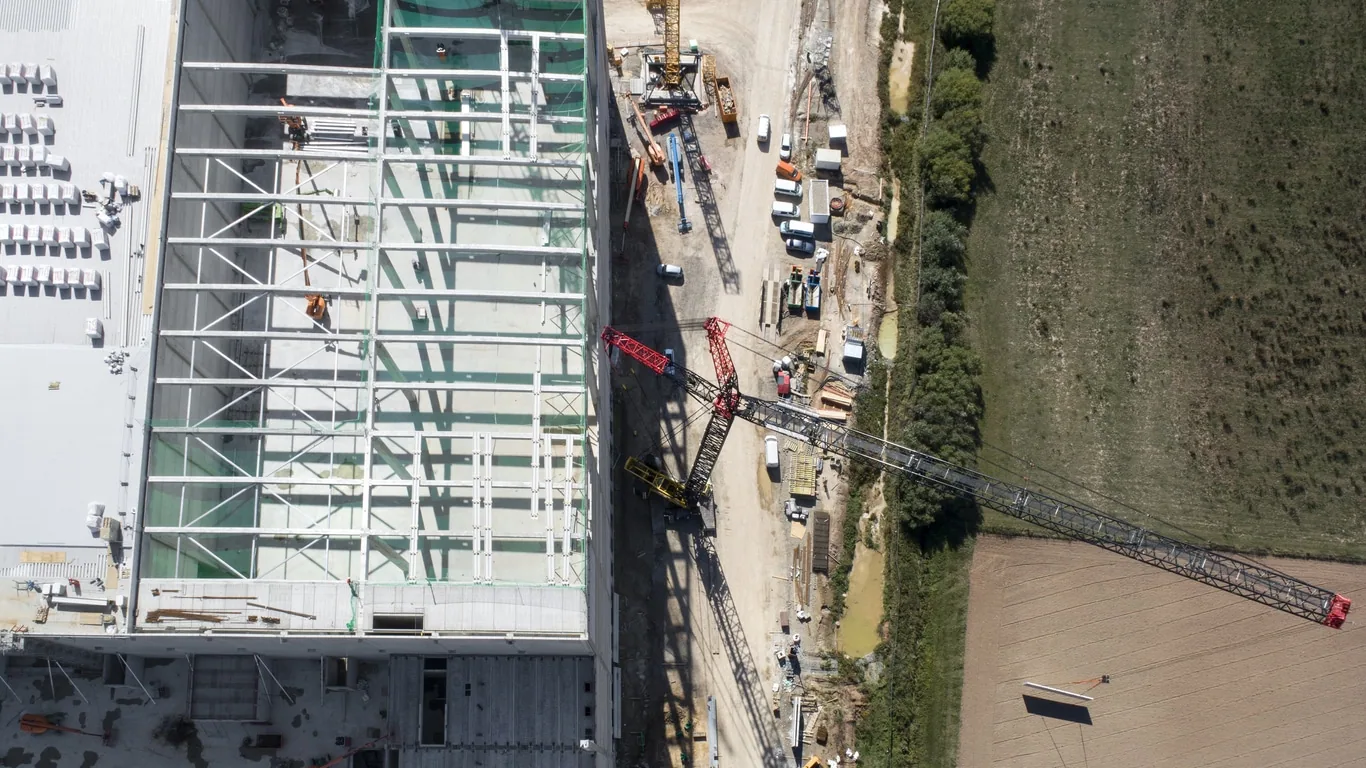
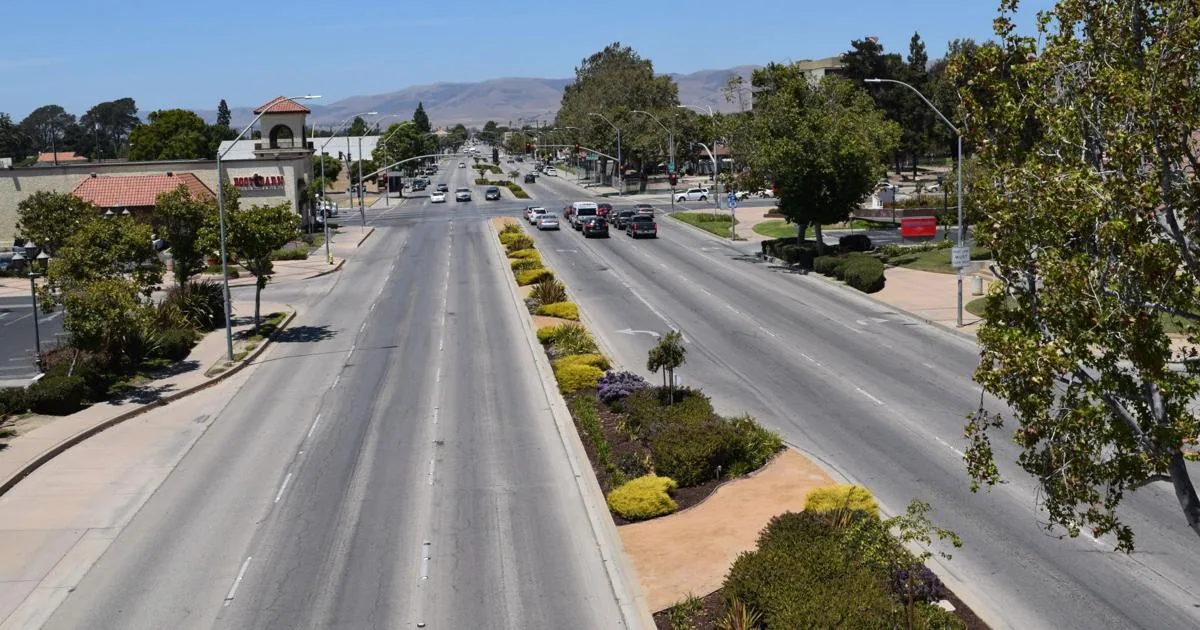
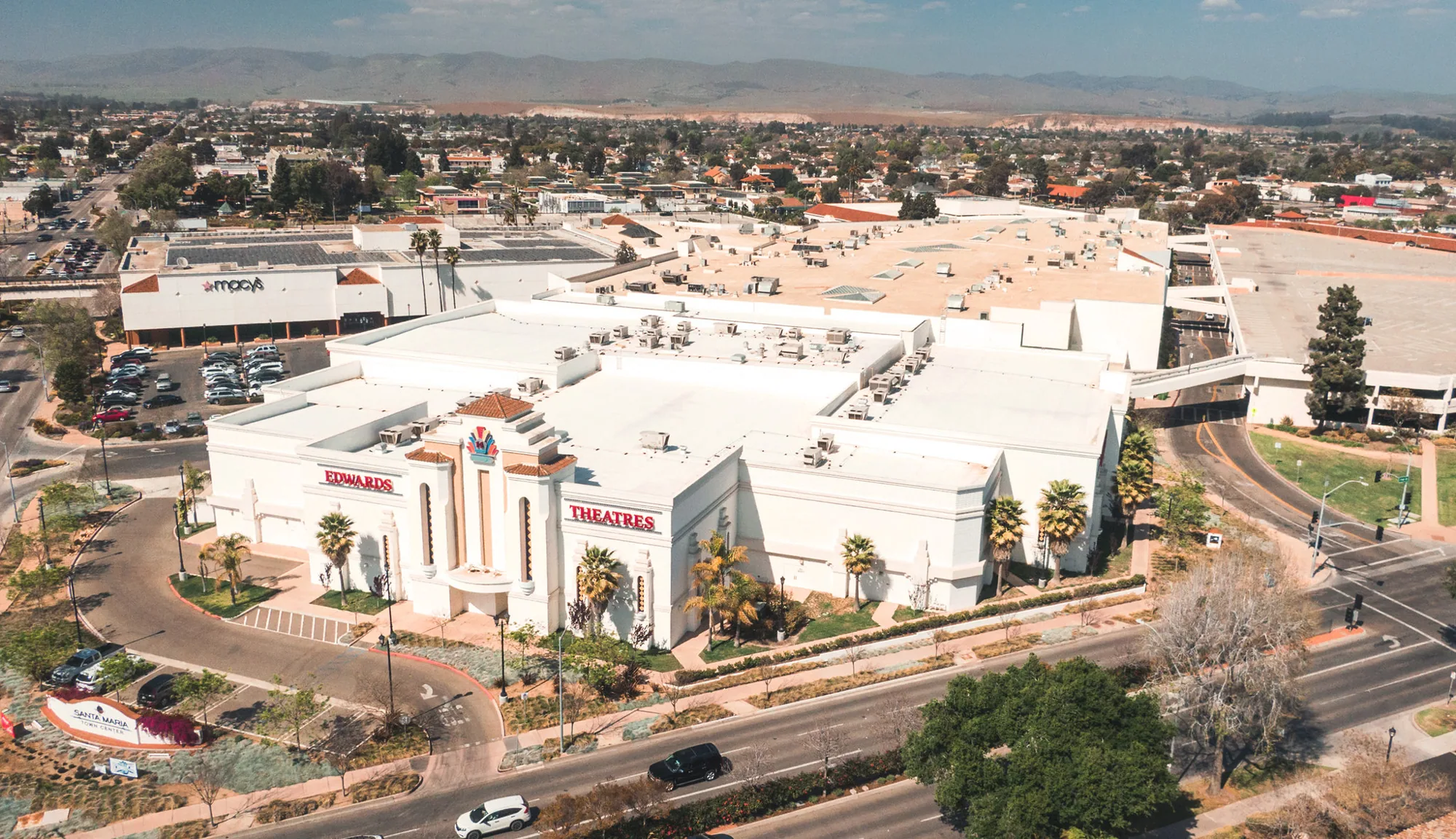
A curb with split flashing can move a roof from a future budget line to a repair decision this quarter. In Santa Maria, CA, we inspect the detail, the surrounding membrane, the drainage path, and the interior report before attaching a timing recommendation to the scope. A commercial roof inspection gives the owner a condition baseline, while a written roof condition report preserves the photos and repair limits behind the budget choice.
Capital planning works best when it separates what is visible from what is still uncertain. We identify urgent water entry, details that need a test, and larger areas where the assembly or drainage condition may justify comparing options. Then we describe the access, preparation, and hold points that affect schedule. A budget can carry an allowance for a defined question; it should not turn an unconfirmed wet area into a full replacement recommendation.
Condition first: give each scope a reason
We begin with the roof zones that drive consequence: active leaks above occupied space, open seams, failed curb flashings, loose perimeter metal, and low areas with drainage concerns. The report marks where those conditions begin and end, then notes what could confirm concealed moisture or attachment problems. A repair option should refer to that evidence. If a test cut or additional survey is needed, we say what it is intended to establish and keep the larger decision open until the result is known.
For capital planning, an infrared moisture survey can help locate areas that merit closer evaluation, but a reading must be interpreted with the roof assembly and visual findings. We may recommend an opening to confirm wet insulation before a recover or replacement is scoped. Santa Maria station records include substantial annual precipitation and frequent heavy fog across the station's listed observation period. Damp roof surfaces can change preparation and bonding, so we verify readiness at the scheduled work area before those steps begin.
Building mix: do not price from a portfolio average
A budget built from one typical roof can miss the details that separate a warehouse, office, retail property, and production area. The Santa Maria Airport Business Park plan allows airport-service activity, research and development, laboratory work, administrative centers, and specialized manufacturing. Enos Ranchos planning describes a mix that includes warehouse retail, corporate office, auto-related commercial, and other uses. At each building, we confirm access and record the roof system, penetrations, drainage and occupancy before transferring a cost assumption from one line item to another.
That distinction also helps an owner stage work by consequence. A low-slope roof above a public entrance may need a different protection sequence from a service area with controlled access. A commercial roof walk in the Airport Business Park and a review near Enos Ranchos each start with the building and its details, not the area label. We tie costs to the roof section, quantities, edge and curb work, tear-off or recover conditions, and the repair boundary that the evidence supports.
Options: compare the work that changes the outcome
A local repair may address an open lap, termination, drain detail, or penetration when the surrounding assembly remains serviceable. Broader work can be justified when failures repeat across zones, insulation is wet in multiple areas, attachment needs correction, or drainage defects affect a substantial portion of the roof. We state which condition each option addresses and which condition it leaves in place. That lets the owner compare a repair, recover, and replacement without treating them as interchangeable bids.
Preparation and tie-ins matter as much as the membrane choice. A coating needs a compatible surface and secure details; a recover depends on the existing assembly and attachment; replacement introduces tear-off, substrate review, and dry-in decisions. The recover option should be weighed against a replacement scope using the same condition map. When the roof has open questions, the budget can show an allowance for testing or substrate repair instead of hiding that uncertainty inside a single lump sum.
Sequence: include inspections and access in the schedule
A reroof cannot move into covering work until the City permit is secured and the pre-roof review ends in written clearance. Reviewers examine the roof structure and deck, drainage, fastening of the existing covering, any wet insulation, and fire-retardant provisions. We put that approval milestone on the schedule before crews or materials are sequenced, so the work plan accounts for the municipal review as a gate.
A separate code trigger applies when widespread ponding lasts past 48 hours following rain: drainage analysis and corrective work are called for. If that condition appears during review, we carry the drainage evaluation into the capital scope before selecting a roof system. We note the sequence, responsible decision, and area involved. A drainage review can be planned with roof work where those findings warrant it. Warranty requirements and future service access should also be recorded when they affect the proposed assembly or closeout.
Budget use: keep the record current
A capital recommendation becomes stale when the roof changes and the supporting notes do not. After repairs or equipment work, we update the affected zone, photograph the tie-in, and carry forward any check that remains open. The next budget review can then distinguish completed work from an item that still needs a contractor walk. Managers can also note access windows, tenant restrictions, and planned equipment changes that could alter staging or flashing work.
For an owner balancing several roofs, a multi-site roof program can organize inspections and repair decisions around one reporting cycle without flattening differences between properties. A maintenance visit can revisit the high-priority details and confirm whether temporary protection or a repair remains necessary. We leave the record with visible conditions, options, timing dependencies, and a next step. That gives the facilities and finance teams a defensible basis for comparing the work.
Commercial Roofing Questions
What information do you need before recommending a roof budget?
Share the available roof plans, prior repair records, leak locations, access limits, and any known system information. We still inspect the roof before setting a scope. The condition walk can confirm details, identify questions that need testing, and show whether a repair or larger option fits the evidence.
Can repairs and replacement be compared in one capital plan?
Yes. We tie each option to the same roof-zone findings and state the work each one addresses. A repair may resolve a defined leak path; broader work may address repeated failure or assembly conditions. The comparison should also show access, preparation, testing, and drainage needs that affect timing or scope.
How does a permit affect the roof replacement schedule?
The City must issue its reroof clearance before the new covering goes down, and the project also needs a building permit. We schedule that review as a stop in the sequence, with roof conditions and operating hours informing what comes before and after it.
Should a roof with ponding be replaced right away?
Not from ponding alone. We document the extent, drainage path, outlet condition, and how long water remains after rain. If extensive ponding persists beyond the code's threshold, drainage analysis and corrective measures are required. That finding should inform the scope before the owner selects a covering system.
How do you keep a multi-year roof budget useful?
Keep each project tied to a dated condition map and update it after repair, inspection, or equipment changes. We can mark urgent protection, planned work, and monitoring separately, then record the reason for each choice. A later inspection can confirm whether the timing still fits the roof's condition.
Related
Plan the next roof visit
Tell us about the building and what you are seeing on the roof. Request a roof assessment and we will set up a time to look at it.