Commercial Roof Due Diligence Surveys in Santa Maria, CA
Review the roof before the transaction decision
Arrange access to the roof and share the available plans, repair records, and leak reports. We will document visible conditions, identify unresolved questions, and outline the next inspection or repair step the property team can evaluate.
Request a roof assessment or call 555-555-5555.
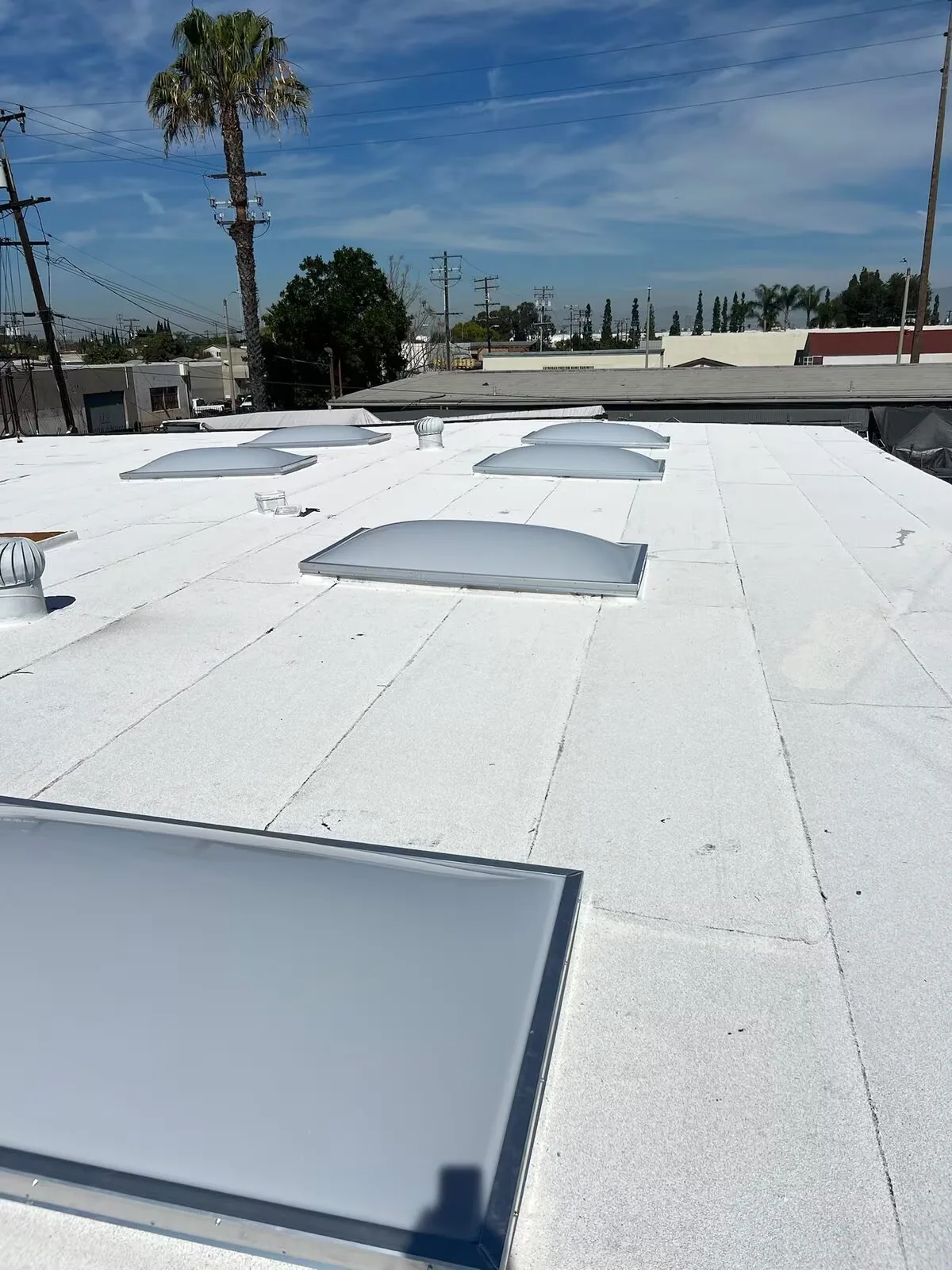
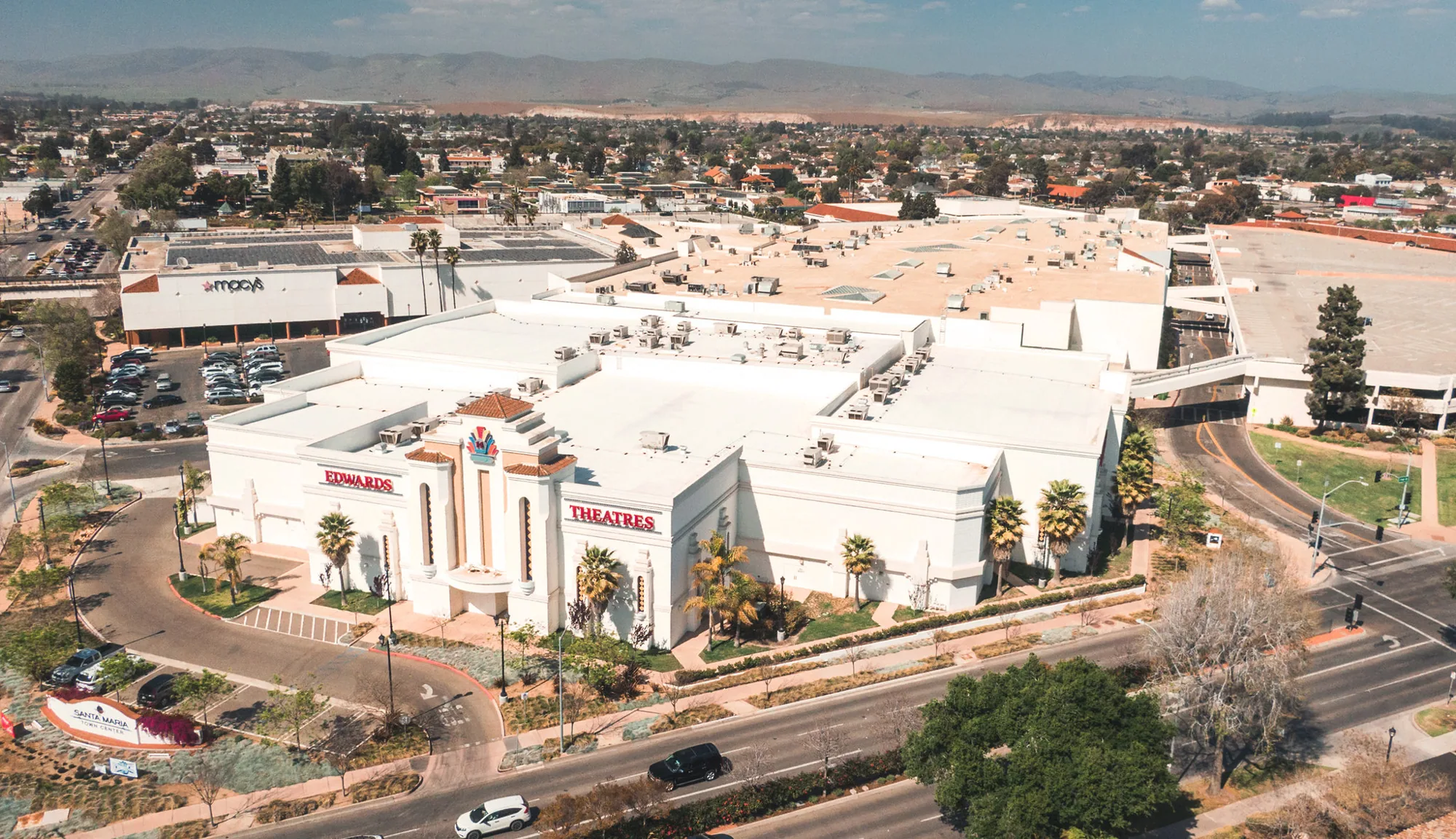
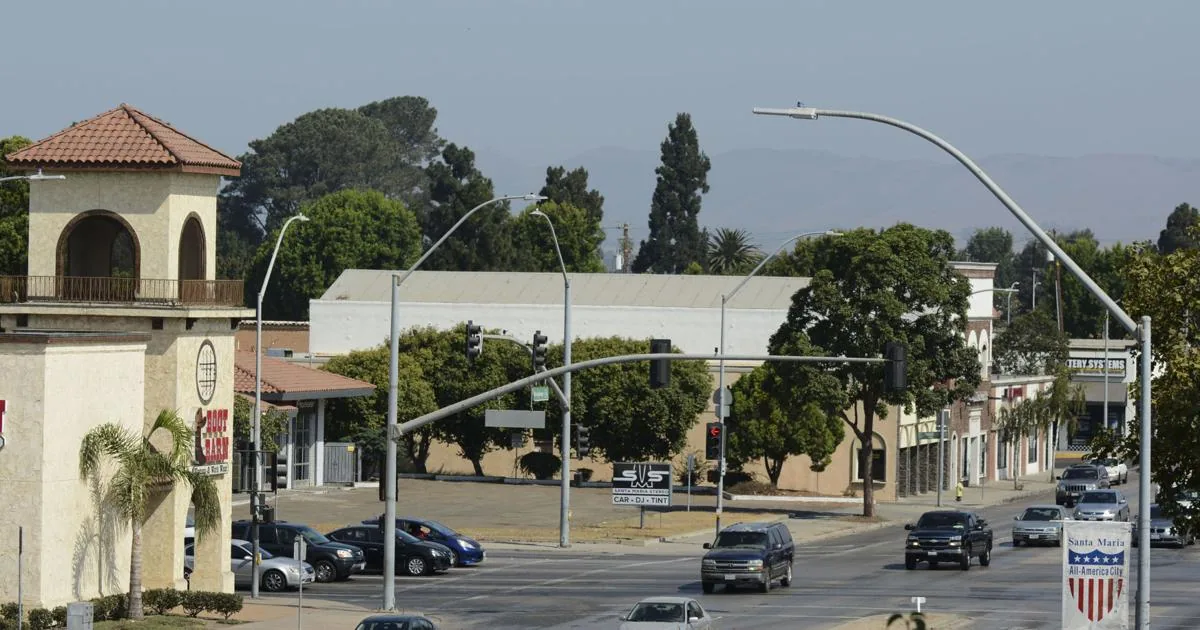
A parapet cap can conceal a loose edge, a finding that may shift a buyer's budget from a localized tie-in to a broader repair scope. In Santa Maria, CA, our due diligence survey records the visible assembly, drainage, penetrations, edges, and repair history before summarizing condition. We identify active concerns and likely follow-up, but keep observations separate from questions that need an opening, test, or document review. A commercial roof inspection gives the transaction team a field record tied to the building.
The report should help an owner, lender, or asset manager decide what to ask next. We note how the roof is being used, where access is limited, whether interior symptoms align with a roof detail, and which repair boundaries can be priced. If a concealed condition remains unknown, the report states the test that could resolve it. That is more useful than treating one photograph or a seller's maintenance note as a complete picture of the roof.
Field survey: record the assembly and the limits
We inspect accessible roof areas and document seams, laps, membrane transitions, curbs, penetrations, edge metal, wall terminations, drains, and visible patches. The report distinguishes wear from an open detail and a reported leak from a confirmed water path. We note locations with stable roof-zone labels and photographs that show the close condition and its surrounding context. When access prevents a complete walk, we mark the unseen sections so the buyer can distinguish reviewed areas from follow-up work.
Santa Maria Airport Business Park planning materials describe airport-service, light-manufacturing, research, laboratory, and administrative uses. Betteravia Industrial Park planning covers a multi-lot industrial subdivision. At the transaction property, we verify the assembly and repair history against the roof walk and available records. We inspect the subject roof itself, then use local context to understand access and equipment coordination. A due-diligence walk in the Airport Business Park or Betteravia Industrial Park records the assembly, access, and repair history for the building under review.
Document review: compare plans with roof evidence
Available roof plans, prior proposals, invoices, warranty papers, and leak logs can help establish what work was expected. We compare those records with visible conditions and note where the file does not match the roof. A plan may show a drain or curb that has since changed; an old repair invoice may not reveal the extent of the tie-in. We identify the document and roof zone so the buyer can request a focused clarification rather than assume the record is complete.
For a warehouse or light-manufacturing property, the transaction team may need to know whether loading, equipment service, or interior operations affect roof access. We record those constraints from the site contact and distinguish them from the condition itself. An organized condition report can preserve the photos and findings for the owner after closing. When several properties are involved, roof asset tracking can carry those separate records forward without merging one property's details into another's.
Before a buyer schedules a contractor after closing, the transaction file can show who has the keys, which roof sections need an escort, and whether equipment shutdown or interior access is needed. We list those practical steps with the zone rather than in a detached memo. That keeps a pending leak, test opening, or repair estimate connected to the property contact who can authorize the next visit. It also helps avoid a second trip just to recover access details.
Cost exposure: separate immediate work from reserves
A due diligence report should identify repairs that address present exposure and larger work that may belong in a future reserve. We mark active water entry, vulnerable flashings, loose edges, drainage questions, and recurring patches. Then we explain what the next inspection, test, or repair would establish. A buyer can distinguish a defined repair from a potential allowance for concealed conditions. The report does not convert an untested roof into a firm replacement quantity.
We can outline the difference between a localized repair, recover, and replacement when findings support each path. A repair option may correct a confirmed seam or curb detail. A recover evaluation requires review of the existing assembly and attachment, while replacement includes tear-off and substrate decisions. We state which areas are included, what preparation they require, and which conditions could change the scope, so transaction teams can compare like work.
Approval and schedule: identify the next hold point
On a Santa Maria reroof, the permit comes first; the City conducts a roof inspection and issues written approval before the covering goes down. That review can reach structural capacity, the deck, drainage, how current material is attached, wet insulation, and fire-retardant provisions. We record the approval point in the transaction timeline so the buyer sees which decision must come before application. If access or records are incomplete, we name those as open items and do not assume a condition the walk could not verify.
The City also requires drainage study and correction when extensive ponding carries on past 48 hours after rainfall. We mark the low area and observation date, then describe what analysis would test whether slope, outlet capacity, or another detail causes it. That finding can affect system choice, scope, and the buyer's reserve. A drainage review can address that decision, while capital planning can place the supported work into a timing discussion.
Handoff: give the new owner a decision record
At closeout, we organize the findings into observed conditions, suggested next steps, and items that remain unconfirmed. Photos, roof-zone references, and document notes help a new owner return to the same location after closing. If a repair is completed during the transaction, we can add the finished boundary and closeout images. The record then shows what the due diligence survey found and what changed before the property team took over.
Maintenance planning should follow the actual roof and the owner's access schedule. We can identify areas to revisit, leaks that require a repair scope, or records that need to be requested from a prior contractor. A maintenance inspection can update the baseline after turnover. Where the buyer needs a broader program across several buildings, a multi-site roof program can coordinate repeat visits while keeping each roof's condition and obligations distinct.
Commercial Roofing Questions
What does a roof due diligence survey cover?
We inspect accessible areas, document visible conditions, review available roof records, and identify repair or testing questions. The report distinguishes confirmed findings from limits caused by access or concealed construction. Its scope should match the transaction question and the roof areas available for inspection.
Can you estimate replacement cost from the survey?
We can outline a replacement scope when the roof findings and available measurements support one. Hidden conditions, assembly details, and approval requirements may need confirmation before a firm proposal. The report can show those questions and identify which work should be priced separately from a reserve allowance.
Will the survey find every leak source?
Not always. Water can travel beneath a membrane or enter at a detail some distance from the interior mark. We compare the report with roof conditions and identify the likely path. Testing or a controlled opening may be needed when the visible evidence does not settle the source.
What should a buyer provide before the roof visit?
Useful records include roof plans, prior repair scopes, leak logs, warranty papers, and access instructions. Tell us which concerns affect the transaction and whether any roof sections are restricted. We will note missing or conflicting records rather than treating them as confirmed roof conditions.
Can you inspect multiple buildings for one acquisition?
Yes. Each building receives separate roof-zone notes and condition findings, with a portfolio summary that preserves those distinctions. The scope can identify which properties need immediate follow-up and which require testing or additional records before the buyer sets a capital plan.
Plan the next roof visit
Tell us about the building and what you are seeing on the roof. Request a roof assessment and we will set up a time to look at it.